
Oncology and Cancer Screening
OPEN ACCESS | Volume 7 - Issue 1 - 2026
ISSN No: 2994-8746 | Journal DOI: 10.61148/2994-8746/JOCS


Onwuka Chigozie Divine
Department of Applied and Environmental Biology, Imo State University, Owerri, Nigeria.
*Corresponding author: Onwuka Chigozie Divine, Department of Applied and Environmental Biology, Imo State University, Owerri, Nigeria.
Received: July 15, 2026 | Accepted: July 30, 2026 | Published: August 04, 2026
Citation: Onwuka C Divine. (2026) “Awareness, Risk Factors, and the Role of Emerging Innovations in Colorectal Polyp Prevention among Adults in Imo State, Nigeria”, Oncology and Cancer Screening, 7(1); DOI: 10.61148/2994-8746/JOCS/072
Copyright: © 2026 Onwuka Chigozie Divine. This is an open access article distributed under the Creative Commons Attribution License, which permits unrestricted use, distribution, and reproduction in any medium, provided the original work is properly cited.
Background:
Colorectal polyps, as precursors to colorectal cancer (CRC), pose a significant public health challenge in low- and middle-income countries like Nigeria, where awareness and screening remain limited. Early detection and prevention are essential for reducing CRC burden, yet public knowledge and uptake of emerging non-invasive technologies remain underexplored.
Objectives:
This study assessed the level of awareness, risk factors, and the receptiveness to innovative screening methods for colorectal polyps among adults in Imo State, Nigeria.
Methods:
A community-based cross-sectional survey was conducted among 1,200 adults across three senatorial zones using a multistage sampling technique. Data were collected using a pretested, semi-structured questionnaire addressing socio-demographics, knowledge, risk behaviors, and attitudes toward screening innovations. Quantitative data were analyzed using SPSS version 25, with significance set at p < 0.05.
Results:
Only 38.3% of respondents had ever heard of colorectal polyps, while 61.7% could correctly define the condition. Awareness was significantly higher among individuals with tertiary education and those in urban areas (p < 0.001). Key barriers to screening included fear of diagnosis (36.5%) and cost of procedures (28.2%). Despite limited use of digital health tools (46.8%), 71.3% expressed openness to non-invasive screening innovations such as stool-based DNA tests if recommended by healthcare professionals. High-risk behaviors, including low fruit and vegetable intake, physical inactivity, and alcohol use, were common among participants.
Conclusion:
Awareness of colorectal polyps remains low, particularly in rural areas, despite a high willingness to adopt non-invasive screening innovations. Interventions that leverage health education and digital health technologies, alongside policy support for subsidized screening, could enhance early detection and prevention efforts in Nigeria.
Colorectal polyps, colorectal cancer, screening, awareness, lifestyle risk factors, Nigeria
Chapter One
Introduction
Colorectal cancer (CRC) is one of the most prevalent malignancies worldwide and a leading cause of cancer-related mortality. It is estimated that over 1.9 million new cases of CRC and 935,000 deaths occurred globally in 2020, with an alarming shift of disease burden to low- and middle-income countries (LMICs), including Nigeria (1). CRC commonly originates from precancerous lesions known as colorectal polyps, particularly adenomatous types, through a well-characterized adenoma-carcinoma sequence. Early detection and removal of these polyps through screening significantly reduce the incidence and mortality of CRC.
In high-income countries, routine screening modalities such as colonoscopy, fecal occult blood testing (FOBT), and fecal immunochemical testing (FIT) have contributed to substantial declines in CRC incidence. Conversely, screening uptake remains alarmingly low in LMICs, where healthcare access, affordability, and awareness are major barriers. In Nigeria, CRC is often diagnosed at an advanced stage due to low population-level knowledge of colorectal polyps, stigma surrounding gastrointestinal symptoms, and lack of systematic screening programs (9). The absence of national guidelines for CRC prevention and the underutilization of cost-effective screening strategies have exacerbated these disparities.
Emerging innovations present new opportunities for improving CRC screening and polyp detection in underserved populations. Non-invasive stool-based DNA tests, artificial intelligence enhanced endoscopy, and virtual colonoscopy are increasingly being adopted globally. Additionally, mobile health (mHealth) platforms, telemedicine consultations, and community-driven awareness campaigns have the potential to bridge information and accessibility gaps in resource-limited settings. However, the integration of such technologies must be context-specific, taking into account socio-cultural dynamics, health literacy, and digital infrastructure.
Furthermore, modifiable lifestyle factors such as smoking, alcohol consumption, poor diet, obesity, and physical inactivity are well-established risk factors for colorectal polyp formation and progression to CRC (11). Socio-demographic variables such as age, education, urban-rural residence, and gender also influence screening attitudes and risk perception (5). Despite this, few population-based studies in Nigeria have systematically assessed the interplay between awareness, behavioral risk factors, and openness to emerging screening approaches.
This study aims to fill this gap by evaluating the level of awareness, screening attitudes, and associated risk factors for colorectal polyps among adults in Imo State, Nigeria. In addition, the study explores the potential role of recent innovations in improving early detection and prevention, with implications for public health planning and cancer control policy in sub-Saharan Africa.
Chapter Two
Materials and Methods
2.1 Study Design
This study employed a descriptive community-based cross-sectional design to assess awareness, screening attitudes, and risk factors associated with colorectal polyps among adults in Imo State, Nigeria. The study was conducted between March and November and incorporated both urban and rural settings to ensure representativeness.
2.2 Study Area
Imo State is located in Southeastern Nigeria and comprises 27 Local Government Areas (LGAs), with an estimated population of over 5 million people. The state is characterized by diverse socio-economic, educational, and cultural backgrounds, and health access varies considerably between rural and urban areas. The study purposively selected three senatorial zones: Owerri Zone (urban), Orlu Zone (semi-urban), and Okigwe Zone (predominantly rural), representing the major geographical and demographic diversity of the state.
2.3 Study Population
The study population consisted of male and female adults aged 40–70 years, a demographic group considered at increased risk for colorectal polyps and colorectal cancer. Individuals with a previous diagnosis of colorectal cancer or inflammatory bowel diseases were excluded. Only residents who had lived in the area for at least one year were eligible to participate.
2.4 Sample Size Determination
The sample size was determined using Cochran’s formula for sample size estimation for cross-sectional studies: (2)
n = Z2 × p (1−p) d2
Where:
Z = standard normal deviate at 95% confidence level (1.96)
p = estimated prevalence of awareness of colorectal polyps from a prior pilot study in southeastern Nigeria (0.50 for maximum variability)
d = margin of error (0.05)
n = (1.96)2× 0.5 (1−0.5)(0.05)2=384
To improve representativeness and account for design effect and non-response, the sample size was increased to 1,200 participants.
A multistage sampling technique was employed: one LGA was randomly selected from each senatorial zone, followed by random selection of two communities per LGA. Households in each community were systematically sampled, and one eligible adult was randomly selected per household.
2.6 Data Collection Instrument
Data were collected using a pretested, semi-structured questionnaire adapted from validated instruments in related studies. The tool comprised five sections: (1) socio-demographic characteristics; (2) knowledge and awareness of colorectal polyps and cancer; (3) screening behaviors and attitudes; (4) risk factor profile; and (5) willingness to adopt innovative screening technologies (e.g., FIT, virtual colonoscopy, AI-assisted tools).
The questionnaire was translated into the local Igbo language and back-translated to ensure accuracy. Trained community health volunteers and research assistants administered the questionnaires through face-to-face interviews.
2.7 Data Quality Control
A pre-test was conducted among 50 participants in a non-selected LGA (Mbaitoli) to assess clarity, reliability, and cultural appropriateness. Adjustments were made based on pretest findings. Field supervisors monitored data collection daily to ensure consistency and completeness.
2.8 Data Analysis
Data were analyzed using SPSS version 23.0. Descriptive statistics (frequencies, percentages, means, and standard deviations) were used to summarize variables. Bivariate analysis using chi-square tests was conducted to explore associations between categorical variables. Multivariate logistic regression was performed to identify independent predictors of awareness and screening uptake. Adjusted odds ratios (AORs) with 95% confidence intervals (CI) were reported. Statistical significance was set at p < 0.05.
2.9 Ethical Considerations
Ethical approval was obtained from the Imo State University Research Ethics Committee (Ref: IMSU/REC/2025/034). Permission was also obtained from the selected LGA health departments and community gatekeepers. All participants provided informed written consent after being briefed on the study objectives, voluntary nature of participation, and confidentiality protocols. Participation was anonymous, and data were stored securely.
Chapter Three
Results
3.1 Socio-demographic Characteristics of Respondents
A total of 1,200 adults participated in the study across the three senatorial zones of Imo State. The mean age of respondents was 51.2 ± 7.4 years, with 59.2% (n = 710) being female. Most participants (64.2%) resided in semi-urban or rural communities, and 50% had secondary education as their highest level of schooling.
Table 1: Socio-demographic Characteristics of Respondents (n = 1,200)
|
Characteristics |
Frequency (n=1200) |
Percentage (%) |
|
Age |
|
|
|
40-50 |
428 |
35.7 |
|
51-60 |
686 |
57.2 |
|
61-70 |
86 |
7.1 |
|
Total |
1200 |
`100 |
|
Mean age (S.D) |
51yrs(± 7.4) |
|
|
Gender |
|
|
|
Male |
490 |
40.8 |
|
Female |
710 |
59.2 |
|
Total |
1200 |
100 |
|
Education |
|
|
|
Primary |
94 |
7.8 |
|
Secondary |
600 |
50.0 |
|
Tertiary |
469 |
39.1 |
|
No formal Education |
37 |
3.1 |
|
Total |
1200 |
100 |
|
Occupation |
|
|
|
Farming |
187 |
15.6 |
|
Artisans |
394 |
32.8 |
|
Jobless |
332 |
27.7 |
|
Civil servant |
287 |
23.9 |
|
Total |
1200 |
100 |
|
Religion |
|
|
|
Christianity |
819 |
68.25 |
|
Islam |
246 |
20.5 |
|
Traditional |
60 |
5.5 |
|
Others |
75 |
6.25 |
|
Total |
1200 |
100 |
|
Monthly income in Naira (N) |
|
|
|
0 - 8,000 |
355 |
27.9 |
|
9,000 -19,000 |
172 |
14.4 |
|
20,000 - 24,000 |
188 |
15.7 |
|
30,000+ |
485 |
40.4 |
|
Total |
1200 |
100 |
|
Place of Residence |
|
|
|
Urban |
430 |
35.8 |
|
Rural |
770 |
64.2 |
|
Total |
1200 |
100 |
3.2 Awareness and Knowledge of Colorectal Polyps
Only 38.3% (n = 460) of respondents had ever heard of colorectal polyps, while 61.7% (n = 740) could correctly define the condition as shown in figure 1A. Awareness was significantly higher among respondents with tertiary education (p < 0.001) and those residing in urban areas.
Among those aware, 59.7% identified colorectal polyps as a risk factor for colorectal cancer, and 40.3% were aware of at least one screening method as shown in Figure 1B
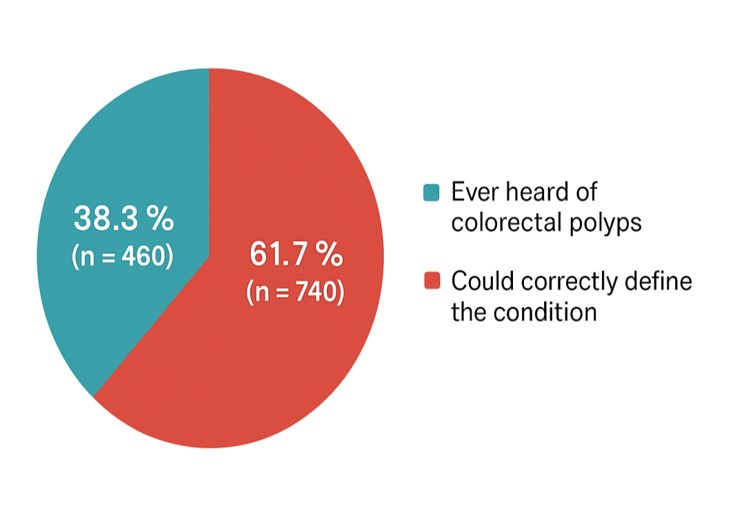
Figure 1A: Awareness of Colorectal Polyps
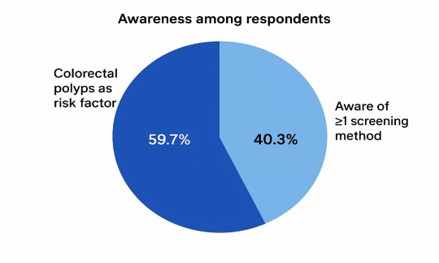
Figure 1B: Awareness by Educational Level
3.3 Screening Uptake and Attitudes among Respondents
Table 2 presents data on colorectal polyp screening behaviors and attitudes among 1,200 respondents. Only 27.5% (n = 330) of the total study sample (n = 1,200) reported having undergone screening. This percentage is not limited to participants above 50 years.”Among those screened, 45.5% did so quarterly, while 33.9% and 20.6% reported annual and biannual screening, respectively. This suggests that among the screened subgroup, a notable proportion maintained regular screening intervals.
Conversely, 72.5% (n = 870) of respondents had never been screened. The most cited barriers were lack of funds (17.6%), inaccessibility (10.8%), and non-availability of screening services (12.2%) as illustrated in figure 2. Notably, over half (51.9%) indicated lack of interest, underscoring a substantial gap in motivation or health literacy.
Among the 740 participants aware of colorectal polyps, only 42.2% recognized their potential to progress to colorectal cancer, while 34.3% had no such awareness, and 23.5% were uncertain. This reveals significant knowledge deficits, even among those with basic awareness.
Access to screening services varied; 14.5% reported no available centers, and 33.6% had access to only one. For the 633 respondents in areas with at least one center, perceptions of service effectiveness were mixed: 30.6% rated centers as passive, while 52.1% considered them active or very active. Lastly, only 9.3% reported a family history of bleeding polyps, while 25.3% were unsure, indicating a need for better family health communication and risk awareness.
Table 2: Screening Uptake and Attitudes among Respondents
|
Variables |
Frequency (n=1200) |
Percentage (%) |
|
Have you ever participated in a colorectal polyp screening? |
|
|
|
Yes |
330 |
27..5 |
|
No |
870 |
72.5 |
|
Total |
1200 |
100 |
|
If yes, how regularly have you been screened for polyps? |
|
|
|
Yearly |
112 |
33.9 |
|
Six monthly |
68 |
20.6 |
|
Three monthly |
150 |
45.5 |
|
Total |
330 |
100 |
|
If no, why have you not been screened for polyps? |
|
|
|
Lack of funds |
153 |
17.6 |
|
Proximity to the screening Centre |
60 |
6.9 |
|
Not accessible to us |
94 |
10.8 |
|
Screening not available at all |
106 |
12.2 |
|
Lack of interest Total |
452 870 |
51.9 100 |
|
Among those 740 aware of polyps, is there awareness that colorectal polyps may progress to colorectal cancer? |
|
|
|
Yes |
312 |
42.2 |
|
No |
254 |
34.3 |
|
No Idea |
174 |
23.5 |
|
Total |
740 |
100 |
|
Among the 740 participants who are aware of polyps, how many health or screening centers are available in your locality? |
|
|
|
None |
107 |
14.5 |
|
1 |
249 |
33.6 |
|
2 |
194 |
26.2 |
|
3 |
130 |
17.6 |
|
4 |
60 |
8.1 |
|
Total |
740 |
100 |
|
For the 633 participants with screening centres in their area, how effective are the health/screening centers? |
|
|
|
Active |
150 |
23.7 |
|
Very active |
178 |
28.4 |
|
Passive |
196 |
30.6 |
|
Very Passive |
109 |
17.2 |
|
Total |
633 |
100 |
|
Has any member of your family been diagnosed of a bleeding polyp before? |
|
|
|
Yes |
58 |
9.34 |
|
No |
409 |
65.40 |
|
No Idea |
158 |
25.26 |
|
Total |
740 |
100 |
Footnote:
Percentages calculated based on total sample size (n = 1,200). Screening was not restricted to older age groups
Figure 2: Reasons for Non-Participation in Colorectal Screening
3.4 Behavioral and Lifestyle Risk Factors among Respondents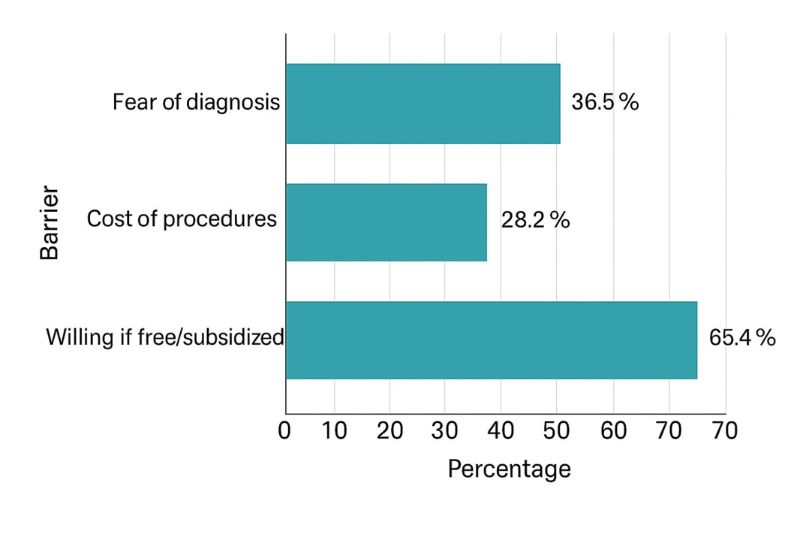 The findings from table3A indicate substantial lifestyle-related risk factors among respondents. Although 59.9% of participants reported engaging in physical activity at least two days a week, 20.7% rarely exercised, and 53.2% reported sedentary behavior due to constraints. High intake of red meat (32.3% "very often") and low consumption of a fiber-rich diet (only 22.7% reported a balanced meal) were noted. Furthermore, 35.5% were exposed to tobacco, and 40.6% consumed alcohol 2–3 times weekly.
Table 3a: Behavioral and Lifestyle Risk Factors among Respondents (n = 1200)
|
Variable |
Response Category |
Frequency (n) |
Percentage (%) |
|
Exercise Frequency |
Daily |
347 |
28.9 |
|
|
2–3 days/week |
372 |
31.0 |
|
|
Weekly |
157 |
13.1 |
|
|
Monthly |
76 |
6.3 |
|
|
Rarely |
248 |
20.7 |
|
Balanced Diet (Low Carb, High Fiber/Protein) |
Yes |
272 |
22.7 |
|
|
No |
475 |
39.6 |
|
|
No Idea |
453 |
37.7 |
|
Alcohol Consumption |
Daily |
112 |
9.3 |
|
|
2–3 times/week |
487 |
40.6 |
|
|
Weekly |
395 |
32.9 |
|
|
Monthly/Biweekly |
206 |
17.2 |
|
Smoking/Exposure to Smoke |
Yes |
426 |
35.5 |
|
|
No |
774 |
64.5 |
|
Red Meat Consumption |
Very often |
387 |
32.3 |
|
|
Sometimes |
301 |
25.1 |
|
|
Not at all |
512 |
42.6 |
|
Sedentary Behavior |
Yes |
638 |
53.2 |
|
|
No |
562 |
46.8 |
|
Daily Water Intake |
2 glasses |
405 |
33.8 |
|
|
2–5 glasses |
584 |
48.5 |
|
|
≥6 glasses |
211 |
17.7 |
|
Junk Food Consumption |
Yes |
273 |
22.8 |
|
|
No |
927 |
77.2 |
|
Weight (kg) |
40–60 |
555 |
46.3 |
|
|
61–70 |
311 |
25.9 |
|
|
71–90 |
249 |
20.8 |
|
|
≥91 |
85 |
7.1 |
|
Fruit Intake |
Very often |
550 |
45.8 |
|
|
Not quite often |
476 |
39.7 |
|
|
Not at all |
174 |
14.5 |
3.4.1 Family and Medical History-Related Risk Factors among Respondents
Concerning hydration and nutrition, only 17.7% consumed at least 6 glasses of water daily, while 22.8% consumed junk food frequently. Although 45.8% reported regular fruit intake, a notable 14.5% did not consume fruits at all as shown in Table 3b
From a medical standpoint, 58.3% had a personal or familial history of IBD, 65% reported ulcer, and 44.1% had upper GI issues. Over 70% reported elevated blood sugar or hypertension, and 18.2% had a family cancer history as illustrated in table 3b
Table 3b: Family and Medical History-Related Risk Factors among Respondents (n = 1200)
|
Variable |
Response Category |
Frequency (n) |
Percentage (%) |
|
Inflammatory Bowel Disease in Self/Family |
Yes |
700 |
58.3 |
|
|
No |
500 |
41.7 |
|
History of Cancer in Self/Family |
Yes |
218 |
18.2 |
|
|
No |
618 |
51.5 |
|
|
No Idea |
364 |
30.3 |
|
Elevated Blood Sugar or Hypertension |
Yes |
867 |
72.3 |
|
|
No |
333 |
27.7 |
|
Pile or Anal Surgery |
Yes |
325 |
27.1 |
|
|
No |
875 |
72.9 |
|
Ulcer History in Self/Family |
Yes |
780 |
65.0 |
|
|
No |
420 |
35.0 |
|
Upper GI Issues in Self/Family |
Yes |
529 |
44.1 |
|
|
No |
671 |
55.9 |
3.5 Digital Literacy and Attitudes toward Innovative Screening Tools
Less than half (46.8%) of respondents owned smart phones or had ever used digital health services. However, a significant proportion (71.3%) indicated openness to non-invasive screening tools (e.g., stool-based DNA test) if recommended by healthcare professionals as illustrated in figure 3 below.
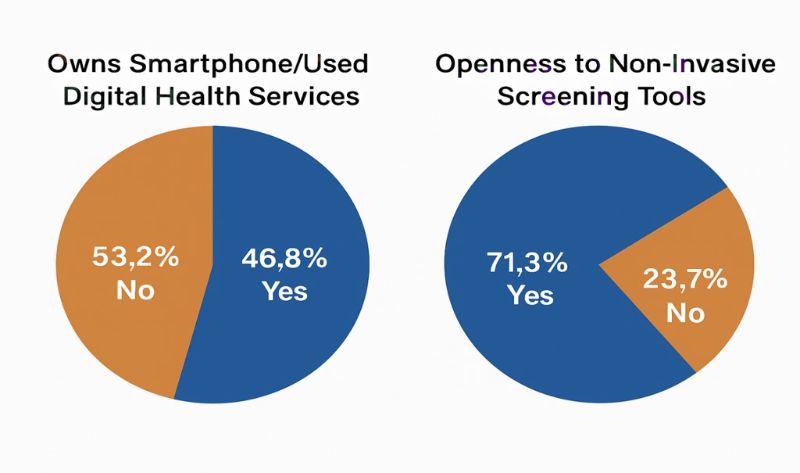
Figure 3: Willingness to Use Innovative Screening Technologies (Survey data on digital health trends)
3.6 Bivariate and Multivariate Analysis
Bivariate analysis revealed significant associations between polyp awareness and tertiary education (χ² = 43.7, p < 0.001), urban residence (χ² = 27.5, p < 0.001), and prior health check-ups (χ² = 21.4, p = 0.002). Multivariate logistic regression identified tertiary education (AOR = 3.42; 95% CI: 2.14–5.47), urban residence (AOR = 2.26; 95% CI: 1.49–3.45), and previous digital health exposure (AOR = 1.76; 95% CI: 1.15–2.68) as independent predictors of awareness as illustrated in table 4
Table4. Bivariate Associations and Multivariate Predictors of Awareness of Colorectal Polyps among Respondents (n = 1200)
|
Variable |
Bivariate Analysis χ² (p-value) |
Adjusted Odds Ratio (AOR) |
95% Confidence Interval (CI) |
|
Education Level |
χ² = 43.7 (p < 0.001) |
3.42 |
2.14 – 5.47 |
|
Residence (Urban vs Rural) |
χ² = 27.5 (p < 0.001) |
2.26 |
1.49 – 3.45 |
|
Previous Health Check-Up |
χ² = 21.4 (p = 0.002) |
– |
– |
|
Previous Digital Health Exposure |
Not included in bivariate table |
1.76 |
1.15 – 2.68 |
Discussion
This study provides critical insights into the awareness, risk perception, and screening attitudes regarding colorectal polyps among adults in Imo State, Nigeria. The findings reveal that only 38.3% of respondents had ever heard of colorectal polyps, indicating a substantial knowledge gap in the population. This level of awareness is considerably lower than reports from more developed settings, where awareness often exceeds 70% due to widespread health campaigns and routine screening programs (3, 4).
Educational attainment and urban residence were significantly associated with higher awareness, reflecting the influence of social determinants on health literacy. This is consistent with existing literature showing that individuals in urban areas and with higher education levels tend to have better access to health information and preventive services (5). The digital divide manifested in low Smartphone usage and limited digital health engagement (46.8%) further underscores the need for targeted communication strategies that reach digitally and economically marginalized populations.
Despite the low baseline awareness, the study found that a substantial proportion of respondents (71.3%) were open to using non-invasive screening methods such as stool-based DNA tests if recommended by a healthcare provider. This reflects a latent readiness to engage in preventive health behavior when appropriately guided. Similar trends have been observed in other low- and middle-income countries, where healthcare provider recommendation remains a strong predictor of screening uptake (6, 7).
Barriers to screening reported in this study particularly fear of diagnosis (36.5%) and cost of procedures (28.2%) mirror findings from multiple global studies. Fear of a cancer diagnosis and its perceived implications can deter individuals from seeking timely screening, especially in contexts where treatment is costly or stigmatized (8, 9). The cost barrier is especially pronounced in Nigeria, where out-of-pocket health expenditures remain high and CRC screening is not routinely covered under national health insurance schemes (10). These findings highlight the urgent need for subsidized or free screening services, especially for high-risk populations.
Notably, the study identified a high prevalence of modifiable risk factors, including poor dietary habits, tobacco use, alcohol consumption, and limited physical activity. These findings align with established evidence that lifestyle factors contribute significantly to the development of colorectal polyps and subsequent colorectal cancer (10). In Nigeria, the ongoing nutrition transition marked by increased consumption of processed foods and reduced fiber intake may further elevate population-level risk.
The willingness of respondents to undergo screening if the procedure is subsidized suggests that financial accessibility could significantly improve screening uptake. Public health interventions that reduce costs, coupled with culturally sensitive education campaigns and trust-based engagement through healthcare professionals, may catalyze behavior change and improve early detection outcomes.
Furthermore, integrating CRC education and screening into existing primary healthcare and non-communicable disease (NCD) frameworks could enhance program sustainability (11). Leveraging community health workers and local influencers to disseminate information and facilitate referrals may also prove effective in low-resource settings (12).
Conclusion
In sum, the study underscores a paradoxical yet promising scenario: while awareness of colorectal polyp’s remains low, openness to screening particularly non-invasive and professionally endorsed methods is high. Tackling structural and informational barriers through policy, education, and innovation offers a viable path toward reducing the burden of colorectal cancer in Nigeria and similar settings.
Recommendations
Limitations:
The limitation of this study includes, its cross-sectional design, which limits causal inference, and potential self-reporting bias. However, the large sample size and robust sampling strategy enhance the generalizability of findings within the state.
Acknowledgements
We thank the Imo State Ministry of Health, participating health facilities, and the study participants for their support.
Funding: This research received no external funding.
Conflict of interest: The authors declare no conflict of interest.



Open Access By Aditum Open Access Journals id licensed under Creative Commons Attribution 4.0 International License. Based On a Work at aditum.org


