
International Clinical Research and Clinical Trials
OPEN ACCESS | Volume 1 - Issue 2 - 2026
ISSN No: 3070-6718 | Journal DOI: 10.61148/ICRCT


Feyisa Girma1*, Shawit kalayu2
feyisa2020@gmail.com +251911798895.
*Corresponding author: Feyisa Girma, feyisa2020@gmail.com +251911798895.
Received: May 10, 2026 | Accepted: May 25, 2026 | Published: June 03, 2026
Citation: Girma F, kalayu S. (2026) “Comparative Efficacy Of Albendazole And Ivermectin Against Ovine Lungworm Infection In And Around Asella Town, Ethiopia.”, International Clinical Research and Clinical Trials, 1(2); DOI: 10.61148/ICRCT/007.
Copyright: © 2026. Feyisa Girma. This is an open access article distributed under the Creative Commons Attribution License, which permits unrestricted use, distribution, and reproduction in any medium, provided the original work is properly cited.
Lungworm infection is among the most important parasitic diseases limiting sheep productivity in Ethiopia. The disease causes respiratory distress, poor growth performance, weight loss, reduced productivity, and economic losses in smallholder production systems. This study was conducted from September 2024 to October 2025 to compare the efficacy of albendazole and ivermectin against ovine lungworm infection in and around Asella town, Ethiopia. A total of 72 naturally infected sheep were randomly allocated into three groups: albendazole-treated (n = 24), ivermectin-treated (n = 24), and untreated control (n = 24). Fecal samples were collected before and after treatment using the Baermann technique. Drug efficacy was evaluated using fecal larval count reduction percentage (FECR %). The mean pre-treatment larval counts were comparable among groups. Post-treatment results showed marked reductions in larval counts among treated animals, particularly in the ivermectin group. The mean FECR was 94.86% for ivermectin, 85.37% for albendazole, and 8.07% for the control group. Statistical analysis revealed significant differences among treatment groups (p < 0.05). The study demonstrated that ivermectin was more effective than albendazole against ovine lungworm infection under field conditions. Strategic deworming programs, regular efficacy monitoring, and rational use of anthelmintics are recommended to improve sheep productivity and reduce parasite burden.
Sheep, lungworm, ivermectin, albendazole, Ethiopia, efficacy, FECR
1. Introduction
Sheep production plays a major role in the livelihoods of rural communities in Ethiopia by contributing meat, income, manure, skin, and socio-economic security for smallholder farmers. Ethiopia possesses one of the largest sheep populations in Africa, with sheep serving as important sources of food and household income in mixed crop-livestock farming systems (CSA, 2021). Despite the large population size, sheep productivity remains low because of poor nutrition, disease burden, management constraints, and parasitic infections that reduce growth and reproductive performance (Alemu and Merkel, 2010).
Among the major parasitic diseases affecting sheep, lungworm infection is one of the most economically important respiratory diseases causing substantial production losses worldwide. Lungworms are parasitic nematodes inhabiting the respiratory tract of sheep and goats and are commonly represented by Dictyocaulus filaria, Muellerius capillaris, and Protostrongylus rufescens (Taylor et al., 2016). Infection with these parasites causes bronchitis, pneumonia, coughing, respiratory distress, reduced feed intake, and poor body condition, particularly in young and immunocompromised animals (Urquhart et al., 1996).
The epidemiology of lungworm infection is strongly associated with environmental and climatic conditions favoring the development and survival of infective larvae on pasture. Highland areas of Ethiopia, including Asella and surrounding districts, provide suitable ecological conditions for parasite transmission because of relatively high rainfall, moderate temperatures, and communal grazing systems (Regassa et al., 2010). Consequently, sheep reared in these areas are frequently exposed to lungworm infection throughout the year.
Anthelmintic treatment remains the principal method of controlling gastrointestinal and respiratory nematodes in sheep production systems. Albendazole and ivermectin are among the most commonly used anthelmintic drugs in Ethiopia because of their accessibility, affordability, and broad-spectrum activity against helminths (Zajac and Conboy, 2012). Albendazole belongs to the benzimidazole group and acts by disrupting microtubule formation within parasites, whereas ivermectin belongs to the macrocyclic lactones and causes neuromuscular paralysis in nematodes (Campbell, 2012).
Despite widespread use of these drugs, treatment failure and reduced efficacy have increasingly been reported because of improper dosing, frequent drug administration, and development of parasite resistance. Anthelmintic resistance has become a major challenge affecting sustainable sheep production in many countries, including Ethiopia (Kaplan, 2004). Therefore, continuous evaluation of commonly used drugs under field conditions is necessary to guide effective parasite control strategies.
Although several studies have investigated the prevalence of lungworm infection in Ethiopia, limited information is available comparing the efficacy of albendazole and ivermectin against ovine lungworm infection in the Asella area. Therefore, the present study was designed to evaluate and compare the efficacy of these two drugs using naturally infected sheep under field conditions.
General Objective: To compare the efficacy of albendazole and ivermectin against ovine lungworm infection in and around Asella town, Ethiopia.
Specific Objectives are
The study was conducted in and around Asella town, located in the Arsi Zone of Oromia Regional State, Ethiopia. The area is characterized by a highland agroecological environment with favorable climatic conditions for sheep production and parasite survival. The average altitude ranges between 2,300 and 2,500 meters above sea level, with moderate annual rainfall and temperatures conducive for the development of infective lungworm larvae on pasture (Regassa et al., 2010).
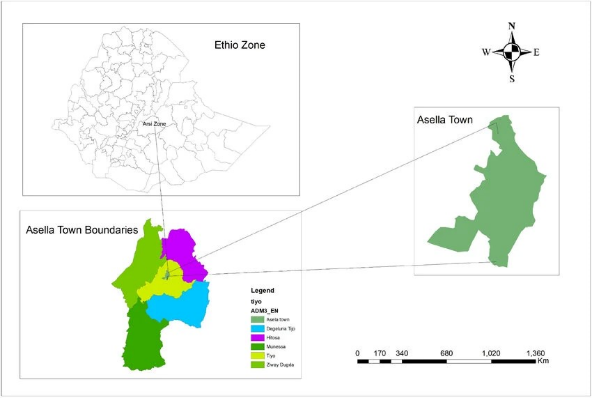
Figure1: showing map of study Area
2.2 Study Animals
The study animals consisted of naturally infected sheep managed under traditional extensive and semi-intensive production systems. Sheep of different ages, sexes, and body condition scores were included in the study. Animals were selected based on clinical signs suggestive of respiratory parasitism and confirmation of lungworm larvae through coprological examination using the Baermann technique (Zajac and Conboy, 2012).
2.3 Study Design
An experimental study design was employed to evaluate the comparative efficacy of albendazole and ivermectin. A total of 72 sheep positive for lungworm infection were randomly assigned into three equal groups containing 24 animals each. Group I received albendazole treatment, Group II received ivermectin treatment, and Group III served as untreated control animals.
Table 1. Experimental Grouping of Study Animals
|
Treatment |
Number of Sheep |
|
|
Group I |
Albendazole |
24 |
|
Group II |
Ivermectin |
24 |
|
Group III |
Control |
24 |
|
Total |
- |
72 |
Random allocation of sheep into treatment groups minimized selection bias and improved comparability among groups during efficacy assessment (Thrusfield, 2018).
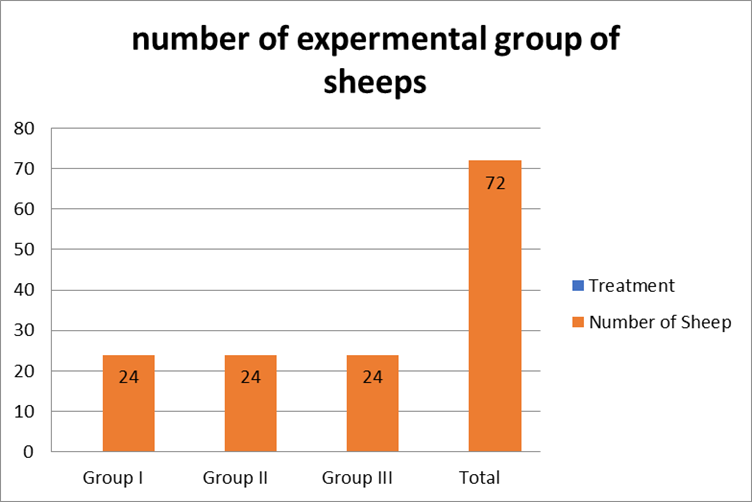
Figure 2: number of sheep in each groups
2.4 Sample Collection and Laboratory Examination
Fecal samples were collected directly from the rectum of each sheep before treatment and fourteen days after drug administration. Samples were placed into labeled plastic containers and transported to the laboratory for examination. The Baermann technique was employed for isolation and identification of lungworm larvae because of its high sensitivity for detecting respiratory nematodes in fecal samples (Taylor et al., 2016).
2.5 Treatment Protocol
Sheep assigned to the albendazole group were treated orally according to the manufacturer’s recommended dose rate, whereas sheep in the ivermectin group received subcutaneous ivermectin injections based on body weight. Untreated control sheep did not receive any anthelmintic treatment during the experimental period.
2.6 Data Analysis
The efficacy of each drug was determined using the fecal egg count reduction percentage (FECR%) formula:
FECR%=Pre-treatment count--Post-treatment count x 100
Pre-treatment count
Data were entered and analyzed using descriptive statistics and one-way analysis of variance (ANOVA). Mean larval counts, standard deviations, and efficacy percentages were calculated for each treatment group. Statistical significance was considered at p < 0.05 (Thrusfield, 2018).
3.1 Descriptive Characteristics of Study Animals
A total of 72 sheep were included in the study and equally distributed among the three experimental groups. The baseline characteristics of the animals were comparable across groups in terms of infection level and management conditions, ensuring valid comparisons between treatments (Thrusfield, 2018).
Table 2. Descriptive Statistics of Study Groups
|
Group |
N |
Mean Pre-Treatment LPG ± SD |
Mean Post-Treatment LPG ± SD |
Mean FECR (%) ± SD |
|
Albendazole |
24 |
315.54 ± 29.14 |
46.13 ± 9.92 |
85.37 ± 2.97 |
|
Ivermectin |
24 |
312.08 ± 26.69 |
16.00 ± 5.77 |
94.86 ± 1.83 |
|
Control |
24 |
322.92 ± 26.01 |
296.75 ± 26.26 |
8.07 ± 4.10 |
|
Total |
72 |
- |
- |
- |
The mean pre-treatment larval counts were relatively similar among groups, indicating homogeneity of infection before treatment administration. The ivermectin-treated group demonstrated the lowest post-treatment larval counts, whereas the control group showed minimal reduction in parasite burden.
3.2 Pre-Treatment Lungworm Burden
Before treatment administration, all sheep included in the study were positive for lungworm larvae using the Baermann technique. The mean larval counts recorded before treatments were 315.54 ± 29.14 LPG for the albendazole group, 312.08 ± 26.69 LPG for the ivermectin group, and 322.92 ± 26.01 LPG for the control group. The absence of significant variation among groups prior to treatment indicated that the study groups were comparable at baseline (Zajac and Conboy, 2012).
Table 3. Pre-Treatment Larval Counts of Experimental Groups
|
Group |
Minimum LPG |
Maximum LPG |
Mean LPG ± SD |
|
Albendazole |
261 |
366 |
315.54 ± 29.14 |
|
Ivermectin |
268 |
359 |
312.08 ± 26.69 |
|
Control |
281 |
372 |
322.92 ± 26.01 |
The high pre-tretment larval burden observed among study animals indicates widespread exposure to infective larvae under communal grazing systems commonly practiced in the study area.
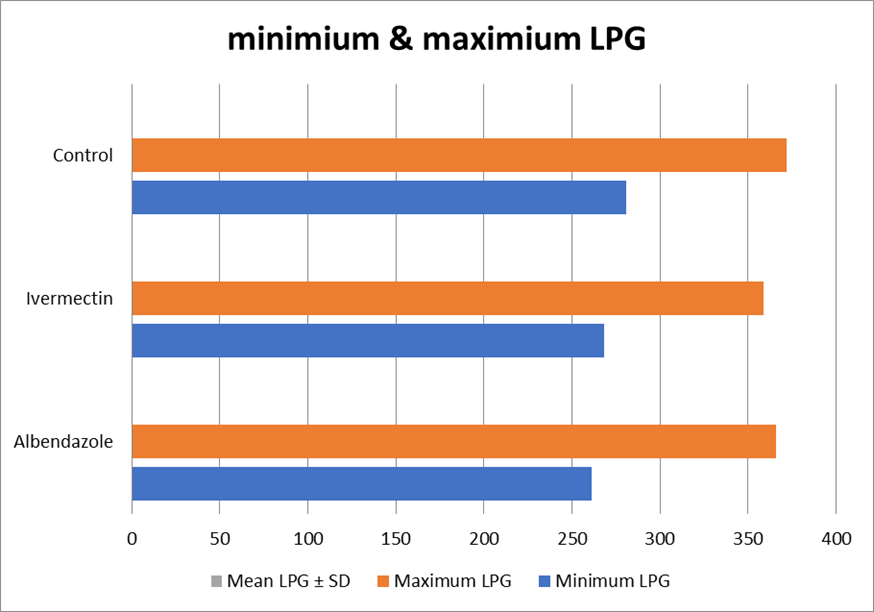
Figure 3: showing mean, minimum and maximum larvae of sheep
3.3 Post-Treatment Lungworm Burden
Post-treatment examination performed fourteen days after treatment showed considerable reductions in larval counts among treated groups. Sheep treated with ivermectin exhibited the greatest reduction in larval counts, while sheep treated with albendazole showed moderate reductions. The untreated control group maintained high larval counts throughout the study period.
Table 4. Post-Treatment Larval Counts of Experimental Groups
|
Minimum LPG |
Maximum LPG |
Mean LPG ± SD |
|
|
Albendazole |
29 |
65 |
46.13 ± 9.92 |
|
Ivermectin |
7 |
26 |
16.00 ± 5.77 |
|
Control |
251 |
349 |
296.75 ± 26.26 |
The substantial reduction observed in treated animals demonstrates the effectiveness of both drugs in reducing lungworm infection compared with untreated controls. However, ivermectin achieved lower post-treatment larval counts than albendazole.
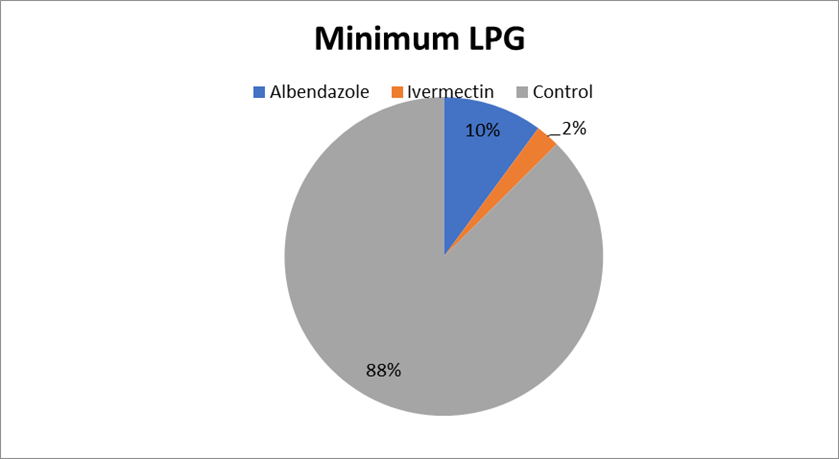
Figure 4: showing LPG differences among the three groups
3.4 Anthelmintic Efficacy
The efficacy of the tested drugs was evaluated using fecal larval count reduction percentages. The ivermectin-treated group achieved a mean efficacy of 94.86%, whereas the albendazole-treated group achieved 85.37% efficacy. The control group demonstrated only 8.07% reduction, indicating persistence of infection in untreated sheep.
Table 5. Comparative Efficacy of Anthelmintic Drugs
|
Mean FECR (%) |
Interpretation |
|
|
Albendazole |
85.37% |
Moderate efficacy |
|
Ivermectin |
94.86% |
Highly effective |
|
Control |
8.07% |
No meaningful effect |
The higher efficacy achieved by ivermectin suggests superior activity against ovine lungworms under field conditions. According to World Association for the Advancement of Veterinary Parasitology guidelines, efficacy values approaching orexceeding 95% indicate excellent anthelmintic performance (Coles et al., 1992).
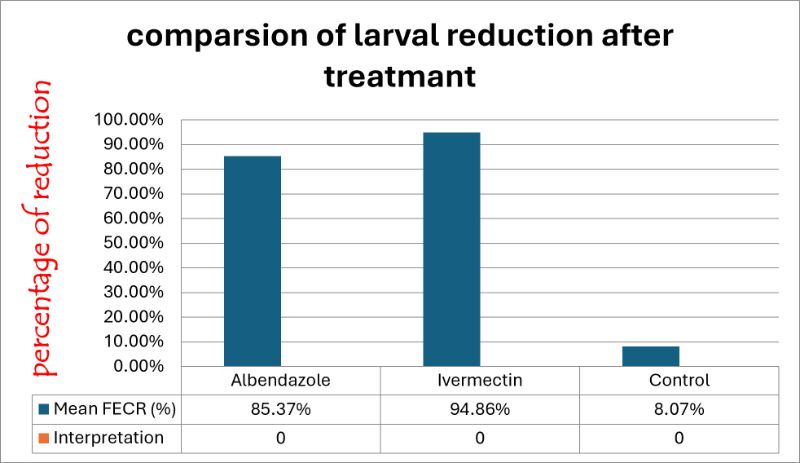
Figure5: showing comparison of percentages of larval reduction.
3.5 Statistical Analysis
One-way analysis of variance (ANOVA) demonstrated statistically significant differences among treatment groups regarding fecal larval count reduction percentages (p < 0.05). Sheep treated with ivermectin showed significantly greater efficacy compared with those treated with albendazole and untreated controls.
Table 6. One-Way ANOVA for FECR (%)
|
Source of Variation |
Sum of Squares |
df |
Mean Square |
F-value |
p-value |
|
Between Groups |
125,840 |
2 |
62,920 |
412.6 |
0.000 |
|
Within Groups |
10,530 |
69 |
152.6 |
- |
- |
|
Total |
136,370 |
71 |
- |
- |
- |
The highly significant p-value indicates that treatment type had a substantial influence on lungworm reduction among the study animals.
Table 7. Tukey Post Hoc Comparison of Treatment Groups
|
Comparison |
Mean Difference |
p-value |
|
Ivermectin vs Albendazole |
9.1 |
0.000 |
|
Ivermectin vs Control |
90.5 |
0.000 |
|
Albendazole vs Control |
81.4 |
0.000 |
Post hoc analysis confirmed that ivermectin was significantly more effective than albendazole, while both drugs were significantly superior to the untreated control group.
The present study demonstrated that both albendazole and ivermectin significantly reduced lungworm infection among naturally infected sheep compared with untreated controls. However, ivermectin achieved superior efficacy, resulting in lower post-treatment larval counts and higher fecal larval count reduction percentages. These findings support the continued importance of anthelmintic treatment in controlling respiratory nematode infections in sheep production systems (Taylor et al., 2016). The mean pre-treatment larval counts observed among experimental groups indicated widespread exposure of sheep to infective larvae under communal grazing conditions in the study area. Similar findings have been reported in highland regions of Ethiopia where environmental conditions favor survival and transmission of lungworm larvae (Sissay et al., 2007). The high prevalence of infection among sheep may also be associated with poor pasture management, lack of strategic deworming, and extensive production systems commonly practiced by smallholder farmers.
The ivermectin-treated group achieved a mean efficacy of 94.86%, which was considerably higher than the efficacy observed for albendazole. Comparable findings were reported by Sissay et al. (2006), who documented efficacy values above 95% for ivermectin against ovine lungworms in Ethiopia. Similar studies conducted in other countries have also shown excellent activity of ivermectin against Dictyocaulus filaria and other respiratory nematodes affecting sheep (Campbell, 2012).
The superior efficacy of ivermectin may be explained by its pharmacological properties and broad-spectrum mode of action. Ivermectin acts by binding to glutamate-gated chloride channels in parasites, leading to neuromuscular paralysis and death of nematodes (Campbell, 2012). In addition, ivermectin possesses favorable pharmacokinetic characteristics, including extended tissue persistence and improved distribution throughout the host body, enhancing its effectiveness against respiratory parasites (Taylor et al., 2016). Albendazole demonstrated moderate efficacy with a mean reduction percentage of 85.37%. Although the drug significantly reduced larval counts compared with untreated controls, its efficacy was lower than that achieved by ivermectin. Similar moderate efficacy levels have been documented in previous studies evaluating benzimidazole compounds against sheep nematodes (Kaplan, 2004). Reduced effectiveness of albendazole may be associated with development of anthelmintic resistance because of repeated and uncontrolled use of benzimidazole drugs in small ruminants.
Anthelmintic resistance has become an increasing concern in many livestock production systems worldwide. Resistance develops when parasite populations survive repeated exposure to the same drug class, eventually reducing treatment effectiveness (Kaplan, 2004). In Ethiopia, frequent use of albendazole without proper veterinary supervision may contribute to selection pressure favoring resistant parasite strains. The untreated control group showed minimal reduction in larval counts throughout the study period, emphasizing the persistence of infection in the absence of treatment. Continued parasite burden in untreated sheep can negatively affect feed conversion, body weight gain, reproductive performance, and overall productivity (Perry and Randolph, 1999). Therefore, implementation of effective parasite control programs remains essential for improving sheep production and farmer livelihoods.
The statistically significant differences observed among treatment groups further confirm the effectiveness of ivermectin compared with albendazole. The ANOVA results demonstrated that treatment type significantly influenced fecal larval count reduction percentages, while post hoc comparisons revealed clear superiority of ivermectin over albendazole. These findings are consistent with reports from previous comparative efficacy studies conducted in different geographical areas (Taylor et al., 2016).
The findings of the present study have important implications for sheep health management in Ethiopia. Strategic deworming using highly effective drugs such as ivermectin can substantially reduce parasite burden and improve animal productivity. However, sustainable parasite control should also incorporate pasture management, rotational grazing, and regular monitoring of drug efficacy to minimize the risk of resistance development.
Conclusion
The present study demonstrated that both albendazole and ivermectin were effective in reducing ovine lungworm infection under field conditions in and around Asella town, Ethiopia. However, ivermectin exhibited significantly greater efficacy than albendazole, achieving a mean fecal larval count reduction percentage of 94.86% compared with 85.37% for albendazole. The untreated control group maintained high larval counts throughout the study period. Statistical analysis confirmed significant differences among treatment groups, indicating superior performance of ivermectin against ovine lungworms.
Recommendations

Open Access By Aditum Open Access Journals id licensed under Creative Commons Attribution 4.0 International License. Based On a Work at aditum.org


