
Nursing and Healthcare Research
OPEN ACCESS | Volume 3 - Issue 1 - 2026
ISSN No: 3065-7679 | Journal DOI: 10.61148/3065-7679/NHR


Bikila Jiregna
Lecturer at Department of Midwifery College of Health Science, Mattu University, Mattu town, Oromiya region, Ethiopia.
Corresponding author: Bikila Jiregna, Lecturer at Department of Midwifery College of Health Science, Mattu University, Mattu town, Oromiya region, Ethiopia.
Received: August 20, 2026 | Accepted: September 07, 2026 | Published: September 14, 2026
Citation: Jiregna B., (2026) “Prevalence of Intimate Partner Violence and Associated Factors among Mothers Attending Maternal and Child Health Department at Public Health Facilities in Ilubabor Zone Oromia Region, Southwest Ethiopia” Nursing and Healthcare Research, 3(1); DOI: 10.61148/3065-7679/NHR/034.
Copyright: © 2026 Bikila Jiregna. This is an open access article distributed under the Creative Commons Attribution License, which permits unrestricted use, distribution, and reproduction in any medium, provided the original work is properly cited.
Background: Intimate partner violence (IPV) is a major public health and human rights problem that affects women’s physical, psychological, sexual, and reproductive health regardless of age, education, or socioeconomic status. In Ethiopia, IPV remains highly prevalent, particularly during the postpartum period, yet evidence on extended postpartum IPV and its determinants is still limited.
Objective: To assess the prevalence of extended postpartum intimate partner violence and associated factors among mothers who gave birth in the past one year in Mattu town, Ilu Ababor Zone, Southwest Ethiopia.
Methods: A facility-based cross-sectional study was conducted among 422 postpartum women. Systematic random sampling was used to select participants. Data were collected using a structured interviewer-administered questionnaire. Multivariable logistic regression analysis was performed to identify factors associated with intimate partner violence.
Results: Women with single marital status were 54% less likely to be victims of intimate partner violence compared to married women [AOR = 0.543, 95% CI (0.385, 0.8274)]. Women who used alcohol were 4 times more likely to experience IPV compared to their counterparts [AOR = 4.402, 95% CI (3.266, 7.607)]. Women with monthly income less than 2000 ETB were 4.5 times more likely to experience IPV compared to those with income above 4000 ETB [AOR = 4.500, 95% CI (1.458, 13.887)]. Women who did not use substances were 63% less likely to experience IPV compared to substance users [AOR = 0.376, 95% CI (0.243, 0.573)].
Conclusion: The study identified marital status, income, substance use, alcohol consumption, educational status, age, and women’s decision-making power as significant determinants of intimate partner violence. Strengthening women’s empowerment, reducing substance use, and improving socioeconomic conditions are essential to reduce IPV among postpartum women in the study area.
Intimate partner violence, maternal and child health, Public health facilities
Intimate partner violence(IPV) is a pervasive social and public health issue that endangers women's physical, emotional, sexual, and reproductive health irrespective of their age, education, economic status, race, religion, ethnicity, or sexual orientation(1, 2). It is a broad concept which can be explained in many forms, including physical violence, sexual violence, economical violence, control of behavior, and psychological violence between two intimate relationships(3).
Physical IPV is the condition which an intimate partner are threatened with intentional use of force for the reason of causing hurt, death, and disability(3), and sexual IPV is an act of sexual attempt by an intimate partner like forced sex, practicing sex due to fear of the partner and doing something sexual without the interest of women(3). Psychological IPV is the act of insulting, humiliating, belittling, and threat to take the child from his wife, and control of behavior is explained when women prevented from visiting her family of birth, friends and insisting to know where she go every time(4). Whereas economical violence is the condition by which the husband takes the women earning, and prevents money for household expenses(3).
The interval between the birth of a viable baby and twelve months after delivery is known as the extended postpartum period. Postpartum period can be divided into two categories: early postpartum period, which lasts from birth to six weeks, and late postpartum period, which lasts from six weeks to twelve months following delivery. During postpartum period there were significant physiological changes in the life of women. Furthermore, it was a period of significant psychosocial change as she adjusted to motherhood, reestablished relationships, and worked to meet the physical and emotional demands of her infant and family members. As a result, postpartum women's quality of life will be impacted, potentially leading to conflicts between intimate partners (5-6). Intimate partner violence can endanger women in the short and long term, resulting in temporary or permanent effects, as well as death in some situations(4). Intimate partner violence against women of reproductive age is a public health issue that has attracted scientific and political attention(7). Women of all ages can be victims of intimate partner violence, but it is especially common during pregnancy and the postpartum period(10). Postpartum intimate partner violence is very common i.e. delivery is not protective of intimate partner violence(9, 10).
Intimate partner violence (IPV) is one of the most common forms of violence against women (VAW), and includes physical, sexual, and emotional abuse as well as controlling behaviors by an intimate partner. It is a widespread, yet understudied social and health problem that occurs worldwide and worsen during times of crisis [25,26]. According to the World Health Organization’s report of 2021, nearly 307 million partnered women suffered from IPV in the year preceding the study. Concerning region specific estimates, IPV in 12 months is most prevalent in least developed countries (22%). Sub-Saharan Africa (20%) and Southern Asia (19%) have the next highest prevalence rates of past 12 months IPV, followed by Northern Africa (15%) and Western Asia (13%) [26]. Studies showed the continued existences of IPV among partnered women in Ethiopia, where nearly half of such women experienced the problem in a year [27]. The recent report from the Ethiopian Demographic and Health Survey EDHS) found the prevalence of lifetime IPV among partnered Ethiopian women to be 34%. The 12 month prevalence of IPV among these women was 27% [28].
Postpartum intimate partner violence is an act of violence that occurs between couples in a romantic relationship after child birth. Globally, in their lifetime 27% of ever married women aged from 15 to 49 years have experienced sexual and or physical violence by intimate partners or sexual violence by any agent(1), and the overall lifetime prevalence of IPV range from 16% to 23% in high-income countries; in Southern Asia 35% and in Sub-Saharan Africa it was 33%(1). Postpartum intimate partner violence was reported by 33.8% of women after childbirth in United States of America, from this 47.2% of them had never experienced it before delivery(11).
The severity of postpartum intimate partner violence (PPIPV) was highest in both high and low-income countries. Studies conducted in Australia(12) and Brazil(13) show that the magnitude of the problem ranges from 17.4% to 51.2%. In addition to this studies conducted in countries like India(14), Nepal(15), Bangladesh(16), and Iran(9) revealed that postpartum women were exposed to a wide range of PPIPV which range from 18% to 58%, and require specific attention. As evidenced from some studies conducted among postpartum mothers in African countries such as, Zambia(17), Tanzania(18), and Ghana(19) magnitude of PPIPV ranges from 8.1% to 46%. In Ethiopia, the overall prevalence of IPV during prenatal period was 37%, with the highest rates of 50.7% in Oromia region and 12% in South Nation Nationalities peoples Ethiopia(20).
Intimate partner violence leads serious consequences on the maternal and infant health during postpartum period. The WHO report revealed that 38% of the women who were the victims of IPV were committing suicide(4), which was severe consequence. It has a significant maternal morbidity like anxiety(21), low self-esteem(13), and suicide ideation(22). Women who were exposed to IPV were at increased risk to sexually transmitted infection like Human Immune Virus(HIV) which was around five times higher than their counter parts(23), and at higher risk of cervical cancer(24).
Some studies have identified factors that are linked to IPV during the postnatal period like the husband's age(14, 18) and educational level(30), living in extended family(30), the husband’s substance usage(31) and violent conduct(32). But there was no adequate data on PPIPV, and how it may be related to women's health issues(33,34). Different international organizations have planned to prevent, and how to overcome intimate partner violence across the world. Center for Disease Prevention and Control(CDC) have developed a technical package which have seven strategy to prevent IPV, and its consequence throughout the women’s life time(35). In addition to this WHO have recommended screening of postpartum women for any type of IPV(36). Prenatal care provides a golden opportunity for healthcare providers to identify cases of violence against women, provide appropriate counseling, and intervene(40). The Ethiopian government have addressed it in health sector transformation plan two since it is strong political agenda and women health problem worldwide(37).
Postpartum period is the most essential period in the life of the mother, and infant. Postpartum care can be used by healthcare workers and community health extension workers to assess IPV against women. Furthermore, health care professional can plan for prevention through proper partner and community education about the problem, and its consequences. Even though there are several studies conducted on intimate partner violence during pregnancy, there was major gaps on postpartum intimate partner violence in Ethiopia. In addition to this majority of the studies conducted on IPV were not focused on control of behavior, and economic violence in both high- and low-income countries as a part of IPV and it will be included in this study. Therefore, the goal of this study is to assess prevalence of extended postpartum intimate partner violence and associated factors in the study area.
Study area and design
The study was conducted in Mattu town Ilubabor zone Public facilities, Oromia Regional State of southwest Ethiopia. Which is located approximately 600 kilometers southwest of Addis Ababa, the capital city of Ethiopia. According to municipal administrative records, the town has an estimated 16,167 households and 14,164 women of reproductive age. Public healthcare services in the town are provided through three government health facilities; a referral hospital and primary health care units, which collectively serve the healthcare needs of the local population. An institution based Cross-sectional study design were employed from January 1, 2026 to February 1, 2026.
A randomly selected mothers who gave birth in the past 12 months and on postpartum follow up at health public facilities in Mattu town.
Inclusion and Exclusion Criteria
The study included all ever-partnered mothers attending postpartum follow-up services at the selected health facilities during the study period. Mothers who were critically ill and unable to participate in the interview during the data collection period, as well as those who declined to provide informed consent, were excluded from the study.
Sample Size Determination and Sampling Technique
Mattu Town is administratively divided into five kebeles, all of which were included in the study. A preliminary household enumeration was conducted in each kebele to identify households with eligible participants. Following the enumeration, the required sample size was proportionally allocated to each kebele based on the number of eligible households. Study participants were then selected using a systematic random sampling technique. The sampling interval (K) was determined by dividing the total number of eligible households by the required sample size and was found to be two. The first household was selected randomly using a lottery method, after which every second eligible household was included in the study until the allocated sample size was achieved.
Variables of the Study
Data collection instruments and techniques
Operational Definitions
Intimate Partner Violence (IPV): In this study, a woman was considered to have experienced intimate partner violence if she reported experiencing at least one act of physical, sexual, or psychological (emotional) violence, or any combination of these forms of violence, perpetrated by a current or former intimate partner during the specified reference period (14).
Intimate Partner: Refers to a current husband, cohabiting partner (a man living with a woman in an intimate relationship without formal marriage), or boyfriend.
Sexual Violence: Refers to any act in which a woman is forced to engage in sexual intercourse against her will, has sexual relations due to coercion or intimidation, or is compelled to perform degrading or unwanted sexual acts by an intimate partner (26).
Physical Violence: Refers to the intentional use of physical force by an intimate partner that may result in injury, harm, disability, or death. Examples include slapping, pushing, punching, kicking, beating with an object, twisting the arm, choking or strangulation, and threatening or attacking with a weapon such as a knife or gun (7).
Psychological (Emotional) Violence: Refers to acts that undermine a woman’s emotional well-being, self-worth, or mental health, including intimidation, threats of abandonment or harm, verbal insults, humiliation, controlling behaviors, restriction of movement, social isolation, confinement to the home, and withholding financial resources or support.
Data quality assurance
Data quality was ensured through a series of standardized procedures consistent with established research guidelines for survey data collection. The questionnaire was translated from English into Afan Oromo by language experts and then back-translated into English to ensure semantic consistency and conceptual equivalence. A pretest was conducted on 5% of the total sample size in health facilities outside Mettu Town to assess clarity, sequence, and comprehensibility of the questions, and necessary modifications were made based on the findings prior to the actual data collection. Data collectors and supervisors were trained intensively on the study objectives, interview techniques, ethical considerations, and standard data collection procedures to ensure uniformity in data collection. During fieldwork, close supervision, daily review of completed questionnaires, and cross-checking for completeness and consistency were performed to minimize errors and missing information. These procedures were implemented in line with standard epidemiological and survey research quality assurance guidelines (Creswell and Creswell, 2018; Kothari, 2004)
Data Analysis procedures
Data were checked for completeness, consistency, and accuracy before entry into EpiData version 4.6 and subsequently exported to SPSS version 26 for analysis. Descriptive statistics, including frequencies, percentages, means, and standard deviations, were used to summarize participants’ socio-demographic, socioeconomic, behavioral, and reproductive health characteristics. The prevalence of intimate partner violence was presented using frequencies and percentages with corresponding 95% confidence intervals.
Bivariable logistic regression analysis was performed to assess the association between each independent variable and intimate partner violence. Variables with a p-value of less than 0.25 in the bivariable analysis were considered candidates for multivariable logistic regression analysis. Multivariable logistic regression was then conducted to identify factors independently associated with intimate partner violence while controlling for potential confounding variables. The strength of associations was measured using adjusted odds ratios (AORs) with 95% confidence intervals. Model fitness was assessed using the Hosmer–Lemeshow goodness-of-fit test, and multicollinearity among independent variables was examined using variance inflation factors (VIFs). Statistical significance was declared at a p-value of less than 0.05.
Result
Socio-Demographic Characteristics of Respondents
A total of 422 mothers attending maternal and child health services in Mettu Town participated in the study with a 100% response rate. Nearly half, 210 (49.8%), were aged 20–29 years, and the majority were housewives, 254 (60.1%). Regarding education, respondents were distributed across primary education 145 (34.3%), secondary 114 (27%), no formal education 67 (15.8%), and college or above 96 (22.8%). Most participants were urban residents, 281 (66.5%), and 160 (37.9%) reported a monthly income below 2000 ETB. Overall, the study population was mainly young, urban, and economically low to middle status with a predominance of housewives Table 1.
Table 1: Socio-demographic characteristics of participants at Ilubabor zone public facilities 2026 (N: 422)
|
Variable |
Category |
Frequency |
Percentage (100%) |
|
Age |
<20 |
48 |
11.4 |
|
20-29 |
210 |
49.8 |
|
|
30-39 |
130 |
30.8 |
|
|
>40 |
34 |
8.0 |
|
|
Marital status |
Married |
360 |
85.3 |
|
Cohabiting |
30 |
7.1 |
|
|
Divorce/separate/widowed |
32 |
7.6 |
|
|
Religion |
Muslim |
134 |
31.7 |
|
Orthodox |
162 |
38.3 |
|
|
Protestant |
114 |
27.1 |
|
|
Others |
12 |
2.9 |
|
|
Ethnicity |
Oromo |
298 |
70.6 |
|
Amhara |
73 |
17.2 |
|
|
Gambela |
16 |
3.8 |
|
|
Others |
35 |
8.3 |
|
|
Education |
Can’t read/write |
67 |
15.8 |
|
Primary |
145 |
34.4 |
|
|
Secondary |
114 |
27 |
|
|
College and above |
96 |
22.8 |
|
|
Occupation |
House wife |
254 |
60.1 |
|
Government employee |
64 |
15.1 |
|
|
Private employee |
35 |
8.3 |
|
|
Merchant /Others |
70 |
16.5 |
|
|
Residence |
Rural |
281 |
66.5 |
|
Urban |
141 |
33.5 |
|
|
Average monthly income |
<2000 |
160 |
37.9 |
|
2000-4000 |
170 |
40.3 |
|
|
>4000 |
70 |
16.6 |
|
|
Don’t know |
22 |
5.2 |
Partner and household Characteristics
Table 2: Partners characteristics at Ilubabor public health facilities 2026 (N:422)
|
Variable |
Category |
Frequency |
Percentage (%) |
|
Partner Education |
Can’t read/write |
72 |
17.1 |
|
Primary |
150 |
35.5 |
|
|
Secondary |
120 |
28.4 |
|
|
College and above |
80 |
19.0 |
|
|
Partner Occupation
|
Farmer |
134 |
31.7 |
|
Government employee |
98 |
23.3 |
|
|
Merchant |
120 |
28.4 |
|
|
Others |
70 |
16.6 |
|
|
Alcohol use |
Yes |
197 |
46.7 |
|
No |
225 |
53.3 |
|
|
Smoking |
Yes |
127 |
30.1 |
|
No |
295 |
69.9 |
|
|
Substance use |
Yes |
117 |
27.7 |
|
No |
305 |
72.3 |
Table 3: Reproductive and obstetric history of mothers at public facilities in Ilubabor zone, southwest Ethiopia
|
Variable |
Category |
Frequency |
Percentage (%) |
|
Number of children |
1-2 |
213 |
50.5 |
|
3-4 |
141 |
33.4 |
|
|
>5 |
68 |
16.1 |
|
|
Duration of Marriage |
< 5 years |
177 |
41.9 |
|
5-10 years |
159 |
37.7 |
|
|
>10 years |
86 |
20.4 |
|
|
planned pregnancy |
Yes |
280 |
66.4 |
|
No |
142 |
33.6 |
|
|
ANC attended |
Yes |
350 |
82.9 |
|
No |
72 |
17.1 |
|
|
Place of last delivery |
Health facilities |
370 |
87.7 |
|
Home |
52 |
12.3 |
Decision-Making Power in the Household and relationship factor
Regarding household decision-making, 197 (46.7%) of respondents reported that decisions were made by their husbands, 141 (33.3%) indicated joint decision-making, and 85 (20%) stated that women made decisions independently. In addition, 150 (35.5%) of women reported fear of their partner. Overall, the findings suggest the presence of limited women’s autonomy and unequal power dynamics within households Table 4.
Table 4: Decision-making power and relationship factor among mothers of Ilubabor public Health facilities Southwest Ethiopia.
|
Variable |
Category |
Frequency |
Percentage(%) |
|
Household Decision |
Husband /partner |
197 |
46.7 |
|
Wife |
85 |
20 |
|
|
Joint decision |
141 |
33.3 |
|
|
Freedom of movement |
Yes |
210 |
49.8 |
|
No |
212 |
50.2 |
|
|
Fear of partner |
Yes |
150 |
35.5 |
|
No |
272 |
64.5 |
Magnitude of Intimate Partner Violence (IPV)
More than half of the postpartum women (52.6%) experienced at least one form of intimate partner violence (IPV), indicating a high overall burden of violence among the participants Figure 1.
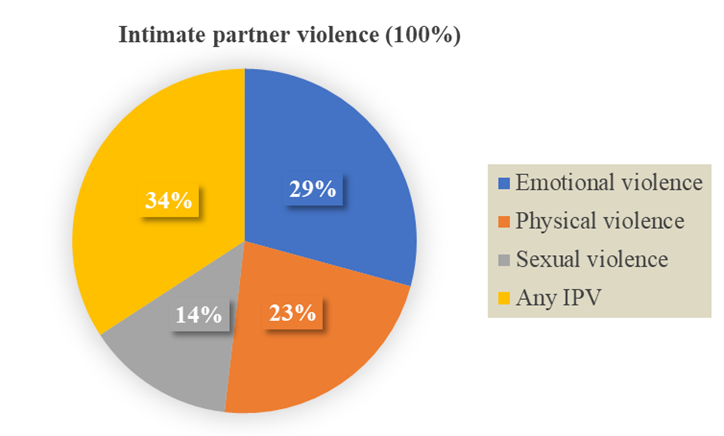
Figure 1: Overall intimate partner violence among mothers at maternal and child health at Ilubabor public health facilities, Southwest Ethiopia.
Among the different types, emotional violence was the most prevalent, affecting 45.0% of respondents, showing that nearly half of the mothers experienced psychological abuse such as insults, humiliation, or controlling behaviors. Physical violence was reported by 34.8% of the women, indicating that more than one-third experienced acts such as slapping, hitting, or other forms of physical harm. Sexual violence was the least reported form at 21.5%, yet it still represents a substantial proportion of mothers who experienced forced or coerced sexual acts Table 5.
Table 5: Intimate partner violence among mothers at Ilubabor public health facilities Southwest Ethiopia.
|
IPV Type |
Specific Item |
Category |
Frequency |
Percentage (%) |
|
Emotional Violence |
Insulted |
Yes |
160 |
37.9 |
|
No |
262 |
62.1 |
||
|
Humiliated |
Yes |
137 |
32.5 |
|
|
No |
285 |
67.5 |
||
|
Threatened |
Yes |
106 |
25.1 |
|
|
No |
316 |
74.9 |
||
|
Physical Violence |
Slapped |
Yes |
127 |
30.1 |
|
No |
295 |
69.9 |
||
|
Pushed |
Yes |
118 |
27.9 |
|
|
No |
304 |
72.1 |
||
|
Hit |
Yes |
95 |
22.5 |
|
|
No |
327 |
77.5 |
||
|
Service violence |
Yes |
23 |
5.4 |
|
|
No |
399 |
94.6 |
||
|
Sexual Violence |
Forced sex |
Yes |
76 |
18.1 |
|
No |
346 |
81.9 |
||
|
Forced sexual act |
Yes |
53 |
12.5 |
|
|
No |
369 |
87.5 |
Health Consequences
The health consequences of intimate partner violence (IPV) among abused women attending public health facilities. It shows that physical injury was reported by 28.0% of the respondents, indicating that more than one-quarter of the women experienced direct physical harm. Mental health impact was more prominent, with 41.9% of women reporting depression, highlighting a substantial psychological burden associated with IPV Table 6.
Table 6: Health outcomes among abused women at Ilubabor Public health facilities Southwest Ethiopia
|
Outcomes |
Category |
Frequency |
Percentage (%) |
|
Physical injury |
Yes |
118 |
28.0 |
|
No |
304 |
72.0 |
|
|
Depression |
Yes |
177 |
41.9 |
|
No |
245 |
58.1 |
|
|
Sought health care |
Yes |
78 |
18.5 |
|
No |
344 |
81.5 |
Multivariable Analysis of logistic regression model
The multivariate logistic regression analysis identified several significant factors associated with intimate partner violence (IPV). Women who were unable to read and write were about four times more likely to experience IPV compared to those with college or higher education (AOR = 4.3, 95% CI: 2.631–10.192). Women engaged in merchant activities were 62% less likely to experience IPV compared to housewives (AOR = 0.571, 95% CI: 0.336–0.971). Similarly, women whose partners could not read and write had significantly higher odds of experiencing IPV, being about five times more likely than those whose partners had college or higher education (AOR = 5.20, 95% CI: 2.672–10.124). Women who were single were 54% less likely to experience IPV compared to married women (AOR = 0.543, 95% CI: 0.385–0.8274). Alcohol use was also a strong predictor, with women who consumed alcohol being about four times more likely to experience IPV than their counterparts (AOR = 4.402, 95% CI: 3.266–7.607).
In addition, women with a monthly income of less than 2000 ETB were four times more likely to experience IPV compared to those earning more than 4000 ETB (AOR = 4.500, 95% CI: 1.458–13.887). Conversely, women who did not use substances were 63% less likely to experience IPV compared to those who used substances (AOR = 0.376, 95% CI: 0.243–0.573) Table 7.
Table 7: Multivariate Logistic Regression Analysis of Factors Associated with Intimate Partner Violence
|
Variable |
Category |
p-value |
AOR |
95% CI |
|
Women’s educational status |
College and above (Ref) |
1 |
||
|
Cannot read/write |
0.000 |
4.374 |
2.631–10.192 |
|
|
Primary |
0.090 |
5.179 |
0.919–3.182 |
|
|
Secondary |
0.349 |
1.710 |
0.707–2.668 |
|
|
Occupation |
Housewife (Ref) |
1 |
||
|
Government employee |
0.055 |
1.923 |
0.985–3.753 |
|
|
Private employee |
0.543 |
0.825 |
0.444–1.532 |
|
|
Merchant/others |
0.038 |
0.571 |
0.336–0.971 |
|
|
Partner’s education |
College and above (Ref) |
1 |
||
|
Secondary |
0.929 |
0.970 |
0.494–1.905 |
|
|
Primary |
0.130 |
1.576 |
0.874–2.841 |
|
|
Cannot read/write |
0.000 |
5.201 |
2.672–10.124 |
|
|
Marital status |
Married (Ref) |
1 |
||
|
Single |
0.000 |
0.543 |
0.385–0.812 |
|
|
Widowed |
0.081 |
4.974 |
0.685–6.269 |
|
|
Divorced |
0.000 |
0.733 |
0.579–0.993 |
|
|
Alcohol use |
No (Ref) |
1 |
||
|
Yes |
0.000 |
4.402 |
3.266–7.607 |
|
|
Smoking status |
Non-smoker (Ref) |
1 |
||
|
Smoker |
0.0836 |
1.757 |
0.477–1.800 |
|
|
Monthly income |
>4000 ETB (Ref) |
1 |
||
|
<2000 ETB |
0.009 |
4.500 |
1.458–13.887 |
|
|
2000–4000 ETB |
0.075 |
2.000 |
0.630–6.517 |
|
|
Age |
>40 years (Ref) |
1 |
||
|
<20 years |
0.468 |
0.733 |
0.318–1.693 |
|
|
20–29 years |
0.017 |
2.393 |
1.172–4.887 |
|
|
30–39 years |
0.040 |
2.186 |
1.037–4.611 |
|
|
Substance use |
Yes (Ref) |
1 |
||
|
No |
0.000 |
0.376 |
0.247–0.573 |
|
|
Pregnancy planning |
Unplanned (Ref) |
1 |
||
|
Planned |
0.0396 |
1.199 |
0.793–1.812 |
|
|
Decision-making power |
Low (Ref) |
1 |
||
|
High |
0.003 |
0.493 |
0.312–0.781 |
Discussion
In this study, women with low decision-making power in household matters were less likely to experience intimate partner violence compared to those with higher decision-making capacity. This finding is consistent with a study conducted in Bangladesh (Alam et al., 2018). This may be explained by entrenched sociocultural norms that reinforce male dominance in household governance, where deviation from traditional gender roles may be perceived as a threat to established power structures, potentially increasing conflict within relationships. However, this finding contrasts with evidence from Demographic and Health Surveys in sub-Saharan Africa, which reported that women with higher decision-making autonomy were more likely to report IPV (Ahinkorah et al., 2018). This discrepancy may reflect reporting bias and differential awareness, as empowered women are more likely to recognize, disclose, and resist abusive behaviors, whereas less empowered women may normalize or underreport violence due to structural and cultural constraints.
The overall prevalence of intimate partner violence in this study was 52.6%, indicating that more than half of postpartum women experienced at least one form of IPV. Emotional violence was the most frequently reported type, followed by physical and sexual violence. This magnitude is higher than findings from several low- and middle-income countries, where postpartum IPV is commonly reported between 20% and 40%. Evidence from sub-Saharan Africa and South Asia similarly indicates lower overall prevalence, although emotional violence consistently remains the most prevalent form. In contrast, studies from high-income countries report substantially lower rates, often below 20%, which may be attributed to stronger institutional protection mechanisms, more effective legal enforcement, and improved access to psychosocial support services (2,5,8,10,12). The relatively higher prevalence in this setting may reflect persistent gender inequality, limited IPV screening within maternal health services, and sociocultural acceptance of partner violence.
Multivariable analysis identified several significant determinants of IPV. Women who were unable to read and write were more than four times more likely to experience IPV compared to those with college-level education and above (AOR = 4.3). This finding is consistent with a large body of evidence indicating that lower educational attainment increases vulnerability to IPV by limiting economic independence, reducing awareness of rights, and weakening negotiation power within relationships (1,3,20,28). Similarly, women whose partners were unable to read and write were at higher risk of IPV, reinforcing the role of partner education in shaping household power dynamics and conflict resolution patterns.
Alcohol consumption among women was strongly associated with IPV, where alcohol users were more than four times more likely to experience violence. This finding aligns with evidence showing that alcohol use increases exposure to high-risk environments, reduces protective judgment, and is frequently associated with partner conflict escalation and coercive behaviors (2,8,14). Partner alcohol use has also been widely documented as a key driver of IPV through increased aggression, impaired impulse control, and reduced conflict management capacity.
Regarding marital status, single women were less likely to experience IPV compared to married women, which is consistent with the understanding that IPV primarily occurs within cohabiting or marital relationships where sustained exposure and dependency increase vulnerability. Income was also an important determinant, as women with lower income were more likely to experience IPV, supporting evidence that economic dependency reinforces unequal power relations and limits exit options from abusive relationships (6,20,23).
Education remained an important but complex determinant. Women with secondary education were slightly more likely to experience IPV compared to those with higher education, although this association was weak. While most literature indicates that education is protective against IPV, some studies suggest a non-linear relationship where women with intermediate education may experience increased IPV due to shifting gender expectations and male partner backlash against changing power dynamics (WHO, 2010; WHO, 2013; DHS reports). This may reflect transitional empowerment, where partial economic or educational advancement is not yet accompanied by sufficient structural or relational power balance.
Reproductive factors also played a significant role. Women with unplanned pregnancies were more likely to experience IPV compared to those with planned pregnancies. This finding is consistent with studies conducted in Gondar and Yirgalem, Ethiopia (Berhanu et al., 2017; Fekadu et al., 2018; Zemenu and Alemu, 2016). Unplanned pregnancy may reflect reproductive coercion, limited contraceptive autonomy, or pre-existing relationship instability, all of which are strongly linked to IPV risk. Such conditions often indicate reduced control over reproductive decision-making and heightened vulnerability within intimate relationships.
Similarly, women with low decision-making power in household matters were more likely to experience IPV compared to those with higher autonomy. This finding aligns with extensive evidence demonstrating that women’s empowerment and participation in household decision-making serve as protective factors against IPV (WHO, 2010; UN Women, 2015). Gender inequality within households remains a central structural determinant of violence, where imbalance in power relations increases tolerance and normalization of abusive behavior.
Overall, this study identified marital status, income, age, substance use, partner alcohol consumption, educational status, and household decision-making power as key determinants of intimate partner violence. These findings are broadly consistent with evidence from sub-Saharan Africa and other low- and middle-income countries, reinforcing the central role of socioeconomic disadvantage, behavioral risk factors, and gender inequality in shaping women’s exposure to IPV. The results underscore the need for integrated interventions that address women’s empowerment, alcohol reduction strategies, and strengthening of reproductive autonomy within maternal health and community-based programs.
The multivariable analysis identified a complex interplay of socioeconomic, behavioral, and relational determinants of IPV. Women’s occupation, marital status, household income, partner alcohol use, substance use, and decision-making power were all significant predictors. Employment in the private sector appeared to have a protective effect compared to being a housewife, suggesting that economic participation may enhance autonomy and reduce vulnerability to partner control. In contrast, divorced women were more likely to experience IPV, indicating that relationship breakdown and instability may both reflect and result from exposure to violence.
Behavioral factors, particularly alcohol and substance use, were significantly associated with IPV, highlighting the role of substance-related behavioral disinhibition and conflict escalation within intimate relationships. Interestingly, higher household income was associated with increased odds of IPV, suggesting that economic improvement alone does not necessarily translate into safety and may, in some contexts, generate tension linked to shifting gender roles and power dynamics. Most importantly, low decision-making power emerged as a strong determinant of IPV, underscoring that gender inequality and limited autonomy remain central structural drivers of violence. Overall, the findings indicate that IPV is not solely an individual or behavioral issue but is deeply rooted in broader socioeconomic and gender power relations.
Recommendation
Routine screening for intimate partner violence should be fully integrated into maternal and child health services, alongside strengthened confidential counseling and referral systems within health facilities. Policymakers need to prioritize multisectoral strategies that enhance women’s empowerment, particularly decision-making autonomy and economic independence, as key prevention approaches. Community-level interventions should focus on sustained awareness creation and transformation of harmful gender norms through locally acceptable and culturally sensitive approaches.
Lists of abbreviations
IPV Intimate Partner Violence
PPIPV Postpartum Intimate Partner Violence
MCH Maternal and Child Heath
ANC Antenatal care
ETB Ethiopian Birr
SPSS Statistical Package for Social Science
WHO World Health Organization
Ethical Consideration
Ethical clearance was obtained from the Institutional Review Board (IRB) of Mattu University, College of Health Sciences, Department of Midwifery. Prior to data collection, official permission letters were secured from Mettu Karl Comprehensive Specialized Hospital and the Mettu Town Health Office. The study was conducted in accordance with the ethical principles outlined in the Declaration of Helsinki, which emphasizes respect for individuals, voluntary participation, confidentiality, and the protection of human subjects in biomedical and health research (World Medical Association, 2013). Written informed consent was obtained from all study participants after providing clear information about the study objectives, procedures, potential risks, and benefits. Participants were informed of their right to refuse participation or withdraw at any time without any consequences. Strict confidentiality and privacy were maintained throughout the data collection, storage, and analysis processes.
Acknowledgement
First and foremost, I would like to thank God for His guidance and blessings throughout my studies. I am also deeply grateful to my family and colleagues for their continuous support, encouragement, and motivation during my academic journey. I would like to sincerely thank the health facilities, data collectors, and all relevant officials for their cooperation and for providing the necessary data that made this study possible. Finally, I sincerely acknowledge Mattu University, College of Health Sciences, Department of Midwifery, for giving me the opportunity and support to complete this work.
Data Availability Statement
The datasets generated and analyzed during the current study are available from the corresponding author upon reasonable request.
Disclosure
The author reports no conflicts of interest in this work.
Funding
The author received no specific funding for this work.

Open Access By Aditum Open Access Journals id licensed under Creative Commons Attribution 4.0 International License. Based On a Work at aditum.org


