
Journal of Veterinary Medicine And Science
OPEN ACCESS | Volume 3 - Issue 1 - 2026
ISSN No: 3065-7075 | Journal DOI: 10.61148/3065-7075/JVMS


Zelalem Yitayew
North Shoa Zone Livestock Office, Animal Health Team, DeberBerhan, Ethiopia.
*Corresponding author: Zelalem Yitayew, North Shoa Zone Livestock Office, Animal Health Team, DeberBerhan, Ethiopia.
Received: October 01, 2026 | Accepted: October 12, 2026 | Published: October 28, 2026
Citation: Yitayew Z, (2026). “Epidemiology of Animal and Human Rabies in North Shewa Zone, Amhara Region, Ethiopia: A Five-Year Retrospective Study (2020–2024)”. Journal of Veterinary Medicine and Science, 3(2); DOI: 10.61148/3065-7075/JVMS/058.
Copyright: © 2026 Zelalem Yitayew. This is an open access article distributed aunder the Creative Commons Attribution License, which permits unrestricted use, distribution, and reproduction in any medium, provided the original work is properly cited.
Background: Rabies is a fatal zoonotic disease and an important public health and veterinary concern in Ethiopia, with domestic dogs serving as the main source of infection. This study described the epidemiology of animal and human rabies, including temporal patterns and dog vaccination coverage, in North Shewa Zone from 2020–2024.
Methods: A five-year retrospective study analyzed routine animal and human rabies surveillance data from North Shewa Livestock and Public Health offices (2020–2024). Temporal, seasonal, spatial, and species-specific patterns, mortality, CFR, and dog vaccination coverage were assessed using Excel 2019 and Stata.
Results: A total of 34 rabies outbreaks were recorded, resulting in 170 animal rabies cases and 168 deaths among 25,934 animals at risk, with overall morbidity, mortality, and CFR of 0.66%, 0.65%, and 98.8%, respectively. The highest number of outbreaks occurred in 2022 (15; 44.2%), while 2024 recorded the highest number of cases (94; 55.3%) and deaths (83; 49.4%). Most cases occurred during the long rainy season (54.7%) and early dry season (37.1%). Dogs accounted for the majority of cases (132/170; 77.6%) and deaths (132/168; 78.6%). Outbreaks were reported in nine districts, with Midda and Moja-Wadera showing the greatest disease burden. A total of 15,858 dogs were vaccinated, resulting in overall vaccination coverage of 61.1%, with considerable annual variation. Furthermore, 887 human rabies exposure cases were reported, mainly in 2022 (584; 65.8%) and 2024 (218; 24.6%). Animal rabies occurrence showed a consistent temporal association with human rabies exposure.
Conclusions: Rabies remains a significant public health and veterinary challenge in North Shewa Zone. Strengthening mass dog vaccination, One Health surveillance, laboratory capacity, community awareness, and timely post-exposure prophylaxis is essential to support rabies elimination by 2030.
Rabies; zoonosis; dog vaccination; human rabies exposure; epidemiology; retrospective study; North Shewa; Ethiopia
Rabies is one of the most important neglected zoonotic diseases worldwide and remains a major public health concern despite being entirely preventable. It is caused by rabies virus (Lyssavirus genus) and affects all mammals, with domestic dogs serving as the principal reservoir responsible for more than 95% of human rabies cases globally. Once clinical signs develop, rabies is almost invariably fatal; however, human deaths can be prevented through timely post-exposure prophylaxis (PEP) and interruption of transmission through effective dog vaccination programs. The continued global burden of rabies is largely associated with inadequate dog vaccination coverage, limited access to PEP, weak surveillance systems, and insufficient collaboration between human and animal health sectors, particularly in low- and middle-income countries (Hampson et al., 2015; WHO, 2023).
Rabies remains a significant health challenge in Africa, where dog-mediated transmission continues to cause thousands of human deaths annually. The burden is likely underestimated due to incomplete surveillance, limited laboratory confirmation, and underreporting of cases, particularly in rural areas where access to healthcare and veterinary services is limited. Domestic dogs play a central role in maintaining transmission cycles, and livestock infections mainly occur as spillover events following contact with infected dogs. The economic impact of rabies extends beyond human health through livestock mortality, costs associated with PEP provision, vaccination campaigns, and disease control activities. Global rabies elimination initiatives, including the “Zero by 30” strategy, emphasize that dog-mediated human rabies can be eliminated through sustained mass dog vaccination, improved surveillance, community awareness, and strengthened One Health coordination among veterinary, medical, and public health sectors (WHO, FAO, 2018; WOAH, 2023)
Ethiopia is among the African countries where rabies remains endemic and continues to affect both animal and human populations. The disease has been reported in different regions of the country, with domestic dogs identified as the major reservoir and source of infection. Human rabies exposures in Ethiopia are predominantly associated with dog bites, while continued transmission is influenced by free-roaming dog populations, inadequate dog vaccination coverage, delayed healthcare-seeking behavior, limited availability of PEP, and gaps in disease surveillance. Recent studies in Ethiopia have highlighted that although rabies prevention activities have been implemented, inconsistent vaccination campaigns and weak integration between veterinary and public health services remain major barriers to effective control (Gelgie et al., 2022; Woldegeorgis et al., 2023)
The Amhara Region is one of the areas of Ethiopia where rabies remains an important zoonotic disease, with frequent reports of animal rabies outbreaks and human exposure cases. The region’s mixed crop–livestock production system, high level of interaction between humans, dogs, and livestock, and variable access to veterinary and health services create favorable conditions for rabies persistence. Previous studies conducted in Ethiopia have demonstrated considerable spatial and temporal variation in rabies occurrence, which is associated with differences in dog population dynamics, vaccination coverage, community awareness, surveillance capacity, and implementation of control measures (Erkyihun et al., 2022; Gelgie et al., 2022)
North Shewa Zone, located in the central highlands of Amhara Region, has experienced recurrent rabies outbreaks affecting domestic animals and humans. The zone is characterized by extensive livestock production, mixed farming systems, and frequent contact between free-roaming dogs, livestock, and human communities. Despite repeated occurrence of rabies outbreaks, comprehensive epidemiological information describing disease magnitude, temporal and seasonal patterns, affected animal species, geographic distribution, dog vaccination coverage, and human rabies exposure trends remains limited. Such information is essential for identifying risk periods and high-risk areas, improving resource allocation, and designing effective local rabies prevention and control strategies.
Retrospective epidemiological studies using routine surveillance data provide important evidence for understanding disease patterns and evaluating the effectiveness of existing control interventions. Analysis of animal rabies occurrence, human exposure trends, vaccination coverage, and spatial distribution can support evidence-based decision-making and strengthen One Health approaches. In endemic areas, where resources are limited, identifying priority interventions such as targeted dog vaccination, improved surveillance, timely outbreak response, and community engagement is critical for reducing rabies transmission.
2. Statement of the Problem
Rabies remains an important public and veterinary health challenge in Ethiopia despite the availability of effective preventive measures. In North Shewa Zone, Amhara Region, the disease continues to affect humans and animals, with domestic dogs acting as the primary reservoir and source of transmission. Persistent rabies transmission is driven by inadequate dog vaccination coverage, limited community awareness, weak surveillance systems, insufficient laboratory confirmation, and gaps in One Health coordination. The frequent interaction between humans, dogs, and livestock within the mixed crop–livestock production system further increases the risk of disease spread. However, comprehensive epidemiological data on rabies occurrence, seasonal and spatial patterns, human exposure, and dog vaccination performance in North Shewa Zone remain limited. This lack of evidence constrains the development of targeted and effective rabies prevention and control strategies. Therefore, this study was conducted to characterize the epidemiology of animal and human rabies and assess dog vaccination coverage in North Shewa Zone, Amhara Region, Ethiopia, from 2020 to 2024.
2. Material And Methods
2.1. Description of the Area
The study was conducted in North Shoa Zone, Amhara Region, Ethiopia. It is located 130 km northeast of Addis Ababa. The zone is situated between latitudes 8°38′–10°42′ N and longitudes 38°40′–40°03′ E. Covering an area of 16,172.52 km², the zone is bordered by Oromia to the south and west, South Wollo to the north, Oromia Zone to the northeast, and Afar Region to the east. The zone has 23 districts and 303 Village kebelas and 7 rural towns. The zone also has livestock infrastructure, 343 kebele vet posts and 23 district vet clinics, 93.6% area coverage, and 85.4% service for the whole zonal community. The area receives annual rainfall with a bimodal distribution, typically ranging from 400- 700 mm, and its elevation is 1290- 3000 m above sea level. Three agro-ecological zones: lowland (<1800 m, 34.2%), mid-altitude (1800–2400 m, 28%), and highland (>2400 m, 37.8%). According to North Shoa Livestock Development Office, the area is characterized by a crop-livestock mixed farming system. The livestock population in the zone is substantial, with approximately 1.7 million cattle, 2.5 million sheep, 0.4 million equines, and 115,347dog population. The zone has an estimated population of over 2.2 million People. Over 88% of the population is rural, relying heavily on agriculture, while the remainder lives in urban centers.
2.2. Study Population
The study population included animal and human populations from rabies-affected districts of North Shewa Zone, Amhara Region, Ethiopia, during 2020–2024. The animal population comprised susceptible domestic species, including dogs, cattle, sheep, goats, and equines, identified through routine animal health surveillance records. The human population included individuals exposed to suspected or confirmed rabid animals. Inclusion of both populations enabled assessment of rabies epidemiology, zoonotic transmission patterns, and public health implications within the mixed crop–livestock production system of the study area.
2.3. Study Design
A retrospective descriptive epidemiological study was conducted to assess the occurrence and distribution of animal and human rabies in North Shewa Zone, Amhara Region, Ethiopia, from 2020 to 2024. The study utilized routinely collected secondary surveillance data from the North Shewa Zone Livestock Office and public health department to evaluate temporal and spatial patterns, affected animal species, human rabies exposures, and dog vaccination coverage. Relevant scientific literature, government reports, and institutional records were also reviewed to support interpretation of the findings.
2.4. Source of Data
Data were obtained from multiple secondary sources. Animal rabies data, including outbreak reports, animal cases and deaths, surveillance records, and dog vaccination data, were collected from the North Shewa Zone Livestock Office through the Disease Outbreak and Vaccination Activity Report (DOVAR) system and district veterinary offices. Data on human rabies exposures were obtained from the North Shewa Zone Health Department. In addition, relevant scientific literature, government reports, and technical documents were reviewed to provide contextual information and support the interpretation of epidemiological findings. Before analysis, all datasets were checked for completeness, consistency, and accuracy to ensure data quality.
2.5. Data Management and Analysis
Data were entered into Microsoft Excel 2019, cleaned, coded, and analyzed using Stata (version 14). Data quality was ensured through checks for completeness, consistency, and accuracy before analysis. Descriptive statistics, including frequencies, percentages, morbidity, mortality, case fatality rate (CFR), and dog vaccination coverage, were calculated using standard epidemiological methods (Thrusfield, 2005).Temporal trends in rabies outbreaks, animal cases, deaths, human rabies exposures, and dog vaccination coverage from 2020 to 2024 were assessed. Spatial distribution across districts and epidemiological patterns by animal species, year, district, and vaccination status were examined using descriptive summaries and cross-tabulations. Results were presented in tables, graphs, and maps to describe the temporal and spatial epidemiology of rabies in the study area.
2.5. Case Definitions According to the standard case definition of WHO
Human rabies exposure can be classified into possible exposure, probable exposure and exposed:
a) Possible exposure: A person who had close contact (usually a bite or scratch) with a rabies-susceptible animal in (or originating from) a rabies-infected area.
b) Probable exposure: A person who had close contact (usually a bite or scratch) with an animal displaying clinical signs consistent with rabies at the time of the exposure, or within 10 days following exposure in a rabies-infected area.
c) Exposed: A person who has had close contact (usually a bite or scratch) with a laboratory-confirmed rabid animal
During 2020–2024, rabies outbreaks were reported in 9 of the 23 districts of North Shewa Zone, with a total of 34 outbreaks recorded and an overall outbreak occurrence of 22.5%. The distribution showed substantial annual variation, with the highest number of outbreaks observed in 2022 (15 outbreaks; 44.2%), followed by 2021 (8 outbreaks; 23.5%) and 2020 (6 outbreaks; 17.6%). Outbreak occurrence declined markedly in 2023 and 2024, with only 1 (2.9%) and 4 (11.8%) outbreaks recorded, respectively. Across affected districts, outbreak numbers ranged from 2 to 7 during the study period, demonstrating that rabies transmission was concentrated in specific districts but remained persistent over time, with peak activity occurring in 2022 (Table 1 and Figure 2).
Table 1: Annual distribution and proportion of reported rabies outbreaks across 23 districts and 364 kebeles in North Shewa Zone, Ethiopia, 2020–2024
|
Year |
Outbreaks numbers |
Occurrence of outbreaks (%) |
Proportion outbreaks (%) |
|
2020 |
6 |
3.97 |
17.6 |
|
2021 |
8 |
5.3 |
23.5 |
|
2022 |
15 |
9.93 |
44.2 |
|
2023 |
1 |
0.66 |
2.9 |
|
2024 |
4 |
2.65 |
11.8 |
|
Total |
34 |
22.51 |
100 |
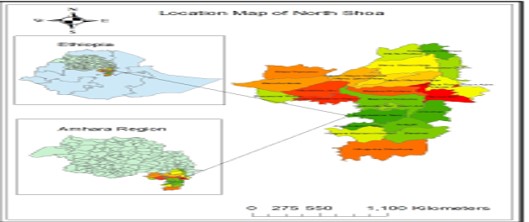
Figure-1 the location of the study area north showa zone districts/ districts
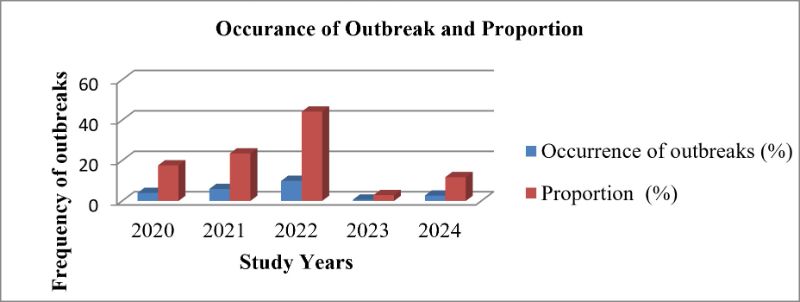
Figure 2: Number of Rabies disease outbreaks by year in North Shewa Zone, Ethiopia, from 2020 to 2023
3.2. Monthly Distribution of Animal Rabies Cases and Deaths
From 2020 to 2024, a total of 170 animal rabies cases and 168 deaths were recorded among 25,934 animals at risk, corresponding to overall morbidity, mortality, and case fatality rates (CFR) of 0.66%, 0.65%, and 98.8%, respectively. Rabies cases were reported in 10 months of the year, with no cases recorded in April and December. A clear seasonal pattern was observed, with cases increasing from June (13 cases), reaching the highest level in August (55 cases; 32.4%), and remaining elevated during September (27 cases) and October (31 cases). Although August had the highest case and death counts, the maximum monthly morbidity and mortality rates occurred in September (3.37%), likely due to the lower population at risk. The CFR was consistently high, reaching 100% in all months except July (92.0%). Overall, most rabies cases occurred during the long rainy and early dry seasons (June–October), highlighting the need for intensified surveillance and preventive measures, particularly timely mass dog vaccination campaigns before peak transmission periods (Table 2 and Figure 3).
Table 2: Monthly distribution of reported animal rabies cases and deaths in North Shewa Zone, Ethiopia, 2020–2024
|
Months |
No. of Case |
No. of Death |
PAR |
Morbidity |
Mortality % |
CFR % |
|
January |
3 |
3. |
1175 |
0.26 |
026 |
100 |
|
February |
5 |
5 |
3565 |
0.14 |
0.14 |
100 |
|
March |
4 |
4 |
1000 |
0.4 |
0.4 |
100 |
|
April |
0 |
0 |
0 |
0 |
0 |
0 |
|
May |
2 |
2 |
802 |
0.25 |
0.25 |
100 |
|
June |
13 |
13 |
1255 |
1.04 |
1.04 |
100 |
|
July |
25 |
23 |
2205 |
1.13 |
1.04 |
92 |
|
August |
55 |
55 |
3974 |
1.38 |
1.38 |
100 |
|
September |
27 |
27 |
802 |
3.37 |
3.37 |
100 |
|
October |
31 |
31 |
5708 |
0.54 |
0.54 |
100 |
|
November |
5 |
5 |
3000 |
0.17 |
0.17 |
100 |
|
December |
0 |
0 |
0 |
0 |
0 |
0 |
|
TOTAL |
170 |
168 |
25934 |
0.66 |
0.65 |
98.8 |
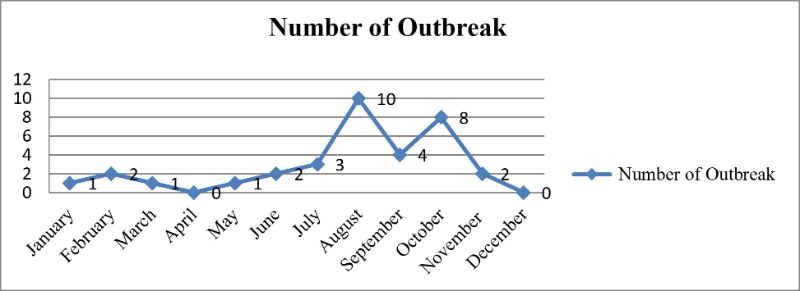
Figure 3: monthly distributions of animal rabies outbreak in North Shewa Zone during 2020–2024
3.3. Seasonal distribution of animal rabies cases and deaths
Animal rabies occurrence showed a distinct seasonal pattern during the study period. The majority of cases were recorded during the long rainy season (June–August), with 93 cases (54.7%) and 91 deaths, followed by the early dry/cold season (September–November), which accounted for 63 cases (37.1%) and 63 deaths. In contrast, fewer cases occurred during the dry/hot season (December–February) and short rainy season (March–May), contributing 8 (4.7%) and 6 (3.5%) cases, respectively. Overall, 91.8% of all rabies cases occurred between June and November, indicating increased transmission during the rainy and post-rainy periods. These findings highlight the need to strengthen surveillance and implement preventive interventions, particularly mass dog vaccination, before the onset of high-risk seasons (Table 3 and Figure 4).
Table 3: Seasonal distribution of reported animal rabies cases and deaths in North Shewa Zone, Ethiopia, 2020–2024
|
Season |
Total Number of Cases |
Proportion |
Total Number of death |
|
Long rainy (June-August) |
93 |
54.7 |
91 |
|
short rainy(march-May) |
6 |
3.53 |
6 |
|
Early dry/cold (September -November) |
63 |
37.1 |
63 |
|
Dry/hot (December-February) |
8 |
4.7 |
8 |
|
Total |
170 |
|
168 |
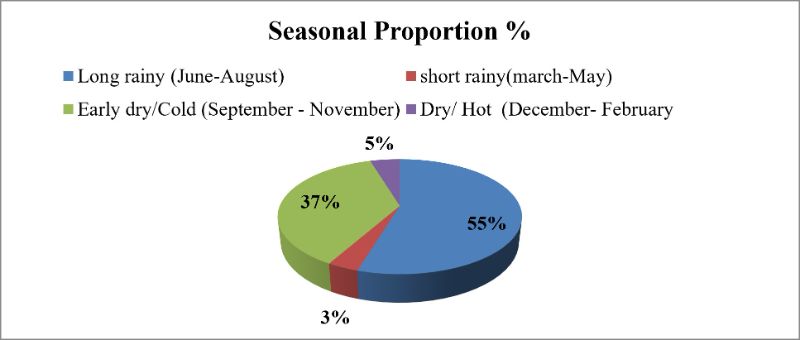
Figure 4: Rabies disease outbreaks by season in the North Shewa Zone, Ethiopia, from 2020 to 2024
3.4. Animal Rabies Case, Death and CFR by Years (2020- 2024) in the last five years
Between 2020 and 2024, a total of 170 animal rabies cases and 168 deaths were reported among 25,934 animals at risk in North Shewa Zone, resulting in an overall morbidity rate of 0.66%, mortality rate of 0.65%, and an exceptionally high case fatality rate (CFR) of 98.8%. Annual disease occurrence varied considerably over the study period. The highest annual morbidity and mortality rates were recorded in 2024, with 94 cases and 83 deaths among 3,250 animals at risk, corresponding to 2.89% morbidity and 2.55% mortality, despite a lower CFR (88.3%) than in previous years. In contrast, 2022 recorded 73 cases and 73 deaths, with the highest CFR of 100%, while 2023 had the lowest disease occurrence, with only 4 cases and 4 deaths (0.16% morbidity and mortality). The CFR remained extremely high throughout the study period, reaching 100% in 2020, 2022, and 2023, and 95.2% in 2021, indicating that nearly all clinically affected animals died. Overall, these findings demonstrate marked year-to-year variation in rabies occurrence while confirming the almost invariably fatal nature of rabies once clinical signs develop. (Table 4)
Table 4: Number of reported rabies cases, deaths, and case fatality rate in North Shewa Zone, Ethiopia, 2020–2024
|
Year |
No. of Case |
No. of Death |
PAR |
Morbidity% |
Mortality % |
CFR % |
|
2020 |
27 |
27 |
3775 |
0.72 |
0.72 |
100 |
|
2021 |
42 |
40 |
7280 |
0.58 |
0.55 |
95.2 |
|
2022 |
73 |
73 |
9129 |
0.79 |
0.79 |
100 |
|
2023 |
4 |
4 |
2500 |
0.16 |
0.16 |
100 |
|
2024 |
94 |
83 |
3250 |
2.89 |
2.55 |
88.3 |
|
TOTAL |
170 |
168 |
25934 |
0.66 |
0.65 |
98.8 |
3.5. Animal Rabies Cases and Deaths by Species
Among animals, the highest animal rabies cases were recorded in dog (n = 132; 77.6%), followed by equine species (n = 15; 8.8%). The lowest animal Rabies cases were recorded in caprine Animal Species (2.4%). Similarly, the highest number of animal deaths due to rabies were recorded in dog (n = 132; 78.6%) while the lowest was recorded (n = 3; 1.8%) in caprine. (Table 5).
Table 5: Distribution of reported animal rabies cases, deaths, and case fatality rate by species in North Shewa Zone, Ethiopia, 2020–2024
|
Species |
Total Number of Cases % |
Total Number of death% |
|
Bovine |
12 (7.1%) |
12(7.1%) |
|
Caprine |
4(2.4) |
3(1.8%) |
|
Equine |
15(8.8%) |
15(8.9%) |
|
Ovine |
7(4.1%) |
6(3.6%) |
|
Dog |
132(77.6%) |
132(78.6%) |
|
Total |
170 |
168 |
3.6. Spatial distribution
A total of 34 rabies outbreaks, 170 animal cases, and 168 deaths were reported across nine districts of North Shewa Zone during 2020–2024. Midda and Moja-Wadera recorded the highest number of outbreaks (7 each), with Midda reporting the highest number of cases and deaths (41 cases and 41 deaths), followed by Moja-Wadera (31 cases and 30 deaths). In contrast, Menz-Gera, and Menz-Lalo reported relatively fewer cases. The overall case fatality rate was 98.8%, with a CFR of100% in seven of the nine affected districts, highlighting the exceptionally high fatality of rabies in the study area. (Table 6).
Table 6: District-level distribution of reported animal rabies cases in North Shewa Zone, Ethiopia, 2020–2024.
|
Districts |
Number of Outbreak |
Total Number of Cases % |
Total Number of death% |
PAR |
CFR% |
|
Basso-werana |
3 |
9 |
9 |
4560 |
100 |
|
Moja-wedera |
7 |
31 |
30 |
4380 |
96.8 |
|
Taremaber |
5 |
6 |
6 |
2777 |
100 |
|
Menz-qeya |
4 |
24 |
23 |
3550 |
95.8 |
|
Menz-gera |
2 |
12 |
12 |
1187 |
100 |
|
Menz-Lalo |
2 |
11 |
11 |
2404 |
100 |
|
Minjar |
3 |
19 |
19 |
3311 |
100 |
|
Ensaro |
3 |
17 |
17 |
1565 |
100 |
|
Midda |
7 |
41 |
41 |
2200 |
100 |
|
Total |
34 |
170 |
168 |
25934 |
98.8 |
3.7. Vaccine coverage
A total of 34 rabies outbreaks were reported in 9 districts of North Shewa Zone between 2020 and 2024, involving 25,934 animals at risk. During the same period, 15,858 dogs were vaccinated, resulting in overall vaccination coverage of 61.1%. The annual number of outbreaks increased from 6 in 2020 to a peak of 15 in 2022, before declining to 1 in 2023 and 4 in 2024. Dog vaccination coverage decreased progressively from 65.1% in 2020 to 38.6% in 2023, but increased substantially to 93.5% in 2024. The decline in outbreak numbers observed in 2024 following the marked increase in vaccination coverage suggests that enhanced dog vaccination may have contributed to reducing rabies transmission. Nevertheless, the marked year-to-year variation highlights the need for sustained mass dog vaccination and strengthened rabies surveillance to achieve effective disease control. (Table 7).
Table 7: Annual dog vaccination coverage and rabies outbreaks in North Shewa Zone, Ethiopia, 2020–2024
|
YEAR |
Outbreak Number |
Population at risk |
Vaccinated dog population |
Vaccine coverage |
|
2020 |
6 |
3775 |
2456 |
65.1% |
|
2021 |
8 |
5780 |
3336 |
57.7% |
|
2022 |
15 |
9129 |
4658 |
51.02% |
|
2023 |
1 |
2500 |
965 |
38.6% |
|
2024 |
4 |
4750 |
4443 |
93.5% |
|
Total |
34 |
25934 |
15,858 |
61.14 |
3.8. Temporal distribution of rabies outbreaks, animal cases, and human exposures
During 2020–2024, North Shewa Zone reported 34 rabies outbreaks, 170 animal rabies cases, and 887 human rabies exposure cases, with considerable annual variation. The highest outbreak occurrence was recorded in 2022 (15 outbreaks; 44.12%), accompanied by 73 animal cases (42.94%) and the highest number of human exposures (584; 65.8%). In 2024, despite fewer outbreaks (4), animal rabies cases reached the highest level (94; 55.3%) and human exposures remained high (218; 24.6%). The lowest burden was observed in 2023, with one outbreak, four animal cases, and seven human exposures. Overall, the temporal pattern showed a close association between animal rabies occurrence and human exposure, indicating the continued importance of integrated rabies surveillance, timely outbreak response, and sustained dog vaccination programs. (Table 8 and Figure 5).
Table8: Annual distribution of reported animal rabies cases and human rabies exposures in North Shewa Zone, Ethiopia, 2020–2024.
|
Year |
Outbreak Number (Proportion %) |
Animal case (Proportion %) |
Human Rabies exposed and proportion (%) |
|
2020 |
6(17.65) |
27(15.88) |
35(3.95) |
|
2021 |
8(23.53) |
42(24.71) |
43(4.85) |
|
2022 |
15(44.12) |
73(42.94) |
584(65.8) |
|
2023 |
1(2.94) |
4(2.35) |
7(0.79) |
|
2024 |
4(11.76) |
94(55.29) |
218(24.6) |
|
Total |
34 |
170 |
887 |
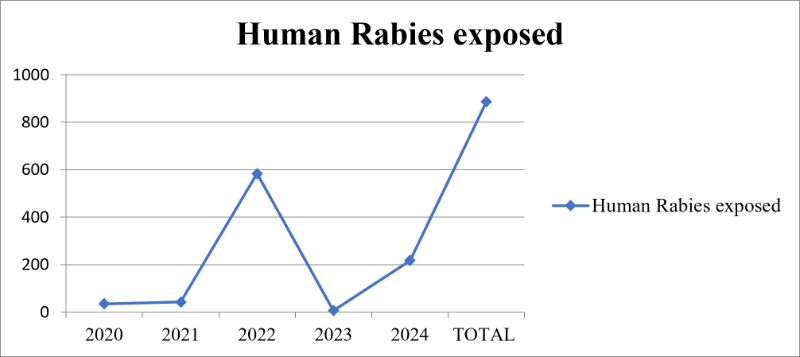
Figure 5: Rabies disease outbreaks by season in the North Shewa Zone, Ethiopia, from 2020 to 2024
4. Discussion
4.1. Temporal distribution
The present study demonstrated that rabies outbreaks in North Shewa Zone were geographically confined to 9 of the 23 districts but showed marked annual variation, with the highest outbreak burden occurring in 2022. This pattern suggests that rabies persists in localized endemic foci where inadequate dog vaccination, large free-roaming dog populations, weak surveillance, and limited public awareness facilitate continued virus transmission. The reduction in outbreaks observed after 2022 may reflect improvements in rabies control, particularly increased dog vaccination and strengthened surveillance. These findings are consistent with reports from Ethiopia, where rabies remains endemic and is maintained primarily through domestic dogs in areas with insufficient vaccination coverage and weak surveillance systems (Deressa et al., 2010; Jemberu et al., 2013). Similarly, temporal fluctuations in outbreak occurrence have been attributed to annual differences in vaccination coverage, dog population dynamics, surveillance capacity, and reporting practices (Getushe & Lelisa, 2020). Collectively, these findings highlight the need for sustained mass dog vaccination, risk-based surveillance, and strengthened One Health collaboration to reduce recurrent rabies outbreaks in endemic areas.
4.2. Monthly and Seasonal Distribution of Animal Rabies Cases and Deaths
The present study demonstrated a distinct seasonal pattern of animal rabies occurrence in North Shewa Zone, with cases increasing from June, peaking in August, and remaining elevated through September and October. Overall, 91.8% of reported cases occurred during the long rainy and early dry/cold seasons, with more than half (54.7%) recorded during the long rainy season alone, indicating that these periods represent the highest risk for rabies transmission. This seasonal concentration is likely associated with increased movement and breeding activity of free-roaming dogs, greater dog–livestock interactions, and seasonal changes in livestock management practices. Similar seasonal trends have been reported in Ethiopia, where higher rabies incidence during the rainy and post-rainy seasons has been linked to increased dog movement, population dynamics, and inadequate vaccination coverage (Gelgie et al., 2022; Getushe & Lelisa, 2020; Jemberu et al., 2013; Woldegeorgis et al., 2023). Comparable findings have also been documented in northwestern Ethiopia (Arada, 2025; Yibrah & Damtie, 2015), although seasonal variation may differ among regions because of differences in climate, dog ecology, livestock husbandry systems, vaccination coverage, and surveillance capacity ((Aklilu et al., 2021)
Although the overall morbidity (0.66%) and mortality (0.65%) were low, the case fatality rate (98.8%) confirms the almost invariably fatal nature of rabies once clinical signs develop. These findings emphasize the need for risk-based rabies control strategies, including annual mass dog vaccination before the onset of the rainy season, enhanced surveillance and rapid outbreak response during high-risk periods, and strengthened One Health collaboration to reduce rabies transmission and its impact on animal and public health in North Shewa Zone.
4.1 Animal Rabies Case, Death and CFR by Years (2020- 2024) in the last five years
The present study confirmed that rabies remains an important endemic zoonotic disease in North Shewa Zone, with 34 outbreaks, 170 animal cases, and 168 deaths recorded between 2020 and 2024. The exceptionally high case fatality rate (98.8%) underscores the almost invariably fatal outcome of rabies once clinical signs develop, consistent with previous reports from Ethiopia identifying domestic dogs as the principal reservoir and source of infection for livestock and humans(Aklilu et al., 2021; Deressa et al., 2010). These findings highlight the critical importance of preventive strategies, particularly mass dog vaccination, early case detection, rapid outbreak response, and integrated One Health surveillance, as effective treatment is unavailable after disease onset (Beyene et al., 2018)
Rabies occurrence showed considerable year-to-year variation, with the highest number of outbreaks recorded in 2022 and the greatest number of cases in 2024. These fluctuations are likely associated with differences in dog population dynamics, vaccination coverage, surveillance effectiveness, and community awareness. Similar temporal variations have been reported in Ethiopia and other rabies-endemic countries, where inadequate dog vaccination, large free-roaming dog populations, delayed case detection, and weak surveillance systems contribute to recurrent outbreaks (Deressa et al., 2010; Jemberu et al., 2013; WHO, 2023; WOAH, 2023). The marked decline in reported cases during 2023 should therefore be interpreted cautiously, as it may reflect either improved local control measures or underreporting inherent in passive surveillance systems.
Although the overall morbidity (0.66%) and mortality (0.65%) were relatively low, the persistence of outbreaks confirms that rabies remains endemic in the study area. Variations in disease burden between years are likely influenced by differences in surveillance sensitivity, dog population density, livestock management, vaccination coverage, and access to veterinary services. Similar Ethiopian studies have shown that sustained mass dog vaccination and coordinated One Health interventions substantially reduce rabies incidence (Erkyihun et al., 2022; Gelgie et al., 2022; Woldegeorgis et al., 2023).Therefore, strengthening integrated One Health collaboration, achieving and sustaining at least 70% dog vaccination coverage, improving responsible dog population management, enhancing community awareness, and reinforcing surveillance and laboratory diagnostic capacity are essential to reduce rabies transmission and support Ethiopia's commitment to the global Zero by 30 rabies elimination strategy.
4.3. Animal Rabies Cases and Deaths by Species
The predominance of rabies cases and deaths in dogs observed in the present study confirms the central role of domestic dogs as the principal reservoir and source of rabies transmission in Ethiopia. Dogs accounted for 77.6% of all animal cases and 78.6% of deaths, whereas livestock species, particularly goats, were less frequently affected. This finding is consistent with previous Ethiopian studies showing that dogs are responsible for maintaining rabies transmission and act as the primary source of infection for livestock and humans through bite exposure (Deressa et al., 2010; Gelgie et al., 2022). The relatively higher number of cases in equine species compared with other livestock may reflect their greater exposure to free-roaming rabid dogs because of extensive grazing and outdoor management systems. Similar species-specific patterns have been reported in rabies-endemic areas of Ethiopia and other African countries, where dogs account for the majority of rabies cases, while infections in livestock occur mainly as spillover events rather than sustained transmission (WHO, 2023; WOAH, 2023).
4.4. Animal Rabies Cases by Districts
The spatial distribution of rabies observed in this study demonstrates that the disease remains unevenly distributed across North Shewa Zone, with Midda and Moja-Wadera experiencing the greatest burden of outbreaks, cases, and deaths during 2020–2024. The higher disease occurrence in these districts may be associated with larger free-roaming dog populations, inadequate dog vaccination coverage, increased livestock–dog interactions, and differences in surveillance and reporting systems. Similar geographical variations have been reported in Ethiopia, where rabies burden differs considerably among districts because of disparities in dog population management, vaccination implementation, access to veterinary services, and community awareness (Gelgie et al., 2022). The exceptionally high overall case fatality rate (98.9%), including 100% CFR in seven affected districts, agrees with the established epidemiology of rabies, which is almost invariably fatal once clinical signs develop (Deressa et al., 2010; Gelgie et al., 2022)
4.5. Vaccine coverage
The present study showed marked fluctuations in dog rabies vaccination coverage during 2020–2024, with 15,858 dogs vaccinated, indicating inconsistent implementation of annual vaccination campaigns in North Shewa Zone. The decline in vaccination coverage during 2023 may have reduced herd immunity and contributed to continued rabies transmission, as sustained high vaccination coverage is essential for interrupting dog-mediated rabies transmission. Similar challenges have been reported in Ethiopia, where inadequate and irregular dog vaccination programs, limited vaccine availability, financial constraints, and weak community participation have hindered rabies control efforts (Deressa et al., 2010; Gelgie et al., 2022; Jemberu et al., 2013).Previous studies have emphasized that achieving and maintaining at least 70% vaccination coverage in the dog population through well-planned annual campaigns is critical for reducing rabies incidence (Hampson et al., 2015; WHO, 2023)
4.6. Human Rabies exposed by Districts by Years (2020- 2024) in the last five years
The present study documented 887 human rabies exposure cases during 2020–2024, with considerable annual variation and a marked peak in 2022. This pattern may be associated with fluctuations in canine rabies transmission, dog–human interactions, community awareness, healthcare-seeking behavior, availability of post-exposure prophylaxis (PEP), and surveillance performance. Similar findings have been reported in Ethiopia, where human rabies exposures are predominantly caused by dog bites and are influenced by limited public awareness, inadequate preventive practices, and challenges in accessing timely PEP (Mesfin, 2022; Woldegeorgis et al., 2023). The decline in reported exposures during 2023 should be interpreted cautiously, as it may reflect variations in reporting completeness and surveillance sensitivity rather than a true reduction in transmission. Previous studies have emphasized that reducing human rabies exposure requires interruption of canine rabies transmission through sustained dog vaccination, improved community awareness, reliable PEP availability, and strengthened One Health surveillance systems (Erkyihun et al., 2022; Gelgie et al., 2022). Therefore, integrated rabies control interventions remain essential for reducing human rabies burden and supporting Ethiopia’s rabies elimination goals.
5. Conclusion
This five-year retrospective analysis demonstrates that rabies remains an important endemic zoonotic disease in North Shewa Zone, with 34 reported outbreaks, 170 animal cases, 168 animal deaths, and 887 human exposure events recorded during 2020–2024. The very high animal case fatality rate (98.8%) is consistent with the severe and frequently fatal outcome of rabies following clinical disease. Dogs accounted for the majority of reported animal cases, underscoring their epidemiological importance in maintaining transmission at the animal–human interface. The observed temporal and seasonal variation, together with clustering of reported cases in particular districts, indicates spatial and temporal heterogeneity in rabies occurrence and identifies areas where surveillance and prevention efforts may be prioritized. The variable dog vaccination coverage observed during the study period, combined with the substantial number of human exposures, indicates persistent gaps in rabies prevention and control.
Accordingly, sustained, high-coverage annual mass dog vaccination, targeting at least 70% of the dog population and appropriately timed before periods of increased transmission, should be strengthened. Complementary interventions should include improved dog population management, community-based rabies education, timely access to and continuous availability of post-exposure prophylaxis (PEP), strengthened laboratory-supported diagnosis, and integrated One Health surveillance linking veterinary, public health, and community systems. These measures would strengthen early detection and response, reduce animal and human exposure to rabies, and contribute to Ethiopia's commitment to the Global Zero by 30 goals of eliminating dog-mediated human rabies deaths by 2030.
Acknowledgments
The authors would like to acknowledge the North Shewa Zone Livestock Department Veterinary Team, the North Shewa Zone Health Office, and the District Livestock Office Animal Health Teams for their cooperation and support during the retrospective data collection.
Conflict Interest: The authors report no conflicts of interest in this work.
Ethical Considerations
Ethical clearance for data collection was obtained from the Amhara Regional Livestock and Fishery Bureau and the North Shewa Zonal Health Department. Official letters were sent to the respective district offices to access secondary data. No personal identifiers were used in data analysis, ensuring confidentiality of both human and animal case records.
Author Contributions: All authors made a significant contribution to the work reported, whether in the conception, study design, execution, acquisition of data, analysis, and interpretation, or all these areas, took part in drafting, revising, or critically reviewing the article; gave final approval of the version to be published; agreed on the journal to which the article has been submitted; and agreed to be accountable for all aspects of the work.
Funding: There is no external funding to report.



Open Access By Aditum Open Access Journals id licensed under Creative Commons Attribution 4.0 International License. Based On a Work at aditum.org


