
Journal of Veterinary Medicine And Science
OPEN ACCESS | Volume 3 - Issue 1 - 2026
ISSN No: 3065-7075 | Journal DOI: 10.61148/3065-7075/JVMS


Zahra Mahmoudi1, Zahra Moatamedkia1, Leila Derakhshan2, Forough Kajbaf2, Seyedeh Ommolbanin Ghasemian3*
1Graduated of D. V.M, Department of Veterinary Medicine, Sho.C., Islamic Azad University, Shoushtar, Iran.
2Department of Veterinary Medicine, Sho.C., Islamic Azad University, Shoushtar, Iran.
3Department of Veterinary Medicine, Be.C., Islamic Azad University, Behbahan, Iran.
*Corresponding author: Seyedeh Ommolbanin Ghasemian, Department of Veterinary Medicine, Be.C., Islamic Azad University, Behbahan, Iran.
Received: July 20 05, 2026 | Accepted: August 15, 2026 | Published: August 24, 2026
Citation: Mahmoudi Z, Moatamedkia Z, Derakhshan L, Kajbaf F, Seyedeh O Ghasemian, (2026). “Effects of Ketamine, Xylazine, and Their Combination on PER2 and Dbp Gene Expression in the Pigeon Brain”. Journal of Veterinary Medicine and Science, 3(1); DOI: 10.61148/3065-7075/JVMS/055.
Copyright: © 2026 Seyedeh Ommolbanin Ghasemian. This is an open access article distributed aunder the Creative Commons Attribution License, which permits unrestricted use, distribution, and reproduction in any medium, provided the original work is properly cited.
Circadian rhythms regulate numerous physiological and behavioral processes in animals, and clock genes, including PER2 and Dbp, play pivotal roles in maintaining this system. Anesthetic drugs, beyond their clinical effects, can influence brain gene expression patterns; however, data regarding the impact of these agents on clock genes in birds remain scarce, creating a clear research gap concerning the comparative effects of ketamine, xylazine, and their combination on the simultaneous expression of PER2 and Dbp in the pigeon brain. In this experimental study, 15 healthy adult pigeons were randomly assigned to three groups of five, receiving ketamine (60 mg/kg), xylazine (16 mg/kg), or a ketamine/xylazine combination (30+8 mg/kg) via intramuscular injection, respectively. Following the induction of complete anesthesia, brain tissue was harvested and preserved in liquid nitrogen. RNA was extracted using TRIzol, cDNA was synthesized, and gene expression was quantified by RT-qPCR using the 2−ΔΔCT method. Data were analyzed using one-way ANOVA and the Kruskal-Wallis test. Results demonstrated that ketamine alone significantly downregulated PER2 expression (highest Ct and lowest relative expression), whereas the ketamine/xylazine combination yielded the highest PER2 expression. Conversely, Dbp exhibited its highest expression in the ketamine group (ΔCt = 4.68) and its lowest expression in the combination group (ΔCt = 7.73). The reference gene GAPDH remained stable across all groups. These findings indicate that the type of anesthetic agent exerts distinct and sometimes opposing effects on clock gene expression patterns, underscoring the importance of selecting appropriate anesthetic protocols to minimize molecular disruptions of circadian rhythms in avian neurophysiological research.
Ketamine, Xylazine, Gene expression, Circadian clock, Pigeon
1. Introduction:
Effective and safe anesthesia constitutes the foundation of surgical interventions and diverse diagnostic or therapeutic procedures in veterinary clinical practice. Within avian species, this clinical necessity represents a highly complex physiological challenge. Distinct respiratory architecture, presence of air sacs, elevated metabolic rates, substantial sensitivity to thermal fluctuations, and rapid cardiopulmonary responses necessitate heightened precision in selecting and evaluating anesthetic protocols compared to mammalian counterparts (Anjana et al., 2021; Dobbs et al., 2021).
The domestic pigeon (Columba livia domestica) serves as a valuable model in veterinary research and avian neurophysiology owing to maintenance feasibility, accessibility, and an established status in neurobiological investigations (Aguiar Bittencourt et al., 2015; Serir et al., 2024; Wasserman et al., 2024).
Avian anesthesia utilizes inhalant and injectable methods, each possessing specific limitations. Although inhalant agents such as isoflurane and sevoflurane facilitate superior control over anesthetic depth, injectable drugs maintain a significant role in field conditions, limited resource settings, or for initial anesthetic induction (Anjana et al., 2021; Lim et al., 2023). Ketamine and xylazine are among the most common injectable agents utilized in veterinary medicine. Ketamine, an NMDA receptor antagonist, induces dissociative anesthesia, analgesic effects, and alterations in central neural processing (Mion & Villevieille, 2013; Zorumski et al., 2016; Yavi et al., 2022). Xylazine, an alpha-2 adrenergic agonist, provides sedation, muscle relaxation, and analgesia, often co-administered to enhance overall anesthetic quality (Giovannitti et al., 2015; Papudesi et al., 2025). The combination of these agents represents a recognized protocol in animal anesthesia due to complementary pharmacodynamic effects, finding frequent application in avian subjects (Paula et al., 2013; Serir et al., 2024).
Growing evidence suggests that anesthetic agents induce significant cellular and molecular responses beyond transient physiological shifts, influencing gene expression patterns within the central nervous system (Ho et al., 2019; Liu et al., 2011). Ketamine modulates molecular pathways associated with neuroplasticity, neuroinflammation, and intracellular signaling (Ho et al., 2019; Krystal et al., 2024). A relatively unexplored area involves the impact of anesthetics on circadian clock genes. The circadian system comprises a complex network of regulatory genes and proteins controlling 24-hour rhythms related to sleep, metabolic activity, hormonal secretion, thermal regulation, and neural function. Any disruption in this network leads to important physiological and behavioral consequences. The PER2 gene functions as a core component of the molecular clock, maintaining circadian rhythm feedback loops and influencing sleep regulation, mood, stress response, and neuronal activity (Albrecht et al., 2007; Kim et al., 2018; Millius et al., 2023). The Dbp transcription factor, a circadian clock output, regulates the rhythmic expression of various downstream genes and mediates molecular signal transduction to tissue responses (Yoshitane et al., 2019; He et al., 2023). Consequently, PER2 and Dbp represent complementary biological indicators for evaluating anesthetic impacts on the molecular components of circadian rhythms.
Despite their importance, evidence regarding the effects of anesthetic protocols on these genes in the avian brain remains scarce, as previous studies primarily emphasized clinical parameters, administration routes, or survival rates rather than transcriptomic responses (Hornak et al., 2015; Lim et al., 2023; Adão et al., 2024). Mammalian findings are difficult to extrapolate to avian models due to evolutionary, neuroanatomical, and physiological differences (Liu et al., 2011; Serir et al., 2024). Thus, the extent and pattern of PER2 and Dbp expression changes in the pigeon brain under ketamine, xylazine, and their combination remain unresolved.
The scientific disparity addressed in this study involves the absence of comparative data regarding simultaneous expression changes of PER2 and Dbp in the pigeon brain under different pharmacological protocols. This research aims to bridge veterinary anesthesia, neuropharmacology, and circadian biology by examining the relative effects of three anesthetic protocols on molecular indicators of the circadian system. These findings establish a basis for understanding the biological safety of anesthetic protocols and facilitate informed drug selection in avian medicine. In light of the foregoing, the present study was structured around two primary questions. First, does anesthesia induced by ketamine, xylazine, or their combination lead to differential changes in the expression levels of PER2 and Dbp genes in the pigeon brain? Second, how does the concurrent administration of ketamine and xylazine alter the individual transcriptomic effects of each agent on these circadian components? To address these questions, three specific objectives were defined: (1) to compare the relative mRNA expression levels of PER2 and Dbp in the brain tissue of pigeons subjected to ketamine, xylazine, and their combination; (2) to evaluate the stability of the GAPDH reference gene across the experimental groups in order to validate the quantification method; and (3) to identify the anesthetic protocol that produces the least disruption to circadian molecular pathways.
Based on the divergence in pharmacological mechanisms of action, this study advanced two hypotheses. First, distinct anesthetic protocols induce different molecular response patterns in circadian-related genes. Second, the combination of ketamine and xylazine exerts a modulatory effect on the expression of clock genes compared with the individual administration of either agent.
2. Materials and Methods
2.1. Ethical Considerations
The design, care, housing, and experimental handling of the animals in this study adhered to international guidelines for the care and use of laboratory animals. The National Research Ethics Committee of ……, ……. officially approved all experimental protocols under the registration code ……………... Furthermore, implementation of the replacement, reduction, and refinement principles minimized animal use while preserving statistical validity.
2.2. Animal Care and Housing
Fifpan adult, clinically healthy domestic pigeons (Columba livia domestica) of the feral breed, weighing 225 ± 75 g and aged approximately 1 to 3 years, were obtained for this experimental study. The study cohort included both male and female subjects to eliminate sex-associated confounding factors. Upon arrival at the animal care facility, a veterinary specialist conducted comprehensive clinical examinations to verify overall health and ensure the absence of parasitic or infectious diseases. The pigeons were randomly allocated into three groups of five and housed in separate cages of standard dimensions. Environmental conditions consisted of a temperature maintained at 22 ± 2 ∘C, a relative humidity of 50% ± 10%, and a controlled photoperiod of 12 hours of light and 12 hours of darkness. The birds underwent a 72-hour acclimation period under close monitoring with free access to drinking water and standard feed. Food access was restricted 30 minutes prior to pharmacological intervention to eliminate the risk of crop regurgitation and aspiration.
2.3. Experimental Design and Treatment
A simple randomization design assigned the subjects to three parallel groups, each containing 5 pigeons:
Ketamine Group: Received a single intramuscular dose of 60 mg/kg ketamine 10% (Alfasan, Woerden, Netherlands).
Xylazine Group: Received a single intramuscular dose of 16 mg/kg xylazine 2% (Alfasan, Woerden, Netherlands).
Ketamine/Xylazine Group: Received a combined intramuscular dose containing 30 mg/kg ketamine and 8 mg/kg xylazine.
A single experienced operator administered all injections intramuscularly into the left pectoral muscle using graduated insulin syringes to minimize technical variation.
2.4.Anesthesia Assessment and Tissue Harvesting
Continuous monitoring of the palpebral reflex, muscle relaxation, and the absence of a response to noxious stimuli via the pedal withdrawal reflex confirmed the depth and induction of surgical anesthesia (Adão et al., 2024). Immediately following the onset of deep surgical anesthesia, humane euthanasia was performed by rapid cervical dislocation. The cranium was opened under aseptic conditions on crushed ice, and the whole brain was rapidly excised. Tissue samples were immediately immersed in sterile cryovials containing liquid nitrogen at -196 ∘C to prevent the activity of RNA-degrading enzymes. The samples were subsequently transferred to an ultra-low temperature freezer maintained at -80 ∘C (Model DW-86L388A, Haier Biomedical, Qingdao, China) and stored until molecular analysis.
2.5. Total RNA Extraction and cDNA Synthesis
Homogenized brain tissue underwent total RNA extraction using TRIzol Reagent (Invitrogen, Carlsbad, CA, USA) according to the optimized protocol of the manufacturer. A NanoDrop 2000 spectrophotometer (Thermo Fisher Scientific, Waltham, MA, USA) determined the concentration and purity of the extracted RNA at wavelengths of 260 and 280 nm. RNA samples demonstrating an absorbance ratio A260/A280 between 1.8 and 2.0 met the quality criteria for subsequent analysis. Agarose gel electrophoresis at 1% (Bio-Rad Laboratories, Hercules, CA, USA) verified RNA structural integrity. Subsequently, 1 μg of total RNA was reverse transcribed into cDNA using a RevertAid First Strand cDNA Synthesis Kit (Thermo Fisher Scientific), and the resulting cDNA was stored at -20 ∘C until quantitative real-time PCR analysis.
2.6. Primer Design and Quantitative RT-PCR
Specific primers targeting the PER2 and Dbp genes, along with the internal reference gene, were designed based on domestic pigeon sequences in the NCBI database using Oligo 7 software (Molecular Biology Insights, Colorado Springs, CO, USA) and synthesized by Pishgam Enteghal Gene (Tehran, Iran). Quantitative gene expression analysis was performed using Maxima SYBR Green/ROX qPCR Master Mix (Thermo Fisher Scientific) in a StepOnePlus Real-Time PCR System (Applied Biosystems, Foster City, CA, USA). Target gene transcription levels were evaluated using quantitative real-time polymerase chain reaction with sequence-specific primers. The oligonucleotide sequences, optimized annealing temperatures, and calculated amplicon sizes for the clock-controlled genes PER2 and Dbp, as well as the internal reference gene GAPDH, are detailed in Table 1. The specificity of the primer pairs was validated prior to the experimental runs to ensure accurate amplification of the avian transcripts without non-specific product formation.
Table 1. Specific primer sequences, annealing temperatures, and product sizes for quantitative RT-PCR analysis of target and reference genes in domestic pigeons.
|
Gene Name |
Forward Primer Sequence (5’→3’) |
Reverse Primer Sequence (5’→3’) |
Annealing Temperature (∘C) |
Amplicon Size (bp) |
|
PER2 |
5’-TGCAGCAGCAACAGCAGT-3’ |
5’-TGGAGGAGGTGGTGGTGG-3’ |
60 |
145 |
|
Dbp |
5’-CTGGACGCGAAGAGGGAG-3’ |
5’-CTCGTCGGGGAGCTTCTT-3’ |
60 |
128 |
|
GAPDH |
5’-GGTGGTGCTAAGCGTGTTAT-3’ |
5’-ACCTTGCCCTCAGCCTTG-3’ |
60 |
152 |
2.7. Statistical Analysis
The relative fold change in target gene expression was calculated using the comparative 2−ΔΔCT method. The Shapiro-Wilk test verified the normal distribution of the data. The resulting datasets were analyzed by one-way analysis of variance (ANOVA) followed by Tukey post-hoc tests using SPSS version 22 (IBM Corp., Armonk, NY, USA). GraphPad Prism 9 (GraphPad Software, San Diego, CA, USA) was used to generate all graphical representations. Statistical significance was set at a threshold of p < 0.05.
3.Results
3.1. Descriptive Statistics and Gene Expression Distribution Analysis
Descriptive statistical analysis of the biological parameters recorded from the brain tissue of fifteen anesthetized domestic pigeons revealed distinct distribution and expression profiles between the PER2 and Dbp genes. The quantitative real-time PCR assay indicated that the cycle threshold (CT) values for PER2 had a mean of 26.10 with a standard deviation of 1.34, whereas the mean CT value for Dbp was 26.08 with a standard deviation of 1.17. Assessment of data normality utilizing the Kolmogorov-Smirnov test demonstrated that the variables associated with the Dbp gene adhered to a normal distribution. Conversely, the threshold cycle difference (ΔCT) and relative expression (2−ΔΔCT) values of the PER2 gene exhibited a non-normal distribution. Consequently, non-parametric analytical methods were applied for inferential analysis of PER2, while parametric tests were executed for the analysis of Dbp. The consistent expression of the internal control gene GAPDH across all experimental groups verified the integrity of the total RNA extraction and cDNA synthesis processes, confirming that the observed fluctuations in the target genes were induced by the administered anesthetic agents. These statistical variations confirm that the expression responses of these two core circadian clock genes to the anesthetic regimens are distinct and follow divergent molecular pathways, as detailed in the tables and figures.
Table 2. Descriptive indicators of PER2 and Dbp gene expression in the brain tissue of anesthetized domestic pigeons (Columba livia domestica)
|
Parameter Evaluated |
Mean ± SD |
Minimum – Maximum |
Normality Test Significance Level (p-value) |
|
PER2 Cycle Threshold (CT) |
26.10 ± 1.34 |
24.4 – 28.2 |
0.200 |
|
Dbp Cycle Threshold (CT) |
26.08 ± 1.17 |
24.5 – 27.8 |
0.200 |
|
PER2 Threshold Cycle Difference (ΔCT) |
5.52 ±1.21 |
4.0 – 7.2 |
0.001 |
|
Dbp Threshold Cycle Difference (ΔCT) |
6.08 ± 1.34 |
4.3 – 8.0 |
0.195 |
|
PER2 Relative Expression (2−ΔΔCT) |
0.029 ±0.02 |
0.007 – 0.062 |
0.001 |
|
Internal Control (GAPDH CT) |
20.58 ± 0.26 |
20.2 – 21.1 |
0.200 |
3.2. Comparative Analysis of Anesthetic Regimens on PER2 Gene Expression
Quantitative analysis of the PER2 gene demonstrated a correlation between the type of anesthetic agent administered and the level of transcriptional activity in the pigeon brain. One-way analysis of variance of the CT values revealed a statistically significant difference among the three treatment groups. The lowest threshold cycle value, indicating the highest relative transcript abundance, was observed in the combined ketamine/xylazine group, whereas the group receiving ketamine monotherapy exhibited the highest CT values. This expression trend was consistent in the analysis of the ΔCT values, with the Kruskal-Wallis test confirming that the median ΔCT of the ketamine group was significantly higher than that of the ketamine/xylazine combination group. Relative expression analysis indicated that the joint administration of these two anesthetics led to a significant upregulation of PER2 expression compared to ketamine monotherapy. This finding indicates that the combination of ketamine and xylazine exerts a synergistic stimulatory effect on this circadian pacemaker gene. The differences were significant at ppp < 0.001, verifying the high precision of the results in distinguishing the pharmacological impacts of the anesthetics on molecular circadian mechanisms. Further inspection of the expression profiles indicated that the transcriptional response of PER2 under xylazine monotherapy represented an intermediate state between the other two groups, although its difference from the ketamine group remained statistically significant.
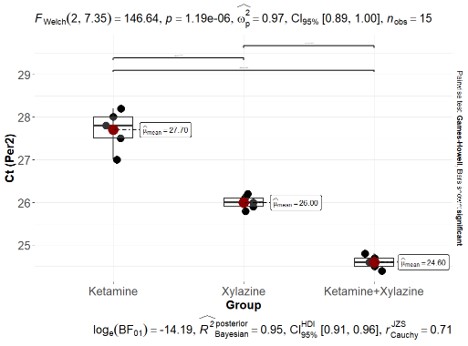
Figure 1. Comparison of the mean cycle threshold (CT) values of the PER2 gene across the different anesthetic groups.
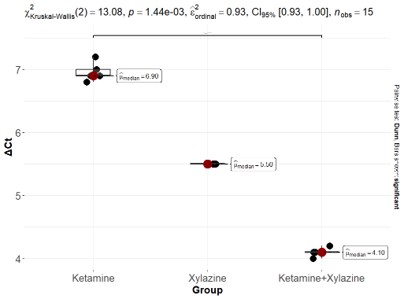
Figure 2. Median changes in the threshold cycle difference (ΔCT ) of the PER2 gene based on the type of anesthetic protocol.
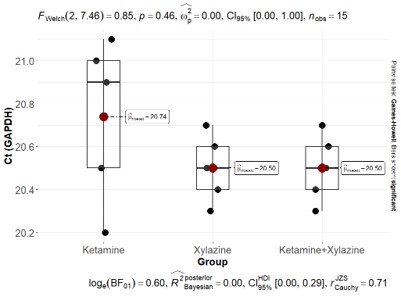
Figure 3. Relative expression levels of the PER2 gene in the pigeon brain under the influence of ketamine, xylazine, and their combination.
3.4. Transcriptional Responses of the Dbp Gene to Anesthetic Protocols
The molecular responses of the Dbp gene differed from those of PER2, indicating the complexity of circadian gene reactions to anesthetic agents in the avian brain. One-way ANOVA showed that the mean cycle threshold of Dbp in the ketamine group was at its lowest level, which corresponds to the highest relative expression compared to the other groups. With the addition of xylazine in the combination protocol, the threshold cycle values increased significantly, indicating a downregulation of Dbp expression. This transcriptional trend was also observed in the analysis of the ΔCT\Delta C_TΔCT values, where the lowest mean value was recorded in the ketamine group and the highest mean value was observed in the ketamine/xylazine combination group. The statistical differences across these parameters were significant at a 95% confidence level. The absence of significant variance in the expression of the internal reference gene GAPDH within these tests confirmed the reliability of the quantitative assessments for the Dbp gene. These results demonstrate that while the combination of these anesthetics upregulated PER2 expression, it caused a downregulation of Dbp transcript levels, with the highest transcriptional activity maintained during ketamine monotherapy. This divergent genetic response demonstrates the intricate regulatory interactions between anesthetic compounds and biological clock components in the avian central nervous system.
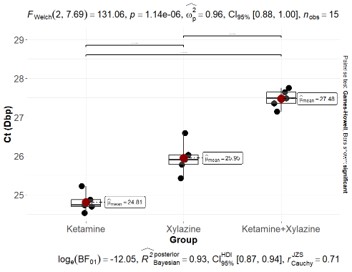
Figure 4. Comparison of the mean cycle threshold (CT) values of the Dbp gene in the brain tissue of the experimental groups.
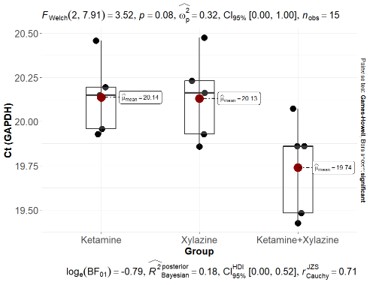
Figure 5. Analysis of the mean threshold cycle difference (ΔCT) values of the Dbp gene under the influence of different anesthetic agents.
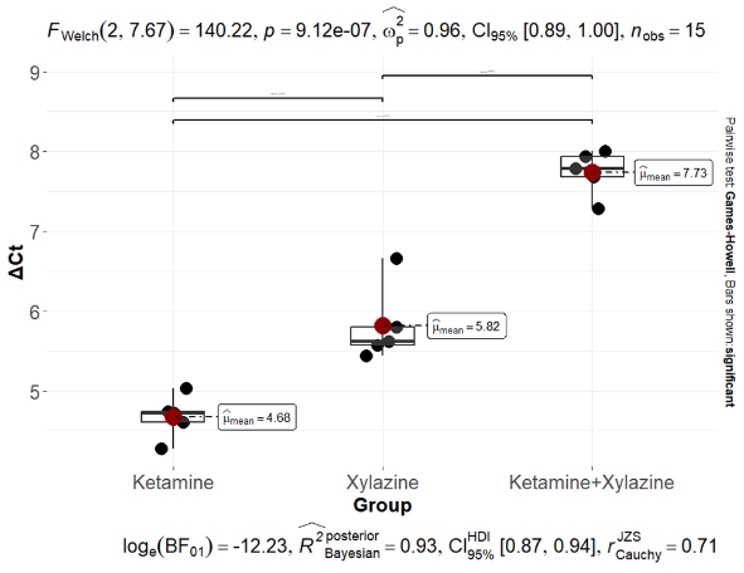
Figure 6. Temporal expression profile and stability of the internal control gene (GAPDH) across the three anesthetic groups to confirm assay stability.
4. Discussion
The pharmacological modulation of circadian molecular components in the avian brain reflects the intricate intersection between anesthetic agents and endogenous rhythm-regulating networks. Daily physiological cycles—such as sleep-wake patterns, metabolic activity, and hormone release—are driven at the cellular level by the synchronized transcription of core clock genes. Among these, PER2 operates within the negative feedback loop of the molecular oscillator (Albrecht et al., 2007), while Dbp serves as a critical transcription factor regulating the rhythmic transcription of downstream clock-controlled genes. This study evaluated the comparative effects of ketamine, xylazine, and their combined administration on the expression profiles of PER2 and Dbp in the brain of the domestic pigeon (Columba livia domestica) to elucidate the regulatory responses of the avian circadian pacemaker under these common anesthetic regimens.
Our findings demonstrate that monotherapy with ketamine, a non-competitive NNN-methyl-DDD-aspartate (NMDA) receptor antagonist, significantly suppresses the expression of PER2 in the avian brain. This downregulation was marked by an elevated mean cycle threshold (CT) of 27.70 and a low median relative expression value of 0.0079. The inhibition of glutamatergic transmission by ketamine is the primary driver of this transcriptional suppression; calcium-dependent signaling cascades and cyclic adenosine monophosphate (cAMP) response element-binding protein pathways, which stimulate PER2 transcription, rely heavily on active NMDA receptor signaling. This observation is consistent with the findings of Liu et al. (2011), who documented extensive alterations in cerebral gene expression and the downregulation of regulatory transcript levels following ketamine administration.
Suppression of PER2 expression can have broad physiological consequences on avian biological rhythms. Russell et al. (2021) reported that the inhibition or deletion of PER2 disrupts corticosterone secretion patterns, induces depressive-like behavioral phenotypes, and impairs sensory processing. Ketamine also impacts broad gene networks associated with cerebral signaling pathways, aligning with recent systematic evaluations (Pisanu et al., 2025). Furthermore, acute or chronic ketamine administration alters transcript expression in the central nervous system, affecting various receptor subunits; for instance, Tan et al. (2011) showed that ketamine-induced transcriptional shifts specifically alter the mRNA expression of the GABA receptor α5 subunit in the prefrontal cortex.
Conversely, monotherapy with the α2-adrenergic receptor agonist xylazine resulted in a milder reduction in PER2 expression compared to ketamine, demonstrating the distinct molecular mechanisms of these agents. The most notable response occurred under the combined ketamine/xylazine regimen, which significantly decreased the cycle threshold to 24.60 and increased the median relative expression to 0.0600. This response suggests a synergistic modulatory relationship between the two drugs. Xylazine-mediated activation of α2-adrenergic receptors likely modulates intracellular signaling pathways and neurotransmitter release, counteracting the severe glutamatergic inhibition imposed by ketamine and restoring PER2 transcription. These dynamics support the findings of Kim et al. (2018) regarding the sensitivity of PER2 to both intrinsic and extrinsic factors and its broad role in the central nervous system, which allows its expression profile to adapt under combined pharmacological protocols.
Regarding the second target, the Dbp gene exhibited expression profiles distinct from those of PER2. The lowest cycle threshold (24.81) and lowest threshold cycle difference (ΔCT=4.68) were recorded in the ketamine monotherapy group, indicating a significant upregulation of Dbp transcript levels. Because Dbp regulates the amplitude and output of the circadian oscillator, its upregulation under ketamine may represent a compensatory or pathological cellular response. This pattern is consistent with the findings of Jiang et al. (2022), who reported that elevated Dbp expression is associated with cellular stress, toxin exposure, and changes in oxidative stress pathways in brain tissue.
Under the combined ketamine/xylazine regimen, however, the Dbp cycle threshold rose to 27.48 and the ΔCT increased to 7.73, indicating a marked suppression of Dbp expression. This contrast in expression profiles between the two genes under the combined protocol highlights the complexity of circadian gene networks. While the drug combination offsets the inhibitory effect of ketamine on PER2, it suppresses Dbp transcription. These dynamics show that anesthetics impact extensive gene networks related to brain signaling pathways and modify transcript expression in the central nervous system (Upton & Popovic, 2020).
The ketamine/xylazine combination is widely used in avian surgery and research protocols; comparative studies in pigeons indicate that optimized doses of ketamine/xylazine provide stable physiological profiles compared to volatile inhalational anesthetics (Rahdari et al., 2024; Serir et al., 2024). The inhibition of synaptic transmission and anesthetic-induced changes in various cerebral proteins have also been documented in mammalian physiological models (Takayama et al., 1994).
4.1. Methodological Evaluation, Strengths, and Limitations
The methodology of this study is supported by the high reproducibility of quantitative real-time PCR assays. Evaluating data distribution with the Kolmogorov-Smirnov test and selecting statistical analyses based on normality criteria ensured the precision of the findings. In addition, the stability of the reference gene GAPDH across all treatment groups validates the normalization process and confirms the reliability of the relative expression data.
Despite these strengths, certain limitations should be noted. Determining gene expression at a single time point immediately following anesthesia prevents assessment of the recovery kinetics of these transcripts. Furthermore, the study did not measure circulating levels of clock-controlled hormones, such as corticosterone and melatonin, or evaluate post-anesthetic cognitive and behavioral parameters. Future studies should implement multi-timepoint sampling designs to track transcription recovery alongside hormonal and behavioral assays.
5. Conclusion
The results of this study demonstrate that the choice of anesthetic protocol significantly affects the transcription of core circadian clock genes in the pigeon brain. Ketamine monotherapy exerts opposite effects on the two genes, suppressing PER2 transcription while stimulating Dbp expression. Conversely, the addition of xylazine to the protocol tempers these fluctuations, stabilizing transcription levels. This modulatory effect is likely driven by the activation of α2-adrenergic receptors and interactions with central neurotransmitter networks. Given the stability of the reference gene, these findings are highly reliable and emphasize the importance of selecting appropriate anesthetic protocols to minimize circadian disruption in avian neuroscience research.
6. Recommendations
Ethical Considerations
The design, care, housing, and experimental handling of the animals in this study adhered to international guidelines for the care and use of laboratory animals. The National Research Ethics Committee of Islamic Azad University, Ahvaz Branch officially approved all experimental protocols under the registration code IR.IAU.AHVAZ.REC.1404.390. Furthermore, implementation of the replacement, reduction, and refinement principles minimized animal use while preserving statistical validity.
Data availability
The data that support the findings of this study are available from the corresponding author upon reasonable request.
Funding
This study received no specific grant from any funding agency in the public, commercial, or not-for-profit sectors, and all expenses were personally covered by the authors.
Conflict of interest
The authors declared no conflict of interest.
Authors' contributions
Zahrah Mahmoudi and Zara Moatamedkia Conceptualization, Methodology, Experimental design, Laboratory work, Data acquisition, Data analysis, and Drafting of the manuscript. Leila Derakhshan and Forough Kajbaf Data analysis, Data curation, Interpretation of results, and Critical revision of the manuscript. Seyedeh Ommolbanin Ghasemian Supervision, Project administration, Statistical analysis, Validation, Review, and Final approva.



Open Access By Aditum Open Access Journals id licensed under Creative Commons Attribution 4.0 International License. Based On a Work at aditum.org


