
International Journal of Epidemiology And Public Health Research
OPEN ACCESS | Volume 9 - Issue 1 - 2026
ISSN No: 2836-2810 | Journal DOI: 10.61148/2836-2810/IJEPHR


Ebiakpor Bainkpo Agbedi1*, Mordecai Oweibia2, Pere-Ere Glory Agbedi3
1Department of Planning, Research, and Statistics, Bayelsa State Primary Healthcare Board, Yenagoa, Nigeria.
2Department of Public Health, Bayelsa Medical University, Yenagoa, Nigeria.
3Department of Medicine, Niger-Delta University, Wilberforce Island, Nigeria.
*Corresponding author: Ebiakpor Bainkpo, MPH, PhD, Department of Planning, Research, and Statistics, Bayelsa State Primary Healthcare Board, Yenagoa, Nigeria.
Received: July 10, 2026 | Accepted: July 18, 2026 | Published: July 27, 2026
Citation: Ebiakpor B Agbedi, Oweibia M, Glory Agbedi PE. (2026) “Health Literacy and Risk Communication of Health in Nigeria: A Case Study in Bayelsa State”. International Journal of Epidemiology and Public Health Research, 9(5); DOI: 10.61148/28362810/IJEPHR/209.
Copyright: © 2026. Ebiakpor Bainkpo Agbedi, This is an open access article distributed under the Creative Commons Attribution License, which permits unrestricted use, distribution, and reproduction in any medium, provided the original work is properly cited.
Background: Health literacy and effective risk communication are essential for improving public understanding of health threats, promoting preventive health behaviours, and strengthening health system resilience. However, variations in health literacy, limited access to credible health information, and misinformation continue to undermine informed decision-making and the uptake of preventive health services in many low- and middle-income settings, including Bayelsa State, Nigeria. This study assessed health literacy and risk communication among adults in Bayelsa State, Nigeria. Specifically, it determined the level of health literacy, identified sources and trusted channels of health information, assessed perceptions of risk communication, examined preferred health communication formats and barriers to accessing health information, and evaluated the relationships between health literacy, vaccination uptake, health-seeking behaviour, and educational attainment.
Methods: A cross-sectional study design was adopted among 578 adults selected through a multistage sampling technique from urban and rural communities in Bayelsa State. Data were collected using a structured questionnaire administered through the Kobo Collect Toolkit. Descriptive statistics were used to summarize respondents' characteristics and study variables. Chi-square test of independence, binary logistic regression, one-way analysis of variance (ANOVA) with Bonferroni post hoc comparisons, and linear regression analysis were performed using SPSS version 23, with statistical significance set at p < 0.05.
Results: The findings showed that respondents demonstrated moderate to high health literacy, with higher understanding of common health terms than interpretation of numerical health-risk information. Community health workers and health facilities were the most frequently used and trusted sources of health information, while written materials and verbal communication were the preferred health communication formats. Major barriers to accessing health information included misinformation, inadequate access to reliable information, language barriers, and low literacy. The Chi-square analysis showed a significant association between receiving health information and vaccination uptake (p < 0.05). Binary logistic regression revealed that health literacy significantly predicted vaccination uptake, while linear regression demonstrated that health literacy significantly predicted health-seeking behaviour (R² = 0.286; F = 231.042; p < 0.001). One-way ANOVA further showed significant differences in health literacy scores across educational levels (p < 0.05).
Conclusion: The study concluded that health literacy significantly influenced vaccination uptake and health-seeking behaviour among adults in Bayelsa State. Strengthening health literacy through culturally appropriate, evidence-based, and literacy-sensitive risk communication delivered by trusted healthcare providers and community-based communication channels would improve informed decision-making, increase the uptake of preventive health services, reduce the impact of misinformation, and contribute to improved public health outcomes in Bayelsa State.
Health literacy in the context of health threats refers to the set of abilities people need to obtain, understand, evaluate, and apply information about potential health threats—such as vaccines, infectious diseases, outbreaks, and emerging conditions—so they can make informed decisions, take appropriate actions, and navigate health systems effectively (Berkman et al., 2010; K. Sørensen et al., 2012). This includes basic reading and numeracy skills, the capacity to comprehend risk-related information (for example, interpreting probabilities, timelines, and recommendations), and the competences to communicate with healthcare professionals, trusted sources, and community figures. When health threats are present, health literacy also encompasses the ability to seek reliable information, discern credible messages from misinformation, ask clarifying questions, and use available tools (like decision aids and health apps) to compare options, weigh benefits and risks, and adhere to preventive measures or treatment plans. Risk communication, in the same health-threat context, is the structured process of conveying information about the likelihood, severity, and uncertainties of health threats to diverse audiences in a timely, clear, and actionable manner (Toppenberg-Pejcic et al., 2019). Effective risk communication aims to improve understanding of the threat, reduce undue fear and confusion, build and maintain trust in authorities and experts, and guide individuals and communities toward protective or preventive actions (Oliveira et al., 2023; WHO, 2017). This involves using plain language and accessible formats, incorporating visuals and numeracy-friendly designs (such as absolute risks and icon arrays), and ensuring cultural and linguistic relevance. It also emphasizes transparency about what is known and unknown, acknowledges uncertainties, and fosters two-way dialogue that invites questions, feedback, and local input. Messages should be tailored to audience literacy levels, values, beliefs, and trusted information sources, and delivery should leverage appropriate channels and messengers, from healthcare providers and community leaders to mass media and social networks. When health threats evolve, risk communication must be adaptive, provide timely updates, correct misinformation, and offer clear guidance on what individuals should do and when to act, while supporting healthcare systems to respond effectively (Balog-Way et al., 2020). Health literacy shapes how people understand, interpret, and use health information in several interconnected ways, and this process has been explored across multiple theoretical and empirical strands in health communication and public health scholarship. In terms of understanding, health literacy determines the foundational capacity to read, listen, and comprehend health-related messages, including terminology, instructions, and numerical data such as risks and timelines. When information is crafted at an accessible reading level and employs plain language, individuals are more likely to grasp core concepts—such as what a test result means or which actions are recommended—and to recognize what information is relevant to them (Nutbeam, 2008). This foundational understanding is a prerequisite for valid interpretation and subsequent action. Regarding interpretation, health literacy influences meaning-making through the interplay of numeracy, cultural beliefs, prior experiences, and trust in information sources. For example, distinguishing relative risk from absolute risk or weighing benefits against harms requires not only decoding language but also evaluating evidence and applying it to personal contexts (Rahimi et al., 2024). Contextual factors shape interpretation: information framed with familiar analogies, culturally resonant narratives, or pragmatic examples is more readily assimilated and applied. Visual literacy further modulates interpretation; well-designed visuals can bridge literacy gaps by conveying probabilities and timelines more intuitively (Dey & Munshi, 2025). In terms of use, health literacy affects decision making, action, and navigation of health systems. Higher health literacy supports more informed choices by enabling individuals to compare options, understand probabilities, and weigh benefits and risks, as well as anticipate side effects and trade-offs (Ghorbanian Zolbin et al., 2022; Muscat et al., 2021). It also influences adherence to preventive measures and treatment plans when messages are actionable and specify steps, timelines, and available supports. Beyond individual decisions, health literacy encompasses the ability to locate, evaluate, and utilize health services, understand consent processes, and engage with clinicians, thereby empowering people to seek care, ask questions, and follow through with referrals. Numeracy and visual literacy often moderate these processes; even when prose is accessible, poor numeracy can impede risk interpretation, whereas effective use of icon arrays and plain-language risk formats can enhance understanding. Trust and source credibility emerge as critical mediators in the use of information. High trust in clinicians, health authorities, and community leaders can amplify comprehension into action, whereas low trust can undermine even well-communicated messages (Sbaffi & Rowley, 2017). Cultural and linguistic relevance also shapes use; messages that respect language preferences, cultural norms, and local beliefs tend to be more actionable and acceptable, reducing misinterpretation and resistance. Contextual barriers—such as cost, access, time constraints, and stigma—can impede the translation of literacy into action, underscoring that literacy is necessary but not sufficient for optimal health outcomes. Implications for practice and policy are clear. Design for multisector literacy levels by producing materials at multiple reading anchors, employing plain language, numeracy-friendly formats, and supportive visuals; promote interactive learning through teach-back methods and guided questions to verify understanding. Empower patients with decision aids, user-friendly tools, and accessible information channels, while training communicators to assess literacy needs and tailor messages to diverse audiences. Finally, integrate health literacy assessment into research and program monitoring to illuminate how literacy shapes outcomes and to guide targeted interventions, ensuring that health information is not only accessible but actionable for all population segments.
Risk communication is a pivotal element in managing vaccines, HIV/AIDS, COVID-19, Mpox, Ebola, floods, and emerging infectious diseases in Bayelsa by shaping how communities perceive risks, trust information sources, and adopt protective actions in a context characterized by diverse literacy levels, rural–urban disparities, and exposure to environmental hazards. Effective risk communication in Bayelsa must translate complex epidemiological information into clear, culturally resonant messages that accommodate local languages (e.g., Ijaw languages, Yenagoa linguae), literacy variation, and socio-economic realities while leveraging trusted channels such as community leaders, faith groups, traditional healers, local radio, and primary health care workers who serve as credible messengers within these communities. Across vaccines, clear risk communication contextualizes the benefits and potential harms of immunization, counters misinformation, and supports informed consent and vaccine uptake; in Bayelsa, where vaccine hesitancy may be fuelled by myths, religious beliefs, and past health experiences, messages should emphasize absolute risks, practical benefits, and steps for access, delivered through community forums, radio programs, and health facility outreach tailored to local norms. For HIV/AIDS, risk communication must balance the urgency of testing, treatment, and prevention with stigma reduction, confidentiality assurances, and culturally sensitive language, leveraging peer educators and community champions to foster trust and encourage linkage to care. In managing COVID-19, Mpox, and Ebola, Bayelsa’s risk communication needs to address evolving guidance, uncertainties, and differential risk perceptions across urban Yenagoa and rural communities, ensuring timely updates, transparent communication about vaccine availability, testing, case management, and non-pharmaceutical interventions, while avoiding sensationalism and panic by providing practical actions and local resources (Dryhurst et al., 2020; Getsova & Rangelova, 2024). When floods and environmental hazards intersect with infectious disease threats, risk communication should connect health risks to immediate protective behaviours (water purification, vaccination where applicable, safe food handling, seeking care) and coordinate with disaster management authorities to deliver harmonized messages across sectors, considering displacement, shelter conditions, and access barriers. Core principles evident in the literature—clarity, plain language, appropriate numeracy and visuals, cultural and linguistic tailoring, transparency about uncertainties, and two-way dialogue—are essential for Bayelsa’s context, where trust in local messengers, community networks, and health workers can significantly influence message reception and behaviour. Messages must be tailored to literacy levels, local beliefs, languages, and trusted information sources, and dissemination should exploit accessible channels—local radio, community meetings, CHW visits, religious gatherings, mobile outreach, and social media where appropriate—to maximize reach and credibility. Proactive strategies to counter misinformation and fill information gaps through rapid myth-busting, accessible FAQs, and timely corrections are critical, particularly in rapidly evolving disease landscapes and disaster scenarios. Integrating risk communication into broader risk management and preparedness plans—surveillance, rapid response capacity, community engagement, and feedback mechanisms—strengthens Bayelsa’s resilience to health threats by ensuring that communications reflect local realities, languages, and priorities while empowering communities to take appropriate actions. Ethical considerations—autonomy, equity, cultural sensitivity, and inclusion—must guide all risk-communication efforts to ensure vulnerable groups in Bayelsa have access to comprehensible information and meaningful opportunities to participate in decision-making. In sum, robust risk communication in Bayelsa supports informed decision-making, enhances protective behaviours, sustains trust, and strengthens health system responses across vaccination campaigns, HIV/AIDS programs, emerging infectious disease threats, and disaster-related health risks.
Statement of the Problem
Bayelsa State faced a complex public health problem characterized by a mix of low and high health literacy that affected how communities perceived risks, interpreted messages, trusted information sources, and translated guidance into action. The heterogeneity in literacy levels meant that risk perceptions varied widely: some individuals underestimated threats due to limited understanding of probabilities or timelines, while others overestimated risks, fuelling fear or fatalism. This disparity contributed to inconsistent responses to health advisories across vaccines, HIV testing, adherence to preventive guidelines, and seeking timely care, thereby diminishing the overall effectiveness of public health interventions during health threats and emergencies. A second facet of the problem was the absence of a comprehensive all-in-one risk communication strategy capable of reaching diverse audiences with coherent, harmonized, and culturally resonant messages. Messages about COVID-19, Mpox, Ebola, cholera, vaccine-preventable diseases, and emerging infectious diseases were disseminated through multiple channels—radio, social media, religious gatherings, community groups, health facilities, and CHW outreach—but without a unified framework to ensure consistency, alignment, and credibility across topics and sources. This fragmentation eroded trust, a critical mediator of effective risk communication, particularly in populations with mixed literacy levels. When messages conflicted or varied in tone, timing, or actionable guidance, communities became confused about what to act on, where to obtain vaccines or testing, and how to interpret evolving recommendations, which in turn undermined timely adherence to guidelines and care pathways. The wake of concurrent threats intensified the need for clear, actionable, and contextually appropriate communications. COVID-19, Mpox, Ebola, cholera, floods, vaccine-preventable diseases, and other emerging infectious diseases carried distinct risk profiles and response requirements, yet the absence of an integrated communication framework risked information overload, missed opportunities for synergy, and gaps to reach vulnerable groups, including rural communities, migrants, and those with limited formal education. Specific challenges emerged, such as the difficulty tailoring messages to multiple languages and literacy levels, the underuse of numeracy-friendly formats and visuals that support risk understanding, and insufficient engagement of trusted local messengers in message design and dissemination. There were also gaps in feedback mechanisms to gauge understanding, identify misconceptions, and rapidly adapt communications as situations evolved, as well as logistical barriers to vaccine access, testing, and timely care that messages needed to address alongside behavioural guidance. The consequences of these deficiencies were evident in suboptimal health outcomes: lower vaccine uptake and incomplete immunization schedules, reduced rates of HIV testing and linkage to care, inconsistent adherence to public health guidelines, and delays in seeking care during outbreaks or after floods. Misinformation and rumours could flourish when messages lacked clarity, transparency about uncertainties, or cultural resonance, further compromising risk perceptions and protective actions. In a context marked by linguistic diversity, cultural beliefs, and environmental hazards, a one-size-fits-all approach proved insufficient, and messages that failed to reflect local realities risked being ignored or misapplied. To address the problem, a coherent, all-in-one risk communication framework tailored to Bayelsa’s unique context would have been essential. Such a framework would have integrated disease-specific guidance with disaster and climate-related risk information, delivered through multilingual, literacy-appropriate materials and channels aligned with local media ecosystems and social networks. It would have leveraged trusted messengers—community leaders, faith-based organizations, CHWs, traditional authorities, local journalists—to enhance credibility and reach, while ensuring two-way communication for questions, feedback, and myth-busting. An iterative process would have been crucial: pre-testing messages, real-time monitoring of comprehension and misinformation, rapid correction mechanisms, and agile adaptation to evolving epidemiological and environmental conditions. Embedding risk communication within broader preparedness and response plans—surveillance, vaccine supply and access, testing capacity, treatment availability, and disaster management—would have created coherence between communication, action, and health system performance, thereby improving risk perceptions, understanding, trust, uptake of vaccines and HIV testing, adherence to guidelines, and timeliness of care in Bayelsa.
Justification of the Problem
The significance of studying health literacy and risk communication in Bayelsa was timely, necessary, and held meaningful implications for policymakers, public health practitioners, healthcare providers, and communities. It acknowledged Bayelsa’s unique context, marked by linguistic diversity, urban–rural disparities, and varying levels of educational attainment, which collectively influenced how residents understood health threats, interpreted risk information, and engaged with preventive and care-seeking behaviours. By examining how health literacy shaped perceptions of risk and the reception of risk communications, the study addressed a critical gap between public health messaging and community comprehension, thereby offering insights into how to tailor interventions to local realities rather than rely on one-size-fits-all approaches. The research was significant because it aimed to generate evidence that could inform culturally and linguistically appropriate communication strategies and interventions. It recognized that messages needed to be delivered through trusted local channels—community leaders, CHWs, faith-based organizations, traditional authorities, and accessible local media—to achieve resonance and credibility among diverse groups, including those with low health literacy. The study’s potential to illuminate effective formats (plain language, visuals, numeracy-friendly designs, and contextually relevant narratives) and appropriate delivery channels across Bayelsa’s settings would help public health programs optimize reach, comprehension, and action. Furthermore, the investigation was positioned to fill an explicit knowledge gap and address the paucity of empirical data on health literacy and risk communication in Bayelsa. By generating locally grounded evidence, the research would contribute to the broader scholarly discourse on how literacy heterogeneity interacts with risk messaging in LMIC contexts, while offering concrete, place-based recommendations for practice and policy. The significance extended beyond academic contribution: it held practical implications for improving vaccine uptake, HIV testing rates, adherence to guidelines, timely care, and overall resilience to health threats and emergencies in Bayelsa. In addition, the study was expected to inform policy decisions related to resource allocation, public health communication standards, and training needs for frontline workers. It would support the development of an integrated risk communication framework tailored to Bayelsa’s languages, cultures, and media ecosystems, ensuring that future campaigns for vaccines, infectious disease control, and disaster-related health advisories were both effective and ethically aligned with community values. By strengthening the evidence base and translating findings into actionable recommendations, the research promised to enhance health outcomes, reduce health inequities, and empower communities to participate more actively in safeguarding their health during present and emerging challenges.
General Objective
To assess how health literacy influences risk perception, message comprehension, trust in information sources, and the uptake of preventive and care-seeking actions related to vaccines, HIV/AIDS, COVID-19, Mpox, Ebola, cholera, and other emerging infectious diseases in Bayelsa State, Nigeria, and to identify evidence-based, culturally and linguistically appropriate risk communication strategies to improve health outcomes.
Specific Objectives
Research Questions
Scope and Limitation
Scopes
Limitations
Literature Review
Health literacy and risk communication were central topics in the global health discourse, with extensive scholarship framing how individuals understand, interpret, and act on health information amidst varied threats. Health literacy was viewed as a multidimensional construct encompassing functional skills (reading and numeracy), interactive competencies (communication with others and information seeking), and critical abilities (appraising information and policies) that collectively influenced health decisions and outcomes. Early foundational work conceptualized health literacy as not only the ability to read health messages but also the capacity to apply information to control health determinants, an idea that guided subsequent measurement and intervention efforts (Nutbeam, 2008). Building on this, subsequent frameworks integrated cognitive, social, and cultural dimensions, acknowledging that literacy practices operated within sociocultural contexts and health systems, thereby affecting access to care and the effectiveness of health communications (Nutbeam & Lloyd, 2021). Risk communication across the globe was understood as a dynamic, iterative process that aimed to convey the probability, severity, and uncertainty of health threats in ways that were timely, accurate, and actionable. The World Health Organization and other global health bodies emphasized principles such as clarity, transparency, timeliness, empathy, and respect for cultural diversity, recognizing that risk messages must address both cognitive processing and emotional responses to risk (WHO, 2017). Researchers highlighted that effective risk communication required tailoring to audience literacy and numeracy levels, employing plain language, visuals, and narratives, and ensuring two-way communication to facilitate trust, uptake, and appropriate action. Across infectious diseases, vaccination campaigns, and public health emergencies, there was substantial evidence that health literacy influenced comprehension of risk information, confidence in recommendations, and engagement in protective behaviours. Studies showed that higher health literacy was associated with better understanding of disease risks, more accurate interpretation of probabilities (e.g., absolute vs. relative risk), and greater participation in preventive measures such as vaccination and screening (Barratt et al., 2004; Kim et al., 2019; Noordzij et al., 2017). Numeracy and graphical literacy emerged as critical modifiers; well-designed risk formats—such as icon arrays, frequency formats, and stepwise action guides—facilitated understanding among individuals with limited formal education (Mega Pratiwi et al., 2025). However, gaps persisted in many settings, where low health literacy coincided with low trust in authorities, misinformation, and limited access to credible sources, thereby undermining adherence to guidelines and timely health actions. Culturally and linguistically tailored risk communication was consistently identified as essential for relevance and effectiveness. Research demonstrated that messages aligned with local languages, cultural values, and community norms achieved higher comprehension and engagement than generic messages, particularly in diverse multilingual contexts and LMICs (Ko et al., 2025; Masumoto et al., 2023). Community engagement, including involvement of trusted messengers such as healthcare workers, community leaders, and peer educators, enhanced credibility and facilitated behaviour change, especially among marginalized groups. The role of trust as a mediator between health literacy and health outcomes was repeatedly underscored. Trust in sources—clinicians, public health authorities, media, and community figures—shaped message reception, reducing the impact of misinformation and increasing uptake of preventive actions. Ethical considerations gained prominence, with scholars arguing for autonomy, transparency about uncertainties, and respect for cultural and social contexts in risk communication strategies. Methodologically, there was a trend toward mixed-methods approaches to capture both quantitative associations between health literacy and health outcomes and qualitative insights into perceptions, trust, and communication experiences. Measurement advances included the development and validation of health literacy instruments suitable for diverse populations, though challenges remained regarding cross-cultural validity and domain specificity (Masumoto et al., 2023). In practice, global public health programs increasingly integrated health literacy and risk communication into preparedness and response planning, recognizing that sustainable impact required ongoing assessment, adaptation, and community involvement. Training for frontline workers emphasized plain-language communication, teach-back methods, and culturally sensitive engagement to ensure that messages translated into action across varying literacy contexts. The convergence of health literacy and risk communication thereby informed policy development, campaign design, and health system strengthening, contributing to more effective responses to vaccines, HIV, COVID-19, Mpox, Ebola, cholera, floods, and other emerging health threats, while highlighting the need for context-specific, equity-centred approaches in diverse global settings.
Health literacy and risk communication from Africa, Sub‑Saharan Africa, and Nigeria—and with a focus on Bayelsa in particular—were described in the scholarly literature as deeply shaped by sociocultural diversity, linguistic plurality, resource constraints, and evolving health systems. Across Africa and its subregions, health literacy was viewed as a multi‑dimensional construct that encompassed functional skills (reading, numeracy), interactive capabilities (information seeking, dialogue with providers), and critical competencies (assessment of information and policies) within contexts of variable formal education, multilingual environments, and differing levels of health system engagement. Studies consistently found that health literacy levels varied by urban–rural status, gender, age, socioeconomic position, and education, which in turn influenced how people understood health risks, interpreted probabilistic information, and translated guidance into action, including vaccine acceptance, treatment adherence, preventive behaviours, and timely care seeking. Risk communication in Africa and Sub‑Saharan Africa was characterized as a social‑ecological practice embedded within trust networks, local media ecosystems, governance structures, and community norms. The literature highlighted core principles—clarity, timeliness, transparency, empathy, coherence across topics, and cultural relevance—while noting that regional realities such as multilingual populations, limited digital access, variable media literacy, and inconsistent information infrastructure required adaptation of generic risk‑communication models. Trusted messengers—health workers, CHWs, religious and traditional leaders, and local media figures—emerged as central to message credibility and uptake, with dissemination often relying on radio, community meetings, SMS/text messaging, and facility‑based counselling due to uneven internet access. Across contexts, risk communication needed to balance addressing uncertainty with providing concrete, actionable guidance to prevent panic and misinformation. In Nigeria, the literature indicated that health literacy and risk communication interacted to influence health behaviours, with higher literacy and numeracy associated with better interpretation of risk information, more accurate risk appraisal, and higher engagement in preventive actions such as vaccination, HIV testing, screening, and adherence to treatment regimens (Kuyinu et al., 2020). Yet substantial gaps persisted: misinformation, rumour networks, religious or cultural beliefs, and distrust in authorities sometimes undermined protective actions, particularly when messages were not culturally resonant or linguistically accessible. The Nigerian context demonstrated the importance of locally tailored messages—delivered in major local languages and through trusted community channels—to improve comprehension and acceptance, as well as the value of involving community stakeholders in message design and feedback to enhance legitimacy and relevance. Regional differences within Nigeria were evident, with Northern and Southern contexts exhibiting distinct information ecosystems, health priorities, and channels of influence. Bayelsa State, with its own mosaic of urban Yenagoa and rural communities, presented a microcosm of these dynamics. Health literacy in Bayelsa was uneven, with low literacy levels potentially limiting comprehension of risk information about vaccines, HIV testing, and responses to emerging infectious diseases such as COVID-19 and other pathogens, while higher literacy groups could still be hindered by mistrust, misinformation, and practical barriers to care. Risk communication in Bayelsa faced challenges related to linguistic diversity (including Ijaw languages and other local dialects), cultural nuances, and limited access to digital platforms in some areas, necessitating multilingual, culturally resonant messaging delivered through trusted local channels like CHWs, faith leaders, market associations, and local radio stations. The literature suggested that effective Bayelsa‑specific risk communication would require integrated strategies that align disease‑specific guidance with disaster and climate‑related information, leveraging community engagement, two‑way communication, and iteration to address misconceptions and rapidly changing guidance during outbreaks or disasters. Measurement and evaluation needed to account for local contexts and to monitor understanding, trust, and behavioural outcomes such as vaccine uptake, HIV testing, adherence to guidelines, and timely care, while ensuring ethical considerations and respect for local norms. Collectively, the Africa‑wide, Sub‑Saharan, Nigerian, and Bayelsa‑focused scholarship underscored that sustainable improvements hinged on equity‑centred, culturally and linguistically appropriate approaches, sustained investment in health literacy and communication capacity, and strong collaborations among policymakers, health professionals, community leaders, and residents.
Theoretical Framework
Nutbeam’s Health Literacy Framework, the Risk Perception–Attitude Framework, the Health Belief Model, and the Elaboration Likelihood Model were used as convergent theoretical lenses to understand how health literacy and risk communication shaped the modelling of behaviour and the understanding of health threats. Nutbeam’s Health Literacy Framework conceptualized health literacy as a tri‑level construct—functional, interactive, and critical—where functional literacy enabled basic comprehension of health information, interactive literacy supported dialogue and information seeking, and critical literacy allowed individuals to appraise information, question sources, and exert greater control over health determinants (Nutbeam, 2008; Urstad et al., 2022; van der Heide et al., 2015). In practice, this framework suggested that individuals with higher health literacy could interpret risk messages more accurately, engage more effectively with trusted sources, and apply information to alter beliefs, intentions, and actions, thereby improving preventive behaviours such as vaccination uptake and guideline adherence (Chen et al., 2021; Nutbeam & Lloyd, 2021). It also implied that health‑literacy interventions should go beyond mere information delivery to cultivate skills, empower communities, and improve navigation within health systems, thereby translating understanding into action. The Risk Perception–Attitude Framework posited that people’s reactions to health threats depended on how they perceived risk—encompassing perceived susceptibility and perceived severity—which shaped their attitudes toward the threat and the recommended protective actions (Overbye-Thompson et al., 2025; J. Wang et al., 2019). Within the health‑literacy context, individuals with higher literacy tended to interpret risk information more accurately, assess probabilities more reliably, and form attitudes aligned with evidence‑based guidance, whereas limited health literacy could distort risk perception, heighten fear or foster complacency and nonadherence. This framework underscored the importance of presenting risk information in calibrated ways—emphasizing absolute risks, providing contextual comparisons, and linking risk to concrete behaviours—to foster attitudes that supported protective actions. The Health Belief Model posited that health behaviour resulted from a combination of perceived susceptibility, perceived severity, perceived benefits, perceived barriers, cues to action, and self‑efficacy (Limbu et al., 2022; Rosenstock, 1974). Health literacy interacted with these constructs by influencing individuals’ abilities to understand susceptibility and severity, evaluate benefits and barriers, and respond to cues to action. When messages were tailored to literacy levels and accompanied by actionable steps, individuals were more likely to perceive clear benefits and fewer barriers, increasing the likelihood of preventive behaviours such as vaccination, screening, or preventive health practices. The model also acknowledged that health literacy could affect perceived self‑efficacy through clear instructions, demonstrations, and access to supportive resources, thereby shaping behaviour change. The Elaboration Likelihood Model provided a nuanced account of the cognitive routes through which risk messages were processed: the central route involved careful, effortful processing of message content, while the peripheral route relied on heuristics, source credibility, and contextual cues (Susmann et al., 2022; Q. Wang et al., 2025). In contexts of high motivation and adequate literacy, individuals were more likely to engage in central processing, producing durable attitude change and sustained behaviour; in other contexts, peripheral cues—such as messenger trust, cultural resonance, and visual aids—could drive acceptance and action when cognitive resources or motivation were limited. The model highlighted how message characteristics (clarity, complexity, visuals), source attributes (trust, expertise), and audience factors (literacy, motivation) interacted to determine processing routes and consequent behaviours. Taken together, these theories converged on the central insight that health literacy was pivotal for accurate risk interpretation and informed action, while risk communication needed to be designed to align with cognitive processing pathways, belief structures, and motivational states to effectively influence behaviour in the face of health threats. In practical terms, interventions informed by these frameworks recommended plain‑language materials and numeracy‑friendly designs to support understanding; culturally resonant messaging delivered through trusted channels to enhance credibility; cues to action and self‑efficacy components to translate comprehension into action; and adaptations to leverage either central processing or peripheral cues based on audience characteristics. Methodologically, researchers integrated quantitative assessments of health literacy and risk perception with qualitative evaluations of beliefs, attitudes, and message reception to capture both cognitive processing and sociocultural contexts shaping behaviour.
Methods
Study Design
The study design was described as a cohesive, mixed-methods approach that integrated quantitative and qualitative strands to reflect Bayelsa’s demographic, sociocultural, literacy, and health-threat exposure. It employed a cross-sectional component to quantify baseline levels of health literacy, risk perception, trust in information sources, and preventive behaviours, complemented by a qualitative strand of in-depth interviews and focus group discussions to illuminate cultural norms, language considerations, and channel preferences. A multi-stage sampling strategy was outlined to ensure representation from both urban and rural communities, capturing the state’s ethnic diversity, language variation, educational levels, and socioeconomic differences. Data collection encompassed structured questionnaires, validated scales for health literacy and risk perception, and semi-structured interview guides and focus group prompts to elicit nuanced experiences and social dynamics in risk communication. The analysis plan combined descriptive statistics and multivariable modelling to examine associations and potential moderation by health literacy, facilitators, and preferred communication channels; triangulation across data sources was employed to enhance credibility. The design’s feasibility and governance were addressed through references to pilot testing instruments in Bayelsa communities, measurement validation steps, and iterative refinement of the risk-communication framework, ensuring ethical conduct and community engagement.
Study Area
Study Population
The study population consisted of adults aged 18 years and older residing in both urban and rural areas of Bayelsa State, reflecting its sociocultural plurality and literacy diversity. The sampling frame encompassed Yenagoa city centres, peri-urban settlements, and remote rural communities to capture variation in access to health information and services, including linguistic minorities. Subgroups such as adolescents living with guardians, market vendors, fishermen, farmers, and healthcare workers were included to understand occupation- and context-specific exposure to health threats and information channels. Language considerations ensured materials and procedures were available in major local languages alongside English to accommodate non-English speakers and bilingual respondents. Vulnerable populations—such as those with limited formal education, displaced individuals due to floods, and residents with limited digital access—were intentionally represented to inform inclusive risk-communication strategies.
Sample Size Determination
To calculate the sample size for the study on health literacy and risk communication of health in Bayelsa State, Nigeria, we used a formula suitable for unknown population sizes. Given that the population size was unknown, we applied Cochran's formula for sample size estimation. The formula is as follows:
no = Z2 x p(1-p)
d2
Where:
no = required sample size
Z = Z-value (the number of standard deviations from the mean for a given confidence level)
p = estimated proportion
d = margin of error
Given:
p = 0.5 (5%)
Z = 1.96 (confidence interval of 95%)
d = 0.05 (margin of error of 5%)
step 1: Initial sample size
Using the assumed margin of error of 0.05, we could calculate the sample size:
Substitute the values into the formula:
no = (1.96)2 x 0.5 x (1-0.5)
(0.05)2
Calculate:
Z2 = (1.96)2 ≈ 3.8416
(1-p) = 1-0.5 ≈ 0.5
p(1-p) = 0.5 x 0.5 ≈ 0.25
d2 = (0.05)2 = 0.0025
no = 3.8416 x 0.25 = 0.9604 = 384.16 ≈ 384
0.0025 0.0025
Thus, the initial sample size is 384 respondents.
Step 2: Apply the design effect
Assuming a design effect of 1.5
= 384 x 1.5 = 576
This sample size was round up to 578 for purpose of adequacy of the sampling.
Sampling Technique
The sampling technique was described as a multi-stage, stratified approach designed to reflect Bayelsa’s demographic, sociocultural, literacy, and health-threat exposure in the past tense. At the first stage, Bayelsa was stratified into urban Yenagoa and rural Local Government Areas (LGAs) to ensure representation across settings with distinct access to information and health services. The second stage involved selecting eight LGAs from the state using purposive and probability-based criteria to capture linguistic diversity, socioeconomic variation, and differing exposure to health threats such as vaccines, HIV testing, COVID‑19, and disaster-related health risks. Within each chosen LGA, communities and households were randomly sampled to minimize selection bias, with deliberate oversampling of hard-to-reach populations (e.g., low-literacy groups, women, adolescents, and people in displacement due to floods) to ensure inclusive coverage. Within households, eligible respondents were identified using predefined criteria, and one or more participants per unit were invited to participate in the surveys, interviews, or focus group discussions depending on the data collection plan. The team employed a combination of community mapping, household listing, and participant recruitment through, community leaders, and local organizations to facilitate access and trust. The sampling framework was designed to allow for site-specific adaptations while preserving comparability across LGAs for aggregation and comparative analyses.
Selection Criteria
Inclusion Criteria
The inclusion criteria were defined to ensure that participants reflected Bayelsa’s sociocultural and literacy diversity and adequate exposure to the health threats of interest. Adults aged 18 years and older who resided in one of the selected urban or rural communities within the eight LGAs were eligible. Literacy-range considerations were incorporated to include individuals across a spectrum of health-literacy levels, with accommodations made for those who could provide informed consent and participate in surveys, interviews, or focus groups in local languages or English. To capture cross-cutting experiences, the study included both genders, various occupational groups (e.g., market vendors, farmers, fishermen, community health workers, healthcare workers), and individuals representing different ethnic and linguistic backgrounds. Willingness to participate and the ability to provide informed consent, including consent given in local languages, when necessary, were required. In cases of guardianship, adults accompanying adolescents were eligible to participate where appropriate to provide contextual information about youth exposure and messaging channels. The inclusion criteria also encompassed residents who had encountered or been exposed to health threats (e.g., vaccines, HIV testing, COVID‑19, cholera, or disaster-related health risks) to ensure relevance to risk-communication experiences.
Exclusion Criteria
The exclusion criteria were established to minimize risk and ensure data quality while acknowledging Bayelsa’s diversity. Individuals under 18 years of age were excluded from the core adult-focused components of the study, though appropriate assent or parental consent procedures were noted for younger participants where applicable. People who did not reside in the selected urban or rural areas or who had relocated temporarily outside Bayelsa during data collection were excluded to preserve geographic representativeness. Participants unable to provide informed consent due to cognitive impairment or language barriers without available translation support were excluded to maintain ethical standards and data reliability. In addition, individuals who expressed refusal to participate or withdrew consent at any stage were excluded from ongoing data collection. Finally, those who could not complete required instruments due to severe illness or distress at the time of recruitment were excluded to protect participant welfare and data integrity.
Method of Data Collection
The study employed structured questionnaires that were administered by trained data enumerators using the Kobo Collect Toolkit on mobile devices. The instruments were designed to capture standardized information on health literacy, risk perception, trust in information sources, and self-reported health behaviors. Enumerators conducted face-to-face or device-assisted interviews in local languages where necessary to ensure comprehension and culturally appropriate administration. Data collection spanned field sites across Bayelsa’s urban and rural settings, with supervisors and field coordinators monitoring progress, addressing logistical challenges, and ensuring adherence to ethical protocols and informed consent procedures; throughout data collection, supervisors proffered solutions to data issues and discrepancies, coordinating with field teams to resolve inconsistencies, re-run extractions as needed, and maintain data quality standards. Real-time data capture through Kobo Collect facilitated immediate validation checks at the point of entry, reducing errors and missing values and enabling timely data transmission to central servers for monitoring. The data collection process was complemented by daily field debriefings, which allowed for rapid identification of emerging issues and immediate corrective actions to maintain data integrity.
Validity and Reliability Test
Reliability of the Instrument
Internal Consistency: The internal consistency of the health literacy questionnaire was assessed using Cronbach's alpha coefficient. The six-item health literacy scale demonstrated excellent internal consistency, with a Cronbach's alpha (α) of 0.926. This value exceeded the recommended minimum threshold of 0.70, indicating that the questionnaire items consistently measured the underlying construct of health literacy. The high reliability coefficient suggested that the instrument was suitable for assessing health literacy among respondents in Bayelsa State.
Test–Retest Reliability: The stability of the questionnaire over time was intended to be assessed using the test–retest reliability method, whereby the questionnaire would be administered to the same respondents on two separate occasions and the two sets of scores compared using a correlation coefficient such as the Pearson correlation coefficient or the Intraclass Correlation Coefficient (ICC). However, because the present study employed a cross-sectional design, the questionnaire was administered only once. Consequently, test–retest reliability was not assessed in this study.
Validity of the Instrument
Construct Validity: Construct validity was evaluated using the Kaiser–Meyer–Olkin (KMO) Measure of Sampling Adequacy and Bartlett's Test of Sphericity. The KMO value was 0.889, indicating very good sampling adequacy for factor analysis. Bartlett's Test of Sphericity was statistically significant (χ² = 2815.61, df = 15, p < 0.001), demonstrating that the correlation matrix was appropriate for factor analysis. These findings confirmed that the questionnaire items adequately measured the underlying construct of health literacy.
Content Validity: Content validity was established through expert review. The questionnaire was developed after an extensive review of the literature on health literacy and risk communication and was evaluated by experts in public health, epidemiology, health promotion, and research methodology. Their comments and recommendations were incorporated to ensure that the instrument comprehensively covered all relevant domains of health literacy and risk communication. The revised instrument was also pre-tested to improve clarity, relevance, and comprehensiveness before data collection.
Criterion Validity: Criterion validity was assessed by comparing the questionnaire items with internationally recognized concepts and validated measures of health literacy developed by Nutbeam, Sørensen et al., and the World Health Organization (Nutbeam, 2008; J. D. Sørensen et al., n.d.; WHO, 2023). The instrument demonstrated good alignment with established theoretical domains of health literacy, including the ability to access, understand, evaluate, and apply health information. However, because no external gold-standard health literacy instrument was administered simultaneously, criterion validity was established conceptually rather than statistically.
Data Management and Analysis
Data from the Kobo Collect Toolkit were downloaded into Excel for initial cleaning and descriptive statistics, with data cleaning steps including deduplication, validation of skip patterns, handling of missing values, and recoding of response categories. The cleaned dataset was then prepared for advanced analyses using XLMiner Analysis ToolPak and SPSS Version 23 to conduct multivariate analyses, including descriptive statistics, bivariate associations, and regression models to examine relationships among health literacy, risk perception, and health-related behaviors. Data management also involved the use of 365 Microsoft Word for documentation of data management procedures, codebooks, and analysis protocols to ensure traceability and reproducibility. The analytic workflow was executed with rigorous checks for assumptions, model fit, and potential confounders, and results were triangulated with qualitative insights to enrich interpretation and bolster the credibility of conclusions drawn about health literacy and risk communication in Bayelsa.
Timeline of the Study
Research Planning and Proposal — December 2025: The research planning and proposal phase was conducted in December 2025, during which the study aims, design, sampling framework, and data collection instruments were developed and reviewed. Stakeholders from Bayelsa State Primary Health Care Board participated in initial consultations to align objectives with local health priorities and regulatory requirements. A preliminary budget, ethical considerations, risk assessment, and a dissemination plan were drafted, and a tentative Gantt chart outlining key milestones and deliverables for the project period was established. The groundwork for obtaining institutional approvals and coordinating logistics with local partners was laid, and a draft proposal was circulated among collaborators for feedback before finalization.
Institutional Consent — January 2026: In January 2026, institutional consent was sought and obtained from the Bayelsa State Primary Health Care Board, documented under reference number PHCB/AD/172/Vol.1/p.28. Formal approval and endorsements were secured from the Board to proceed with the study in Bayelsa, including permissions to access facilities, engage communities, and collect data in accordance with applicable ethical and regulatory standards. Conditions outlined by the Board were addressed, including data privacy safeguards, participant confidentiality measures, and plans for reporting to the Board. The consent process was accompanied by the establishment of a coordination mechanism with Bayelsa State Primary Health Care Board to facilitate ongoing oversight, compliance, and timely communication throughout the study lifecycle.
Data Collection Preparedness — February 2026: During February 2026, data collection preparedness activities were conducted to ready the field teams and instruments. Final versions of the data collection tools were finalized, translated where necessary, and pilot tested in selected Bayelsa sites to confirm cultural relevance and ease of use. Enumerators and supervisors completed training on data collection protocols, ethical considerations, consent procedures, and use of Kobo Collect Toolkit for digital data capture. Logistics planning encompassed upgrading of devices, data plans, and contingency arrangements for fieldwork in both urban and rural communities, including transportation, safety protocols, and community engagement strategies. A data management plan was finalized, detailing data flow, storage security, and quality assurance steps to ensure smooth execution during the March data collection phase.
Data Collection — March 2026: Data collection took place in March 2026 across designated urban and rural communities in Bayelsa. Structured questionnaires and qualitative interview guides were administered by trained enumerators, with rounds conducted to achieve the desired sample size and representation across literacy levels, languages, genders, and occupations. Real-time data capture via Kobo Collect facilitated immediate validation and monitoring of data quality, while field supervisors oversaw adherence to ethical standards and consent procedures. Logistical challenges encountered in hard-to-reach areas were addressed through adaptive scheduling and community engagement activities, and preliminary data reviews were performed to identify any issues requiring prompt corrective action.
Report Writing and Dissemination — April to May 2026: From April to May 2026, report writing and dissemination activities were carried out. A comprehensive analysis of quantitative and qualitative findings was produced, including interpretation in the context of Bayelsa’s demographic and health-threat landscape. The report was prepared for policymakers, public health practitioners, and community stakeholders, with consideration given to clear policy recommendations, practical risk-communication guidance, and an implementation plan for scale-up. Dissemination activities included presentations to the Bayelsa State Primary Health Care Board, stakeholder workshops with community health workers and community leaders, and policy briefs tailored to local decision-makers. The final document package, including executive summaries, detailed methods, results, discussion, and appendices, was compiled and submitted to the Board and collaborating institutions for archival and future reference.
Ethical Consideration
Institutional Consent: Institutional consent was obtained from the Bayelsa State Primary Health Care Board, documented under reference number PHCB/AD/172/Vol.1/p.28. The board provided formal approval to proceed with the study in Bayelsa, including permissions to access health facilities, engage communities, and collect data in accordance with applicable ethical and regulatory standards. Conditions set by the board were addressed, particularly those relating to data privacy safeguards, participant confidentiality measures, and reporting requirements. A coordination mechanism with the Bayelsa State Primary Health Care Board was established to facilitate ongoing oversight, compliance, and timely communication throughout the study lifecycle.
Community Consent: Community consent was sought and secured through engagements with community leaders, representative bodies, and local organizations prior to data collection. These engagements explained the study’s purpose, procedures, potential benefits and risks, and measures to protect participants. Community gatekeepers provided input on culturally appropriate approaches, language considerations, and suitable data collection sites. In line with ethical practice, community consent complemented, but did not replace, individual informed consent, and communities were informed of their rights to withdraw collectively or individually without penalty. Trust-building activities and collaboration with local community-based workers and respected figures ensured transparency and supported respectful handling of sensitive topics within communities.
Individual Consent: Individual consent was obtained from each participant prior to their involvement in the study. Researchers and trained data collectors explained the study procedures, potential risks and benefits, confidentiality protections, and the voluntary nature of participation. Participants were informed of their rights, including the right to withdraw at any time, and to refuse to respond to any question without consequences. Informed consent was documented through written forms or, when necessary, witnessed verbal consent in local languages, with explanations provided in a language the participant understood. For participants who were illiterate or had limited literacy, enumerators read the consent information aloud and noted assent or consent appropriately, ensuring comprehension through teach-back discussions where needed. Confidentiality agreements were emphasized, and data collection activities were conducted in private settings to protect respondents' privacy.
Results
Table 1: Socio-demographic characteristics
|
Category |
Frequency (n=578) |
Percent (%) |
|
|
Age |
18-24 yrs |
93 |
16.1 |
|
25-34 yrs |
154 |
26.6 |
|
|
35-44 yrs |
178 |
30.8 |
|
|
45-54 yrs |
112 |
19.4 |
|
|
55 yrs and above |
41 |
19.4 |
|
|
|
|
|
|
|
Gender |
Male |
263 |
45.5 |
|
Female |
315 |
54.5 |
|
|
|
|
|
|
|
Educational level |
No formal education |
37 |
6.4 |
|
Primary education |
59 |
10.2 |
|
|
Secondary education |
270 |
46.7 |
|
|
Tertiary education |
212 |
36.7 |
|
|
|
|
|
|
|
Occupation |
Farmer |
90 |
15.6 |
|
Civil servant |
106 |
18.3 |
|
|
Fisherman/woman |
52 |
9.0 |
|
|
Healthcare worker |
53 |
9.2 |
|
|
Student |
93 |
16.1 |
|
|
Trader |
184 |
31.8 |
|
|
|
|
|
|
|
|
|
|
|
|
Settlement |
Urban |
137 |
23.7 |
|
Rural |
441 |
76.3 |
Table 1 presented the socio-demographic characteristics of the 578 respondents included in the study. The findings showed that the largest proportion of respondents were aged 35–44 years 178 (30.8%), followed by those aged 25–34 years 154 (26.6%). Respondents aged 45–54 years constituted 112 (19.4%), while those aged 18–24 years accounted for 93 (16.1%). The smallest proportion of respondents were 55 years and above 41 (7.1%). These findings indicated that the study population was predominantly composed of young and middle-aged adults. With respect to gender, 315 (54.5%) of the respondents were female, whereas 263 (45.5%) were male. This finding indicated a slight predominance of female respondents in the study. Regarding educational attainment, almost half of the respondents had attained secondary education 270 (46.7%), while 212 (36.7%) had completed tertiary education. Respondents with primary education accounted for 59 (10.2%), whereas only 37 (6.4%) had no formal education. These findings suggested that the majority of respondents had attained at least secondary-level education. In terms of occupation, trading was the most common occupation among respondents 184 (31.8%), followed by civil service 106 (18.3%), students 93 (16.1%), and farming 90 (15.6%). Healthcare workers 53 (9.2%) and fishermen/women 52 (9.0%) constituted the smallest occupational groups. This distribution suggested that respondents were drawn from diverse occupational backgrounds, with traders representing the largest group. Concerning place of residence, the majority of respondents resided in rural settlements 441 (76.3%), while 137 (23.7%) lived in urban settlements. This finding indicated that the study population was predominantly rural, reflecting the geographical coverage of the study.
Table 2: Health literacy of respondents
|
Health literacy item |
Mean score |
SD |
Level of health literacy |
|
How comfortable do you feel reading health information? |
3.63 |
1.14 |
High health literacy |
|
How often do you seek information about health topics? (e.g vaccines, Covid-19, Ebola, diseases) |
3.05 |
1.32 |
Moderate health literacy |
|
When you receive health information, how confident are you in understanding it? |
3.48 |
1.07 |
Moderate health literacy |
|
Can you interpret percentages, figures, data or probabilities related to health risks? |
2.63 |
0.99 |
Moderate health literacy |
|
Please rate your understanding of the following health term; vaccine |
3.84 |
1.13 |
High health literacy |
|
Please rate your understanding of the following health term; Covid-19, Hepatitis B, Ebola |
3.95 |
1.10 |
High health literacy |
Source: Field survey, 2026
Decision rule: Mean scores of 1.00–2.49 = Low, 2.50–3.49 = Moderate, and 3.50–5.00 = High.
Table 2 presented the respondents' level of health literacy. The findings indicated that respondents generally demonstrated moderate to high levels of health literacy across the measured domains. Respondents reported a high level of comfort in reading health information, with a mean score of 3.63 ± 1.14, indicating that they were generally comfortable reading and understanding written health materials. Similarly, respondents demonstrated a high level of understanding of the health term "Vaccine" (Mean = 3.84 ± 1.13) and the health terms COVID-19, Hepatitis B, and Ebola (Mean = 3.95 ± 1.10). These findings suggested that respondents possessed a good understanding of common public health concepts, possibly reflecting the impact of sustained health education campaigns and disease awareness programmes. The frequency with which respondents sought information on health topics such as vaccines, COVID-19, Ebola, and other diseases was moderate, with a mean score of 3.05 ± 1.32. This finding suggested that although respondents sought health information, they did not do so consistently. Likewise, respondents exhibited a moderate level of confidence in understanding health information they received (Mean = 3.48 ± 1.07), indicating that while many respondents were able to comprehend health messages, some still experienced challenges in fully understanding the information provided. The respondents also demonstrated a moderate ability to interpret percentages, figures, data, and probabilities related to health risks, with a mean score of 2.63 ± 0.99. This represented the lowest mean score among all the health literacy indicators, suggesting that respondents experienced greater difficulty in interpreting numerical and statistical health information than in understanding general health concepts. Overall, the findings indicated that respondents possessed adequate health literacy, particularly regarding their understanding of common health terminology and their ability to read health information. However, the comparatively lower mean scores for actively seeking health information, confidence in understanding health messages, and interpreting numerical health-risk information suggested that these aspects of health literacy required further strengthening. The findings underscored the need for targeted health education and risk communication interventions aimed at improving respondents' ability to access, comprehend, evaluate, and apply health information for informed health decision-making.
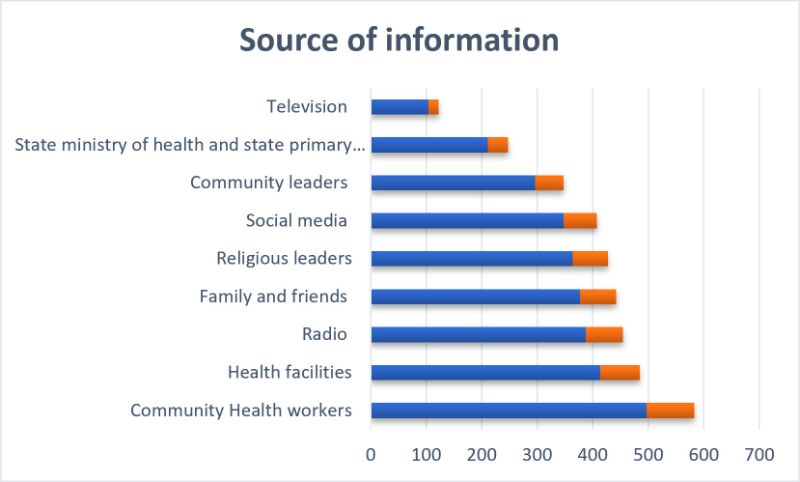
Figure 1: Source of health information among respondents
Figure 1 presented the sources of health information among the respondents. The findings revealed that community health workers constituted the most frequently reported source of health information, with 497 (86.0%) respondents indicating that they received health information through them. This was followed by health facilities, which were reported by 413 (71.5%) respondents, and radio, which served as a source of health information for 387 (67.0%) respondents. These findings indicated that healthcare providers and traditional mass media were the predominant channels through which health information was disseminated within the study population. The results further showed that family and friends served as a source of health information for 377 (65.2%) respondents, while religious leaders and social media were reported by 364 (63.0%) and 347 (60.0%) respondents, respectively. Additionally, community leaders were identified by 296 (51.2%) respondents as a source of health information, suggesting that community-based social structures played an important role in communicating health-related information. Conversely, 211 (36.5%) respondents reported obtaining health information from the State Ministry of Health and the State Primary Health Care Board, whereas television was the least utilized source, with only 104 (18.0%) respondents indicating that they received health information through this medium. These findings suggested that official government communication channels and television were less influential than interpersonal communication and community-based platforms in disseminating health information. Overall, the findings demonstrated that respondents relied predominantly on community health workers, health facilities, and radio for health information. The substantial contributions of family and friends, religious leaders, and social media further highlighted the importance of interpersonal relationships and digital communication in health information dissemination. The relatively lower reliance on television and official government channels suggested the need to strengthen these platforms to improve the reach and effectiveness of health literacy and risk communication interventions. The findings underscored the importance of integrating trusted community-based communication channels with mass media and government-led initiatives to enhance public access to accurate and timely health information in Bayelsa State.
Table 3: Respondents’ trusted sources of health information
|
Variable |
Frequency (n=578) |
Percent (%) |
|
Community Health workers |
462 |
79.9 |
|
Health facility |
380 |
65.7 |
|
Religious leaders |
326 |
56.4 |
|
Radio |
320 |
55.4 |
|
State ministry of health and state primary healthcare board |
266 |
46.0 |
|
Social media (WhatsApp, Facebook, You Tube) |
136 |
23.5 |
|
Community leaders |
127 |
22.0 |
|
Family and friends |
115 |
19.9 |
|
Television |
11 |
1.9 |
Source: Field survey, 2026
Table 3 presented the respondents' trusted sources of health information. The findings showed that community health workers were the most trusted source of health information, as reported by 462 (79.9%) respondents. This was followed by health facilities, which were trusted by 380 (65.7%) respondents, while religious leaders were trusted by 326 (56.4%) respondents. Similarly, 320 (55.4%) respondents identified radio as a trusted source of health information. These findings indicated that respondents placed greater trust in healthcare professionals, healthcare institutions, and established community structures for obtaining health information. The results further showed that 266 (46.0%) respondents trusted information disseminated by the State Ministry of Health and the State Primary Health Care Board, suggesting moderate confidence in official government health communication. In contrast, social media platforms, including WhatsApp, Facebook, and YouTube, were trusted by only 136 (23.5%) respondents, while community leaders and family members or friends were trusted by 127 (22.0%) and 115 (19.9%) respondents, respectively. Television was the least trusted source of health information, with only 11 (1.9%) respondents indicating that they relied on it for credible health information. This finding suggested that television played a minimal role in influencing respondents' trust regarding health-related information. Overall, the findings demonstrated that respondents placed the greatest trust in community health workers and health facilities, highlighting the central role of frontline healthcare providers in health promotion and risk communication in Bayelsa State. The relatively high level of trust in religious leaders and radio further emphasized the importance of faith-based organizations and traditional media in disseminating credible health messages. Conversely, the comparatively lower trust in social media, community leaders, family members or friends, and particularly television, suggested that these channels were perceived as less reliable sources of health information. These findings underscored the need for health authorities to continue leveraging trusted healthcare providers and community-based communication channels while strengthening the credibility and effectiveness of official government and digital health communication platforms.
Table 4: Respondents’ perception of risk communication
|
Variable |
Mean |
SD |
Interpretation |
|
Frequency of verifying the accuracy of health information |
3.10 |
1.35 |
Moderate verification |
|
Perception of how well health messages were communicated in the community |
3.66 |
1.08 |
High communication |
Source: Field survey, 2026
Decision rule: Mean scores of 1.00–2.49 = Low, 2.50–3.49 = Moderate, and 3.50–5.00 = High.
Table 4 presented the respondents' perception of risk communication. The findings showed that respondents demonstrated a moderate tendency to verify the accuracy of health information before accepting or acting on it, with a mean score of 3.10 ± 1.35. This finding suggested that although respondents sometimes verified the credibility of health information, verification was not a consistent practice among all participants. The relatively high standard deviation indicated noticeable variation in respondents' verification behaviours, implying that while some respondents frequently verified health information, others rarely did so. The respondents perceived that health messages were generally well communicated within their communities, as evidenced by a mean score of 3.66 ± 1.08, which fell within the high category. This finding indicated that respondents generally believed that health information was communicated clearly and effectively, enabling them to understand important public health messages. The comparatively lower standard deviation suggested greater consistency in respondents' perceptions regarding the quality of health communication within their communities. Overall, the findings indicated a positive perception of risk communication among the respondents. Although respondents generally perceived health messages to be well communicated, their moderate level of verifying the accuracy of health information suggested that critical appraisal of health information remained suboptimal. These findings underscored the need for health authorities to strengthen risk communication strategies by encouraging the public to routinely verify health information through credible sources while maintaining clear, timely, and consistent health messages. Such interventions could further enhance health literacy, reduce the spread of misinformation, and promote informed health decision-making among the population.
Table 5: Ranked preferred health communication formats among respondents
|
Variable |
Mean |
SD |
Rank |
Interpretation |
|
Written materials (flyer, pamphlet, poster, brochures, banners) |
0.787 |
0.410 |
1st |
Most preferred |
|
Verbal communication (discussions, seminars) |
0.754 |
0.431 |
2nd |
Highly preferred |
|
Visual aids (photographs, images, graphics) |
0.510 |
0.500 |
3rd |
Moderately preferred |
|
Videos |
0.498 |
0.500 |
4th |
Least preferred |
Table 5 presented the preferred health communication formats among the respondents. The findings showed that written materials, including flyers, pamphlets, posters, brochures, and banners, ranked first with the highest mean score (0.787 ± 0.410), indicating that they were the most preferred format for receiving health information. This finding suggested that respondents considered written educational materials to be an effective and accessible medium for health communication. Verbal communication, including discussions and seminars, ranked second with a mean score of 0.754 ± 0.431. This finding indicated that respondents highly preferred interpersonal communication, highlighting the importance of direct engagement with healthcare providers and community educators in disseminating health information. Visual aids, such as photographs, images, and graphics, ranked third with a mean score of 0.510 ± 0.500. This suggested that approximately half of the respondents preferred visual materials to enhance their understanding of health information, although they were less preferred than written and verbal communication. Videos ranked fourth and recorded the lowest mean score (0.498 ± 0.500), making them the least preferred health communication format among the respondents. This finding suggested that video-based communication was less acceptable or less accessible than other communication formats within the study population. Overall, the findings demonstrated that respondents preferred traditional health communication approaches, particularly written materials and face-to-face verbal communication, over multimedia formats. These findings suggested that health promotion programmes in Bayelsa State should prioritize the use of printed educational materials and interpersonal communication strategies while complementing them with visual aids and video-based messages where appropriate. Such an approach would likely improve the effectiveness of health literacy interventions and risk communication by aligning communication methods with respondents' preferences.
Table 6: Ranked barriers to accessing health information among respondents
|
Barriers to accessing health information |
Mean |
SD |
Rank |
Interpretation |
|
Language barriers |
0.590 |
0.492 |
1st |
Most reported barrier |
|
Limited access to information |
0.377 |
0.485 |
2nd |
High barrier |
|
Cultural beliefs |
0.543 |
0.499 |
3rd |
Moderate barrier |
|
Lack of trust in the source of information |
0.483 |
0.500 |
4th |
Least reported barrier |
Table 6 presented the ranked barriers to accessing health information among the respondents. The findings revealed that language barriers ranked first (Mean = 0.590 ± 0.492), making them the most frequently reported barrier to accessing health information. This finding suggested that language differences substantially limited respondents' ability to obtain and understand health-related information. Limited access to information ranked second (Mean = 0.543 ± 0.499), indicating that many respondents experienced difficulties in accessing reliable and timely health information. This finding highlighted the need to improve the availability and accessibility of health information through multiple communication channels. Cultural beliefs ranked third (Mean = 0.483 ± 0.500), suggesting that cultural norms and traditional beliefs moderately influenced respondents' access to and utilization of health information. Although cultural beliefs constituted an important barrier, they were less influential than language barriers and limited access to information. The least reported barrier was lack of trust in the source of information, which ranked fourth (Mean = 0.377 ± 0.485). This finding indicated that comparatively fewer respondents perceived distrust of health information sources as a major obstacle to accessing health information. Overall, the findings demonstrated that language barriers and limited access to health information were the predominant barriers affecting respondents' access to health information in Bayelsa State. These results underscored the importance of providing health information in local languages, expanding access to credible health information through diverse communication platforms, and implementing culturally sensitive communication strategies to improve health literacy and promote equitable access to health information.
Table 7: Chi-square test of independence between receiving health information and vaccination status among respondents
|
Observed |
|||
|
Variable |
Health information |
||
|
Vaccination status |
No |
Yes |
Grand Total |
|
No |
16 |
141 |
157 |
|
Yes |
17 |
404 |
421 |
|
Grand Total |
33 |
545 |
578 |
|
Expected |
|||
|
Variable |
Health information |
||
|
Vaccination status |
No |
Yes |
Grand Total |
|
No |
8.964 |
148.036 |
157 |
|
Yes |
24.036 |
396.964 |
421 |
|
Grand Total |
33 |
545 |
578 |
p-value=0.005
Table 7 presents a Pearson Chi-square test of independence was conducted to examine the association between receiving health information and vaccination status among respondents. The findings showed a statistically significant association between the two variables (χ² (1) = 8.04, p = 0.005). Since the p-value was less than the 0.05 level of significance, the null hypothesis of no association was rejected. Among respondents who received health information, 404 (96.0%) had received vaccination, whereas 141 (89.8%) of those who had not been vaccinated also reported receiving health information. Conversely, only 17 (4.0%) vaccinated respondents and 16 (10.2%) unvaccinated respondents reported not receiving health information. These observed frequencies differed from the expected frequencies under the assumption of independence, contributing to the statistically significant Chi-square result. Overall, the findings indicated that receiving health information was significantly associated with vaccination uptake among respondents in Bayelsa State. Respondents who reported receiving health information were more likely to have been vaccinated than those who did not receive health information. This finding suggested that improving access to accurate and timely health information could enhance vaccination uptake and support public health interventions aimed at increasing immunization coverage.
Health literacy and vaccination status
The mean health literacy score construct was developed using the following question items and each respondent had scores for the health literacy items. For example:
Health literacy item Score range
Comfortable reading health information 1–5
Seeking health information 1–5
Confidence in understanding health information 1–5
Interpreting percentages/figures/probabilities 1–5
Understanding of “Vaccine” 1–5
Understanding of “COVID-19, Hepatitis B, Ebola” 1–5
The formula was:
Mean Health Literacy Score = Q1+Q2+Q3+Q4+Q5+Q6
6
This was calculated for 578 respondents and presented in a table visa vice with the vaccination status for the estimation of binary logistic regression.
For this study:
Dependent variable (Y): Vaccination status (Yes/No)
Independent variable (X): Mean health literacy score (continuous e.g., 1-5)
Table 8: Binary logistic regression model predicting vaccination uptake from health literacy score among respondents
|
Variable |
Coefficients (β) |
Standard Error |
P-value |
Odd Ratio |
Lower 95% CI |
Upper 95% CI |
|
Intercept |
-1.096 |
0.360 |
0.002 |
0.334 |
0.165 |
0.678 |
|
Mean health literacy score |
0.628 |
0.108 |
0.001 |
1.873 |
1.516 |
2.315 |
Table 8 presents binary logistic regression which was conducted to determine whether the mean health literacy score predicted vaccination status. The result showed that the mean health literacy score was a statistically significant predictor of vaccination uptake (β = 0.628, SE = 0.108, p < 0.001). The odds ratio was 1.873 with a 95% confidence interval of 1.516 to 2.315. This indicated that for every one-unit increase in the mean health literacy score, the odds of being vaccinated increased by approximately 87.3%. Since the p-value was less than 0.05 and the confidence interval did not include 1, the association was statistically significant. Overall, the findings suggested that respondents with higher health literacy were more likely to have been vaccinated than those with lower health literacy.
Table 9: One-way ANOVA and Bonferroni pairwise comparisons of health literacy scores by educational level
|
ANOVA |
||||||
|
Source of Variation |
SS |
df |
MS |
F |
P-value |
F crit |
|
Between Groups |
142.2678 |
3 |
47.42261 |
80.54172 |
1.7 x 10-43 |
2.620428 |
|
Within Groups |
337.9687 |
574 |
0.588796 |
|||
|
Total |
480.2365 |
577 |
|
|
|
|
Pair-wise t-test and Bonferroni adjustment for significance
|
Variable |
t-test value |
Bonferroni adjustment factor |
Significant |
|
No formal education vs Primary education |
0.085158 |
0.008333 |
No |
|
No formal education vs Secondary education |
4.77 x 10⁻¹² |
0.008333 |
Yes |
|
No formal education vs Tertiary |
2.14 x 10⁻¹⁸ |
0.008333 |
Yes |
|
Primary vs Secondary |
1.19 x 10⁻⁹ |
0.008333 |
Yes |
|
Primary vs Tertiary |
3.64 x 10⁻¹⁹ |
0.008333 |
Yes |
|
Secondary vs Tertiary |
6.35 x 10⁻¹⁵ |
0.008333 |
Yes |
Table 9 presents a one-way analysis of variance (ANOVA) which was conducted to determine whether mean health literacy scores differed across respondents' educational levels (no formal education, primary education, secondary education, and tertiary education). The ANOVA revealed a statistically significant difference in mean health literacy scores among the four educational groups (F (3, 574) = 80.54, p = 1.7 × 10⁻⁴³). Since the p-value was far less than the 0.05 level of significance, the null hypothesis was rejected. These findings indicated that respondents' educational level had a significant influence on their health literacy scores. The between-group sum of squares was 142.27, while the within-group sum of squares was 337.97, resulting in a total sum of squares of 480.24. These findings suggested that a substantial proportion of the variability in health literacy was explained by differences in educational attainment. To identify which educational groups differed significantly, pairwise t-tests with Bonferroni adjustment were conducted. After adjusting for multiple comparisons (Bonferroni-adjusted significance level = 0.00833), there was no statistically significant difference between respondents with no formal education and those with primary education (p = 0.0852), as the p-value exceeded the adjusted significance threshold. However, statistically significant differences were observed between all other educational groups. Respondents with no formal education differed significantly from those with secondary education (p = 4.77 × 10⁻¹²) and tertiary education (p = 2.14 × 10⁻¹⁸). Respondents with primary education differed significantly from those with secondary education (p = 1.19 × 10⁻⁹) and tertiary education (p = 3.64 × 10⁻¹⁹). Respondents with secondary education also differed significantly from those with tertiary education (p = 6.35 × 10⁻¹⁵). Overall, the findings demonstrated that educational attainment was significantly associated with health literacy among respondents. Individuals with secondary and tertiary education exhibited significantly different health literacy levels compared with those with no formal or only primary education. The only comparison that was not statistically significant was between respondents with no formal education and primary education, suggesting that these two groups had comparable levels of health literacy. These findings implied that increasing educational attainment was associated with improved health literacy and underscored the importance of educational interventions in strengthening individuals' capacity to access, understand, evaluate, and use health information effectively.
Health literacy and health-seeking behaviour
The model was constructed from a question item on health-seeking behaviour with coding from the least appropriate to the most appropriate health-seeking behaviour:
Health-seeking behaviour Code
I rarely seek medical help 1
I seek medical help within a week 2
I seek medical help within 24 hours 3
I seek medical help immediately 4
Dependent variable (Y): health-seeking behaviour (1-4)
Independent variable (X): Mean health literacy score (range 1-5)
The statistical model is:
Log P (Y≤ j = αj - βX
P(Y> j
Y= Health-seeking behaviour (1-4)
X= Mean health literacy score
αj = Threshold (cut-point) for category j
β= Regression coefficient
Table 10: Linear regression analysis of the relationship between mean health literacy score and health-seeking behaviour among respondents
|
ANOVA |
|
||||||
|
df |
SS |
MS |
F |
Significance F |
|||
|
Regression |
1.000 |
164.679 |
164.679 |
231.042 |
0.000 |
|
|
|
Residual |
576.000 |
410.553 |
0.713 |
|
|||
|
Total |
577.000 |
575.232 |
|
||||
|
|
|||||||
|
Variable |
Coefficients (β) |
Standard Error |
t -Stat |
P-value |
Lower 95% CI |
Upper 95% CI |
|
|
Intercept |
0.922 |
0.137 |
6.742 |
0.000 |
0.653 |
1.191 |
|
|
Mean health literacy score |
0.586 |
0.039 |
15.200 |
0.001 |
0.510 |
0.661 |
|
Model Summary
Statistics Value
Regression sum of square 164.679
Residual sum of squares (SSE) 410.553
Total sum of squares (SST) 575,232
F-statistics 231.042
p-value <0.001
R2 = SSR = 164.679 = 0.286
SST 575.232
Thus, the model explained approximately 28.6% of the variation in health-seeking behaviour.
Table 10 presents a simple linear regression analysis which was performed to determine whether the mean health literacy score predicted health-seeking behaviour among respondents. The regression model was statistically significant (F (1, 576) = 231.042, p < 0.001), indicating that health literacy significantly predicted health-seeking behaviour. The findings showed that the mean health literacy score was a significant positive predictor of health-seeking behaviour (B = 0.586, SE = 0.039, t = 15.200, p < 0.001). The positive regression coefficient indicated that an increase in the mean health literacy score was associated with an increase in the health-seeking behaviour score. Specifically, for every one-unit increase in the mean health literacy score, the health-seeking behaviour score increased by approximately 0.586 units. The regression intercept was 0.922 (SE = 0.137, t = 6.742, p < 0.001), representing the estimated health-seeking behaviour score when the mean health literacy score was zero. The coefficient of determination (R² = 0.286) indicated that 28.6% of the variation in health-seeking behaviour was explained by respondents' health literacy. The remaining 71.4% of the variation was attributable to other factors not included in the regression model. Overall, the findings demonstrated that higher health literacy was significantly associated with better health-seeking behaviour among respondents. Respondents with higher levels of health literacy were more likely to engage in appropriate and timely health-seeking practices than those with lower levels of health literacy. These findings suggested that improving health literacy could contribute substantially to better health-seeking behaviour and should be considered an important component of public health interventions and health promotion programmes in Bayelsa State.
Discussions
The findings of this study indicated that the respondents were predominantly middle-aged adults, females, individuals with secondary or tertiary education, traders, and rural residents. These socio-demographic characteristics suggested that the study population largely comprised adults who were actively involved in household and community health decision-making. The relatively high proportion of respondents with formal education might have contributed to their ability to access, understand, and utilize health information effectively. These findings were consistent with previous studies, which identified age, sex, educational attainment, occupation, and place of residence as important social determinants of health literacy and health-related behaviours (Berkman et al., 2010; Nutbeam & Lloyd, 2021; K. Sørensen et al., 2012). Educational attainment, in particular, was recognized as one of the strongest predictors of health literacy because it enhanced reading comprehension, communication skills, and informed health decision-making.
The findings presented in Table 2 demonstrated that respondents generally possessed moderate to high levels of health literacy. Respondents exhibited high levels of understanding of common health terms, including vaccines, COVID-19, Hepatitis B, and Ebola, and reported being comfortable reading health information. However, they demonstrated only moderate confidence in understanding health information, actively seeking health information, and interpreting numerical information such as percentages and probabilities. These findings suggested that although respondents were familiar with common public health concepts, some limitations remained in their ability to critically evaluate and apply complex health information in making informed health decisions. Similar findings were reported by Nutbeam (2008), who emphasized that health literacy encompassed functional, interactive, and critical competencies required for accessing, understanding, appraising, and applying health information (van der Heide et al., 2015). Likewise, it was reported that individuals with higher health literacy were better equipped to interpret health messages, communicate with healthcare providers, and make informed decisions regarding disease prevention and health promotion (K. Sørensen et al., 2012). Further scholarly reports observed that improved health literacy was associated with healthier behaviours, greater utilization of preventive healthcare services, and better health outcomes (Berkman et al., 2011). The findings therefore suggested that while respondents demonstrated satisfactory functional health literacy, further interventions were needed to strengthen critical health literacy, particularly in interpreting health risks and independently seeking reliable health information.
The findings presented in Figure 1 showed that respondents obtained health information from multiple sources, with healthcare professionals and health facilities constituting the primary sources, followed by radio, television, social media, family members, friends, and community leaders. This finding suggested that respondents relied on both formal healthcare systems and informal community networks for health information. The predominance of healthcare professionals as the preferred source agreed with the findings of the scholars which recognized healthcare workers as the most trusted and credible providers of health information because of their professional expertise and direct interaction with patients (Paparini et al., 2023). Similarly, it was reported that trust in healthcare providers significantly influenced public acceptance of health messages and adherence to recommended health interventions (Ewald et al., 2025). The continued reliance on radio and television also reflected the importance of traditional mass media in disseminating health information, particularly within rural communities where internet access may be limited. However, the increasing use of social media indicated the growing importance of digital communication platforms while simultaneously highlighting the need to address misinformation circulating through these channels. The contribution of family members, friends, and community leaders further demonstrated the influence of interpersonal communication and community structures in shaping health knowledge and behaviours, consistent with the Social Ecological Model proposed by McLeroy (Mcleroy et al., 1988). These findings suggested that effective health communication programmes in Bayelsa State should adopt an integrated communication strategy that combined healthcare professionals, traditional media, digital platforms, and community-based communication channels to improve health literacy, strengthen public trust, and promote positive health behaviours.
The findings presented in Table 3 demonstrated that respondents placed the greatest trust in healthcare professionals and health facilities as sources of health information, while relatively lower levels of trust were reported for social media and other informal information sources. This finding suggested that healthcare providers remained the most credible and dependable sources of health information among the study population (Ewald et al., 2025). The high level of trust observed in healthcare professionals could have been attributed to their professional training, technical expertise, ethical responsibility, and direct interaction with community members. This finding was consistent with the World Health Organization (2023), which reported that healthcare professionals are the most trusted communicators during public health emergencies because they provide accurate, evidence-based, and timely health information. Similarly, it was found that trust in healthcare providers significantly influenced public acceptance of health recommendations, adherence to preventive measures, and confidence in vaccination programmes (Ewald et al., 2025). It was further reported that individuals who relied on credible health information sources were more likely to possess higher health literacy, make informed healthcare decisions, and engage in positive health behaviours (Berkman et al., 2011). The study also indicated that respondents obtained and trusted health information from traditional mass media, including radio and television, although these sources were generally considered less trustworthy than healthcare professionals. This finding agreed with the scholarly reports that highlighted the continued importance of radio and television as effective channels for disseminating public health information in low- and middle-income countries, particularly within rural communities where internet connectivity might be limited (Ouchene et al., 2024). However, the relatively lower level of trust reported for social media suggested increasing awareness of the widespread circulation of misinformation and unverified health messages on digital platforms (Silva Ferreira, 2025). During the COVID-19 pandemic, the World Health Organization described the rapid spread of false health information through digital media as an "infodemic," emphasizing that misinformation undermined public confidence, increased vaccine hesitancy, and reduced adherence to public health recommendations. Similarly, misinformation transmitted through social media complicated disease control efforts by creating confusion and distrust among the public. The findings further demonstrated that respondents trusted information obtained through family members, friends, community leaders, and religious leaders to varying degrees, highlighting the continuing importance of interpersonal communication within communities (Govindaraju et al., 2026; Sage, 2020). This observation supported the Social Ecological Model proposed by McLeroy, which emphasized that health behaviours are influenced by interpersonal relationships, community structures, and the broader social environment (Mcleroy et al., 1988). Likewise, community leaders and trusted local influencers play a crucial role in enhancing public confidence in health interventions, particularly during disease outbreaks and emergency response situations. These findings therefore suggested that strengthening collaboration between healthcare professionals and community stakeholders would enhance the credibility, acceptability, and effectiveness of health communication programmes in Bayelsa State.
The findings presented in Table 4 demonstrated that respondents generally had a positive perception of risk communication, indicating that public health messages regarding disease prevention, vaccination, and other health risks were communicated adequately. Respondents perceived that health information was relatively timely, understandable, relevant, and useful in supporting health-related decision-making. Nevertheless, variations in respondents' ratings suggested that improvements were still required in message clarity, consistency, accessibility, and responsiveness to community concerns. These findings implied that although existing risk communication strategies had improved public awareness, opportunities remained to strengthen communication practices, particularly among individuals with varying levels of health literacy. The findings were consistent with the World Health Organization, which emphasized that effective risk communication should be timely, transparent, accurate, evidence-based, and responsive to public concerns (WHO, 2021). Similarly, scholars argued that effective risk communication requires clear, consistent, and trustworthy messages capable of reducing uncertainty and enabling individuals to make informed health decisions (Leiss, 2004). A well-designed risk communication improves public understanding of health risks, reduces fear and misinformation, strengthens community trust, and promotes compliance with recommended public health interventions during disease outbreaks. These observations were particularly relevant to Bayelsa State, where effective communication remains essential for controlling infectious diseases and promoting preventive healthcare practices. The positive perception of risk communication observed in this study also supported the Elaboration Likelihood Model which suggested that individuals are more likely to process health information through the central route when messages are understandable, relevant, and delivered by trusted sources (Susmann et al., 2022; Q. Wang et al., 2025). Consequently, respondents who perceived risk communication positively were more likely to comprehend health risks accurately, develop confidence in recommended interventions, and adopt appropriate preventive health behaviours. Similarly, the Health Belief Model proposed that individuals are more likely to adopt protective health behaviours when they clearly understand disease susceptibility, disease severity, and the benefits of preventive action through credible communication (Rosenstock, 1974). Collectively, the findings suggested that healthcare professionals should remain the cornerstone of health communication and risk communication strategies in Bayelsa State. Public health authorities should continue strengthening the communication capacity of healthcare workers while expanding partnerships with traditional media, community leaders, religious organizations, and digital communication platforms to ensure that health messages are accurate, culturally appropriate, and widely accessible. Furthermore, proactive efforts to combat misinformation through evidence-based communication, community engagement, and media literacy programmes would likely strengthen public trust, improve health literacy, increase vaccine confidence, and promote healthier behaviours among the population.
The findings presented in Table 5 showed that respondents preferred written materials, including flyers, pamphlets, posters, brochures, and banners, as the most preferred health communication format, followed by verbal communication through discussions and seminars. Visual aids ranked third, while videos were the least preferred communication format. These findings suggested that respondents preferred simple, accessible, and familiar methods of receiving health information. The preference for written materials may have reflected respondents' relatively good educational attainment and their ability to refer to printed information repeatedly for better understanding. Similarly, the high preference for verbal communication highlighted the importance of interpersonal interactions between healthcare workers and community members in facilitating understanding, clarifying misconceptions, and promoting trust. These findings were consistent with literatures that emphasized effective health communication should utilize communication methods that match the literacy level and information needs of the target population. Likewise, the World Health Organization recommended combining written educational materials with face-to-face communication to improve message comprehension and encourage positive health behaviours (WHO, 2021). Interestingly, interpersonal communication delivered by trusted healthcare professionals enhanced public confidence and improved compliance with public health recommendations. Although visual aids and videos were less preferred, they remained important complementary communication tools, particularly for individuals with limited literacy and during health promotion campaigns requiring demonstration of preventive practices. The findings presented in Table 6 identified several barriers that limited respondents' access to health information, with inadequate access to reliable information, misinformation, language differences, low literacy, and poor communication infrastructure ranking among the most important barriers. These findings suggested that both individual and systemic factors continued to hinder equitable access to accurate health information in Bayelsa State. Similar findings identified limited literacy, inadequate access to credible information, and communication barriers as major determinants of poor health literacy and reduced healthcare utilization (Alshammari et al., 2018; Mary Adekoya et al., 2024). Sørensen et al., likewise reported that social, educational, and environmental factors significantly influenced individuals' ability to access, understand, evaluate, and apply health information (K. Sørensen et al., 2012). The prominence of misinformation among the identified barriers further supported warning that the rapid spread of false and misleading information, particularly through digital media, had become a major obstacle to effective public health communication (Kallas-Silva et al., 2025; Lee et al., 2022; Pluviano et al., 2017). Furthermore, culturally appropriate communication, the use of local languages, and literacy-sensitive educational materials significantly improve access to health information among diverse populations. These findings therefore suggested that addressing communication barriers would require strengthening community-based health education, expanding access to trusted communication channels, simplifying health messages, promoting local-language communication, and implementing strategies to counter misinformation. Such interventions would improve health literacy, enhance public understanding of health information, and promote informed health decision-making among residents of Bayelsa State.
The findings presented in Table 7 demonstrated that there was a statistically significant association between receiving health information and vaccination status among respondents. Respondents who reported receiving health information were significantly more likely to have been vaccinated than those who did not receive health information. This finding suggested that access to accurate and timely health information positively influenced respondents' decisions to receive vaccination. The result was consistent with the Health Belief Model which postulated that individuals were more likely to adopt preventive health behaviours when they understood their susceptibility to disease, perceived the benefits of preventive interventions, and received credible health information (Rosenstock, 2016). Similarly, adequate access to reliable health information improved health literacy, strengthened informed decision-making, and increased the utilization of preventive healthcare services, including vaccination. Furthermore, identified inadequate access to accurate health information was one of the major drivers of vaccine hesitancy globally. The World Health Organization also emphasized that effective health communication remains fundamental to improving vaccine confidence and increasing immunization coverage. These findings therefore suggested that strengthening access to credible health information through healthcare professionals and community-based communication channels would enhance vaccination uptake in Bayelsa State.
The findings presented in Table 8 further demonstrated that health literacy significantly predicted vaccination uptake among respondents. The binary logistic regression model showed that respondents with higher health literacy scores were significantly more likely to receive vaccination than those with lower health literacy scores. This finding indicated that health literacy independently influenced vaccination behaviour even after considering the binary outcome of vaccination status. The positive odds ratio suggested that increasing health literacy substantially increased the likelihood of vaccine acceptance and uptake. These findings agreed with Sørensen et al., who described health literacy as an essential determinant of individuals' ability to obtain, understand, evaluate, and apply health information in making appropriate health decisions (K. Sørensen et al., 2012). Likewise, it was concluded that higher health literacy improved preventive health behaviours, treatment adherence, and utilization of healthcare services (Berkman et al., 2010). Similarly, scholars reported that individuals with limited health literacy frequently misunderstood health information, resulting in delayed healthcare utilization and lower uptake of preventive interventions (Cho et al., 2008; Dudafa & Titus, 2024). Furthermore, the findings supported the recommendations of the World Health Organization experts recognized strengthening health literacy as a key strategy for addressing vaccine hesitancy and improving public confidence in immunization programmes (Larson, 2014). These findings therefore highlighted the importance of integrating health literacy interventions into routine public health programmes to improve vaccination coverage.
The findings presented in Table 9 revealed that educational level was significantly associated with health literacy. The one-way ANOVA demonstrated statistically significant differences in mean health literacy scores across educational groups, while the Bonferroni post-hoc analysis indicated that respondents with secondary and tertiary education generally had significantly higher health literacy scores than those with lower educational attainment. However, no significant difference was observed between respondents with no formal education and those with primary education, suggesting that basic education alone might not have been sufficient to produce meaningful improvements in health literacy. These findings were consistent with previous studies identifying education as one of the strongest determinants of health literacy. Scholars argued that education improves functional, interactive, and critical health literacy by enhancing reading ability, communication skills, and critical appraisal of health information (van der Heide et al., 2015). Similarly, individuals with higher educational attainment demonstrated greater ability to understand health information, navigate healthcare systems, and adopt healthier behaviours. The findings also aligned with the Social Determinants of Health Framework, which recognized education as a fundamental social determinant influencing health knowledge, health behaviours, and health outcomes (Nutbeam & Lloyd, 2021). These findings suggested that investments in education and literacy-sensitive health promotion programmes would substantially improve health literacy and contribute to better public health outcomes in Bayelsa State.
The findings presented in Table 10 demonstrated that mean health literacy score was a significant positive predictor of health-seeking behaviour among respondents in Bayelsa State. The linear regression analysis revealed that the regression model was statistically significant (F = 231.042, p < 0.001), indicating that health literacy significantly influenced respondents' health-seeking behaviour. Furthermore, the coefficient of determination (R² = 0.286) showed that 28.6% of the variation in health-seeking behaviour was explained by respondents' mean health literacy score, while the remaining variation was attributable to other factors not included in the model. The positive regression coefficient further indicated that increases in health literacy were associated with corresponding improvements in health-seeking behaviour. These findings suggested that respondents with higher health literacy were more likely to seek appropriate healthcare promptly, utilize preventive health services, and make informed health-related decisions. The findings were consistent with the integrated health literacy model proposed by Sørensen et al., which stated that individuals with higher health literacy are better able to access, understand, appraise, and apply health information in making appropriate health decisions (K. Sørensen et al., 2012). Similarly, higher health literacy was associated with greater utilization of preventive healthcare services, improved treatment adherence, healthier lifestyles, and better health outcomes. scholars observed that individuals with inadequate health literacy frequently delayed seeking medical care, misunderstood health information, and experienced poorer health outcomes because of their limited ability to navigate healthcare systems effectively (Cho et al., 2008; Shahid et al., 2022). The findings further supported the Health Belief Model developed by Rosenstock, which proposed that individuals who understood disease susceptibility, disease severity, and the benefits of preventive healthcare were more likely to engage in positive health-seeking behaviours (Rosenstock, 2016). Respondents with higher health literacy were therefore better positioned to recognize symptoms of illness, interpret health messages correctly, appreciate the importance of early treatment, and seek appropriate healthcare without unnecessary delay. Likewise, scholars argued that health literacy extends beyond functional reading skills to include interactive and critical competencies that enable individuals to evaluate health information and make informed decisions regarding disease prevention and healthcare utilization (van der Heide et al., 2015). These findings highlighted the important role of health literacy in promoting appropriate health-seeking behaviour among residents of Bayelsa State. They suggested that strengthening health literacy through continuous community health education, literacy-sensitive communication, simplified health messages, and improved engagement between healthcare providers and community members could enhance timely healthcare utilization and preventive health practices. Such interventions would likely improve individual health outcomes, reduce delays in accessing healthcare services, and strengthen the effectiveness of primary healthcare programmes in Bayelsa State.
Conclusion
This study concluded that respondents in Bayelsa State generally demonstrated moderate to high levels of health literacy, although deficiencies remained in interpreting numerical health information and consistently seeking reliable health information. Community health workers and health facilities were identified as the most trusted and frequently utilized sources of health information, while respondents generally perceived existing risk communication efforts positively. Written materials and verbal communication were the most preferred formats for receiving health information, whereas misinformation, inadequate access to reliable information, language barriers, and low literacy were identified as the major barriers to effective health communication. The study further established that receiving health information was significantly associated with vaccination uptake, health literacy significantly predicted vaccination uptake and health-seeking behaviour, and educational attainment significantly influenced health literacy. These findings indicated that health literacy played a critical role in improving preventive health behaviours and informed decision-making among the study population. The study therefore concluded that strengthening health literacy through evidence-based, culturally appropriate, and literacy-sensitive risk communication strategies delivered by trusted healthcare professionals and community-based communication channels would have improved public understanding of health information, increased vaccination uptake, promoted timely healthcare-seeking behaviour, and reduced the impact of misinformation. The findings provided useful evidence to guide policymakers, public health practitioners, and healthcare providers in designing interventions aimed at strengthening health literacy and improving health outcomes among residents of Bayelsa State.
Recommendations
1. Strengthen health literacy programmes: The Bayelsa State Ministry of Health and the Bayelsa State Primary Health Care Board should develop and implement regular community-based health literacy programmes aimed at improving the public's ability to access, understand, evaluate, and apply health information for informed decision-making.
2. Strengthen the capacity of community health workers: Given that community health workers were identified as the most trusted and frequently used source of health information, continuous training should be provided to enhance their knowledge and communication skills in health education and risk communication.
3. Improve risk communication strategies: Health communication messages should be simplified, evidence-based, culturally appropriate, and translated into local languages to improve understanding among individuals with varying literacy levels, particularly those residing in rural communities.
4. Address misinformation and disinformation: Government agencies, healthcare institutions, and media organizations should establish coordinated mechanisms to promptly identify, correct, and counter misinformation circulating through social media and other communication platforms.
5. Utilize preferred communication formats: Public health campaigns should prioritize written educational materials, such as flyers, posters, brochures, and pamphlets, while complementing these with interpersonal communication through community health workers, healthcare providers, religious leaders, and community leaders.
6. Promote equitable access to health information: Efforts should be made to improve access to reliable health information by expanding outreach services, strengthening community engagement, and ensuring that health information reaches underserved and hard-to-reach rural populations.
7. Integrate health literacy into primary healthcare services: Health literacy assessment and education should become routine components of primary healthcare services, enabling healthcare workers to identify individuals with limited health literacy and provide appropriate support during patient interactions.
8. Strengthen vaccination and preventive health campaigns: Since receiving health information and higher health literacy were associated with improved vaccination uptake and health-seeking behaviour, immunization and disease prevention programmes should incorporate structured health literacy and risk communication interventions to improve community participation.
9. Promote educational interventions: Government and development partners should invest in adult education and lifelong learning programmes, as higher educational attainment was associated with better health literacy among respondents. Improving general literacy would likely contribute to improved health outcomes and informed healthcare decisions.
10. Conduct further research: Future studies should employ longitudinal and mixed-methods designs to explore causal relationships between health literacy, risk communication, and health outcomes, and to evaluate the long-term effectiveness of health literacy interventions across different populations and health conditions in Nigeria.
Acknowledgements
The authors sincerely expressed their profound gratitude to the Ethics Committee of the Bayelsa State Primary Health Care Board for granting ethical approval and permission to conduct this study. Their guidance and oversight ensured that the research was conducted in accordance with accepted ethical standards and principles. The authors also appreciated the management and staff of the Bayelsa State Primary Health Care Board for their institutional support and cooperation throughout the planning and implementation of the study. Special appreciation was extended to the data enumerators for their dedication, professionalism, and commitment during data collection, which contributed significantly to the quality and completeness of the data obtained. The authors were equally grateful to the public health professionals, epidemiologists, and research experts who reviewed the research instrument and provided valuable suggestions that improved the clarity, relevance, and content of the questionnaire. Special appreciation was extended to the community leaders across the selected communities for facilitating community entry, mobilizing participants, and fostering a supportive environment that enabled the successful conduct of the study. Finally, the authors sincerely thanked all the respondents who willingly and voluntarily participated in the study by giving their time, sharing their experiences, and providing valuable information. Without their cooperation and willingness to participate, this research would not have been possible. Their contributions formed the foundation upon which the findings and recommendations of this study were developed.
Authors’ Contribution
Ebiakpor Bainkpo Agbedi conceived and designed the study, developed the research objectives and methodology, and coordinated all phases of the research project. He led the field investigation, supervised project administration, managed data curation, conducted the formal statistical analyses, interpreted the findings, and prepared the data visualizations. He also drafted the original manuscript, critically revised and edited successive versions of the manuscript, integrated reviewers' comments, and approved the final version for publication.
Mordecai Oweibia contributed to data curation by ensuring data quality, completeness, and consistency throughout the study. He participated in the validation of the research instrument, verified the accuracy of the data and statistical outputs, and provided technical and scientific supervision throughout the research process. He also critically reviewed the manuscript for methodological rigor and analytical accuracy and contributed to improving the overall quality of the final manuscript.
Pere-Ere Glory Agbedi participated in the field investigation and coordinated aspects of project administration, including community engagement and data collection activities. She contributed to the implementation of the study protocol, assisted in drafting the manuscript, reviewed relevant literature, and participated in revising the manuscript to improve its scientific content, clarity, and presentation.
All authors made substantial intellectual contributions to the conception, design, implementation, analysis, interpretation, and reporting of the study. They critically reviewed the manuscript, approved the final version for publication, and agreed to be accountable for all aspects of the work by ensuring that issues relating to the accuracy, integrity, and validity of the research were appropriately investigated and resolved in accordance with the International Committee of Medical Journal Editors (ICMJE) authorship recommendations.
No Conflict of Interest
The authors declared that there were no conflicts of interest regarding the publication of this research. The study did not receive any financial support, grant, sponsorship, or funding from any government agency, non-governmental organization, commercial entity, or funding body. The authors also declared that no financial gratification, personal benefit, or material compensation was received at any stage of the study. Furthermore, the research was conducted independently, without any influence from professional organizations, political groups, commercial institutions, pharmaceutical companies, or other external bodies that could have affected the study design, data collection, analysis, interpretation of findings, or preparation of the manuscript. The authors affirmed that the findings and conclusions presented in this article were based solely on the data obtained during the study and reflected their independent scientific judgment.


Open Access By Aditum Open Access Journals id licensed under Creative Commons Attribution 4.0 International License. Based On a Work at aditum.org


