
International Journal of Epidemiology And Public Health Research
OPEN ACCESS | Volume 10 - Issue 5 - 2026
ISSN No: 2836-2810 | Journal DOI: 10.61148/2836-2810/IJEPHR


Md Belayet Hossain Akanda
Junior Consultant, Department of Physiotherapy, Community Based Medical College Hospital, Mymensingh.
Corresponding author: Md Belayet Hossain Akanda, Junior Consultant, Department of Physiotherapy, Community Based Medical College Hospital, Mymensingh.
Received: November 15, 2026 | Accepted: November 25, 2026 | Published: December 01, 2026
Citation: Belayet H Akanda. (2026) “Adhesive Capsulitis among Diabetes Mellitus Patients”. International Journal of Epidemiology and Public Health Research, 11(2); DOI: 10.61148/28362810/IJEPHR/240.
Copyright: © 2026. Belayet Hossain Akanda, This is an open access article distributed under the Creative Commons Attribution License, which permits unrestricted use, distribution, and reproduction in any medium, provided the original work is properly cited.
Sufferings of adhesive capsulitis patients were immense. Adding diabetes with adhesive capsulitis make it more complicated and burden. The present study was conducted to assess adhesive capsulitis among diabetes mellitus patients. Diabetes was confirmed by checking diabetes book or medical records. Adhesive capsulitis was detected first in the outdoor and later during interview also. Adhesive capsulitis among diabetic patients was 14.40%. Gender and adhesive capsulitis was not statistically associated. So it is concluding that adhesive capsulitis among diabetes patients is still high enough.
Adhesive capsulitis, Diabetes Mellitus
Our day to day experience indicates that adhesive capsulitis is a painful condition.1 Evidence suggests that early age affection occurs seldomly.2 Our day to day observation is that male are affected less than female and literature also supports.3 Surprisingly active shoulder is affected less than inactive shoulder..4-5 Diabetes patients are affected more in adhesive capsulitis. When I apply physiotherapy to them find difficulty to manage and progress is slow. Several studies found that adhesive capsulitis in diabetes patients was reported to be 10%-36%.6-8 But what is the scenario in our country.
Methods
An epidemiological observational cross-sectional study was carried out. Total 125 pre-diagnosed diabetic patients attended for physiotherapy. Data were collected through face to face interview and movement examination. Diabetes book or medical records were used for confirmation of having diabetes. Assurance was given about confidentiality of information. Radiological evidence was done to over confirm about diagnosis of adhesive capsulitis.
Results
Table 1: Age group distribution of the patients
Mean age was 53.16±11.39 years. Nearly half of the patients belonged to 35-50 years age group followed by 36% from 51-65 years of age and 16% from >65 years of age.
|
Age group in years |
Frequency |
Percentage |
|
Mean±SD |
53.16±11.39 |
|
|
35-50 |
60 |
48 |
|
51-65 |
45 |
36 |
|
>65 |
20 |
16 |
|
Total |
125 |
100 |
Figure 1: Gender distribution of the patients
Male and female distribution was 48% and 52%.
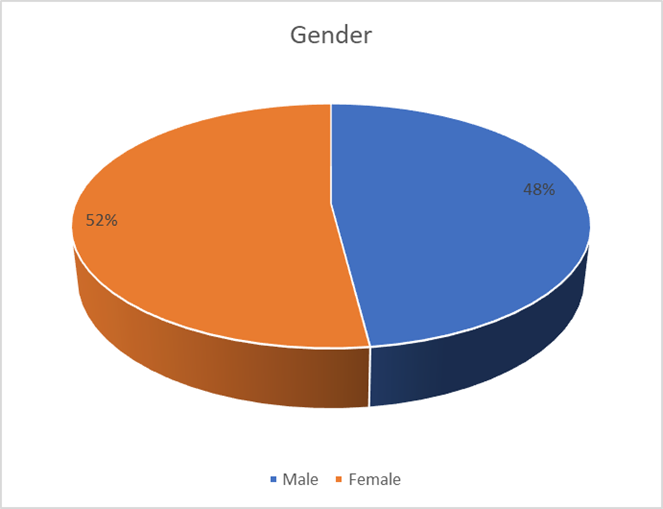
Figure 2: Educational level of the patients
Half of the patients were graduate followed by HSC 36%, primary 12% and post-graduate 8%.
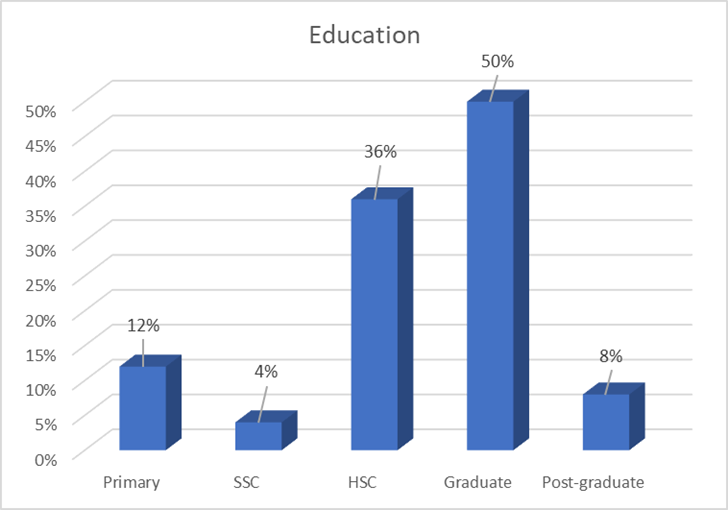
Figure 3: Occupational status of the patients
Service holder, businessman, housewife, retired, farmer and day labor were 28%, 24%, 20%, 16%, 8% and 4% respectively.
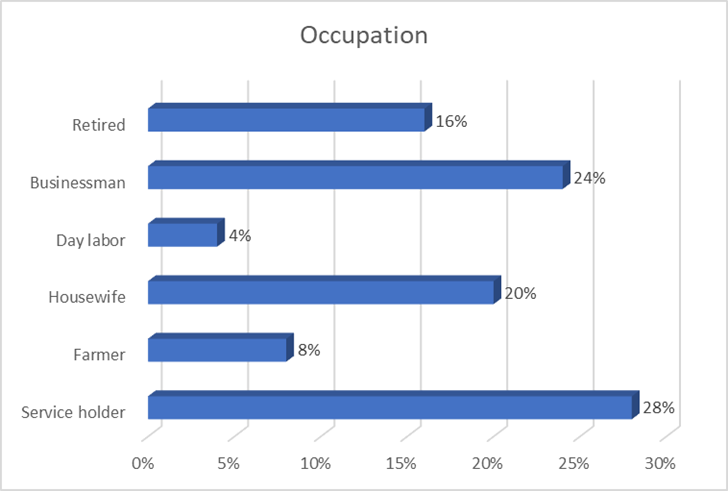
Table 2: Monthly family income of the patients
Mean family income of the patients was 29908.00±13640.89 BDT. More than half of the patients (53.6%) earned ≤30000 BDT per month and 42.4% family had monthly income 30001-50000 BDT.
|
Monthly income |
Frequency |
Percentage |
|
Mean±SD |
29908.00±13640.89 |
|
|
≤30000 |
67 |
53.6 |
|
30001-50000 |
53 |
42.4 |
|
>50000 |
5 |
4.0 |
|
Total |
125 |
100 |
Figure 4: Prevalence of adhesive capsulitis among diabetic patients
Prevalence of adhesive capsulitis among diabetic patients was 14.40%.
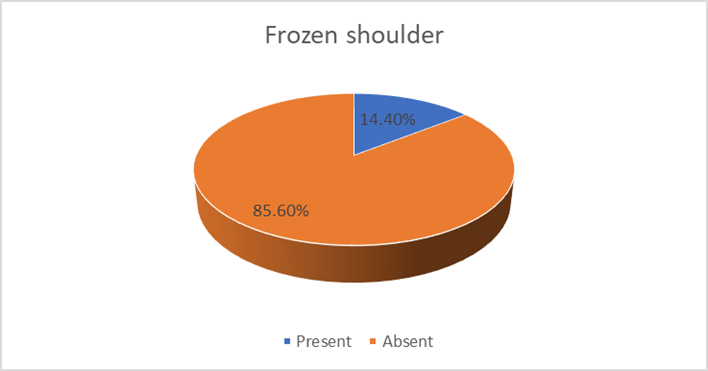
Table 3: Association between adhesive capsulitis and gender
Association between adhesive capsulitis and gender was not statistically significant (p=0.488>0.05).
|
Gender |
Adhesive capsulitis |
Total |
χ2
|
p-value |
|
|
Present |
Absent |
||||
|
Female |
10(8) |
50(40) |
60(48) |
0.481 |
0.488
|
|
Male |
8(6.4) |
57(45.6) |
65(52) |
||
|
Total |
18(14.4) |
107(85.6) |
125(100.0) |
||
Discussion
Diabetes has multiple complications. The present study found 14.4% diabetic patients had adhesive capsulitis. Another study found that prevalence of adhesive capsulitis in diabetic patients was 17.2%9 which is quite similar to this present study. Results was similar to study done by Gary S. et al who showed that the prevalence was 12%10 and Nilüfer et al who showed that the prevalence was 24%11 and Richard et al who found that the prevalence was 19%1. Evidence suggests that adhesive capsulitis in patients with long-lasting type 1 diabetes was 59% and the lifetime prevalence was 76%.12 Actually no part of the world is immune in case of adhesive capsulitis among diabetic patients. The present study showed that male and female affected equally but Hussain et al (2010) found that male were less affected than female.
Conclusion
The study concluded that adhesive capsulitis is highly prevalent among patients suffering from diabetes.



Open Access By Aditum Open Access Journals id licensed under Creative Commons Attribution 4.0 International License. Based On a Work at aditum.org


