
International Journal of Epidemiology And Public Health Research
OPEN ACCESS | Volume 10 - Issue 5 - 2026
ISSN No: 2836-2810 | Journal DOI: 10.61148/2836-2810/IJEPHR


Subtitle: New Books Offer Compelling Framework for Understanding the Interconnected Global Crises Reshaping Our Planet
Prof. Begum Khaleda Khanam
Former Chair of the Department of AIS, Faculty of Business Studies, University of Dhaka, Nilkhet Road, Dhaka-1000, Bangladesh.
Corresponding author: Prof. Begum Khaleda Khanam, Former Chair of the Department of AIS, Faculty of Business Studies, University of Dhaka, Nilkhet Road, Dhaka-1000, Bangladesh.
Received: November 01, 2026 | Accepted: November 07, 2026 | Published: November 19, 2026
Citation: Begum K Khanam. (2026) “Book Series Review: Socioeconomic Challenges Amidst a Global Triple Threat of Conflicts, COVID-19, and Climate Change”. International Journal of Epidemiology and Public Health Research, 11(1); DOI: 10.61148/28362810/IJEPHR/236.
Copyright: © 2026. Begum Khaleda Khanam, This is an open access article distributed under the Creative Commons Attribution License, which permits unrestricted use, distribution, and reproduction in any medium, provided the original work is properly cited.
Contemporary global crises increasingly intersect, creating complex and mutually reinforcing threats to socioeconomic stability, human security, and sustainable development. The book series Socioeconomic Challenges Amidst a Global Triple Threat of Conflicts, COVID-19, and Climate Change, a multidisciplinary, seven-volume scholarly work that explores the interconnected consequences of the three crises, collectively termed the “3Cs.” Drawing on diverse national and regional experiences, the book investigates how armed conflicts, geopolitical rivalries, economic sanctions, pandemic-related disruptions, and climate risks exacerbate poverty, inequality, food insecurity, displacement, and institutional fragility. It further examines the implications of these pressures for healthcare systems, energy security, international trade, agricultural production, pharmaceutical supply chains, and economic governance. By encompassing several countries and regions, the work demonstrates how historical inequalities, uneven institutional capacity, and unequal access to resources shape societies’ resilience to successive shocks. Particular attention is given to the disproportionate burdens borne by vulnerable populations, including women, children, displaced communities, and economically disadvantaged households. The analysis also challenges conventional assessments of national progress based solely on economic growth, geopolitical influence, or strategic advantage, emphasizing the importance of equitable resource distribution and human welfare. Ultimately, the article demonstrate the book’s contribution to understanding global crises as interconnected rather than isolated phenomena. It underscores the importance of integrated policymaking, people-centered diplomacy, sustainable conflict resolution, equitable climate finance, resilient public health systems, and inclusive development. The work offers valuable interdisciplinary insights for researchers, policymakers, development practitioners, and international institutions seeking coordinated, equitable, and sustainable responses to contemporary global challenges.
Climate finance; Forced displacement; Food and fuel crunches, Inequality; Unemployment
Published by the Netherlands-based publisher Bentham Science, the book “Socioeconomic Challenges Amidst a Global Triple Threat of Conflicts, COVID-19, and Climate Change” is an informative seven-volume work that brings together 65 authors from 22 countries to examine one of the defining realities of the contemporary world: Crises rarely occur in isolation; they often overlap and reinforce one another. It offers a compelling framework for understanding these interconnected pressures interact to produce cascading socioeconomic consequences.
Its central argument is that conflicts, COVID-19, and climate change—the three interconnected crises, or “3Cs”—interact in ways that amplify economic, social, environmental, and humanitarian vulnerabilities. Rather than treating these crises events as isolated emergencies, it invites readers to examine the structural conditions that allow crises to reinforce one another, deepen inequality and undermine the prospects of sustainable development. Its underlying significance lies in a question that should concern policymakers everywhere: when global systems are designed to generate prosperity and security, why do so many people remain exposed to hunger, displacement, unaffordable healthcare and economic insecurity?.
Drawing on diverse national and regional contexts, the book examines how geopolitical rivalries, institutional weaknesses, historical inequalities and environmental pressures shape societies’ capacity to withstand disruption. Its comparative perspective is particularly valuable because it challenges the assumption that national income or geopolitical influence necessarily guarantees social resilience.
About the Book
The first major focus is the experience of war-torn and conflict-affected countries. Through cases including Afghanistan, Ukraine, Sudan, Yemen, Syria, Israel–Palestine, Tigray (of Northern Ethiopia), Iraq, and the DR Congo, the volumes detail how prolonged conflict destroys infrastructure, weakens institutions, disrupts agriculture and labor markets, increases poverty and food insecurity, and drives mass displacement. The analysis also shows how conflict magnifies the effects of drought, water scarcity, environmental degradation, and disease outbreaks. In these settings, the pandemic did not simply create another crisis; it exposed and deepened pre-existing weaknesses in health systems, governance, education, and social protection.
A second important contribution is the book’s examination of geopolitical and economic disruption beyond active war zones. The volumes addressing Western countries and nations under international sanctions explore Iran, Russia, the United Kingdom, the United States, and Europe, showing how sanctions, energy shocks, geopolitical rivalry, inflation, and disrupted trade routes can produce consequences far beyond the countries directly involved. The discussion highlights the fragmentation of global markets, alternative financial and energy networks, supply-chain vulnerabilities, and the continuing economic effects of the Ukraine war and Middle East tensions. It also considers how COVID-19 and climate pressures have strained healthcare systems, labor markets, public finances, and social safety nets even in relatively wealthy economies.
The volumes detailing post-colonial countries add another layer by connecting contemporary vulnerability with historical structures. Australia, Sub-Saharan Africa, Ghana, Middle East and North Africa, India, Pakistan, and Bangladesh are considered through differing experiences of development, inequality, institutional capacity, climate exposure, and geopolitical dependence. The book does not present post-colonial regions as homogeneous; instead, it contrasts highly developed but climate- and trade-exposed economies with regions facing chronic poverty, conflict, weak infrastructure, debt, displacement, and limited policy capacity. The South Asian analysis is particularly attentive to how conflicts abroad transmit through energy, food, financial, and trade channels, making distant geopolitical events increasingly relevant to domestic socioeconomic stability.
Displacement constitutes another major theme. The book moves beyond the immediate experience of refugees and internally displaced people to examine the pressures placed on host countries and communities. Displacement increases demand for housing, healthcare, sanitation, education, employment, water, land, and food, often in societies already experiencing economic and environmental stress. Women, children, and older people face particular vulnerabilities, while host communities may experience rising costs, competition for employment, and pressure on public services. At the same time, the book recognizes the resilience and potential contribution of displaced populations and argues for inclusive planning, international cooperation, and policies capable of transforming displacement from a prolonged humanitarian burden into an opportunity for longer-term resilience and development.
The final thematic dimension broadens the discussion to global systems, particularly health, food, trade, finance, energy, and medicine. The book details how fragile global health systems face workforce shortages, unequal access, inadequate financing, infectious and non-communicable diseases, and repeated emergency shocks. Food systems are examined in relation to climate variability, conflict, disrupted logistics, fuel and fertilizer dependence, and rising nutritional inequality. Equally important is the discussion of global pharmaceutical and medical supply chains, where concentrated production and geopolitical and logistical vulnerabilities can produce shortages and unequal access to essential medicines.
The book also encourages a more critical assessment of economic governance. Macroeconomic stability, fiscal discipline, trade competitiveness and investment are important, but their social value depends on how their benefits and costs are distributed. The analysis of U.S.–China rivalry further demonstrates how strategic competition, technology restrictions, and changing trade networks are reshaping globalization. Governments should consequently assess not only the strategic or commercial objectives of such measures but also their foreseeable humanitarian and distributive consequences. Protecting access to food, medicines, energy and other essential commodities should remain a central consideration in international economic decision-making. Trade must be understood not simply as an instrument of national advantage but as a system whose stability and fairness affect human welfare across borders.
Insights from the Book
One of the book’s most consequential insights is that ordinary people frequently bear the greatest costs of decisions over which they exercise little influence. Political leaders may pursue strategic advantage, governments may impose economic restrictions, and competing powers may reorganise trade and security relationships; yet the consequences often emerge in the everyday realities of households struggling to afford food, medicines, housing and transport. A disruption in international shipping becomes a higher price at the market. An energy crisis raises production and commuting costs. Currency depreciation makes essential imports more expensive, while conflict destroys employment and forces families to abandon their homes. These consequences reveal the limitations of evaluating public policy through aggregate economic indicators alone. Economic growth, military strength and diplomatic influence cannot adequately represent national progress when substantial sections of the population remain unable to secure the necessities of a dignified life.
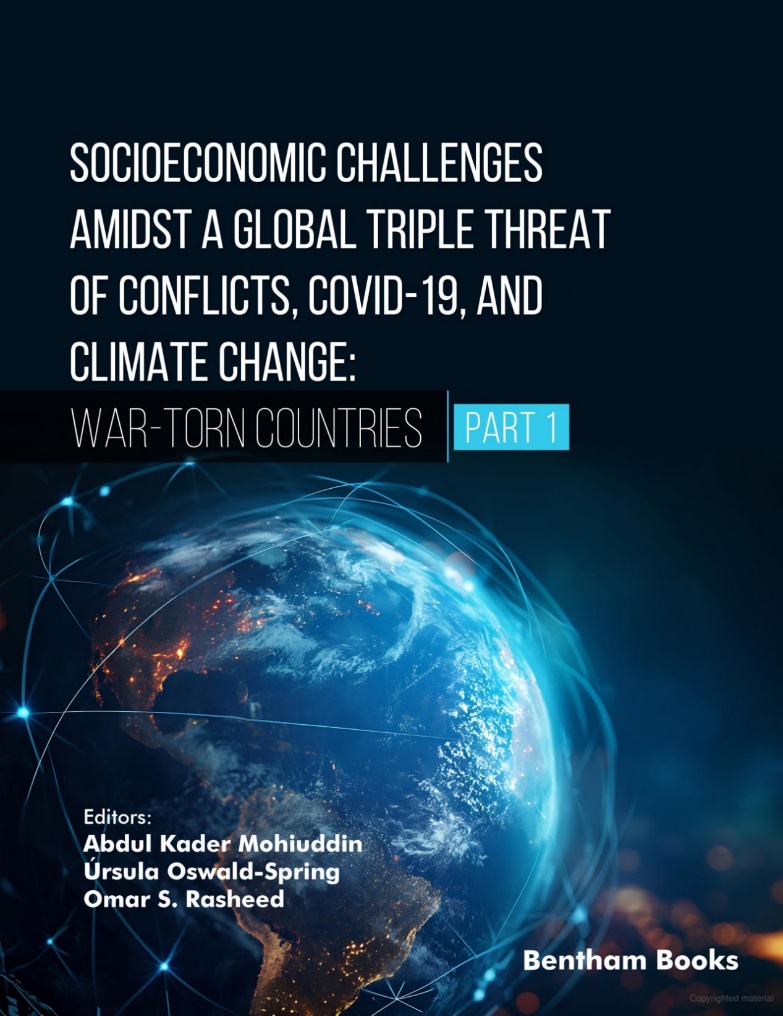
Figure 1. Book Cover of the Introductory Volume
The book’s broader comparative perspective further demonstrates why inequality must be understood as a structural problem rather than an unfortunate by-product of development. Historical legacies, unequal access to resources, institutional fragility and asymmetries in global economic relationships influence how countries respond to contemporary shocks. Within countries, women, children, displaced populations, informal workers and economically disadvantaged communities frequently encounter additional barriers to protection and opportunity. Between countries, differences in borrowing capacity, technological resources and fiscal space shape the prospects for recovery. Addressing these disparities requires policies that connect economic opportunity with social justice: progressive and accountable public expenditure, equitable access to education and healthcare, decent employment, resilient infrastructure and effective protection for people facing economic or environmental shocks. Such measures should be pursued in high-income countries as well as low-income ones, because affluence does not eliminate deprivation, exclusion or unequal access to essential services.
Is the Book a Timely Publication?
The book is a timely and compelling publication that examines how three interrelated global crises are converging to undermine socioeconomic stability, human security, and sustainable development. The COVID-19 pandemic exposed deep-rooted weaknesses in health care systems, governance, education, and social protection [1–3].
The pandemic disrupted drug cartels’ supply chains and trafficking routes in Mexico, intensifying conflicts among cartels and with security forces. This period also coincided with cannabis law reforms in Thailand, Germany, Luxembourg, Canada, and the United States. Despite governments’ stated justifications, these changes have raised concerns about prescription misuse, drug abuse, intoxications and allied health hazards, social normalization, and industry influence over future regulation, as critics, including those writing in The Lancet, have warned [4, 5]. In fact, COVID-19’s economic legacy remains evident worldwide in persistent cost-of-living pressures, elevated public debt, disrupted labour markets and widening inequalities, while post-pandemic inflation and subsequent central bank interest-rate hikes continue to influence household purchasing power, borrowing costs, investment and economic growth, albeit unevenly across nations [6-8].
Meanwhile, the growing involvement of major global powers, including the United States, China, India, and Russia, in complex geopolitical rivalries, alongside armed conflicts, trade disputes, sanctions, and proxy wars, continues to destabilize international relations and disrupt global markets [9-16]. For example, sanctions and an intensified oil blockade have exacerbated energy crises, fuel shortages, and rolling blackouts in Cuba and parts of Venezuela. A September 2026 report by ANOVA Policy Research found that nearly two-thirds of Venezuelan families experienced daily power outages in 2026, while fewer than 7% reported having a continuous electricity supply [17].
For Cuba, a country whose geographical location has profoundly shaped its history, the 1962 Cuban Missile Crisis demonstrated how Cold War rivalries could escalate into a nuclear confrontation, bringing the United States and the Soviet Union to the brink of war over the island. Decades later, Brazil’s 2018 president-elect, Jair Bolsonaro, who was closely aligned with Washington, was associated with the departure of more than 8,000 Cuban doctors from Brazil [18, 19]. While basic food prices had doubled or tripled by mid-2026, Iran’s currency plunged in early October under the “absolute isolation campaign,” with the dollar exceeding 2.7 million rials, the euro 3 million, and the British pound 3.5 million. Annual inflation reached 70–90%, with food inflation topping 130%, deepening the humanitarian crisis and threatening access to food, medicine, and jobs [20, 21].
Climate risk heightened UK economic policy uncertainty, particularly around the 2016 Brexit referendum, while the Global Financial Crisis was associated with statistically significant declines in GDP and stock prices, rising inflation, lower interest rates, and weakened economic activity [22]. Brexit subsequently created opportunities for independent climate leadership and ambitious net-zero commitments but diverted policy attention and fueled domestic political divisions, as opponents portrayed decarbonization as costly, undemocratic, and threatening to national sovereignty, energy affordability, and household interests [23, 24]. These tensions exposed the challenge of balancing climate action with economic security and public acceptance. Post-Brexit trade frictions and unequal compliance burdens also increased uncertainty for agricultural producers and heightened risks to food availability, affordability, and supply-chain resilience [25]. Critically, from 2022 to 2024, the UK’s imports of food and live animals from the EU were worth more than twice those from non-EU countries, underscoring the potential threat that trade barriers pose to national food security.
From the economic repercussions of Brexit and the Russia–Ukraine war to escalating conflicts in the Middle East, disruptions to energy supplies, food systems, and international trade are aggravating inflation, poverty, and inequality across regions. These pressures are compounded by accelerating climate change, increasingly severe environmental extremes, and inadequate climate finance, placing additional burdens on vulnerable populations and threatening livelihoods, public health, and economic resilience.
Interestingly, environmental and climate challenges are increasingly intertwined with geopolitics and trade. Studies show that China’s dominance in rare-earth markets and its strategic alignment with Russia heighten Western supply vulnerabilities, while the Ukraine war has disrupted transport routes, increased costs, and redirected Russian exports toward Asia, prompting Western efforts to diversify supplies, expand recycling, and strengthen international cooperation. However, mining and processing these critical metals threaten ecosystems through intensive water and energy use, chemical pollution, radioactive waste, and greenhouse gas emissions, demonstrating the need to balance supply security, geopolitical resilience, and environmental sustainability [26-28]. Across its chapters and sections, the book details the need for coordinated action, equitable policies, and integrated strategies to build a more resilient and sustainable future.
The Changes It Seeks to Bring About in the System and Society
Climate change makes this people-centred approach particularly urgent. Climate finance must therefore prioritise adaptation, resilience and the protection of livelihoods, alongside emissions reduction. Countries and communities with limited financial capacity require predictable, accessible and adequate support to prepare for climate risks and recover from losses. Climate investment should reach smallholder farmers, informal workers, vulnerable coastal populations and communities whose essential infrastructure is increasingly exposed to environmental hazards. The credibility of international climate cooperation ultimately depends on whether resources translate into measurable improvements in human security.
Health financing deserves comparable attention. The pandemic demonstrated that infectious diseases, fragile healthcare infrastructure and unequal access to essential services can undermine social and economic stability simultaneously. Health systems cannot remain resilient when medicines are unaffordable, primary care is underfunded, healthcare workers are unevenly distributed and families must bear excessive out-of-pocket expenditure. Sustainable health finance should strengthen universal access to essential medicines, preventive services, maternal and child healthcare, disease surveillance and emergency preparedness. International cooperation must also address persistent disparities in healthcare capacity between countries.
The book advocates a fundamental transformation in leadership, governance, and international relations by placing human dignity and public welfare at the centre of decision-making. It challenges conventional measures of success based on political influence, economic growth, military strength, and strategic advantage, arguing that their true value lies in improving livelihoods, healthcare, education, access to essential goods, and protection from preventable suffering. It calls for responsible leadership that recognises the human consequences of geopolitical tensions, environmental disruptions, economic reforms, infrastructure programmes, trade arrangements, and financial commitments. In diplomacy and foreign policy, it promotes a people-centred understanding of security encompassing food security, public health, livelihood protection, environmental stability, and freedom from deprivation. Its approach to conflict management prioritises civilian protection, humanitarian access, credible negotiations, and lasting political settlements that address the underlying causes of violence. Ultimately, the book envisions a more equitable, resilient, and peaceful global order founded on inclusive development, international cooperation, and humanity’s collective welfare.
Book Description
Mohiuddin, A. K., Oswald-Spring, Ú., & Rasheed, O. S. (Eds.).*
Socioeconomic Challenges Amidst a Global Triple Threat of Conflicts, COVID-19, and Climate Change.
The Netherlands; Bentham Science Publishers, 2026.
7 volumes., 2,612 pp. Each volume has a separate ISBN and DOI.**
*About the editors
Prof. Úrsula Oswald-Spring Regional Multidisciplinary Research Center, National University of Mexico, Mexico City, Mexico (also member of Board of Directors, the International Peace Research Association Foundation)
Email: uoswald@unam.mx
Dr. Omar S. Rasheed, University of Almería, Carretera Sacramento S/N, La Cañada de San Urbano, 04120 Almería, Spain (also serves as MHPSS Program Coordinator at the International Committee of the Red Cross in Geneva, Switzerland)
Email: or221@inlumine.ual.es
Abdul Kader Mohiuddin, Alumnus, Faculty of Pharmacy, Dhaka University, Dhaka, Bangladesh, Email: trymohi@yahoo.co.in
**Part 1: War-torn Countries (1)
[ISBN: 979-8-89881-460-1]
[DOI: 10.2174/97988988145951260101]
Part 2: War-torn Countries (2)
[ISBN: 979-8-89881-463-2]
[DOI: 10.2174/97988988146251260101]
Part 3: Western Countries and Nations Under International Sanctions
[ISBN: 979-8-89881-466-3]
[DOI: 10.2174/97988988146561260101]
Part 4: Post-Colonial Regions (1)
[ISBN: 979-8-89881-508-0]
[DOI: 10.2174/97988988150731260101]
Part 5: Post-Colonial Regions (2)
[ISBN: 979-8-89881-511-0]
[DOI: 10.2174/97988988151031260101]
Part 6: Countries Hosting Displaced Persons
[ISBN: 979-8-89881-514-1]
[DOI: 10.2174/97988988151341260101]
[ISBN: 979-8-89881-703-9]
[DOI: 10.2174/97988988170221260101]
Conclusion: The Book’s Transformative Potential
The book hopefully makes its strongest contribution by encouraging readers to recognise that contemporary global crises demand integrated responses rather than fragmented interventions. Climate policy cannot be separated from food security; public health cannot be detached from economic security; and conflict resolution cannot succeed sustainably without reconstruction, institutional accountability and social inclusion. Governments, international organisations and financial institutions must therefore evaluate their decisions across these interconnected domains, strengthening cooperation where shared risks exceed the capacity of individual states.
The book will be particularly valuable to professionals, students, researchers and policymakers in international relations, peace and conflict studies, development, economics, sociology, public and global health, environmental and climate studies, migration, humanitarian affairs and food security. It will also serve development practitioners, humanitarian workers, NGOs, policy analysts and institutions seeking to understand conflict resolution, geopolitical instability and their implications for population well-being. For students and researchers, the seven volumes offer a multidisciplinary framework for examining how historical structures and contemporary crises intersect. Above all, its central message is compelling: the major crises of our time form a connected system, and addressing them effectively requires similarly integrated, multidisciplinary, and internationally coordinated approaches.
Conflict of Interest
None
AI-Use Statement
The authors acknowledge the use of generative artificial intelligence (AI)-assisted language tools during the preparation of this manuscript, solely to ensure smooth American English.
Article Presentation Link
https://lisview.com/article-presentation-l73i4jq6
Editor’s Speech



Open Access By Aditum Open Access Journals id licensed under Creative Commons Attribution 4.0 International License. Based On a Work at aditum.org


