
International Journal of Epidemiology And Public Health Research
OPEN ACCESS | Volume 9 - Issue 1 - 2026
ISSN No: 2836-2810 | Journal DOI: 10.61148/2836-2810/IJEPHR


Ebiakpor Bainkpo Agbedi1*, Pere-Ere Glory Agbedi2
1Department of Planning, Research, and Statistics, Bayelsa State Primary Healthcare Board, Yenagoa, Nigeria.
2Department of Medicine, Niger-Delta University, Wilberforce Island, Nigeria.
*Corresponding author: Ebiakpor Bainkpo Agbedi, MPH, PhD Department of Planning, Research, and Statistics, Bayelsa State Primary Healthcare Board, Yenagoa, Nigeria.
Received: July 18, 2026 | Accepted: July 28, 2026 | Published: August 04, 2026
Citation: Ebiakpor B Agbedi, Pere-Ere Glory Agbedi. (2026) “Behavioural Determinants of Caregivers’ Participation in Routine Childhood Immunization in Rural Sub-Saharan Africa: The Role of Beliefs, Attitudes, Social Influence, and Motivation”. International Journal of Epidemiology and Public Health Research, 10(1); DOI: 10.61148/28362810/IJEPHR/211.
Copyright: © 2026. Ebiakpor Bainkpo Agbedi, This is an open access article distributed under the Creative Commons Attribution License, which permits unrestricted use, distribution, and reproduction in any medium, provided the original work is properly cited.
Background: Routine childhood immunization is one of the most effective public health interventions for preventing vaccine-preventable diseases and reducing childhood morbidity and mortality. However, despite improvements in vaccine availability and immunization programmes across sub-Saharan Africa, immunization coverage in many rural communities remains suboptimal. Caregivers' participation in routine childhood immunization is influenced not only by health system factors but also by behavioural determinants such as beliefs, attitudes, social influence, and motivation. Understanding these factors is essential for designing effective behavioural change interventions that improve vaccine uptake and completion. To investigate the behavioural determinants of caregivers' participation in routine childhood immunization in selected rural communities of Bayelsa and Rivers States, Nigeria, with particular emphasis on the roles of beliefs, attitudes, social influence, and motivation in influencing immunization uptake and completion.
Methods: A community-based analytical cross-sectional study was conducted among 720 caregivers of children aged 0–23 months selected through a multistage sampling technique from rural communities in Bayelsa and Rivers States. Data were collected using a structured interviewer-administered questionnaire deployed on the Kobo Collect platform. Descriptive statistics were used to summarize the data, while inferential analyses, including chi-square tests and regression analysis, were performed using IBM SPSS version 23 and XLMiner to determine the relationship between caregivers' beliefs, attitudes, social influence, motivation, and participation in routine childhood immunization. Statistical significance was set at p < 0.05.
Results: Among the 720 caregivers, 97.2% reported participating in routine childhood immunization, while 81.4% indicated that their children were fully immunized according to the recommended schedule. Approximately 30.3% had missed at least one immunization appointment, with lack of time (55.5%) and child illness (39.0%) being the leading reasons. Caregivers generally demonstrated positive beliefs regarding vaccine safety and effectiveness, favourable attitudes towards immunization services, strong social support from spouses, family members, community and religious leaders, and high motivation to complete childhood vaccination schedules. Perceived barriers to immunization were generally low. Overall, positive beliefs, favourable attitudes, supportive social influence, and high motivation were associated with increased caregiver participation in routine childhood immunization.
Conclusion: Caregiver participation in routine childhood immunization was strongly influenced by behavioural determinants, particularly positive beliefs, favourable attitudes, supportive social networks, and high motivation. Although immunization uptake was high, gaps in full immunization completion and missed appointments persisted, largely because of time constraints and child illness. Strengthening behaviour change communication, community engagement, caregiver education, reminder systems, and culturally appropriate interventions will further improve immunization completion rates and sustain equitable childhood immunization coverage in rural communities of sub-Saharan Africa.
Routine childhood immunization, behavioural determinants, vaccination uptake, health beliefs, caregiver attitudes
Background
Routine childhood immunization had long been recognized as a foundational public health intervention that markedly reduced morbidity and mortality from vaccine-preventable diseases by preventing infections in early life, establishing herd protection, and alleviating the long-term burdens on families and health systems; vaccines against measles, diphtheria, pertussis, tetanus, polio, Hib, and pneumococcal disease had historically prevented numerous hospitalizations and deaths and had contributed to declines in disability associated with severe infections (Elochukwu et al., 2020; Hall et al., 2021; Nargrease, 2024). The rationale for maintaining high coverage rested on creating a shield that protected those who could not be vaccinated and on interrupting transmission chains within communities, a concept supported by extensive epidemiologic evidence demonstrating substantial reductions in disease incidence following the introduction of routine immunization programs. As vaccination schedules had evolved to higher valency and shorter intervals, programmatic efforts increasingly integrated immunization with antenatal, infant, and child health services, leveraging strengthened supply chains, cold chain improvements, and routine data systems to monitor coverage, track dropouts, and support timely catch-up for missed doses (Pelton et al., 2019; Zhang et al., 2025). Across regions, the global burden of vaccine-preventable diseases declined substantially, accompanied by reductions in under-five mortality, though progress varied by country, driven by differences in governance, financing, health system capacity, and social determinants of health. Global progress in immunization coverage over time had progressed in fits and starts but generally trended upward as international collaboration intensified, funding mechanisms expanded, and new vaccines were introduced into national schedules; national immunization programs became more integrated with routine child health services, with improved surveillance, vaccine stock management, and real-time monitoring enabling more reliable planning and targeting of hard-to-reach populations (GAVI, 2015; SAGE, 2019). Multilateral partnerships and donor support had widened access to vaccines, subsidized essential immunizations, and supported outreach initiatives, including community engagement and mass immunization campaigns during outbreaks or when coverage gaps emerged (Kessy et al., 2025; Polonsky et al., 2026). Data systems and routine reporting improved, allowing for better measurement of coverage and disease trends, while the introduction of performance-based financing and results-based financing pilots contributed to regional and national gains in vaccine uptake (UNICEF, 2018). In many regions, declines in incidences of major vaccine-preventable diseases accompanied measurable reductions in child morbidity and mortality, and while progress persisted, disparities persisted between and within countries, shaped by inequities in access, education, and socioeconomic status (Agbedi & Agbedi, 2026; Gray & Fisher, 2023). Immunization challenges in sub-Saharan Africa persisted despite notable gains, reflecting a confluence of health system weaknesses, socio-political instability, and demand-side barriers; health systems frequently contended with financing constraints, workforce shortages, and inconsistent vaccine supply and cold chain maintenance, which disrupted timely administration and created gaps in coverage (Adaobi Maureen et al., 2026; Duclos et al., 2009). Geopolitical instability, conflict, and population displacement routinely disrupted service delivery and worsened immunization gaps, particularly in pastoralist and rural communities where mobile populations complicated outreach and record-keeping (Grundy & Biggs, 2019). Social determinants such as poverty, limited education, gender inequities, and variable health literacy influenced caregiver decisions, while misinformation and rumors could fuel vaccine hesitancy and undermine trust in health systems (Agbedi & Agbedi, 2026). Geographic barriers, including long travel distances to fixed facilities, inadequate transportation, and difficult terrain, hindered access for rural households requiring multiple doses; data gaps and weak civil registration systems obscured the true burden of disease and the effectiveness of immunization programs (Bawa et al., 2018). Moreover, the need for new vaccines and the rapid introduction of innovative delivery platforms demanded agile financing, regulatory readiness, and timely adoption, which were not always matched by programmatic capacity.
Within sub-Saharan Africa, immunization programs historically demonstrated resilience and ingenuity, leveraging community health workers to extend reach to households, implementing microplanning and outreach strategies tailored to local epidemiology, and integrating vaccination with other essential services to maximize caregiver contact opportunities (UNICEF, 2013; Wallace et al., 2009). Campaigns and routine services often coexisted, with success dependent on culturally appropriate engagement, trust-building, and responsive service delivery that respected local norms and mobility patterns; regional collaborations and knowledge-sharing facilitated the spread of best practices, including targeted outreach, data-driven decision-making, and adaptive scheduling to address seasonality. Despite progress, gaps persisted, with urban-rural disparities in access, intra-country inequities, and persistent vulnerabilities among marginalized groups; closing these gaps required sustained investment, governance reforms, and durable international support (Sibeudu et al., 2019; Tsai et al., 2021). The role of caregivers in ensuring childhood vaccination completion remained central, with caregiver knowledge, beliefs, and practices shaping whether children navigated the full immunization schedule, including timely initiation and completion of all recommended doses (Anand et al., 2025). Caregivers organized transportation, managed appointment logistics, and balanced competing demands such as work, household duties, and caregiving responsibilities, while their perceptions of vaccine safety, perceived disease susceptibility, and belief in the benefits of vaccination influenced uptake (Danso et al., 2023; Fatima, 2025; Montasser et al., 2014). Positive experiences with health workers, clear communication about benefits and risks, and reminder systems contributed to higher completion rates, whereas misinformation, fear of adverse events, or prior negative encounters could lead to delays or refusals. Household dynamics, including spousal support and community norms, as well as sociocultural and religious beliefs, shaped decision-making and acceptance of immunization, underscoring the need for culturally sensitive engagement and trusted local voices in outreach (Hoy et al., 2022; Khan et al., 2015; Kolawole et al., 2023). The emerging recognition of behavioral and social determinants of vaccination uptake highlighted that decisions extended beyond access and disease risk to the psychosocial ecosystems in which caregivers operated, with beliefs, attitudes, and social influence significantly shaping participation. Social norms, trust in health authorities, perceptions of vaccine safety, and the credibility of information sources influenced caregiver intentions and actions; social networks, including family members, peers, community leaders, and religious figures, acted as conduits for information, support, and cues to action, sometimes reinforcing pro-vaccination behaviors and other times propagating skepticism (Akpamu et al., 2009; Nyeko Oloya et al., 2024; Tuells et al., 2021). Motivation to engage in immunization was influenced by perceived benefits, perceived vulnerability and severity of disease, and the immediacy of rewards or consequences, with timely reminders, convenient service delivery, and clear, consistent messaging enhancing motivation, while logistical barriers and competing daily duties could dampen it even when attitudes were favorable (Karing et al., 2024; Manthiram et al., 2014). Understanding beliefs, attitudes, social influence, and motivation required integrating qualitative and quantitative approaches, including qualitative interviews, focus groups, and quantitative surveys, to capture the nuance of caregiver experiences and contextual factors; studies suggested that messaging needed to be culturally resonant, delivered by trusted local figures, and coupled with service delivery adjustments that reduced opportunity costs and improved accessibility (Wiysonge et al., 2012). Empirical reviews indicated that while vaccine availability and health system performance were necessary, they were insufficient alone to ensure uptake without addressing behavioral and social determinants; fidelity to ethical rollout, community engagement, and alignment with local beliefs emerged as critical for sustainable gains (Shaham et al., 2020; Vardavas et al., 2023a). In sum, the literature emphasized that routine childhood immunization had profound public health significance, global progress berthed from multi-faceted collaborations and ongoing vaccine innovations, and immunization challenges in sub-Saharan Africa required intensified attention to rural-urban disparities, caregiver participation, and the behavioral and social determinants that governed participation; the caregiver’s beliefs, attitudes, social influences, and motivation were pivotal determinants of uptake, and effective strategies would need to harmonize supply-side improvements with context-sensitive demand-side interventions that engaged communities, respected cultural norms, and leveraged trusted social networks to advance equitable immunization outcomes.
Statement of the Problem
The problem statement in the context of rural sub-Saharan Africa highlighted a pattern of persistent under immunization, where a notable cohort of zero-dose children remained, and where missed vaccination opportunities occurred despite the proximity of health facilities and the periodic presence of outreach campaigns; these gaps unfolded against a backdrop of ongoing outbreaks of vaccine-preventable diseases, signaling that vaccine availability alone had not sufficed to halt transmission or protect vulnerable communities. In many rural areas, logistical hurdles such as long distances to fixed health posts, difficult terrain, seasonal accessibility challenges, and limited transportation options disrupted the timely delivery of vaccines and the completion of multi-dose schedules, allowing susceptibility to disease to persist across generations. Health systems in these settings often wrestled with supply-side bottlenecks, including inconsistent vaccine stock, weak cold chain infrastructure, shortage of trained health personnel, and infrequent outreach, which collectively constrained service delivery and created gaps in coverage that local communities experienced as interruptions in routine immunization services. While vaccines and international funding had expanded overall availability, the problem persisted because interventions predominantly targeted supply constraints and neglected the nuanced behavioral determinants that governed caregiver engagement, such as trust in health workers, perceived risks and benefits, cultural beliefs, and social norms surrounding vaccination within dispersed and diverse rural populations. Moreover, limited evidence existed on how caregiver beliefs, social influences, and everyday circumstances shaped decisions to initiate and complete immunization, which hindered the design of contextually appropriate interventions; without a robust understanding of these social and behavioral factors, programs struggled to translate vaccine availability into consistent uptake. These intersecting challenges culminated in a cycle where low immunization coverage in rural sub-Saharan Africa sustained vulnerability to outbreaks, undermined herd protection, and perpetuated disparities between rural communities and their urban counterparts, underscoring the need for integrated strategies that addressed not only the logistical and supply-side barriers but also the behavioral, cultural, and social drivers of immunization participation.
Justification of the Study
The study anchored in the existence of knowledge gaps and a paucity of empirical evidence, which together underscored that the drivers of immunization uptake in rural Sub-Saharan Africa had not been adequately understood. Despite broad improvements in vaccine availability and periodic advances in health infrastructure, the literature lacked robust, context-specific data on how behavioral, social, cultural, and household dynamics influenced caregiver decisions to initiate and complete immunization schedules. This paucity of evidence hindered the ability to design interventions that translated vaccine access into reliable, sustained uptake, particularly in diverse rural settings characterized by remoteness, mobility, and variable health system performance. Moreover, the absence of nuanced insights into local beliefs, trust in health workers, social norms, and everyday constraints meant that existing programs risked defaulting to supply-side solutions without addressing the contextual factors that shaped participation. By filling these gaps, the study aimed to generate actionable, evidence-based recommendations tailored to the realities of rural communities, thereby informing more effective, integrated strategies that could improve completion rates, reduce missed opportunities, and strengthen immunization equity across rural Sub-Saharan Africa.
Research Questions
General Objective
To investigate behavioral determinants of caregiver participation in routine childhood immunization in rural Sub-Saharan Africa.
Specific Objectives
Research Hypotheses
Null Hypotheses
HO 1: Caregiver beliefs have no significant relationship with participation in routine childhood immunization.
HO 2: Caregiver attitudes have no significant relationship with participation in routine childhood immunization.
HO 3: Social influence has no significant relationship with participation in routine childhood immunization.
HO 4: Caregiver motivation has no significant relationship with participation in routine childhood immunization.
Scope And Limitation
Scope
Limitations
Literature Review
The literature review examined routine childhood immunization as a structured public health practice designed to prevent vaccine-preventable diseases by delivering scheduled vaccines through integrated health services, with the aim of establishing herd immunity and reducing childhood morbidity and mortality at the population level. In sub-Saharan Africa, childhood immunization was contextualized within diverse health systems, geographic landscapes, and sociocultural settings, where program reach and effectiveness reflected variations in facility density, supply chains, workforce capacity, outreach strategies, and community engagement, yielding heterogeneous coverage across countries and communities. Caregiver participation in immunization programs emerged as a central determinant of uptake; studies documented how caregivers navigated appointment schedules, transportation logistics, and opportunity costs while balancing work, household duties, and caregiving responsibilities (Chinegbo, 2019; Fatima, 2025; Kadale et al., 2018). Participation often depended on perceived benefits, trust in health workers, prior service experiences, and practical enablers such as reminder systems, flexible service hours, and service integration that reduced the burden of multiple visits. The literature on behavioral determinants consistently traced how caregiver beliefs, knowledge, and norms influenced immunization decisions, revealing that misperceptions about vaccine safety or necessity could impede completion, whereas positive beliefs about vaccine efficacy, disease risk, and communal protection facilitated uptake (Khan et al., 2015). Caregiver beliefs and immunization uptake were further explored through examinations of attitudes, showing that favorable dispositions toward vaccination correlated with higher probabilities of initiating and completing schedules, while concerns about side effects or distrust of the scientific basis of vaccines sometimes slowed adherence. Social influence and immunization decisions were repeatedly highlighted as powerful determinants, with advice and approval from family members, peers, community leaders, and religious figures shaping norms, trust, and acceptance; endorsements from trusted authorities and visible pro-vaccination behaviors within communities often enhanced participation, whereas misinformation and anti-vaccination narratives could cultivate hesitancy (Foster et al., 2023; Hollins et al., 2021; Vardavas et al., 2023b). Motivation and immunization uptake were characterized as the interplay of perceived benefits, perceived vulnerability to disease, perceived severity of outcomes, and the immediacy of rewards or consequences, all of which varied across cultural, socioeconomic, and geographic contexts; targeted messaging, credible information sources, and timely reminders were identified as catalysts of motivation, while persistent logistical barriers could dampen motivation even when attitudes were favorable (Manthiram et al., 2014). Across the literature, there was a consensus that immunization outcomes depended not only on vaccine availability and service delivery but also on the intricate network of caregiver beliefs, attitudes, social influences, and motivational drivers that governed health-seeking behavior, underscoring the necessity for holistic, context-sensitive approaches to design and implementation.
Theoretical Framework
The Health Belief Model (HBM) and the Theory of Planned Behaviour (TPB) were widely utilized to illuminate the behavioral determinants of caregiver participation in routine childhood immunization, providing complementary lenses through which researchers examined how beliefs, attitudes, perceived norms, and perceived control shaped vaccination decisions (Dou et al., 2022; Reyes et al., 2023). In the HBM, caregivers’ engagement with immunization had been explained by constructs such as perceived susceptibility to disease, perceived severity of illness, perceived benefits of vaccination, and perceived barriers to accessing vaccines, with cues to action and self-efficacy enhancing or hindering uptake (Lino et al., 2014); studies had shown that caregivers who perceived a higher threat from vaccine-preventable diseases and believed vaccines would effectively reduce risk were more likely to initiate and complete immunization schedules, whereas logistical challenges, time costs, fear of side effects, and mistrust diminished participation. The model’s emphasis on modifiable beliefs had guided interventions that framed immunization as a protective behavior for children, provided actionable information about disease risk and vaccine benefits, reduced practical barriers, and leveraged reminders to prompt action, although critics noted limitations in its relative neglect of social and environmental influences and the voluntariness of decisions in collectivist contexts. The Theory of Planned Behaviour offered a broader socio-cognitive framework by positing that caregiver vaccination behavior resulted from three proximal determinants: attitudes toward immunization, subjective norms, and perceived behavioral control, which jointly influenced intention and, ultimately, behavior. In this view, favorable attitudes toward vaccines—rooted in beliefs about safety, efficacy, and disease severity—combined with perceived social pressure from family, peers, and trusted community figures (subjective norms) and a caregiver’s confidence in their ability to access vaccination services (perceived behavioral control) to yield a stronger intention to vaccinate; empirical work across settings had consistently demonstrated that intention was the strongest predictor of vaccine uptake, often mediating the effects of attitudes and norms (Capasso et al., 2024; Malik et al., 2023). The TPB had been applied to immunization contexts to design messages that enhanced positive attitudes, leveraged normative influences from respected community voices, and reduced perceived barriers by highlighting convenient service delivery and supportive environments, though critiques highlighted potential gaps in capturing habitual or non-deliberative behaviors and the dynamic, context-specific nature of social norms. Empirical applications of the two theories revealed convergences and distinctions in explaining caregiver participation. Both models underscored the centrality of beliefs about risks and benefits: the HBM framed this through perceived threat and vaccine efficacy, while the TPB framed it through attitudes and behavioral beliefs about immunization outcomes. Both acknowledged the importance of social influences, though the HBM treated cues to action as external prompts, whereas the TPB explicitly integrated subjective norms as a core determinant of intention. In practice, interventions informed by these theories had emphasized tailored health communications that clarified benefits, addressed safety concerns, and used trusted messengers to shape normative expectations; they also targeted practical barriers—transit, clinic hours, and appointment systems—to bolster perceived behavioral control and cue timely action. Nonetheless, scholars noted that behavior could deviate from intention due to contextual constraints, access disparities, and competing daily demands, suggesting that even robust theoretical models required integration with broader health system improvements and community engagement to translate intentions into sustained immunization uptake. In sum, the Health Beliefs Model and the Theory of Planned Behaviour offered valuable, though complementary, perspectives on the behavioral determinants of caregiver participation in routine childhood immunization. The HBM emphasized how individual perceptions of disease risk and vaccine benefits, tempered by perceived barriers and cues to action, influenced uptake, while the TPB highlighted the shaping roles of attitudes, social norms, and perceived control in forming intentions that guided vaccination behavior. Together, they informed educational messaging, outreach strategies, and service-delivery designs aimed at enhancing caregiver motivation and capacity to complete immunization schedules, while reminding researchers and practitioners to account for contextual factors that could constrain even well-intentioned decisions.
Conceptual Framework
The conceptual framework that shaped routine childhood immunization in sub-Saharan Africa, together with the narratives surrounding it, rested on an integrated view of independent psychosocial determinants and dependent population-health outcomes, all embedded within the competing livelihoods and time demands that defined caregivers’ lives in rural and peri-urban contexts. In this framework, independent variables—encompassing beliefs about disease risk and vaccine safety, perceived susceptibility, cultural and religious influences, trust in vaccines and in health workers, perceived usefulness of immunization, social influence, spousal and family support, community norms, motivation, child protection considerations, perceived future health benefits, and reminder systems—were treated as conceptual derivatives that interacted with daily routines, economic activities, and mobility patterns. These determinants did not operate in isolation; rather, they navigate and were shaped by agricultural cycles, fishing itineraries, extended periods spent in isolated fishing camps or farming settlements, seasonal market days, and the demands of micro-entrepreneurship and income generation through open-market trading and housekeeping responsibilities. Such contexts could either facilitate or constrain access to immunization services depending on timing, opportunity costs, and the perceived value of vaccinating within a broader risk-benefit calculus. Narratives within this framework posited that caregiver decisions to seek immunization emerged from a dynamic synthesis of internal beliefs and external cues, weighed against the realities of household productivity and subsistence. Caregivers assessed perceived benefits—such as protection against vaccine-preventable diseases and the prospect of healthier children who could contribute to household labour—against perceived barriers, including potential side effects, travel costs, time away from income-earning activities, and distrust rooted in sociocultural histories with health systems. Trust in vaccines and in health workers functioned as relational levers; credible authorities and respectful service delivery could elevate uptake, while rumors, misinformation, or previous negative experiences could dampen motivation. Social influence manifested through spousal discussions, extended family input, peer testimonies, and community leadership endorsements, with normative expectations either reinforcing timely attendance or constraining it through competing loyalties and obligations amid periods away from home or in distant fishing camps. Reminders from clinics, community health workers, or trusted local figures served as practical catalysts that helped align immunization visits with farming schedules, fishing expeditions, and schooling calendars for both younger and older children; however, their effectiveness depended on accessibility, consistent outreach, and the reliability of health systems operating across dispersed and mobile populations. On the dependent side, caregiver participation in routine childhood immunization, clinic attendance, timely vaccination, completion of the vaccination schedule, improved immunization coverage, and reductions in vaccine-preventable diseases were conceptualized as outcomes arising from the constellation of independent determinants and contextual constraints. The narrative recognized that these outcomes did not arise solely from vaccine availability but from translating beliefs, attitudes, norms, and motivation into concrete health-seeking actions amid the episodic demands of agro and fishing livelihoods and schooling obligations for children and grown children alike. The framework allowed for bi-directional influence and contextual adaptability. Reminders and service delivery innovations could modify perceived barriers and reinforce positive norms, while community engagement and culturally resonant messaging could recalibrate beliefs about vaccine safety and benefits, thereby altering both independent determinants and downstream outcomes. The framework acknowledged heterogeneity across geography, ethnicity, gender dynamics, and socioeconomic status, noting that different communities faced unique trade-offs between preventive health investments and livelihoods—whether in remote fishing camps, farming settlements, or market-driven towns. It accommodated multiple causal pathways from beliefs, social influence, and motivation to immunization outcomes, while underscoring the necessity of harmonizing demand-side drivers with supply-side strengthening—ensuring vaccine availability, reliable cold chains, trained personnel, flexible service hours, and accessible outreach—so as to realize sustained improvements in immunization uptake within the competing life worlds of sub-Saharan Africa. In sum, the conceptual framework articulated a holistic, context-sensitive narrative in which psychosocial determinants and sociocultural influences interacted with the daily economies, mobility patterns, and caregiving loads of households. It portrayed a continuum from beliefs, trust, and social influence to concrete health behaviors, and from those behaviors to service utilization and population health gains, all mediated by the ongoing tension between preventive health priorities and the pressing demands of farming, fishing, market activities, and schooling that defined the life experiences of caregivers and their families in sub-Saharan Africa.
Materials And Methods
Study Design
This study employed a community-based analytical cross-sectional research design to investigate the behavioral determinants of caregiver participation in routine childhood immunization in rural communities. The cross-sectional design involved the collection of data from eligible caregivers at a single point in time to assess their beliefs, attitudes, social influences, motivation, and participation in routine childhood immunization services. The design was considered appropriate because it enabled the researcher to examine the relationship between behavioral factors and caregiver participation in routine childhood immunization within the study population. It also facilitated the estimation of the prevalence of positive and negative beliefs, attitudes, social influences, and motivational factors associated with immunization uptake among caregivers. The analytical component of the design allowed for the assessment of associations between independent variables, namely beliefs, attitudes, social influence, and motivation, and the dependent variable, which was caregiver participation in routine childhood immunization. Statistical analyses were conducted to identify significant predictors of participation and determine the strength of these relationships. Furthermore, the community-based approach ensured that information was obtained directly from caregivers within their natural settings, thereby providing a better understanding of the behavioral and social contexts influencing immunization decisions. The design was cost-effective, relatively easy to implement, and suitable for generating evidence that could inform behavioral change communication strategies and interventions aimed at improving routine childhood immunization coverage in rural communities.
Study Population
The study population comprised caregivers of children eligible for routine childhood immunization who resided in selected rural communities in Bayelsa and Rivers States of the Niger Delta region of Nigeria. For the purpose of this study, caregivers included biological mothers, fathers, guardians, and other individuals primarily responsible for the care and health-related decisions of children aged 0–23 months. The target population consisted of caregivers whose children were within the age range recommended for routine immunization under the National Programme on Immunization schedule. These caregivers were considered appropriate respondents because they played a critical role in making decisions regarding the utilization of immunization services and ensuring the completion of childhood vaccination schedules. Participants were selected from rural communities across the two states to provide a broader understanding of the behavioral factors influencing routine childhood immunization uptake within the Niger Delta region. The study focused on rural populations because evidence had shown that children residing in rural communities often experienced lower immunization coverage and faced greater barriers to accessing immunization services compared with their urban counterparts. The study population was considered suitable for examining the influence of beliefs, attitudes, social influence, and motivation on participation in routine childhood immunization, as caregivers remained the primary decision-makers regarding childhood health-seeking behaviors and vaccination practices within the household.
Sample Size Determination
The sample size for the study behavioral determinants of caregivers’ participation in routine childhood immunization was determined using Cochran’s formula for estimating a single population.
Using the Cochran formula for a single population proportion:
n = Z2 x p(1-p)
d2
Where:
n = minimum sample size
Z= 1.96 (95% confidence level)
p= 50% = 0.50 (proportion)
1-p = 1 - 0.5 = 0.5
d = 5% = 0.05 (margin of error)
Step 1: Calculate the Initial Sample Size
n = (1.96)2 x (0.5) (0.5)
(0.05)2
n = 3.8416 x 0.25
0.0025
n = 0.9604
0.0025
n = 384.16
The minimum sample size was approximately:
n = 384
Step 2: Adjust for Design Effect
Since a multistage sampling technique was employed, a design effect (DEFF) of 1.875 was applied:
n = 384 x 1.875
n = 720
Thus, the final sample size for the study was approximately 720 caregivers. These respondents were proportionately selected from rural communities in Bayelsa State and Rivers State.
Sampling Technique
A multistage sampling technique was used to select 720 respondents from rural communities in Bayelsa and Rivers States. In the first stage, the total sample was allocated equally between the two states to ensure balanced representation. Consequently, 360 respondents were selected from Bayelsa State and 360 respondents were selected from Rivers State. In the second stage, five predominantly rural local government areas were selected from each state using simple random sampling, giving a total of 10 rural local government areas. In the third stage, four rural communities were selected from each selected local government area through simple random sampling. This produced 20 communities in each state and a total of 40 rural communities across the two states. In the fourth stage, 18 households were selected from each community using systematic random sampling. A household listing was first conducted with the assistance of community leaders and local health workers to identify households containing eligible respondents. The sampling interval was determined by dividing the total number of eligible households in each community by the required number of 18 households. A random starting point was selected, after which every corresponding household was visited until the required number was obtained. In the final stage, one eligible respondent was selected from each sampled household. Where more than one eligible respondent was present in a household, one respondent was selected by simple random sampling through balloting. Where an eligible respondent declined participation or was unavailable after the predetermined number of visits, the next eligible household on the sampling list was selected. Thus, 18 respondents were selected from each of the four communities in every selected local government area, resulting in 72 respondents per local government area. Therefore, the two states contributed a total sample of 720 respondents.
Selection Criteria
Inclusion Criteria
The following participants were included in the study:
Exclusion Criteria
Method of Data Collection
Data collection was carried out using a structured questionnaire that was developed based on the study objectives and relevant literature. The questionnaire was subsequently configured and deployed on the Kobo Collect Kit platform to facilitate electronic data capture and improve data quality. Prior to the commencement of fieldwork, data enumerators received comprehensive training on the study objectives, questionnaire administration procedures, ethical considerations, and the use of the Kobo Collect application. Supervisors were assigned the responsibility of overseeing field activities, monitoring data collection processes, ensuring adherence to study protocols, and providing support to enumerators where necessary. Before data collection began, informed consent was obtained from community leaders and individual participants after the purpose, procedures, benefits, and voluntary nature of the study had been clearly explained. Only participants who willingly agreed to participate were included in the study. The trained enumerators administered the questionnaires to eligible respondents and recorded responses electronically using Kobo Collect-enabled devices. Supervisors conducted routine checks and validation of submitted data to ensure completeness, accuracy, and consistency throughout the data collection period. The completed questionnaires were uploaded to the Kobo server daily for storage and subsequent analysis.
Selection Criteria
Reliability and Validity of the Study Instrument
Internal Consistency: The internal consistency of the questionnaire was evaluated using Cronbach's alpha coefficient. The overall instrument yielded a Cronbach's alpha (α) of 0.834, indicating good internal consistency reliability. According to the reliability criteria proposed by Nunnally and Bernstein, a Cronbach's alpha coefficient of 0.70 or higher is considered acceptable, while values above 0.80 indicate good reliability (Nunnally & Bernstein, 1974). Therefore, the questionnaire demonstrated that the individual items consistently measured the underlying behavioural constructs of caregivers' participation in routine childhood immunization. Consequently, the instrument was considered reliable and suitable for subsequent statistical analyses.
Construct Validity: The suitability of the dataset for factor analysis was assessed using the Kaiser-Meyer-Olkin (KMO) measure of sampling adequacy and Bartlett's Test of Sphericity. The analysis produced a KMO value of 0.905, indicating excellent sampling adequacy. According to Kaiser, KMO values greater than 0.90 are regarded as "Marvelous," suggesting that the correlation patterns among the variables were sufficiently compact to produce reliable and distinct latent factors (Kaiser, 1974). Bartlett's Test of Sphericity was statistically significant (χ² = 8028.704; df = 666; p < 0.001), indicating that the correlation matrix differed significantly from an identity matrix (Arsham & Lovric, 2010). This finding suggested that substantial correlations existed among the study variables, thereby confirming the appropriateness of factor analysis. Collectively, these findings demonstrated that the questionnaire possessed strong construct validity, as the observed variables adequately represented the theoretical constructs of beliefs, attitudes, social influence, motivation, perceived barriers, and behavioural intention toward routine childhood immunization.
Content Validity: Content validity was established during the instrument development process. The questionnaire was developed following an extensive review of contemporary literature on routine childhood immunization and behavioural health theories, particularly the Health Belief Model and the Theory of Planned Behaviour. The initial draft of the instrument was subsequently reviewed by experts in public health, epidemiology, routine immunization, monitoring and evaluation, behavioural science, and research methodology. Their recommendations regarding item relevance, clarity, comprehensiveness, wording, and cultural appropriateness were incorporated before the commencement of data collection. Consequently, the questionnaire adequately covered all major domains relevant to caregivers' participation in routine childhood immunization and was considered to possess good content validity.
Criterion Validity: Criterion validity was assessed by examining the extent to which the behavioural constructs measured by the questionnaire corresponded with caregivers' reported participation in routine childhood immunization. The questionnaire included constructs that have consistently been identified in previous empirical studies as significant predictors of childhood immunization uptake, including beliefs, attitudes, social influence, motivation, perceived barriers, and behavioural intention. Furthermore, statistically significant relationships were observed between these behavioural constructs and caregivers' reported immunization practices, indicating that the instrument effectively measured factors associated with routine childhood immunization behaviour. Therefore, the questionnaire demonstrated acceptable criterion validity.
Data Management and Analysis
Data collected through the Kobo Collect platform were downloaded from the Kobo server and exported to Microsoft Excel for data management. The dataset was cleaned by identifying and deleting missing or erroneous entries, and necessary corrections were made to ensure accuracy, completeness, and consistency of the data before analysis. Descriptive statistical analyses were conducted to summarize the study variables. Measures such as frequencies, percentages, means, and medians were calculated and presented appropriately to describe the characteristics of the study population and key study outcomes. Further statistical analyses were performed using IBM Statistical Package for the Social Sciences (SPSS) version 23 and the XLMiner Analysis Toolkit. Inferential statistical tests, including chi-square tests and regression analyses, were conducted to examine associations and determine relationships between relevant variables. Statistical significance was assessed at the appropriate confidence level. The study report was prepared using Microsoft Word 365, while citations and references were organized and managed using Mendeley Reference Manager to ensure consistency and accuracy in referencing.
Timeline of the Study
Research Planning and Proposal Development (February 2026): The research topic was conceptualized, relevant literature was reviewed, and the study proposal was developed. The study objectives, methodology, data collection tools, and implementation plan were finalized during this period.
Institutional Ethical Approval (March 2026): Ethical approval for the study was obtained from the Bayelsa State Primary Health Care Board Ethics Committee with reference number PHCB/AD/172/Vol.1/p.45. Approval was secured before the commencement of any field activities involving participants.
Data Collection Preparedness (April 2026): Preparatory activities for data collection were conducted. These included the development and review of data collection instruments, recruitment and training of research assistants, pretesting of study tools, logistical planning, and final arrangements for fieldwork.
Data Collection (May 2026): Data were collected from the study participants using the approved data collection instruments. Field supervision and quality assurance measures were implemented to ensure completeness, accuracy, and reliability of the data obtained.
Report Writing and Dissemination (June–July 2026): Data were analyzed and interpreted, and the study report was written. Findings were compiled into a final report and disseminated to relevant stakeholders through presentations, meetings, and submission of the completed research report for publication.
Ethical Considerations
Institutional Ethical Approval: Ethical approval for the study was obtained from the Ethics Committee of the Bayelsa State Primary Health Care Board before the commencement of the study. The approval was granted with reference number PHCB/AD/172/Vol.1/p.45. All study procedures were conducted in accordance with the ethical principles governing research involving human participants.
Community Consent: Community consent was obtained from the relevant community leaders and stakeholders before the commencement of data collection activities. The purpose, objectives, procedures, and potential benefits of the study were explained to the community representatives, and their permission was secured to facilitate the conduct of the study within the community.
Individual Informed Consent: Individual informed consent was obtained from all eligible participants before their enrolment in the study. Participants were adequately informed about the purpose of the study, the procedures involved, their right to decline participation or withdraw at any stage without any consequences, and the measures taken to ensure confidentiality of the information provided. Only participants who voluntarily agreed and provided informed consent were included in the study.
Results
Table 1: Socio-demographic characteristics
|
Category |
Frequency (n=720) |
Percent (%) |
|
|
Age |
18-24 yrs |
108 |
15 |
|
25-34 yrs |
255 |
35 |
|
|
35-44 yrs |
259 |
36 |
|
|
45-54 yrs |
77 |
10.7 |
|
|
≥55 |
21 |
2.9 |
|
|
|
|
|
|
|
Marital status |
Single mother |
100 |
13.9 |
|
Married |
529 |
73.5 |
|
|
Divorced/separated |
76 |
10.6 |
|
|
widow |
15 |
2.1 |
|
|
|
|
|
|
|
Gender |
Male |
287 |
39.9 |
|
Female |
433 |
60.1 |
|
|
|
|
|
|
|
Relationship to child |
Biological father |
272 |
37.8 |
|
Biological mother |
408 |
56.7 |
|
|
Guardian |
40 |
5.6 |
|
|
|
|
|
|
|
Educational level |
No formal education |
58 |
8.1 |
|
Primary education |
98 |
13.6 |
|
|
Secondary education |
404 |
56.1 |
|
|
Tertiary education |
160 |
22.2 |
|
|
|
|
|
|
|
Employment |
Gainfully employed |
167 |
23.2 |
|
Self-employed |
367 |
51 |
|
|
Unemployed |
186 |
25.8 |
|
|
|
|
|
|
|
Occupation |
Farmer |
66 |
9.2 |
|
Civil servant |
159 |
22.1 |
|
|
Fisherman/woman |
106 |
14.7 |
|
|
Artisan |
60 |
8.3 |
|
|
Petty trader |
329 |
45.7 |
|
|
|
|
|
|
|
Religion |
Christianity |
586 |
81.4 |
|
Islam |
116 |
16.1 |
|
|
|
Traditional religion |
18 |
2.5 |
|
|
|
|
|
|
Distance to health facility |
<1 km |
212 |
29.4 |
|
1-5 km |
394 |
54.7 |
|
|
|
5-10 km |
86 |
11.9 |
|
|
>10 km |
28 |
3.9 |
|
|
|
|
|
|
Number of under-5 children in the household |
1-3 |
588 |
81.7 |
|
4-6 |
116 |
16.1 |
|
|
7-9 |
14 |
1.9 |
|
|
≥10 |
2 |
0.3 |
|
|
|
|
|
|
|
Age of child |
0-6 months |
176 |
24.4 |
|
7-12 months |
268 |
37.2 |
|
|
13-18 months |
163 |
22.6 |
|
|
19-23 months |
113 |
15.7 |
|
|
|
|
|
|
|
Gender of child |
Male |
375 |
52.1 |
|
Female |
345 |
47.9 |
The socio-demographic characteristics of the 720 caregivers showed that the largest proportion of respondents were aged 35–44 years (259, 36.0%), followed closely by those aged 25–34 years (255, 35.0%), while only 21 (2.9%) were aged 55 years and above. This indicates that most caregivers were within the active reproductive and child-rearing age groups. Regarding marital status, the majority of caregivers were married (529, 73.5%), whereas 100 (13.9%) were single mothers, 76 (10.6%) were divorced or separated, and 15 (2.1%) were widows. The predominance of married caregivers may suggest greater family support for childhood immunization decisions. Females constituted the majority of respondents, accounting for 433 (60.1%), while males represented 287 (39.9%). Similarly, 408 (56.7%) of respondents were the biological mothers of the children, compared with 272 (37.8%) biological fathers and 40 (5.6%) guardians. This reflects the central role of mothers in routine childhood immunization. More than half of the caregivers had attained secondary education (404, 56.1%), while 160 (22.2%) had tertiary education. Only 58 (8.1%) had no formal education. This educational profile suggests that most caregivers had sufficient formal education to understand immunization information and health messages. With respect to employment, 367 (51.0%) were self-employed, 186 (25.8%) were unemployed, and 167 (23.2%) were gainfully employed. Petty trading was the most common occupation (329, 45.7%), followed by civil service (159, 22.1%), indicating that many caregivers were engaged in informal economic activities that could influence their availability for immunization clinic attendance. The majority of respondents were Christians 586 (81.4%), while 116 (16.1%) practiced Islam and 18 (2.5%) practiced traditional religion, reflecting the predominant religious composition of the study communities. More than half of the caregivers 394 (54.7%) resided 1–5 km from the nearest health facility, whereas 212 (29.4%) lived within 1 km, and only 28 (3.9%) lived more than 10 km away. This suggests that most respondents had relatively reasonable physical access to immunization services. Most households 588 (81.7%) had one to three children under five years of age, while very few 2 (0.3%) had ten or more under-five children. The largest proportion of children were aged 7–12 months (268, 37.2%), followed by those aged 0–6 months (176, 24.4%), indicating that many children were within the recommended age for routine childhood immunization. There were slightly more male children 375 (52.1%) than female children 345 (47.9%) in the study. Overall, the findings indicate that the study population was predominantly composed of married mothers in their reproductive age, with at least secondary education, living within accessible distances to health facilities and caring for young children eligible for routine childhood immunization. These characteristics provide an appropriate context for examining the behavioural determinants of caregivers' participation in routine childhood immunization.
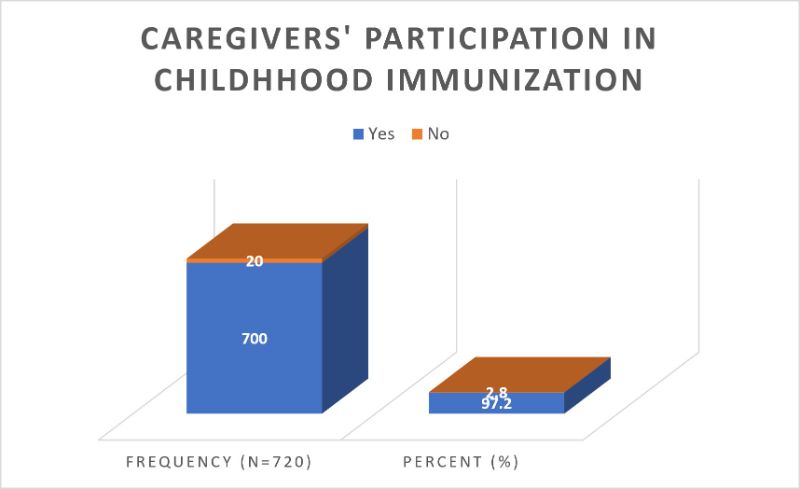
Figure 1: Caregivers’ participation in routine childhood immunization
Figure 1 shows that 700 (97.2%) of the caregivers reported that their children had received routine childhood immunization, whereas only 20 (2.8%) indicated that their children had not received routine immunization. This finding demonstrates a very high level of caregivers' participation in routine childhood immunization among the study population. The high uptake suggests that most caregivers recognized the importance of childhood immunization and accessed immunization services. However, the small proportion of caregivers whose children had not received routine immunization indicates that barriers to immunization still exist and warrant further investigation.
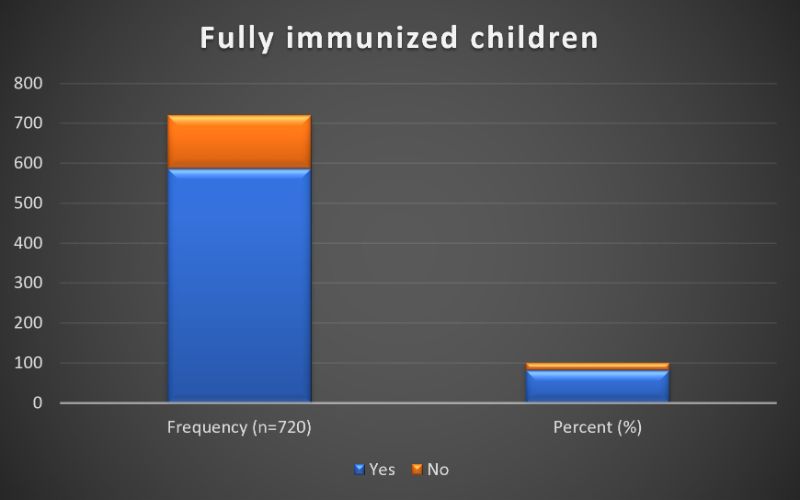
Figure 2: Child fully immunized according to age
Figure 2 indicates that 586 (81.4%) caregivers reported that their children were fully immunized according to the recommended immunization schedule, while 134 (18.6%) reported that their children were not fully immunized. Although the majority of children had completed the recommended vaccination schedule, nearly one-fifth had not received all age-appropriate vaccines. This finding suggests that, despite high participation in routine immunization services, completion of the full immunization schedule remains a challenge for a proportion of caregivers and children.
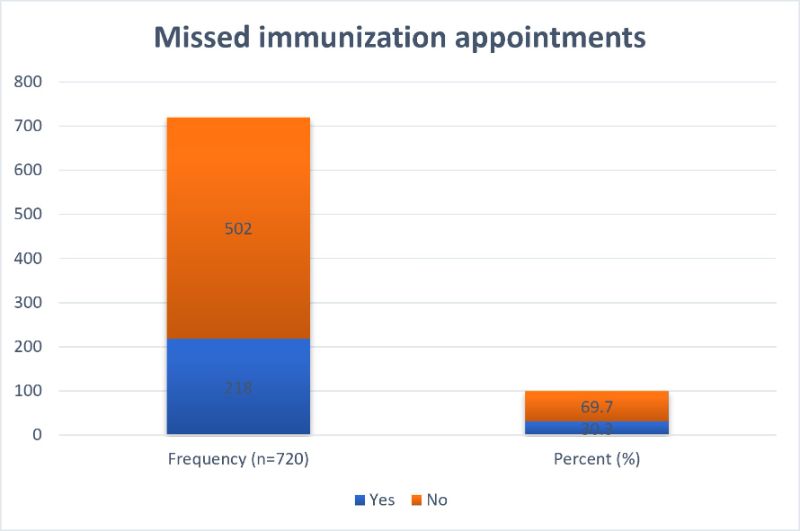
Figure 3: Missed immunization appointments
Figure 3 shows that 218 (30.3%) caregivers reported having missed at least one routine childhood immunization appointment, whereas 502 (69.7%) indicated that they had never missed an appointment. Although most caregivers adhered to scheduled immunization visits, almost one-third had missed appointments, highlighting gaps in timely utilization of immunization services. Missing scheduled appointments may contribute to delays or incomplete vaccination and underscores the need to identify and address factors that hinder regular attendance at immunization clinics.
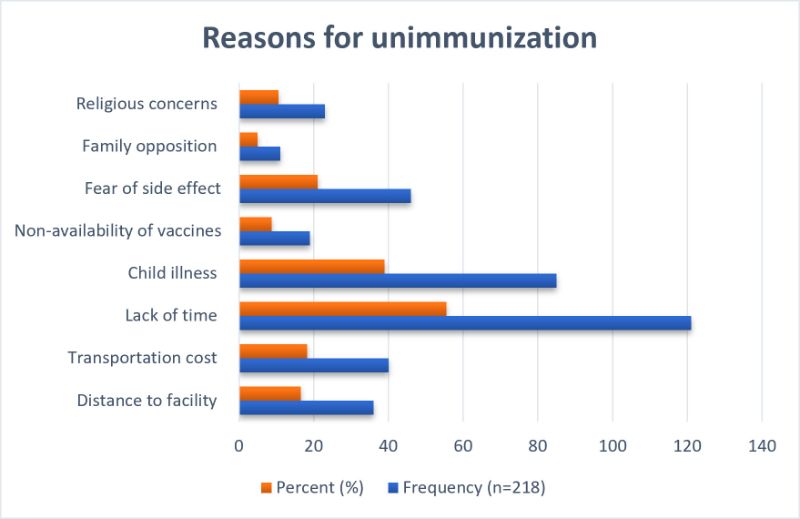
Figure 4: Reasons for missed immunization appointments
Figure 4 presents 218 caregivers who reported missing immunization appointments, the most commonly reported reason was lack of time (121, 55.5%), followed by child illness (85, 39.0%). Other reported reasons included fear of side effects (46, 21.1%), transportation cost (40, 18.3%), distance to the health facility (36, 16.5%), religious concerns (23, 10.6%), non-availability of vaccines (19, 8.7%), and family opposition (11, 5.0%). These findings suggest that time constraints and child-related health issues were the major reasons for missed immunization appointments, while logistical, financial, health system, and sociocultural factors also contributed to non-attendance. Since caregivers could select more than one reason, the percentages exceed 100%, reflecting the multiple-response nature of the question.
Table 2: Caregivers’ belief about routine childhood immunization
|
Variable |
Mean |
Standard Deviation |
Interpretation |
|
Vaccines protect children from serious diseases |
4.036 |
0.789 |
Strongly agree (High positive belief) |
|
My child is at risk of contracting diseases if not immunized |
3.875 |
0.838 |
Agree |
|
Routine immunization is necessary for every child |
4.203 |
0.716 |
Strongly agree (very high) |
|
Vaccines are safe for children |
4.122 |
0.658 |
Agree |
|
Vaccines can cause serious health problems |
2.411 |
1.027 |
Disagree |
|
Immunization benefits outweigh its risk |
3.557 |
1.033 |
Agree |
|
Vaccine-preventable diseases are dangerous to children |
3.197 |
1.230 |
Undecided |
Table 2 presents caregivers' beliefs about routine childhood immunization. Overall, caregivers demonstrated positive beliefs towards routine childhood immunization. They strongly believed that routine immunization was necessary for every child (Mean = 4.203, SD = 0.716) and that vaccines protect children from serious diseases (Mean = 4.036, SD = 0.789). Respondents also agreed that vaccines are safe for children (Mean = 4.122, SD = 0.658), that unimmunized children are at risk of contracting diseases (Mean = 3.875, SD = 0.838), and that the benefits of immunization outweigh its risks (Mean = 3.557, SD = 1.033). Caregivers generally disagreed that vaccines cause serious health problems (Mean = 2.411, SD = 1.027), indicating confidence in vaccine safety, although opinions were more variable on this item. They were, however, undecided on whether vaccine-preventable diseases are dangerous to children (Mean = 3.197, SD = 1.230), reflecting greater variation in perceptions. Overall, these findings indicate that caregivers possessed favourable beliefs towards routine childhood immunization.
Table 3: Caregivers’ attitudes towards routine childhood immunization
|
Variable |
Mean |
Standard Deviation |
Interpretation |
|
I have a positive attitude towards childhood immunization |
3.999 |
0.607 |
Agree |
|
Taking a child for immunization is worthwhile |
4.040 |
0.635 |
Agree |
|
Immunization services are beneficial to my family |
4.047 |
0.676 |
Agree |
|
Health workers provide quality immunization services |
4.039 |
0.627 |
Agree |
|
Long waiting time discourage me from attending clinic |
2.769 |
1.032 |
Undecided |
|
I trust the information provided by health workers |
4.035 |
0.601 |
Agree |
|
Immunization clinics are friendly and welcoming |
4.050 |
0.613 |
Agree |
Table 3 shows caregivers' attitudes towards routine childhood immunization. The findings revealed that caregivers generally had positive attitudes towards immunization. Respondents agreed that taking a child for immunization is worthwhile (Mean = 4.040, SD = 0.635), that immunization services are beneficial to their families (Mean = 4.047, SD = 0.676), and that health workers provide quality immunization services (Mean = 4.039, SD = 0.627). They also expressed trust in information provided by health workers (Mean = 4.035, SD = 0.601) and agreed that immunization clinics were friendly and welcoming (Mean = 4.050, SD = 0.613). Although caregivers generally reported a positive attitude towards childhood immunization (Mean = 3.999, SD = 0.607), they were more neutral regarding whether long waiting times discouraged clinic attendance (Mean = 2.769, SD = 1.032), suggesting that waiting time was not perceived as a major barrier by many respondents. Overall, the findings indicate favourable attitudes towards routine childhood immunization.
Table 4: Social influence on caregivers’ participation in routine childhood immunization
|
Variable |
Mean |
Standard Deviation |
Interpretation |
|
My spouse supports childhood immunization |
3.924 |
0.741 |
Agree |
|
Family members encourage me to immunized my child |
3.824 |
0.729 |
Agree |
|
Religious leaders in my community support immunization |
3.938 |
0.775 |
Agree |
|
Traditional/Community leaders encourage immunization |
3.846 |
0.824 |
Agree |
|
Most parents in my community vaccinate their children |
4.111 |
0.579 |
Agree |
|
Community opinions influence my immunization decisions |
3.425 |
1.043 |
Agree |
|
Friends and neighbours encourage immunization |
3.842 |
0.677 |
Agree |
Table 4 presents the influence of social factors on caregivers' participation in routine childhood immunization. Overall, caregivers agreed that social support positively influenced their participation. They agreed that spouses (Mean = 3.924, SD = 0.741), family members (Mean = 3.824, SD = 0.729), religious leaders (Mean = 3.938, SD = 0.775), traditional and community leaders (Mean = 3.846, SD = 0.824), and friends and neighbours (Mean = 3.842, SD = 0.677) encouraged childhood immunization. Respondents also agreed that most parents in their communities vaccinated their children (Mean = 4.111, SD = 0.579), indicating strong positive community norms regarding immunization. Community opinions also influenced caregivers' immunization decisions (Mean = 3.425, SD = 1.043), although responses varied more widely for this item. Overall, the findings suggest that positive social influence played an important role in encouraging caregivers to participate in routine childhood immunization.
Table 5: Caregivers’ motivation for routine childhood immunization
|
Variable |
Mean |
Standard Deviation |
Interpretation |
|
Protecting my child motivates me to attend immunization clinics |
4.178 |
0.652 |
Agree |
|
I am determined to complete all vaccination schedules |
4.092 |
0.628 |
Agree |
|
I make effort to attend immunization appointments |
4.043 |
0.606 |
Agree |
|
Reminder messages encourage me to attend clinics |
3.928 |
0.692 |
Agree |
|
Health education motivates me to immunize my child |
4.083 |
0.636 |
Agree |
|
I would attend immunization clinic even when it is inconvenient |
3.625 |
0.911 |
Agree |
|
I believe immunization will improve my child's future health |
4.069 |
0.576 |
Agree |
Table 5 presents caregivers' motivation for routine childhood immunization. The results indicate that caregivers were highly motivated to participate in routine childhood immunization. Protecting their children was a strong motivator for clinic attendance (Mean = 4.178, SD = 0.652), and respondents agreed that they were determined to complete all vaccination schedules (Mean = 4.092, SD = 0.628). They also reported making efforts to attend immunization appointments (Mean = 4.043, SD = 0.606), that health education motivated them to immunize their children (Mean = 4.083, SD = 0.636), and that immunization would improve their children's future health (Mean = 4.069, SD = 0.576). Caregivers further agreed that reminder messages encouraged clinic attendance (Mean = 3.928, SD = 0.692) and that they would attend immunization clinics even when attendance was inconvenient (Mean = 3.625, SD = 0.911). Overall, the findings demonstrate a high level of caregiver motivation towards routine childhood immunization.
Table 6: Caregivers’ perceived barriers to routine childhood immunization
|
Variable |
Mean |
Standard Deviation |
Interpretation |
|
Distance to health facility prevent me from attending immunization clinic |
2.547 |
1.007 |
Disagree |
|
Transportation cost affects my ability to vaccinate my child |
2.454 |
0.964 |
Disagree |
|
Household responsibilities make it difficult for me to attend clinic |
2.553 |
0.968 |
Disagree |
|
Fear of side-effects discourage me from immunized my child |
2.439 |
0.982 |
Disagree |
|
Vaccine stock-outs discourage my clinic attendance |
2.422 |
0.985 |
Disagree |
|
Clinic opening hours are inconvenient |
2.399 |
0.954 |
Disagree |
Table 6 shows caregivers' perceived barriers to routine childhood immunization. Overall, caregivers disagreed that the listed factors constituted major barriers to their participation in routine childhood immunization. They disagreed that distance to health facilities (Mean = 2.547, SD = 1.007), transportation costs (Mean = 2.454, SD = 0.964), household responsibilities (Mean = 2.553, SD = 0.968), fear of vaccine side effects (Mean = 2.439, SD = 0.982), vaccine stock-outs (Mean = 2.422, SD = 0.985), and inconvenient clinic opening hours (Mean = 2.399, SD = 0.954) prevented them from attending immunization clinics. These findings suggest that perceived barriers to routine childhood immunization were generally low among caregivers, although the relatively larger standard deviations for some items indicate that these barriers were experienced by a minority of respondents.
Table 7: Caregivers’ behavioural intention towards future participation in routine childhood immunization
|
Variable |
Mean |
Standard Deviation |
Interpretation |
|
I intend to continue to attending routine immunization clinic |
3.958 |
0.664 |
Agree |
|
I will ensure that my child completes all required vaccinations |
4.057 |
0.670 |
Agree |
|
I will recommend routine immunization to other caregivers |
4.104 |
0.628 |
Agree |
|
I will immunized future children according to the schedule |
4.086 |
0.614 |
Agree |
Table 7 presents caregivers' behavioural intention towards future participation in routine childhood immunization. Overall, caregivers expressed a strong intention to continue participating in routine childhood immunization. They agreed that they intended to continue attending routine immunization clinics (Mean = 3.958, SD = 0.664), would ensure that their children completed all required vaccinations (Mean = 4.057, SD = 0.670), would recommend routine immunization to other caregivers (Mean = 4.104, SD = 0.628), and would immunize future children according to the recommended schedule (Mean = 4.086, SD = 0.614). The consistently high mean scores and relatively low standard deviations indicate a high level of agreement and consistency among respondents. Overall, the findings suggest that caregivers had a strong behavioural intention to sustain participation in routine childhood immunization and promote immunization within their communities.
Table 8: Chi-square test of independent of association between religion and completion of routine childhood immunization among caregivers
|
Observed |
|||
|
variable |
Fully immunized |
||
|
Religion |
No |
Yes |
Grand Total |
|
Christianity |
73 |
513 |
586 |
|
Islam |
53 |
63 |
116 |
|
Traditional religion |
8 |
10 |
18 |
|
Grand Total |
134 |
586 |
720 |
|
|
|
|
|
|
Expected |
|||
|
Variable |
Fully immunized |
||
|
Religion |
No |
Yes |
Grand Total |
|
Christianity |
109.06 |
476.94 |
586 |
|
Islam |
21.59 |
94.41 |
116 |
|
Traditional religion |
3.35 |
14.65 |
18 |
|
Grand Total |
134 |
586 |
720 |
p-value= 8 x 10-18
Table 8 presents the association between caregivers' religion and the completion of routine childhood immunization. Of the 586 Christian caregivers, 513 (87.5%) reported that their children were fully immunized, compared with 63 (54.3%) of the 116 Muslim caregivers and 10 (55.6%) of the 18 caregivers practicing traditional religion. The observed frequencies differed considerably from the expected frequencies under the assumption of no association. The Chi-square test revealed a highly statistically significant association between religion and completion of routine childhood immunization (p = 8 × 10⁻¹⁸; p < 0.001). This finding indicates that caregivers' religious affiliation was significantly associated with whether children completed the recommended routine childhood immunization schedule.
Table 9: Chi-square test of independent of association between distance to the nearest health facility and completion of routine childhood immunization among caregivers
|
Observed |
|||
|
Variable |
Fully immunized |
||
|
Distance to nearest facility |
No |
Yes |
Grand Total |
|
<1 km |
30 |
182 |
212 |
|
1-5 km |
75 |
319 |
394 |
|
6-10 km |
18 |
68 |
86 |
|
≥10 km |
11 |
17 |
28 |
|
Grand Total |
134 |
586 |
720 |
|
Expected |
|||
|
Variable |
|||
|
Distance to nearest facility |
Fully immunized |
||
|
<1 km |
No |
Yes |
Grand Total |
|
1-5 km |
39.46 |
172.54 |
212 |
|
6-10 km |
73.33 |
320.67 |
394 |
|
≥10 km |
16.01 |
69.99 |
86 |
|
Grand Total |
5.21 |
22.79 |
28 |
|
|
134 |
586 |
720 |
p-value= 0.0115
Table 9 presents the association between the distance to the nearest health facility and completion of routine childhood immunization. Among caregivers living within 1–5 km of a health facility, 319 (81.0%) had fully immunized children, while 182 (85.8%) of those living less than 1 km away and 68 (79.1%) of those living 6–10 km away reported full immunization. In contrast, only 17 (60.7%) of caregivers living 10 km or more from a health facility had fully immunized children. The observed frequencies differed from the expected frequencies, particularly among caregivers residing 10 km or more from a health facility. The Chi-square test demonstrated a statistically significant association between distance to the nearest health facility and completion of routine childhood immunization (p = 0.0115; p < 0.05). This result suggests that proximity to health facilities significantly influenced caregivers' ability to complete the recommended childhood immunization schedule, with greater distances associated with lower immunization completion rates.
Table 10: Pearson's correlation between caregivers' belief scores and attitude scores towards routine childhood immunization
|
Variable |
Mean score |
SD |
t-statistics |
Pearson’s r |
P-value |
|
Beliefs |
3.628 |
0.899 |
|
|
|
|
Attitudes |
3.854 |
0.685 |
39.836 |
0.8298 |
5.12 x 10-184 |
Table 10 presents the Pearson's correlation analysis between caregivers' belief scores and attitude scores towards routine childhood immunization. The mean belief score was 3.628 (SD = 0.899), indicating that, on average, caregivers had moderately positive beliefs regarding routine childhood immunization. The mean attitude score was 3.854 (SD = 0.685), suggesting that caregivers generally exhibited positive attitudes towards routine childhood immunization. The Pearson's correlation coefficient showed a very strong positive correlation between belief scores and attitude scores (r = 0.8298), indicating that caregivers with more positive beliefs about routine childhood immunization were more likely to have positive attitudes towards immunizing their children. The relationship was highly statistically significant (t = 39.836, p < 0.001), demonstrating that the observed association was extremely unlikely to have occurred by chance.
Table 11: Pearson's Correlation Between Caregivers' Beliefs and Behavioural Intentions Towards Routine Childhood Immunization
|
Variable |
Mean scores |
SD |
t-statistics |
Pearson’s r |
P-value |
|
Beliefs |
3.628 |
0.899 |
|
|
|
|
Behavioural intentions |
4.051 |
0.644 |
11.625 |
0.398 |
9.6 X 10⁻²⁹ |
Table 11 presents the Pearson's correlation analysis which showed a moderate positive relationship between caregivers' beliefs and behavioural intentions towards routine childhood immunization (r = 0.398, p < 0.001). This indicates that caregivers who held stronger positive beliefs about the safety, effectiveness, and benefits of routine childhood immunization were more likely to express stronger intentions to complete their children's immunization schedules and continue participating in routine immunization programmes. Although the relationship was moderate, it was statistically significant, suggesting that positive beliefs play an important role in shaping caregivers' future immunization behaviour.
Table 12: Pearson's Correlation Between Caregivers' Attitudes and Behavioural Intentions Towards Routine Childhood Immunization
|
Variable |
Mean scores |
SD |
t-statistics |
Pearson’s r |
P-value |
|
Attitude |
3.854 |
0.685 |
|
|
|
|
Behavioural intentions |
4.051 |
0.644 |
117.530 |
0.975 |
P<0.001 |
Table 12 presents a Pearson’s correlation analysis that revealed a very strong positive relationship between caregivers' attitudes and behavioural intentions towards routine childhood immunization (r = 0.975, p < 0.001). This finding indicates that caregivers with more favourable attitudes towards routine childhood immunization were substantially more likely to intend to continue vaccinating their children according to the recommended schedule. The very high correlation suggests that attitude is one of the strongest behavioural determinants influencing caregivers' intention to participate in routine childhood immunization.
Table 13: Pearson's Correlation Between Social Influence and Behavioural Intentions Towards Routine Childhood Immunization
|
Variable |
Mean scores |
SD |
t-statistics |
Pearson’s r |
P-value |
|
Social influence |
3.844 |
0.767 |
|
|
|
|
Behavioural intentions |
4.051 |
0.644 |
6.320 |
0.230 |
4.6 x 10⁻¹⁰ |
Table 13 showed Pearson's correlation analysis that demonstrated a weak positive relationship between social influence and behavioural intentions (r = 0.230, p < 0.001). This suggests that caregivers who received greater encouragement and support from spouses, family members, friends, community leaders, religious leaders, or healthcare workers were slightly more likely to express stronger intentions to participate in routine childhood immunization. Although the strength of the relationship was weak, it was statistically significant, indicating that social influence contributes positively to caregivers' behavioural intentions.
Table 14: Pearson's Correlation Between Caregivers' Motivation and Behavioural Intentions Towards Routine Childhood Immunization
|
Variable |
Mean scores |
SD |
t-statistics |
Pearson’s r |
P-value |
|
Motivation |
4.002 |
0.672 |
|
|
|
|
Behavioural intentions |
4.051 |
0.644 |
35.680 |
0.799 |
3.5 x 10-161 |
Table 14 showed Pearson’s correlation analysis that showed a strong positive relationship between caregivers' motivation and behavioural intentions towards routine childhood immunization (r = 0.799, p < 0.001). This indicates that caregivers with higher levels of motivation—such as the desire to protect their children from vaccine-preventable diseases, confidence in the benefits of vaccination, and commitment to completing the immunization schedule—were much more likely to demonstrate strong intentions to continue participating in routine childhood immunization. This finding suggests that motivation is a key predictor of caregivers' behavioural intentions.
Table 15: Pearson's Correlation Between Perceived Barriers and Behavioural Intentions Towards Routine Childhood Immunization
|
Variable |
Mean scores |
SD |
t-statistics |
Pearson’s r |
P-value |
|
Perceived barriers |
2.467 |
0.977 |
|
|
|
|
Behavioural intentions |
4.051 |
0.644 |
9.686 |
-0.340 |
6.2 x 10⁻²¹ |
Table 15 presents Pearson's correlation analysis that revealed a weak negative (inverse) relationship between perceived barriers and behavioural intentions towards routine childhood immunization (r = -0.340, p < 0.001). This indicates that as caregivers' perceived barriers increased—such as transportation difficulties, long waiting times, vaccine stock-outs, financial constraints, or fear of adverse effects— their intention to participate in routine childhood immunization decreased. Although the relationship was weak, it was statistically significant, suggesting that reducing these barriers could improve caregivers' willingness and intention to fully participate in routine childhood immunization programmes.
Collectively, these findings indicate that beliefs, attitudes, social influence, and motivation were positively associated with caregivers' behavioural intentions, whereas perceived barriers were inversely associated with behavioural intentions. In practical terms, caregivers with stronger positive beliefs, more favourable attitudes, greater social support, and higher motivation were more likely to intend to participate in routine childhood immunization. Conversely, caregivers who experienced more barriers were less likely to express intentions to complete the recommended immunization schedule. These results support behavioural theories such as the Health Belief Model and the Theory of Planned Behavior, which posit that positive perceptions and supportive social environments promote healthy behavioural intentions, while perceived barriers hinder them.
Table 16: Multiple logistic regression analysis of predictors of caregivers’ behavioural intentions towards routine childhood immunization
|
Regression Statistics |
|
||||
|
Chi Square |
52.49606 |
|
|||
|
Residual Dev. |
639.4738 |
|
|||
|
# of iterations |
5 |
|
|||
|
Observations |
720 |
|
|||
|
|
|||||
|
Variable |
Coefficients (β) |
SE |
P-value |
Odd Ratio |
95% CI |
|
Intercept |
-3.720 |
0.948 |
8.69 x 10⁻⁵ |
0.02 |
0.00 ± 0.16 |
|
Attitude |
1.295 |
0.332 |
<0.001 |
3.65 |
1.91 ± 7.00 |
|
Social |
0.788 |
0.243 |
0.001 |
2.20 |
0.28 ± 0.73 |
|
Motivation |
0.842 |
0.292 |
0.004 |
2.32 |
1.31 ± 4.11 |
Table 16 presents a multiple logistic regression analysis that was performed to identify the independent behavioural determinants of caregivers' behavioural intentions towards routine childhood immunization after removing the redundant predictor (beliefs). The final model included attitudes, social influence, and motivation and was based on 720 caregivers. The model converged after five iterations and produced an overall chi-square statistic of 52.50, indicating that the model significantly explained variation in caregivers' behavioural intentions. Attitudes emerged as a strong and statistically significant predictor of behavioural intention (β = 1.295, SE = 0.332, p < 0.001). The positive regression coefficient indicates that an increase in favourable attitudes towards routine childhood immunization was associated with an increase in the likelihood of caregivers demonstrating positive behavioural intentions. The highly significant p-value indicates that this relationship was unlikely to have occurred by chance. These findings suggest that caregivers who perceived routine childhood immunization positively were significantly more likely to intend to participate in immunization programmes than those with less favourable attitudes. Social influence was also found to be a statistically significant predictor of behavioural intention (β = 0.788, SE = 0.243, p = 0.001). The positive regression coefficient indicates that increasing positive social influence from spouses, family members, healthcare workers, community leaders, and peers increased the likelihood of caregivers reporting positive behavioural intentions towards routine childhood immunization. The statistically significant p-value demonstrates that social influence independently contributed to behavioural intention even after controlling for attitudes and motivation. This finding underscores the important role of supportive interpersonal relationships and community norms in promoting caregivers' participation in routine childhood immunization. Motivation remained a statistically significant positive predictor of behavioural intention (β = 0.842, SE = 0.292, p = 0.004). The positive coefficient indicates that caregivers with higher motivation were more likely to express positive behavioural intentions towards routine childhood immunization. Since the p-value was below the 5% level of significance, motivation independently predicted behavioural intention after adjustment for attitudes and social influence. This finding suggests that caregivers who were motivated by the perceived benefits of immunization, confidence in vaccines, and a desire to protect their children were significantly more likely to participate in routine childhood immunization programmes.
Discussions
The findings presented in Table 1 indicate that the study population was predominantly composed of married female caregivers within the reproductive age group, with most having attained at least secondary education and residing within relatively accessible distances to primary healthcare facilities. These characteristics are generally associated with improved utilization of maternal and child health services, including routine childhood immunization. Previous studies have demonstrated that caregiver education, marital support, and proximity to health facilities positively influence immunization uptake because they improve health literacy, decision-making capacity, and access to healthcare services (Ilhami & Afif, 2020; Krokidi et al., 2023; Rammohan et al., 2012). Nevertheless, the high proportion of self-employed caregivers suggests that competing livelihood activities may reduce the time available for clinic attendance, thereby influencing participation in routine immunization. Figure 1 revealed that almost all caregivers (97.2%) had participated in routine childhood immunization, indicating a high level of acceptance of childhood vaccination within the study communities. This finding suggests that caregivers generally recognized the importance of immunization and trusted vaccination services. Such high participation was consistent with the Health Belief Model, which proposed that caregivers who perceive vaccines as beneficial and effective were more likely to seek immunization services. However, participation in at least one immunization visit does not necessarily translate into completion of the entire vaccination schedule. Although participation was high, Figure 2 showed that only 81.4% of children had completed the recommended immunization schedule, leaving nearly one-fifth incompletely immunized. This discrepancy demonstrates that initiating immunization was easier than sustaining participation throughout the vaccination schedule. Behavioural theories, particularly the Theory of Planned Behaviour, suggested that positive intentions alone were insufficient when caregivers encounter practical barriers such as competing responsibilities, transportation challenges, or poor service availability. Similar findings had been reported across sub-Saharan Africa, where incomplete immunization remains common despite relatively high initial vaccine uptake (Díaz-Ortega et al., 2018; Lemos et al., 2022). Consistent with this observation, Figure 3 indicated that approximately one-third of caregivers (30.3%) had missed at least one immunization appointment. Missed appointments represent an important behavioural challenge because they interrupt vaccine schedules and increased the likelihood of incomplete immunization. The finding suggested that caregivers might possess favourable attitudes towards immunization but still fail to attend scheduled visits because of competing priorities or logistical difficulties. Similar evidence has shown that missed opportunities for vaccination in low- and middle-income countries were frequently associated with access barriers rather than outright vaccine refusal (Bolarinwa et al., 2025). Figure 4 further demonstrated that lack of time, child illness, fear of vaccine side effects, transportation costs, distance to health facilities, vaccine stock-outs, religious concerns, and family opposition were the principal reasons for missed immunization appointments. The predominance of lack of time reflects the occupational characteristics of caregivers, many of whom depended on self-employment and petty trading for their livelihoods. These findings support the WHO Behavioural and Social Drivers framework, which recognizes that vaccination behaviour is influenced not only by beliefs and motivation but also by practical constraints and service-related factors (WHO, 2022). Consequently, interventions should combine behavioural change communication with flexible clinic hours, outreach services, reminder systems, reliable vaccine availability, and community engagement to improve completion of routine childhood immunization. Overall, the findings suggest that caregivers in the study communities generally possessed favourable sociodemographic characteristics, positive beliefs, and high acceptance of routine childhood immunization. However, completion of the immunization schedule continued to be influenced by behavioural, socioeconomic, and health-system barriers, particularly competing livelihood demands, missed appointments, transportation challenges, and occasional service constraints. These findings reinforce the need for integrated interventions that simultaneously strengthen caregivers' beliefs and motivation while improving the accessibility, convenience, and reliability of immunization services in rural sub-Saharan Africa.
The findings presented in Table 2 demonstrated that caregivers generally possessed favourable beliefs regarding routine childhood immunization. Most caregivers strongly believed that routine immunization was necessary for every child, that vaccines protected children from serious diseases, and that vaccines were safe. They also agreed that unimmunized children were at greater risk of contracting vaccine-preventable diseases and that the benefits of immunization outweighed its risks. Conversely, caregivers generally disagreed that vaccines caused serious health problems, although some uncertainty remained regarding the severity of vaccine-preventable diseases. These findings suggested that positive beliefs constituted an important behavioural determinant of caregivers' participation in routine childhood immunization. According to the Health Belief Model, individuals who perceived greater benefits of vaccination and lower perceived barriers were more likely to adopt preventive health behaviours. Similar findings were reported by Brewer et al., and the World Health Organization, who observed that confidence in vaccine safety and effectiveness positively influenced childhood immunization uptake (Brewer et al., 2017; WHO, 2022). The findings therefore suggested that strengthening caregivers' knowledge of vaccine-preventable diseases through health education would further reinforce positive beliefs and improve sustained participation in routine childhood immunization. The results in Table 3 revealed that caregivers generally exhibited positive attitudes towards routine childhood immunization. Most respondents agreed that taking children for immunization was worthwhile, beneficial to their families, and that immunization services were delivered by competent and trustworthy health workers in friendly clinic environments. Although respondents were uncertain about the influence of long waiting times, the overall findings reflected favourable attitudes towards immunization services. These findings supported the Theory of Planned Behaviour, which proposed that favourable attitudes increased individuals' intentions to perform desired health behaviours. Positive attitudes towards vaccination had consistently been associated with higher immunization uptake across sub-Saharan Africa. The findings suggested that maintaining high-quality client-provider relationships, improving service responsiveness, and reducing waiting times would further strengthen caregivers' attitudes and enhance routine childhood immunization participation. Table 4 demonstrated that caregivers experienced considerable positive social influence regarding routine childhood immunization. Family members, spouses, friends, healthcare workers, religious leaders, and community leaders generally encouraged caregivers to immunize their children. Most caregivers also perceived childhood immunization as a common and socially accepted practice within their communities. These findings indicated that supportive social networks significantly influenced caregivers' vaccination decisions. According to the Theory of Planned Behaviour, subjective norms exert substantial influence on behavioural intentions by shaping individuals' perceptions of socially acceptable behaviours. Similar observations had been reported by Larson et al., and the World Health Organization, who found that trusted community leaders and healthcare providers played important roles in increasing vaccine acceptance (Larson et al., 2016; WHO, 2022). Consequently, strengthening community engagement and involving influential local leaders in immunization promotion would likely improve caregivers' participation in routine childhood immunization in rural communities. The findings in Table 5 indicated that caregivers demonstrated high levels of motivation to participate in routine childhood immunization. The strongest motivating factor was the desire to protect children against vaccine-preventable diseases, followed by the intention to complete the recommended vaccination schedule, confidence in future health benefits, and the influence of health education and reminder messages. Although caregivers agreed that they would continue attending immunization clinics despite inconvenience, this item showed greater variability than the other motivational factors, suggesting that practical challenges could reduce motivation among some respondents. These findings were consistent with behavioural theories which emphasized that motivation served as the immediate driver of health-seeking behaviour. Brewer et al., reported that caregivers' motivation was strengthened by confidence in vaccines, perceived disease risk, effective communication, and reminder systems (Brewer et al., 2017). The findings therefore suggested that continued health education, appointment reminders, and supportive counselling would sustain caregivers' motivation and improve completion of childhood immunization schedules. Table 6 revealed that caregivers generally reported low perceived barriers to routine childhood immunization. Most respondents disagreed that transportation costs, distance to health facilities, competing household responsibilities, fear of vaccine side effects, inconvenient clinic hours, vaccine stock-outs, or long waiting times prevented them from participating in immunization services. Nevertheless, the variability observed across some items indicated that these barriers remained important for certain caregivers. These findings suggested that although behavioural barriers were generally low within the study population, practical and health-system constraints continued to influence participation among vulnerable households. Similar findings were reported by Bangura et al., who identified transportation difficulties, financial constraints, inadequate service availability, and opportunity costs as persistent barriers to childhood immunization in sub-Saharan Africa (Bangura et al., 2020). The findings therefore underscored the importance of maintaining reliable immunization services while addressing contextual barriers through outreach services, flexible clinic schedules, and improved accessibility for hard-to-reach rural populations. Table 7 demonstrated that caregivers expressed strong behavioural intentions towards continued participation in routine childhood immunization. Most respondents intended to complete their children's immunization schedules, continue attending immunization clinics, vaccinate future children, and recommend routine childhood immunization to other caregivers. These findings suggested that caregivers' positive beliefs, favourable attitudes, supportive social influences, and high motivation translated into strong intentions to maintain immunization behaviours. According to the Theory of Planned Behaviour, behavioural intention represented the strongest predictor of actual behaviour and reflected the combined effects of attitudes, subjective norms, and perceived behavioural control. Similar conclusions were reached by Betsch et al., who demonstrated that positive intentions were associated with increased vaccine uptake when supported by accessible and reliable health services (Betsch et al., 2015). Nevertheless, behavioural intention alone did not guarantee actual participation, as service-related and socioeconomic barriers could still prevent caregivers from completing recommended vaccination schedules. Consequently, strengthening health systems alongside behavioural interventions remained essential for improving routine childhood immunization coverage.
Overall, the findings from Tables 2–7 demonstrated that caregivers generally possessed positive beliefs, favourable attitudes, supportive social influences, high motivation, low perceived barriers, and strong behavioural intentions towards routine childhood immunization. These behavioural determinants collectively appeared to contribute to the high level of caregivers' participation observed in the study. The findings supported both the Health Belief Model and the Theory of Planned Behaviour, which proposed that health behaviours were influenced by perceptions of benefits and barriers, attitudes, subjective norms, motivation, and behavioural intentions. Nevertheless, the findings also indicated that practical barriers, including time constraints, transportation challenges, and health-system limitations, continued to affect some caregivers despite their favourable behavioural characteristics. These results suggested that interventions designed to improve routine childhood immunization in rural sub-Saharan Africa should integrate behavioural change communication with strengthened health-service delivery, community engagement, reminder systems, and improved access to immunization services. Such integrated approaches would likely sustain caregivers' participation and improve completion of routine childhood immunization schedules.
The Chi-square analysis presented in Table 8 demonstrated a statistically significant association between caregivers' religion and completion of routine childhood immunization (p < 0.001). The findings indicated that religion significantly influenced caregivers' participation in completing the recommended childhood immunization schedule. This finding suggested that religious beliefs and teachings might have shaped caregivers' perceptions of vaccine safety, trust in health services, and health-seeking behaviour. Similar findings had been reported by Tiwana et al., and Bangura et al., who observed that religious beliefs and the influence of faith leaders significantly affected childhood immunization uptake in several sub-Saharan African countries (Bangura et al., 2020; Tiwana & Smith, 2024). The findings therefore emphasized the importance of engaging religious leaders in behavioural change communication strategies aimed at improving routine childhood immunization coverage. The findings in Table 9 revealed a statistically significant association between the distance to the nearest health facility and completion of routine childhood immunization (p = 0.011). Caregivers residing closer to health facilities were more likely to complete their children's vaccination schedules than those living farther away. This finding suggested that geographical accessibility remained an important determinant of routine childhood immunization despite the generally high immunization participation observed in the study. Similar findings had been reported by scholars, who identified distance, transportation challenges, and poor accessibility as major barriers to childhood immunization completion in rural sub-Saharan Africa. These findings underscored the need to strengthen outreach services, mobile immunization clinics, and community-based vaccination programmes to improve access among remote populations. Table 10 demonstrated a strong positive correlation between caregivers' beliefs and attitudes towards routine childhood immunization (r = 0.830, p < 0.001). The findings indicated that caregivers with stronger positive beliefs regarding vaccine safety, effectiveness, and necessity were also more likely to possess favourable attitudes towards routine childhood immunization. This strong relationship supported both the Health Belief Model and the Theory of Planned Behaviour, which proposed that positive health beliefs influenced attitudes and subsequently shaped behavioural intentions. Similar observations had been reported by Brewer et al., who concluded that positive vaccine beliefs strengthened favourable attitudes and increased vaccine acceptance (Brewer et al., 2017). The findings suggested that interventions aimed at improving caregivers' beliefs would simultaneously strengthen positive attitudes towards immunization. The findings presented in Table 11 showed a statistically significant positive correlation between caregivers' beliefs and behavioural intention (r = 0.398, p < 0.001). Although the relationship was moderate, caregivers with stronger positive beliefs were more likely to express intentions to continue participating in routine childhood immunization. The findings suggested that confidence in vaccine safety, effectiveness, and perceived benefits contributed to caregivers' willingness to complete childhood vaccination schedules. These findings agreed with the Health Belief Model, which proposed that favourable beliefs regarding disease prevention increased individuals' intentions to engage in preventive health behaviours. Similar findings had been reported by Betsch et al., who observed that positive vaccine confidence significantly improved vaccination intentions (Betsch et al., 2015). Table 12 demonstrated an exceptionally strong positive relationship between caregivers' attitudes and behavioural intention (r = 0.975, p < 0.001). The findings indicated that favourable attitudes towards routine childhood immunization were strongly associated with caregivers' intentions to continue vaccinating their children. This result suggested that attitude represented one of the strongest behavioural determinants of immunization participation in the study population. According to the Theory of Planned Behaviour, attitude is a principal determinant of behavioural intention and subsequent behaviour. Similar findings had been reported by scholars, who demonstrated that favourable attitudes consistently predicted vaccination intentions and vaccine uptake. The findings therefore emphasized the importance of strengthening positive attitudes through effective health education and quality healthcare interactions. The results presented in Table 13 revealed a statistically significant positive relationship between social influence and behavioural intention (r = 0.230, p < 0.001). Although the relationship was relatively weak, caregivers who received greater encouragement from spouses, healthcare workers, family members, religious leaders, and community leaders were more likely to express positive intentions towards routine childhood immunization. The findings suggested that social influence independently contributed to caregivers' vaccination decisions. Similar findings had been reported by Larson et al., who found that trusted community members and healthcare providers played important roles in influencing vaccine acceptance and immunization behaviour (Larson et al., 2016). These findings supported the subjective norm component of the Theory of Planned Behaviour. Table 14 demonstrated a strong positive correlation between caregivers' motivation and behavioural intention (r = 0.799, p < 0.001). Caregivers who were highly motivated to protect their children and recognized the future benefits of vaccination were more likely to express strong intentions to participate in routine childhood immunization. The findings suggested that motivation represented one of the strongest behavioural determinants of caregivers' participation. Similar observations had been reported by Manthiram et al, who concluded that motivation driven by perceived benefits and disease prevention significantly increased vaccine uptake (Manthiram et al., 2014). The findings further indicated that health education, reminder systems, and continuous community engagement could strengthen caregiver motivation and improve immunization completion. The findings in Table 15 revealed a statistically significant negative correlation between perceived barriers and behavioural intention (r = -0.340, p < 0.001). This indicated that increasing transportation difficulties, competing responsibilities, fear of vaccine side effects, long waiting times, and other perceived barriers reduced caregivers' intentions to participate in routine childhood immunization. The findings were consistent with the Health Belief Model, which proposed that increasing perceived barriers diminished the likelihood of engaging in preventive health behaviours. Similar findings had been reported by Bangura et al., who identified practical and health-system barriers as major contributors to incomplete childhood immunization in sub-Saharan Africa (Bangura et al., 2020). The findings suggested that reducing service-related barriers would strengthen caregivers' behavioural intentions and improve vaccine completion rates. The multiple logistic regression analysis presented in Table 16 identified attitudes, social influence, and motivation as significant independent predictors of caregivers' behavioural intention towards routine childhood immunization after adjustment for potential confounding variables. Positive attitudes (β = 1.295, p < 0.001) emerged as the strongest predictor, indicating that caregivers with more favourable attitudes were significantly more likely to demonstrate positive behavioural intentions. Social influence (β = 0.788, p = 0.001) also significantly increased the likelihood of positive behavioural intention, suggesting that encouragement from spouses, healthcare workers, family members, and community leaders independently promoted immunization participation. Motivation (β = 0.842, p = 0.004) remained a statistically significant predictor, indicating that caregivers who were strongly motivated to protect their children were more likely to participate in routine childhood immunization. These findings demonstrated that although beliefs influenced attitudes and behavioural intention indirectly, attitudes, supportive social networks, and motivation constituted the strongest independent behavioural determinants of caregivers' participation in routine childhood immunization. The findings were consistent with the Theory of Planned Behaviour and the Health Belief Model, as well as previous studies by Brewer et al., and Betsch et al., which reported that positive attitudes, supportive social norms, and motivation significantly predicted vaccination behaviour (Betsch et al., 2015; Brewer et al., 2017; Rosenstock, 1974).
Overall, the inferential analyses demonstrated that caregivers' participation in routine childhood immunization was determined by a complex interaction of sociodemographic, behavioural, and contextual factors. Religion and geographical accessibility significantly influenced immunization completion, while beliefs, attitudes, social influence, motivation, and perceived barriers showed significant relationships with caregivers' behavioural intentions. However, after controlling for the effects of the behavioural variables, attitudes, social influence, and motivation remained the strongest independent predictors of participation. These findings supported the Health Belief Model and the Theory of Planned Behaviour, confirming that routine childhood immunization behaviours in rural sub-Saharan Africa were influenced not only by knowledge of vaccines but also by favourable attitudes, supportive social norms, strong motivation, and reduced practical barriers. The findings therefore suggested that future immunization programmes should integrate behavioural change communication, community engagement, religious and traditional leader involvement, reminder systems, and improved accessibility to immunization services in order to sustain and improve routine childhood immunization uptake among caregivers in rural sub-Saharan Africa.
Conclusion
This study concluded that caregivers' participation in routine childhood immunization in rural sub-Saharan Africa was strongly influenced by behavioural determinants, particularly caregivers' beliefs, attitudes, social influence, motivation, and perceived barriers. Although the majority of caregivers demonstrated high participation in routine childhood immunization and positive perceptions towards vaccination, completion of the recommended immunization schedule remained suboptimal for a proportion of children due to behavioural and contextual challenges. The findings indicated that caregivers generally possessed favourable beliefs regarding vaccine safety, effectiveness, and the importance of routine childhood immunization, while positive attitudes towards immunization services and strong motivation to protect their children further promoted participation. Supportive social influences from spouses, family members, healthcare workers, religious leaders, and community members also contributed significantly to caregivers' immunization decisions. The inferential analyses further established that religion and proximity to health facilities were significantly associated with completion of routine childhood immunization, highlighting the continuing influence of sociocultural and geographical factors on vaccine uptake. Correlation analyses demonstrated significant positive relationships between caregivers' beliefs, attitudes, social influence, motivation, and behavioural intention, while perceived barriers were negatively associated with behavioural intention. Furthermore, the multiple logistic regression analysis identified attitudes, social influence, and motivation as the strongest independent predictors of caregivers' behavioural intention to participate in routine childhood immunization, confirming that behavioural factors remained critical determinants of vaccination behaviour after controlling for other variables. These findings supported both the Health Belief Model and the Theory of Planned Behaviour, which emphasize that health behaviours are influenced by individual perceptions, social norms, motivation, and perceived control over behaviour. Overall, the study concluded that improving routine childhood immunization coverage in rural sub-Saharan Africa requires more than ensuring vaccine availability. Sustainable improvements in immunization participation will depend on strengthening caregivers' positive attitudes, enhancing motivation, leveraging supportive social and community networks, reducing practical and health-system barriers, and promoting culturally appropriate behavioural change communication. Integrating these behavioural interventions with strengthened primary healthcare services, reliable vaccine supply systems, community engagement, and improved access to immunization services will be essential for increasing completion of childhood immunization schedules, reducing vaccine-preventable diseases, and contributing to improved child survival and achievement of national and global immunization targets.
Recommendations
1. Strengthen behavioural change communication (BCC): Health authorities should design and implement evidence-based behavioural change communication strategies that reinforce positive beliefs, address misconceptions about vaccine safety, and increase caregivers' awareness of the benefits of routine childhood immunization and the risks associated with vaccine-preventable diseases.
2. Improve caregivers' attitudes through quality service delivery: Primary healthcare facilities should continue to promote respectful, client-centred care by ensuring that healthcare workers provide accurate information, effective counselling, and supportive interactions that strengthen caregivers' confidence in routine childhood immunization services.
3. Enhance community and family engagement: Immunization programmes should actively involve spouses, grandparents, traditional rulers, religious leaders, community leaders, and community-based organizations in promoting routine childhood immunization, as supportive social influence was found to be an important determinant of caregivers' behavioural intentions.
4. Increase caregiver motivation through continuous health education: Regular health education sessions, interpersonal communication, community dialogues, reminder systems, and home visits by community health workers should be strengthened to sustain caregivers' motivation to complete the recommended childhood immunization schedule.
5. Reduce access-related barriers: Governments and health programme managers should improve geographical and financial access to immunization services by expanding outreach sessions, mobile immunization clinics, and integrated community health services, particularly in remote and underserved rural communities.
6. Strengthen health system capacity: Primary healthcare facilities should ensure uninterrupted vaccine availability, adequate cold chain maintenance, sufficient trained healthcare personnel, and reduced waiting times to minimize missed opportunities for immunization and improve caregivers' experiences with immunization services.
7. Implement effective defaulter tracking systems: Health facilities should establish robust appointment reminder and defaulter-tracking mechanisms using immunization registers, telephone reminders, SMS messages, and community health workers to identify children who miss scheduled vaccinations and facilitate timely follow-up.
8. Promote collaboration between the health and education sectors: Government agencies should integrate routine childhood immunization education into school health programmes, adult literacy programmes, and community education initiatives to improve long-term vaccine literacy and encourage informed health-seeking behaviour.
9. Develop context-specific behavioural interventions: Policymakers should utilize the findings of this study to design culturally appropriate interventions based on the Health Belief Model and the Theory of Planned Behaviour, focusing on strengthening positive attitudes, supportive social norms, and caregiver motivation while reducing perceived barriers to routine childhood immunization.
10. Conduct further research: Future studies should employ longitudinal and mixed-methods research designs to explore changes in caregivers' behavioural determinants over time and to examine additional contextual, cultural, and health-system factors influencing routine childhood immunization participation across different regions of sub-Saharan Africa.
11. The Federal Ministries of Health, National Primary Health Care Development Agency (NPHCDA), State Primary Health Care Boards, development partners, and implementing agencies should integrate behavioural insights into routine immunization policies and programmes. Behavioural interventions should complement traditional service delivery approaches to improve immunization completion rates, reduce the number of zero-dose and under-immunized children, and accelerate progress toward achieving the Immunization Agenda 2030 (IA2030) goals and the Sustainable Development Goal 3 (SDG 3) target of ending preventable deaths among newborns and children under five years of age.
These recommendations provide practical guidance for policymakers, programme managers, healthcare workers, and community stakeholders to strengthen routine childhood immunization programmes and improve child health outcomes in rural sub-Saharan Africa.
Acknowledgement
The authors sincerely acknowledge the Ethics Committee of the Bayelsa State Primary Health Care Board for granting ethical approval and providing the necessary guidance that facilitated the successful conduct of this study. We are equally grateful to the community leaders of the selected rural communities for their invaluable cooperation, support, and assistance in mobilizing participants and creating an enabling environment for data collection. We express our profound appreciation to the data enumerators and field supervisors for their dedication, professionalism, and commitment throughout the fieldwork. Their meticulous data collection, close supervision, and adherence to the study protocols contributed significantly to the quality and reliability of the data obtained. Finally, we extend our heartfelt gratitude to all the caregivers who voluntarily participated in this study. Their willingness to share their experiences, perspectives, and time made this research possible. Without their cooperation and valuable contributions, the successful completion of this study would not have been possible.
Authors’ Contribution
Ebiakpor Bainkpo Agbedi conceptualized and designed the study, developed the study methodology, conducted the investigation, performed data validation and formal statistical analysis, interpreted the findings, and prepared the original draft of the manuscript.
Pere-Ere Glory Agbedi was responsible for data curation, participated in the field investigation, coordinated project administration, supervised data collection activities, conducted data visualization, contributed to the interpretation of findings, and participated in drafting and critically revising the manuscript.
Both authors read, reviewed, approved the final version of the manuscript, and agreed to be accountable for all aspects of the work, ensuring the accuracy and integrity of the research.
Conflict of Interest
The authors declared that there were no conflicts of interest regarding the conduct, analysis, interpretation, or publication of this study. The research was entirely self-funded through the personal savings of the lead author. No financial support or grants were received from government agencies, donor partners, non-governmental organizations, private institutions, or any other funding body. The authors did not receive any financial gratification, honorarium, incentive, or material benefit from any individual or organization in relation to this research. Furthermore, the authors had no personal, professional, political, or commercial interests that could have influenced the design, conduct, analysis, interpretation, or reporting of the study. The findings and conclusions presented in this article reflect the independent scientific work of the authors.



Open Access By Aditum Open Access Journals id licensed under Creative Commons Attribution 4.0 International License. Based On a Work at aditum.org


