
International Journal of Epidemiology And Public Health Research
OPEN ACCESS | Volume 9 - Issue 1 - 2026
ISSN No: 2836-2810 | Journal DOI: 10.61148/2836-2810/IJEPHR


Abiola A. OMOKHABI 1*, Uchechukwu. Charles OSU 2, Israel Abayomi OLASUNKANMI 3, Peter OGUNDEJI 4 & Michael Abiola OKUNLOLA 5
1, 2 Ph. D, lecturer , Adult Education, Faculty of Education, University of Ibadan, Ibadan, Oyo State, Nigeria.
3 Ph. D, Lecturer, Science and Technology Education, University of Ibadan, Ibadan, Oyo State, Nigeria.
4 Dr, Department of Haematology, University College Hospital, Ibadan, , Oyo State , Nigeria.
5 Professor ,Department of Obstetrics & Gynaecology, University College Hospital, Ibadan, Oyo State, Nigeria.
*Corresponding author: Abiola A. OMOKHABI, Senior Lecturer, Adult Education, Faculty of Education, University of Ibadan, Ibadan, Oyo State, Nigeria.
Received: May 01, 2026 | Accepted: July 15, 2026 | Published: July 22, 2026
Citation: Abiola A. OMOKHABI, Uchechukwu C. OSU, Israel A. OLASUNKANMI, Peter OGUNDEJI & Michael A. OKUNLOLA. (2026) “Malaria in Pregnancy: Prevalence, Knowledge, Perceptions, and Associated Risk Factors among Pregnant Women in Oyo State, Nigeria”. International Journal of Epidemiology and Public Health Research, 9(5); DOI: 10.61148/28362810/IJEPHR/207.
Copyright: © 2026. Abiola A. OMOKHABI, This is an open access article distributed under the Creative Commons Attribution License, which permits unrestricted use, distribution, and reproduction in any medium, provided the original work is properly cited.
Malaria during pregnancy remains a major public health challenge in Nigeria because of its adverse effects on maternal and foetal health. This study investigated the prevalence of malaria infection, perceptions of malaria transmission and symptoms, knowledge of malaria complications, and perceived risk factors among pregnant women attending antenatal clinics at University College Hospital, Ibadan, using the Health Belief Model (HBM) as the theoretical framework. A descriptive cross-sectional survey was conducted among 131 pregnant women selected through a multistage sampling technique. Data were collected using a validated structured questionnaire and analysed using descriptive statistics, including frequencies, percentages, weighted means, and standard deviations. The findings showed that 71.0% of the respondents had undergone malaria screening during their current pregnancy, while 23.7% had been diagnosed with malaria. Most participants correctly identified mosquito bites as the primary mode of malaria transmission, and fever was the most commonly recognised symptom. Miscarriage and maternal anaemia were the complications most frequently identified. Consistent with the HBM constructs, respondents demonstrated good knowledge of malaria symptoms, complications, and risk factors. The most commonly perceived risk factors included delayed healthcare seeking, non-use of insecticide-treated bed nets, poor housing conditions, seasonal malaria transmission, inadequate antenatal care utilisation, and malnutrition. Despite the generally high level of knowledge, misconceptions regarding malaria transmission, symptoms, and complications were still evident. The study highlights the need to strengthen malaria prevention through targeted health education during antenatal care, promote positive health beliefs and preventive practices, and implement other evidence-based interventions to reduce the burden of malaria among pregnant women in Oyo State.
Malaria, pregnancy, Health Belief Model, prevalence, perception, knowledge, risk factors, antenatal care, Oyo State
Malaria is an infectious disease transmitted via the bite of infected female Anopheles mosquitoes that harbor parasites of the genus Plasmodium in their body. The mosquitoes usually bite humans from dusk till dawn (Sato, 2021; Abubakar et al., 2021). The six species of Plasmodium (P) known to cause disease in humans include P. falciparum, P. vivax, P. ovale curtisi, P. ovale wallikeri, P. malariae, and P. knowlesi. Globally, Plasmodium falciparum and Plasmodium vivax account for the majority of malaria cases. While Plasmodium falciparum is responsible for far more deaths, Plasmodium vivax is the most geographically widespread of all malaria species, can cause severe, even fatal infections, and resulted in an estimated 9.9 million cases in 2024 (Menkin-Smith, Koval & Samandari, 2026).
Malaria continues to be a major public health problem, especially in tropical zones, as it is among the major contributors to sickness and mortality in developing nations (WHO, 2023). The continent of Africa, especially sub-Saharan Africa, is heavily affected by this disease, accounting for about 95% of the world's malaria cases and 96% of malaria-related deaths in 2020, with six malaria-endemic African countries, including Nigeria, contributing more than half of the world's malaria mortality (Oladipo et al., 2022; WHO, 2023). In spite of the notable success witnessed in fighting malaria during the past twenty years, it is still seen as one of the greatest threats to human health worldwide. According to WHO (2025), there were about 282 million malaria cases globally and 610,000 malaria-related deaths in 2024 compared to the previous year. Nigeria remains a major contributor to the global malaria burden, accounting for 27% of malaria cases and 31% of malaria deaths worldwide (Ozodiegwu et al., 2023). Similarly, Nigeria accounted for 27% of global malaria cases and 31% of global malaria deaths in 2022 (Merle et al., 2023). This persistent burden underscores the need for sustained and effective malaria prevention and control strategies, particularly among vulnerable populations.
Common symptoms that appear during the onset of malaria include fever, headache, and shivering. These symptoms usually appear about 10–15 days after being bitten by an infected mosquito (WHO, 2025). Pregnant women are one of the high-risk groups vulnerable to contracting malaria due to their reduced immune system (Surakat et al., 2024). Malaria infection during pregnancy can lead to many complications affecting both the mother and the infant. Maternal complications include severe anaemia, hypoglycaemia, cerebral malaria, and maternal death, while fetal and neonatal complications include abortion, stillbirth, premature delivery, low birth weight, intrauterine growth restriction, poor neurological development in infancy, preterm births, and high neonatal mortality rates (Rogerson et al., 2018; Saito et al., 2020; Lawford et al., 2021; Garrison et al., 2022; Surakat et al., 2023). Additionally, offspring are exposed to a greater risk of acquiring malaria infection during early infancy (Berhe et al., 2023; Saito et al., 2023). There are two principal types of malaria in pregnant women: placental malaria, in which malaria parasites become sequestered in the placenta, and gestational malaria, which refers to malaria infection occurring during pregnancy (Das et al., 2024).
Given the severe implications of malaria in pregnancy, understanding the burden, risk factors, and knowledge and perception of the disease among women is important for enhancing antenatal services and promoting better maternal and newborn health outcomes. Prevention of malaria in pregnancy is vital in reducing the burden of the disease and preventing complications for both mothers and their babies. According to WHO (2023), insecticide-treated nets (ITNs), intermittent preventive treatment with sulfadoxine-pyrimethamine (IPTp-SP), prompt diagnosis and treatment, and health education are among the key interventions for preventing malaria in pregnancy. Nonetheless, the delivery and adoption of these interventions remain problematic in many malaria-endemic areas. For example, Chukwuanukwu et al. (2025) reported that the uptake of a comprehensive malaria prevention programme, including IPTp, was relatively high (73.9%) among pregnant women in Nigeria. The study further reported a remarkable decline in the prevalence of malaria infection and pregnancy-related complications following implementation of the intervention.
Despite the various preventive measures employed and the documented success of these interventions, malaria continues to constitute a significant health burden among pregnant women in Nigeria, suggesting that important gaps still exist in malaria prevention and awareness. Moreover, there is limited information on the current situation regarding malaria infection, awareness, risk factors, and perceptions of the disease among pregnant women attending antenatal clinics in Oyo State. Obtaining this information is important for the effective implementation of malaria prevention programmes in antenatal clinics. Thus, this study sought to determine the prevalence of malaria, awareness, perception, and risk factors among pregnant women attending antenatal care at University College Hospital, Ibadan, Oyo State, Nigeria. Likewise, there is a dearth of literature on the application of digital technology, particularly smartphone technology, in malaria prevention among pregnant women in Oyo State, Nigeria. It is hoped that the findings of this study will provide information that will strengthen malaria prevention efforts and improve antenatal care service delivery in malaria-endemic areas. The overall goal of the study is to identify the potential of smartphone technology for malaria prevention among pregnant women in Oyo State, Nigeria. The specific goals of this research include determining the prevalence of malaria among pregnant women in Oyo State; determining respondents' perception of malaria transmission; ascertaining respondents' perception of the signs and symptoms of malaria; and assessing knowledge of the risk factors associated with malaria among pregnant women.
The current study is based on the Health Belief Model (HBM) conceptualized by Rosenstock in 1950 (Alyafei, & Easton-Carr, 2024). The HBM was formulated to understand and predict health behaviour by considering beliefs and perceptions held by individuals regarding diseases and their prevention/management. According to the HBM, a person's decision to engage in any health behaviour is largely influenced by perception of the disease's vulnerability, severity, benefits of preventive action, and possible barriers to such actions.
With regards to this research, the Health Belief Model is the theory that explains how the perceptions and knowledge of the pregnant women determine their prevention and management behaviours regarding malaria. The women who perceive themselves as being at risk for contracting malaria while pregnant and appreciate the severity of the complications resulting from malaria to both mother and newborns are more prone to practicing preventive methods such as regular ITN use, antenatal clinic attendance, and IPTp.
The major constructs of Health Belief Model pertinent to this study are perceived susceptibility, perceived severity, perceived benefits, perceived barriers, cues to action, and self-efficacy. Perceived susceptibility is an indicator of pregnant women's perceptions regarding the chance of being infected with malaria, depending on their perception of risks that cause this condition. Perceived severity indicates the perceptions that pregnant women have concerning the signs, complications, and consequences of malaria infection. Perceived benefits denote the perception that taking certain preventive actions, including sleeping under insecticide-treated nets, visiting antenatal clinics regularly, screening for malaria, and intermittent preventive treatment would reduce the risk of infection and related complications.
Perceived Barriers include those factors which might hinder the pregnant women from engaging in preventive measures against malaria; for instance, lack of proper health that, economic limitations, wrong beliefs on the cause of malaria, limited knowledge through health education, cultural beliefs, and limited availability of malaria preventive products. Cues to action involve health education while seeking antenatal care, advice from health care providers, mass media, and prior experiences with malaria which prompts pregnant women to look for preventive and curative services. Self-efficacy is an individual’s belief that she can effectively perform her preventive activities for malaria, detect malaria early and utilise health care facilities.This research study employs the Health Belief Model owing to the fact that it offers a good theoretical background on how perception and knowledge about the transmission of malaria, its symptoms, complications and risks affect health seeking behaviour and the preventive behaviour of pregnant women. The Health Belief Model can be used to explain the different levels of malaria prevalence among pregnant women where pregnant women who have accurate information about malaria and good health beliefs are likely to practice proper preventive behaviours compared to pregnant women who do not have accurate knowledge and misconceptions.
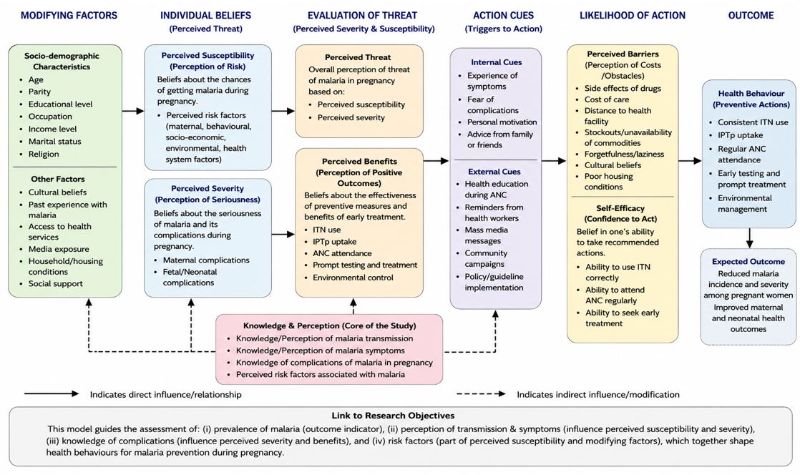
Figure 1: Health Belief Model (HBM) applied to Malaria Prevention among Pregnant Women in Oyo State
Source: Researchers' (2026) Adaptation of the Health Belief Model (Rosenstock, 1950),
METHODOLOGY
Study Design
The research design used in this study was descriptive, cross-sectional, and quantitative in nature. The purpose of using this design was to measure the prevalence of malaria infections among pregnant women and to measure the level of their knowledge and perception about malaria among pregnant women. The use of this design helped in obtaining the information at one point in time concerning the prevalence of malaria infection as well as knowledge and perceptions about malaria.
Study Area: This study was carried out in Oyo State, which is situated within the South-West geopolitical region of Nigeria. Oyo State is one of the largest states in Nigeria in terms of its surface area and consists of thirty-three Local Government Areas. The state enjoys a tropical environment, which is marked by wet and dry seasons. The climatic conditions make the state ideal for the transmission of malaria all year round. Malaria has continued to be endemic in the State and still poses a major public health challenge, especially to pregnant mothers and children below five years of age.
Study Site
This research was conducted at the Antenatal Clinic of the University College Hospital (UCH), Ibadan, Oyo State, Nigeria. UCH is regarded as the foremost tertiary healthcare facility in Nigeria and acts as a leading referral hospital in Oyo State and its neighbouring states. The hospital offers a range of specialist healthcare services for mother and child health, which include antenatal care, delivery services, postnatal care, laboratory and obstetric emergency care services. The antenatal clinic attends to a wide variety of pregnant women from different socioeconomic and educational backgrounds.
Study Population
The study population comprised pregnant women attending antenatal clinics at the University College Hospital, Ibadan, Oyo State, during the study period.
Sample Size and Sampling Technique
Survey part of the research entailed 131 pregnant women from antenatal clinics at University College Hospital, Ibadan. Simple random sampling method was used to obtain participants for the study. Qualified pregnant women visiting antenatal clinics within the study period were allocated unique identification numbers before simple random sampling was done to get the desired number of 131 participants. Only those qualified pregnant women who gave their consent to participate in the study were recruited.
Instrument for Data Collection
Data collection was done using a researcher-constructed structured questionnaire. The questionnaire was constructed following a thorough literature search based on the aims of the study. The questionnaire had six parts.
Part A contained data on the socio-demographic profile of the participants including age, date of birth, education level, religion, previous pregnancies, and the trimester of the present pregnancy; Part B examined the prevalence of malaria among pregnant women; Part C examined the perceptions of the mode of transmission of malaria; Part D examined the perceptions of the symptoms of malaria; Part E examined the knowledge of the complications of malaria and Part F examined the knowledge of risk factors of malaria among pregnant women. The development of these questionnaire items was carried out in order to capture the local setting and research objectives. In an effort to determine content validity of the questionnaire items, the initial version was submitted to experts in public health, maternal health, and research methods. Subsequently, the tool was subjected to a pilot testing among a limited number of pregnant women who attended the antenatal clinic in Ibadan North Local Government Area, Oyo State.
Measurement of Variables
The presence of malaria among the pregnant women was determined through Yes/No questions. The perception about the mode of malaria transmission was also done using Yes/No response format. Malaria symptoms perception was tested through Yes/No question. Complications of malaria during pregnancy were evaluated using Yes/No answers. The knowledge on the risk factors associated with malaria among the pregnant women was determined through a four-point Likert scale where Strongly Agree was coded 4, and Strongly Disagree was coded 1. Weights for calculating weighted mean were done using a criterion mean of 2.50, with those above or equal to 2.50 being adequate, while those below 2.50 were considered poor knowledge. Knowledge was also classified into the following groups: Poor knowledge: 0-8; Fair knowledge: 9-16; Good knowledge: 17-24. Classification of knowledge level was done based on the score distribution.
Reliability of the Instrument
Reliability testing of the instrument involved conducting a pilot test on 20 pregnant women in the antenatal clinic at Adeoyo State Hospital, Ibadan, which was not in the study area. Internal consistency of the instrument was measured through the use of Cronbach's alpha coefficient. A reliability coefficient of 0.70 or more was deemed acceptable for the study. Results revealed high internal consistency of the instrument with an overall Cronbach's alpha coefficient of 0.98. The reliability coefficients for individual subscales were: Prevalence of malaria = 0.99, Mode of transmission = 0.90, Perception of symptoms = 0.97, Knowledge of complications of malaria in pregnancy = 0.97, Knowledge of risk factors associated with malaria among pregnant women = 0.98. It was clear from the results that the instrument had very high reliability and was deemed fit for data collection.
Data Collection Procedure
Permission to carry out the study was secured from the appropriate authorities before undertaking data collection. Pregnant women who attended the antenatal clinics and qualified for participation in the study were briefed on the objectives of the study and signed written informed consent before the administration of the questionnaire. The questionnaires were self-administered. However, trained research assistants assisted in ensuring that the questions in the questionnaire were understood and answered by the respondents appropriately.
Data Analysis
Responses obtained were analyzed by ensuring that they were complete, coded, and entered into the Statistical Package for the Social Sciences (SPSS) Version 27 for analysis. Descriptive statistics, such as frequencies, percentages, means, weighted mean score, standard deviations, tables, and graphs were used to describe the socio-demographic characteristics of the respondents and variables under investigation. Inferential statistics like the Pearson Product Moment Correlation and Multiple Regression analysis were used to examine the hypotheses. Statistical significance was set at p< 0.05.
Ethical Considerations
The study was approved ethically by the University of Ibadan/University College Hospital Health Research Ethics Committee through a reference number UI/EC/25/0747. Written informed consent was taken from all respondents prior to conducting the study. Participants were voluntarily taking part in the study and were aware that they have a right not to participate or leave the study whenever they wish without any repercussions. Respondents were assured of confidentiality and anonymity during the study by making sure no identifying information was recorded on the questionnaire. All information taken from the respondents was used only for research purposes and in adherence to ethical standards of human participant research. The current study adhered to the Helsinki Declaration standards. Informed consent was taken from the respondents to take part in the current study.
Results
Table 1: Demographic information of respondents in the study
|
s/n |
Variables |
Labels |
Frequency |
Percentage |
|
1 |
Ag |
18-22 years 23-27 years 28-32 years 33 years and above |
2 22 57 50 |
1.5 16.8 43.5 38.2 |
|
2 |
Gestation age |
Less than 10 weeks 10-19 weeks 20-29 weeks 30 weeks and above |
16 42 27 46 |
12.2 32.1 20.6 35.1 |
|
3 |
Occupation |
Unemployment Self-employed Trader Artisan Professional |
14 67 16 12 22 |
10.7 51.1 12.2 9.2 16.8 |
|
4 |
Education |
No formal education Primary Secondary NCE/OND HND/First degree Masters PhD |
6 4 18 20 71 10 2 |
4.6 3.1 13.7 15.3 54.2 7.6 1.5 |
|
5 |
Religion |
Islam Christianity |
58 73 |
44.3 55.7 |
|
6 |
Numbers of previous births |
None First Second Third Fourth Fifth and above |
14 59 46 8 2 2 |
10.7 45.0 35.1 6.1 1.5 1.5 |
Table 1 illustrates socio-demographic profile of the respondents. The largest proportion of the respondents was in the age range of 28-32 years (43.5%), followed by those who were aged 33 years and above (38.2%), 16.8% aged 23-27 years, and only 1.5% aged 18-22 years. In relation to gestational age, 35.1% were 30 weeks and above, 32.1% were between 10-19 weeks, 20.6% were between 20-29 weeks, and 12.2% were below 10 weeks of gestation. Over half of the respondents (51.1%) were self-employed, while 16.8% were professionals, 12.2% were traders, 10.7% were unemployed, and 9.2% were artisans. With regard to educational level, over half (54.2%) of the respondents were HND/bachelor’s degree holders, followed by NCE/OND (15.3%), secondary education (13.7%), master’s degree (7.6%), no formal education (4.6%), primary education (3.1%), and doctoral degree (1.5%). However, Christians comprised slightly more than half of the respondents (55.7%), while Muslims were 44.3%. In terms of parity, 45.0% were those who have given birth only once, 35.1% twice, 10.7% nulliparous, 6.1% thrice, and 1.5% either four times or five and above.
Research Question one: What is the prevalence of malaria among pregnant women in Oyo state?
Table 2: Prevalence of malaria among pregnant women in Oyo State
|
s/n |
Variables |
Labels |
Frequency |
Percentage |
|
1 |
Have you been screened for malaria during your current pregnancy? |
Yes No |
93 38 |
71.0 29.0 |
|
2 |
What was the result of your malaria test? |
Positive Negative Don’t know |
31 88 12 |
23.7 67.2 9.2 |
|
3 |
Have you been diagnosed with malaria during your current pregnancy? |
Yes No |
59 72 |
45.0 55.0 |
|
4 |
If yes, how was the diagnosis made? |
Rapid Diagnostic Test (RDT) Microscopy Clinical diagnosis Others |
38
6 9 6 |
64.4
10.2 15.3 10.2 |
|
5 |
How many times have you had malaria during your current pregnancy? |
None Once Twice More than twice |
71 41 17 2 |
54.2 31.3 13.0 1.5 |
|
6 |
How many times have you attended ANC services? |
1-5 times 6-10 times More than 10 times |
68 50 13 |
51.9 38.2 9.9 |
Table 2 shows the percentage of pregnant women in Oyo State that had malaria. Most of the respondents (71.0%) had been screened for malaria infection in their present pregnancy, while 29.0% had not been screened for malaria. In terms of testing, 67.2% were negative to the test, 23.7% were positive to the test, while 9.2% did not know the results of their test. All in all, 45.0% of the respondents had suffered from malaria infection in their present pregnancy, while 55.0% had never had malaria. As regards the mode of diagnosis of malaria in those diagnosed, Rapid Diagnostic Test (RDT) is the most reported mode of diagnosis (64.4%), clinical diagnosis (15.3%), and microscopy (10.2%). As regards the frequency of malaria attacks, 54.2 percent of the participants did not report any malaria attack during their current pregnancy while 31.3 percent had one attack, 13.0 percent had two attacks, and 1.5 percent had more than two attacks. Moreover, 51.9 percent attended antenatal care services one to five times, 38.2 percent attended six to ten times, and 9.9 percent attended more than ten times. In general, it can be concluded that there was a relatively low prevalence of malaria in the participants since most of the women were negative for malaria and did not have any malaria attacks during their pregnancy.
Research Question Two: What is the perception of pregnant women on mode of transmission of malaria?
Table 3: Perception of pregnant women on mode of transmission of malaria
|
s/n |
Variables |
Labels |
Yes |
No |
|
1 |
What do you think is the main way malaria is transmitted to pregnant women? |
Contaminated water Poor sanitation Direct contact with someone who has malaria Mosquito bites |
17(13.0%) 34(26.0%) 28(21.4%)
82(62.6%) |
114(87.0%) 97(74.0%) 103(78.6%)
49(37.4%) |
|
2 |
Do you believe mosquitoes play a role in transmitting malaria? |
|
79(60.3%) |
52(39.7%) |
|
3 |
How do you think mosquitoes transmit malaria? |
Through bites Contact with mosquito eggs Through mosquito faeces |
92(70.2%) 23(17.6%) 18(13.7%) |
39(29.8%) 108(82.4%) 113(86.3%) |
|
4 |
Can malaria be transmitted from person to person |
|
24(18.3%) |
107(81.7%) |
|
5 |
Do you think malaria can be transmitted through |
Blood transfusion Sharing personal items Mosquito bites only |
33(25.2%) 28(21.4%) 70(53.4%) |
98(74.8%) 103(78.6%) 61(46.6%) |
|
6 |
Do you think malaria transmission can occur through |
Mosquito bites during pregnancy Direct contact with an infected person Mother-to-child transmission during delivery |
67(51.1%)
28(21.4%)
37(28.2%) |
64(48.9%)
103(78.6%)
94(71.8%) |
|
7 |
Mosquito bites during the night are primarily responsible for transmitting malaria |
|
45(34.4%) |
86(65.6%) |
Table 3 depicts how pregnant women perceive the mode of transmission of malaria. Most of the women (62.6%) have the right perception about the mosquito bite being the main mode of transmission of malaria infection. Additionally, the fact that most women know that the mosquito is involved in the transmission of malaria is evident as 60.3% of the women hold the view. It was also perceived by 70.2% of the respondents that mosquitoes transmit malaria through mosquito bites, and malaria is not transmitted person-to-person by 81.7%. On the other hand, some misconceptions persisted, such as 26.0% holding the belief that malaria can be transmitted by poor sanitation practices, 21.4% thought it can be transmitted through contact with an infected individual, 13.0% were under the impression that malaria can be transmitted through contaminated water, 25.2% felt that it was transmissible via blood transfusions, 21.4% believed that it can be transmitted by sharing personal items, and 28.2% held the misconception that it can be transmitted from mother to child through childbirth. Although 53.4% knew that the mosquito bite is the sole mode of transmission out of the options presented, only 34.4% believed that mosquitoes that transmit malaria primarily feed at night. This may imply that people do not know enough about how mosquitoes behave in order to take appropriate preventive measures.
Research question three: What is the perception of pregnant women on symptoms of malaria?
Table4 : Perception of pregnant women on symptoms of malaria
|
s/n |
Variables |
|
Yes |
No |
|
1 |
Have you experienced any symptoms of malaria during your current pregnancy? |
|
58(44.3%) |
73(55.7%) |
|
2 |
If yes, symptoms experienced |
Fever Chills Sweating Headache Muscle and joint pain Nausea and vomiting Fatigue Joint pain Abdominal pain Vaginal bleeding |
59(45.0%) 27(20.6%) 27(20.6%) 49(37.4%) 45(34.4%) 37(28.2%) 40(30.5%) 26(19.8%) 23(17.6%) 22(16.8%) |
72(55.0%) 104(79.4%) 104(79.4%) 82(62.6%) 86(65.6%) 94(71.8%) 91(69.5%) 105(80.2%) 108(82.4%) 109(83.2%) |
|
3 |
Are symptoms of malaria during pregnancy same as when not being pregnant? |
|
62(47.3%) |
69(52.7%) |
|
4 |
Do you agree that malaria symptoms in pregnancy can be similar to other common pregnancy complaints? |
|
78(59.5%) |
53(40.5%) |
|
5 |
How do you typically identify malaria in yourself or others? |
Presence of fever Presence of specific symptoms (for example chills, sweating) Severity of symptoms |
70(53.4%) 45(34.4%)
43(32.8%) |
61(46.6%) 86(65.6%)
88(67.2%) |
|
6 |
How severe do you think the symptoms of malaria are |
Mild Moderate Severe Very severe |
22(16.8%) 52(39.7%) 38(29.0%) 37(28.2%) |
109(83.2%) 79(60.3%) 93(71.0%) 94(71.8%) |
|
7 |
How did you manage malaria symptoms? |
Sought medical attention Used traditional remedies Self-medicated with over-the counter drugs |
71(54.2%) 53(40.5%) 25(19.1%) |
60(45.8%) 78(59.5%) 106(80.9%) |
Research Question Three: What is the perception of pregnant women on the symptoms of malaria?
The perception of the respondents on the signs of malaria in pregnancy is shown in Table 4. Most of the respondents (55.7%) indicated that they did not have symptoms of malaria in their current pregnancy, while 44.3% of the respondents experienced the said symptoms. Among those respondents who had symptoms, the highest percentage (45.0%) perceived the symptoms to be fever, then followed by headache (37.4%), body and joint pain (34.4%), tiredness (30.5%), nausea/vomiting (28.2%), and cold and sweat (20.6% each). More than half of the respondents (59.5%) agreed that symptoms of malaria in pregnancy can mimic typical pregnancy symptoms, while 47.3% perceived the said symptoms to be the same whether in or out of pregnancy. Moreover, 53.4% of the respondents diagnosed malaria based on presence of fever, but a low percentage of the respondents used other symptoms such as chills and sweats (34.4%) or symptom severity (32.8%) as diagnostic criterion for malaria. Most respondents described the intensity of malaria symptoms as either moderate (39.7%), severe (29.0%), and very severe (28.2%), but more than half of the respondents sought medical help due to symptoms (54.2%). However, a high percentage of the respondents had used home remedies (40.5%) and self-treatment by use of over the counter medicines (19.1%). The results show that there is moderate knowledge of malaria symptoms and their intensity among the respondents, but the misconception on symptoms and use of inappropriate treatment methods points out the need for health education in ANC on malaria.
Research Question Four: What is the level of knowledge of the complications of malaria in pregnancy among pregnant women?
Table 5: Level of knowledge of the complications of malaria in pregnancy among pregnant women
|
s/n |
Variables |
Labels |
Yes |
No |
|
1 |
Are you aware of any complications that malaria can cause during pregnancy? |
|
76(58.0%) |
55(42.0%) |
|
2 |
If yes, what complications do you know of? |
Miscarriage Stillbirth Low birth weight Premature delivery Maternal anaemia |
56(42.7%) 39(29.8%) 34(26.0%) 37(28.2%) 54(41.2%) |
75(57.3%) 92(70.2%) 97(74.0%) 94(71.8%) 77(58.8%) |
|
3 |
Do you think malaria during pregnancy can increase the risk of |
Miscarriage Stillbirth Low birth weight |
66(50.4%) 38(29.0%) 55(42.0%) |
65(49.6%) 93(71.0%) 76(58.0%) |
|
4 |
Do you think malaria during pregnancy can have long-term effects on the baby’s health |
|
73(55.7%) |
58(44.3%) |
Table 5 provides information on the knowledge of the respondents concerning complications of malaria in pregnancy. The high proportion (58.0%) of the respondents who knew that malaria can cause complications in pregnancy implies a moderate level of knowledge. The most commonly known complications were miscarriage (42.7%) and maternal anaemia (41.2%). Meanwhile, only few of the respondents identified stillbirth (29.8%), prematurity (28.2%) and low birth weight (26.0%) as the potential complications of malaria in pregnancy. In addition, 50.4% of the respondents were aware that pregnancy malaria can lead to miscarriage, 42.0% and 29.0% believed it causes low birth weight and stillbirth, respectively. Also, 55.7% agreed that pregnancy malaria has effects on the baby, while 44.3% disagreed. From these results, it is evident that the level of knowledge regarding the complications of malaria in pregnancy among the respondents is moderately high. However, there is still a lot of information on some complications of maternal and neonatal origin that the respondents have not been able to identify. For this reason, there should be more health education done for pregnant women concerning the complications of malaria in pregnancy.
Research Question Five: What are the risks factors associated with malaria among pregnant women?
Table 6: Risks factors associated with malaria among pregnant women
|
s/n |
Risk associated with malaria |
Strongly disagree |
Disagree |
Agree |
Strongly agree |
|
S.D. |
|
|
Maternal risk factors (Weighted mean=2.50) |
|
|
|
|
|
|
|
1 |
Age of the pregnant woman (<20 years of > 35 years): pregnant |
29 22.1% |
28 21.4% |
53 40.5% |
21 16.0% |
2.50 |
1.01 |
|
2 |
Primigravidity (first pregnancy): pregnant women in their first pregnancy |
25 19.1% |
37 28.2% |
47 35.9% |
22 16.8% |
2.50 |
0.99 |
|
3 |
Parity (number of previous births): pregnant women with higher parity |
49 37.4% |
40 30.5% |
30 22.9% |
12 9.2% |
2.04 |
0.99 |
|
4 |
HIV/AIDS status: Pregnant women with HIV/AIDS are more susceptible to |
26 19.8% |
36 27.5% |
49 37.4% |
20 15.3% |
2.48 |
0.98 |
|
5 |
Anaemia or other pre-existing medical conditions: pregnant women with anemia or |
17 13.0% |
22 16.8% |
71 54.2% |
21 16.0% |
2.73 |
0.88 |
|
6 |
Previous history of malaria: pregnant women with w previous history of |
30 22.9% |
28 21.4% |
61 46.6% |
12 9.2% |
2.42 |
0.94 |
|
7 |
Malnutrition or poor nutritional status: pregnant women with |
12 9.2% |
27 20.6% |
67 51.1% |
25 19.1% |
2.80 |
0.85 |
|
|
Behavioural risk factors (Weighted mean=3.10) |
|
|
|
|
|
|
|
8 |
Non-use of preventive measures such as Insecticide-Treated nets increases |
14 10.7% |
16 12.2% |
52 39.7% |
49 37.4% |
3.04 |
0.96 |
|
9 |
Pregnant women who delay seeking medical care for malaria symptoms are at |
10 7.6% |
20 15.3% |
41 31.3% |
60 45.8% |
3.15 |
0.95 |
|
|
Socio-economic factors (Weighted mean=2.66) |
|
|
|
|
|
|
|
10 |
Pregnant women with lower levels of education are more likely to |
34 26.0% |
24 18.3% |
49 37.4% |
24 18.3% |
2.48 |
1.07 |
|
11 |
Low-income pregnant women may have limited access to malaria |
27 20.6% |
20 15.3% |
54 41.2% |
30 22.9% |
2.66 |
1.05 |
|
12 |
Education levle has a significant impact on a woman's knowledge about |
24 18.3% |
28 21.4% |
46 35.1% |
33 25.2% |
2.67 |
1.05 |
|
13 |
Pregnant women's income level affects her ability to afford malaria treatment |
30 22.9% |
14 10.7% |
58 44.3% |
29 22.1% |
2.66 |
1.07 |
|
14 |
Pregnant women from poor socioeconomic backgrounds are at higher risk of malaria due to limited access to healthcare services and insecticide-treated nets |
25 19.1% |
12 9.2% |
57 43.5% |
37 28.2% |
2.81 |
1.05 |
|
|
Housing conditions (Weighted mean=2.99) |
|
|
|
|
|
|
|
15 |
Poor housing conditions for example lack of screening, proximity to mosquito |
14 10.7% |
18 13.7% |
55 42.0% |
44 33.6% |
2.98 |
0.95 |
|
16 |
Poor housing conditions without proper barrier against mosquitoes may increase |
16 12.2% |
12 9.2% |
60 45.8% |
43 32.8% |
2.99 |
0.96 |
|
|
Environmental risk factors (Weighted mean=2.99) |
|
|
|
|
|
|
|
17 |
Proximity towards mosquito such as living near rivers increases exposure to |
8 6.1% |
28 21.4% |
52 39.7% |
43 32.8% |
2.99 |
0.89 |
|
18 |
Pregnant women in some regions with seasonal malaria transmission are at |
12 9.2% |
14 10.7% |
57 43.5% |
48 36.6% |
3.08 |
0.92 |
|
19 |
Pregnant women living in rural areas are more likely to be exposed to malaria |
14 10.7% |
23 17.6% |
57 43.5% |
37 28.2% |
2.89 |
0.94 |
|
|
Limited access to healthcare (Weighted mean=2.93) |
|
|
|
|
|
|
|
20 |
Pregnant women with limited access to healthcare services are more likely to |
14 10.7% |
20 15.3% |
65 49.6% |
32 24.4% |
2.88 |
0.90 |
|
21 |
Inadequate antenatal care increases the risk of delayed diagnosis and |
12 9.2% |
19 14.5% |
60 45.8% |
40 30.5% |
2.98 |
0.91 |
|
|
Drug resistance |
|
|
|
|
|
|
|
22 |
Resistance to antimalarial drugs, particularly sulfadoxine-pyrimethanime |
16 12.2% |
16 12.2% |
70 53.4% |
29 22.1% |
2.85 |
0.90 |
|
Weighted Mean =2.75; Criterion Mean =2.50 |
|||||||
Table 6 presents the perceptions of the risk factors related to malaria among pregnant women. The average weighted mean of 2.75 that was above the criterion mean of 2.50 represents a good knowledge about the risk factors related to malaria among pregnant women. Most of the respondents cited the behaviour risk factors, environmental factors, socio-economic factors, healthcare factors and maternal factors as key risk factors. Seeking healthcare late (Mean = 3.15), transmission of malaria seasonally (Mean = 3.08), not using insecticide treated nets (Mean = 3.04), poor housing (Means = 2.98 and 2.99), malnutrition/ poor nutritional status (Mean = 2.80), poor socio-economic status (Mean = 2.81), inadequate antenatal care (Mean = 2.98), and resistance to antimalarial drugs (Mean = 2.85) were the most highly perceived risk factors. Among others, respondents were aware that anaemia/pre existing medical conditions (Mean = 2.73), low income (Mean = 2.66), education level (Mean = 2.67) and lack of access to health facilities (Mean = 2.88) are the risk factors for malaria among pregnant women. Nevertheless, parity (Mean = 2.04) appeared to be the least known maternal risk factor, hence showing the lack of awareness on how this risk factor can contribute to the incidence of malaria infection. In summary, the results clearly reveal that the participants have sufficient knowledge of risk factors related to malaria infection in pregnancy.
Discussion
This finding clearly revealed that the majority of the pregnant women involved in the survey were within the active childbearing age range of 28-32 years. More than half of the participants were self-employed with either a UK Higher National Diploma (HND) or a bachelor's degree. They all had only one birth previously and were in the third trimester stage of pregnancy, thus corroborating the existing trend that the further stage of pregnancy translates into more antenatal attendance rates. It aligns with the findings reported by Emmanuel, Olaoye, and Panuel-Egwakhe (2025), where concerning their pregnancy experience, 34.6% had gone through 1-2 pregnancies before, whereas 19.4% were having pregnancy for the very first time. In addition, 40.3% of them were in their second trimester stage, whereas 32.5% were in their third trimester stage. These demographic factors will contribute positively to the knowledge about malaria, health-seeking practices, and preventive measures to avoid malaria in pregnant women.
The findings revealed a relatively low rate of prevalence of malaria among pregnant mothers because most of the respondents were not affected with malaria infection and over half of them have never been infected with malaria infection during their whole pregnancy period. It is important to note that most of the respondents who have been tested for malaria infection indicate high utilization of antenatal care and access to malaria diagnosis services particularly the Rapid Diagnostic Tests (RDTs). But the high number of respondents who were infected with malaria infection during their pregnancy indicates that malaria continues to be one of the major public health problems among pregnant mothers. This relatively low prevalence can be explained by the increase in the use of malaria prevention measures such as using ITNs, IPTp-SP, malaria screening at the antenatal care services, and prompt malaria treatment when diagnosed. This finding is in line with the guidelines proposed by the World Health Organisation (2013) where it recommends a three-dimensional malaria preventive measure which includes ITNs, IRS, and IPTp-SP in pregnant women living in endemic areas of malaria. This finding further agrees with the results found by Olowe et al. (2024) stating that there exists a significant association between use of IPTp-SP and reduction in malaria prevalence among pregnant women.
Most of the respondents were well aware that mosquitoes bite was the main means of transmitting malaria, and the mosquito was the vector which spreads the disease, reflecting good knowledge among the respondents. The reason behind the high level of knowledge could be due to constant health education given to the respondents during their antenatal clinic visits. However, some of the misunderstandings existed where respondents thought that malaria could also spread by drinking contaminated water, poor sanitation, contact with a person suffering from malaria, sharing items, and mother-to-child transmission. In addition, most of the respondents were unaware of the fact that malaria vectors bite mostly at night. Such misconceptions would result in non-compliance to preventive strategies such as the consistent use of insecticide-treated nets when sleeping. Thus, it becomes necessary to improve the quality of health education at the antenatal care level to dispel the above misconceptions. This finding is similar to the results obtained from the study conducted by Titiloye et al. (2017) where 97.9% of the pregnant women correctly identified mosquito bites as the causes of malaria. The same results were also obtained in the study by Kalu et al. (2022) where the majority of the pregnant women in Nigeria correctly identified mosquito bites as the means of transmission of malaria. In addition, Okafor et al. (2019) indicated that even though there is a high awareness level among the women in Nigeria on malaria transmission through mosquitoes, important knowledge gaps on the complications of malaria and preventive methods are evident.
The results also showed that even though less than half of the participants have suffered from symptoms of malaria in their present pregnancy, fever was the most recognised symptom followed by headaches, pain in muscles and joints, and tiredness. It was also clear that the participants were aware of the possibility that the symptoms of malaria in pregnancy can be similar to those of pregnancy itself. This is an indication that there exists enough knowledge on the clinical manifestation of the disease. Nevertheless, due to the lack of understanding on the symptoms, coupled with self-medication, there exists misconceptions on how the disease should be treated. Interestingly, most of the participants indicated that whenever they felt malaria symptoms, they attended health facilities for treatment, a trend indicative of appropriate healthcare-seeking behavior and trust in the formal health services. This behaviour is attributable to frequent antenatal visits and higher knowledge on the dangers associated with malaria in pregnant women. The results obtained in this study coincide with those by Almaw et al. (2024), who found out that fever and joint pains are the most commonly experienced symptoms in pregnant women suffering from malaria; similarly, the World Health Organisation (2020) found out that fever is the most common symptom among pregnant women with confirmed cases of malaria.
The respondents were knowledgeable about the risk of having complications because of malaria in pregnancy. The most commonly known complications by the respondents included miscarriage and maternal anaemia. Stillbirths, preterm births, and low birth weight were rarely known to be complications due to malaria in pregnancy. Similarly, slightly more than half of the respondents knew that malaria during pregnancy increases the risks of miscarriages and has an effect on the health of the baby in the future, but few knew that it caused stillbirths and low birth weight babies. This is in agreement with other studies which show that malaria in pregnancy results in serious complications for both the mother and the fetus. Complications for the mother include maternal anaemia, hypoglycaemia, and severe malaria (Gontie et al., 2020; Cardona-Arias et al., 2024).
Feotal and newborn complications are low birth weight, preterm delivery, restricted growth of fetus, stillbirth, congenital malaria, and neonatal death (Rogerson et al., 2018; Romero et al., 2021; Gontie et al., 2020; Cardona-Arias et al., 2024). It is clear that there are significant knowledge gaps regarding some of the complications listed above despite the relatively moderate knowledge about them among respondents. Therefore, enhancing the educational process during the antenatal period of care for women is an essential aspect in terms of raising their awareness regarding the complications of malaria during pregnancy and the adoption of preventive actions.
The majority of participants viewed behavioural, environmental, socioeconomic, health service-related, and maternal risk factors as being significant risks associated with malaria during pregnancy, demonstrating a relatively high level of knowledge in this area. Delays in seeking medical assistance, failure to use insecticide-treated nets, seasonal occurrence of malaria infections, poor housing conditions, malnutrition, and anaemia were identified by most participants as risk factors. Low income, poor socioeconomic status, lack of access to healthcare facilities, insufficient antenatal care, and antimalarial drug resistance were also mentioned as risk factors for the occurrence of malaria during pregnancy. However, only few of the respondents understood the role of parity as a maternal risk factor.The results are consistent with those from past research that has established that the risk of contracting malaria among pregnant women is affected by many factors including maternal characteristics, behavioural aspects, socio-economic factors, and environmental conditions (Tassi Yunga, 2018). It has been reported that education, age, income, and housing contribute to the vulnerability of women to malaria infections and their ability to utilize preventive means (Kurtis et al., 2019). Gravidity and the use of preventive means including ITNs and IPTp with sulfadoxine-pyrimethamine also play a significant role in the risk of malaria infection (Dellicour et al., 2010).
Research findings have revealed that mothers who lack educational levels have reduced chances of engaging in protective practices that prevent them from contracting malaria infection (Eisele et al., 2012) as well as, lower educational levels may limit awareness and reduce the adoption of preventive measures such as consistent use of ITNs (Oladosu & Adeniyi,2023) Environmental factors such as stagnant water bodies and dense vegetation increase vulnerability to mosquito bites that transmit malaria parasites (Rogerson et al., 2018). Additionally, poor living standards can predispose individuals to greater chances of developing malaria due to their inability to offer effective barriers against mosquito attacks (McClure et al., 2013 : Kaindoa et al.,2018 ). The low awareness regarding parity as one of the risk factors suggests the importance of educating pregnant mothers on maternal malaria risk factors.
Conclusion
This study evaluated the frequency of malaria, the perception of the women on malaria transmission and symptoms, knowledge of the consequences of malaria and the risk factors for contracting malaria among pregnant women at antenatal clinics of selected health facilities in Oyo State. The results indicated a relatively lower frequency of malaria among the respondents, whereby most women had been screened for malaria during their pregnancy and also most did not experience malaria during the current pregnancy. The respondents exhibited adequate knowledge on the main modes of malaria transmission and knew that mosquito bite is the main mode of transmission. However, there were still some misconceptions about the other means of malaria infection, such as contaminated water, lack of sanitation, direct contact with the infected persons, and mother to child transmission. Additionally, there was found some moderately high level of knowledge of malaria symptoms and complications among pregnant women. While most of them recognized fever, miscarriages and maternal anemia, their understanding of the other possible complications of the disease, such as stillbirths, preterm births, and low birth weight of babies was insufficient. Pregnant women also had a sufficient understanding of the most important risk factors related to malaria during pregnancy, including delayed seeking for healthcare, not using insecticide-treated bednets, poor housing quality, seasonal infection, and poor antenatal care. Generally, it can be said that, despite a sufficient level of malaria-related knowledge, pregnant women still have some knowledge gaps that should be eliminated through health education and support malaria control efforts in Oyo State.
Recommendations
The recommendations based on the results of this study include the following:
Research question three: What is the perception of pregnant women on symptoms of malaria? was written twice pls confirm and delete one
Acknowledgement: This study was conducted through support from the 2024 IBR TETFUND Research Projects Intervention.
Authors’ Contribution: Conceptualisation and writing of initial draft of this study was done by A.A.O, I.A.O, U.C.O, I.B.O, P.O and M.A.O developed the methodology and collected data while A.A.O interpreted the data. All the authors have contributed to reviewing this manuscript.
Funding: This study has been conducted with the support of the 2024 IBF TETFUND Institution Based Grant.
Data Availability: Data used in this study can be provided based on the reasonable requests from the corresponding author.
Declarations
Consent to publish: Not applicable.
Competing Interests: No Competing interests.



Open Access By Aditum Open Access Journals id licensed under Creative Commons Attribution 4.0 International License. Based On a Work at aditum.org


