
International Journal of Epidemiology And Public Health Research
OPEN ACCESS | Volume 9 - Issue 1 - 2026
ISSN No: 2836-2810 | Journal DOI: 10.61148/2836-2810/IJEPHR


Rajendra Kumar Baharia1*, Jay Joshi1, Bhavya Modi1, Ritesh Ranjha2, Kuldeep Singh2
1Indian Council of Medical Research (ICMR) - National Institute of Malaria Research, Field unit, Civil Hospital Nadiad, Gujarat, India.
2Indian Council of Medical Research (ICMR) - National Institute of Malaria Research, Dwarka Secctor-8, New Delhi, India.
*Corresponding author: Rajendra Kumar Baharia, 1Indian Council of Medical Research (ICMR) - National Institute of Malaria Research, Field unit, Civil Hospital Nadiad, Gujarat, India.
Received: May 10, 2026 | Accepted: May 16, 2026 | Published: June 02, 2026
Citation: Rajendra K Baharia, Joshi J, Modi B, Ranjha R, Singh K., (2026) “Bionomics of An Culicifacies in tribal and semi-arid Districts of Gujarat, India”. International Journal of Epidemiology and Public Health Research, 9(3); DOI: 10.61148/2836-2810/IJEPHR/202.
Copyright: © 2026. Rajendra Kumar Baharia. This is an open access article distributed under the Creative Commons Attribution License, which permits unrestricted use, distribution, and reproduction in any medium, provided the original work is properly cited.
Background: Malaria transmitted by anopheline. Gujarat is in malaria elimination phase (category 1) where API <1. All effort made to transit the category 1 to category 0. Therefore, a bionomics of An. culicifacies were carried out in tribal and semiarid zone of Gujarat.
Methods: The study was conducted in six sentinel villages in Tribal district Dahod and semi-arid district Surendranagar. The mosquitoes rested indoors, outdoors and cattle shed collection were made as per WHO guidelines using mouth aspirator, pyrethrum space spray and light traps. Part of study, Human landing catch, Species composition, abundance, seasonal prevalence, resting behavior (Endophily and Exophily), sibling species composition, vector potential and insecticide susceptibility status of malaria vectors was studied.
Results: Six Anopheles species were collected. An. culicifacies were predominant species in tribal and rural district followed by An. subpictus and An. stephensi. An. subpictus s.l. was the predominant species followed by An. culicifacies and An.stephensi in semi aris district of Gujarat. An. culicifacies were endophillic, endopahgic, zoophagic a known malaria vector was resting indoor and zoophagic behaviour. All five-sibling species A, B, C, D and E were reported of Anopheles culicifacies and, sibling species B was prominent and non-viable for malaria transmission. The sporozoite rate (%) were low, Dahod was 1.00%, Surendranagar was 0.5 % . Anopheles culicifacies was found resistance to deltamethrin and susceptible for alpha-cypermethrin.
Conclusion: An. stephensi also in high density in rural and tribal area which is very graet concern. An. culicifacies showed endophilic, endopahgic and zoophagic in nature and found susceptible towards the alpha-cypermethrin. Most of the anopheline bites the animals specially cattle’s and goat and rest on the walls of the houses and clothes and some dark places in the houses under the beds. Anopheline density were observed perennial. An. culicifacies were in zoophagic and endophilic in nature. IRS and LLINs both the intervention is very effective to prevent the Malaria and other vector borne diseases.
Anopheles culicifacies, Gujarat, Malaria, Endophilic; Zoophagic; Alpha-cypermethrin; Susceptibility; Sibling species, Deltamethrin, susceptibility
Malaria is a parasitic infection transmitted by Anopheles mosquitoes, affecting approximately 249 million individuals worldwide and leading to over 608,000 deaths per year [1]. India is making significant progress toward malaria elimination, having exited the WHO's High Burden to High Impact (HBHI) group in 2024 with goal is to achieve zero indigenous cases by 2027[2]. The spread of vector-borne diseases is influenced by various demographic, environmental, and social factors, including global travel, unplanned urbanization, climate change, and the adaptation of vectors. [3]. Understanding the spatial distribution of disease vectors, knowledge about the mosquito species and their bionomics, size and peaks of activities, seasonal changes in vector population, etc. are very important aspects in planning effective intervention and prevention strategies [4]. The Anopheles genus is the primary vector for malaria transmission in India, An. culicifacies, An. stephensi, An. fluviatilis accounting for 60-70% of all reported malaria cases annually in the country [5]. A species complex is a well-defined taxonomic group comprising morphologically identical and closely related species. Beyond the variations in vector status among these species, sibling species exhibit significant differences in their geographical distributions [6]. An. culicifacies stands out as a notable species complex, consisting of five isomorphic species (A, B, C, D, and E) that, while challenging to differentiate morphologically, show distinct behavioral characteristics. Each sibling species possesses unique qualities regarding vector capacity, biting preferences, and vulnerability to malaria parasites [7]. The presence of multiple sibling species contributes to challenges in vector control because different species can develop varying levels of resistance to insecticides [8]. Continuous observation of vector populations, their vulnerability to insecticides, and the extent of intervention coverage is essential for efficient and sustainable malaria management [9]. Indoor residual spraying (IRS) and long-lasting insecticidal nets (LLINs) are proven malaria vector control measures implemented in India. However, the emergence of insecticide resistance presents significant challenges for the effectiveness of these vector control strategies. [10].
In this context, study was planned with mentioned objectives:
Methodology:
Study site and population:
Based on the malaria incidence six villages of two PHCs in each district Surendranagar and Dahod included in the study. Surendranagar district (22.730 N 71.510 E) is canal irrigated area of Saurashtra, Gujarat. Three villages, namely Navalgarh, Pratappur, Rajchardi of Methan PHC and Ramparda, Davapara and Tidana villages of Vagheriya PHC in Surendranagar were selected. Dahod district (20.50 “2” N 740 15’ 28’’ E) is forested area with more than 75 % tribal population. Dahod is adjacent to Rajasthan and Madhya Pardesh states on its Eastern border. Three villages Dungra, Doki, Khurad (PHC: Rentiya) and Dageriya, Dharadungar and Inami villages (PHC: Mirakhedi) were included in the study (Figure.1). In both the districts IRS and LLINs strategy were used for vector control. In Surendranagar district, all the three villages of Methan PHC were covered by IRS and LLINs both interventions. Vaghedya PHC of Surendranagar district, Ramparda village covered by IRS not by LLINs. Tidana village covered by only LLINs not by IRS intervention. In Dahod district, Doki village covered by only IRS. In daharadungar village LLINs were distributed. Dungra, Khurod, Dageriya and inami village were covered by both LLINs and IRS intervention. The flow chart of overall study is shown in Fig.2.
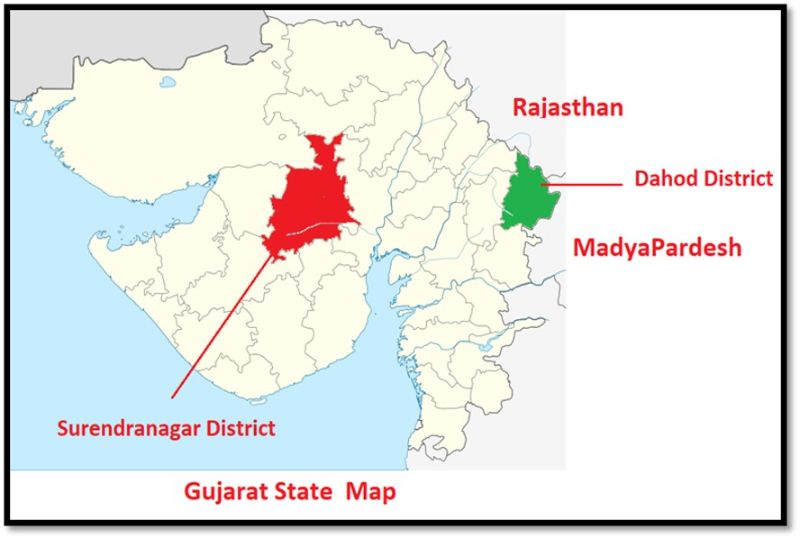
Figure.1: Study area, district wise in MAP of Gujarat
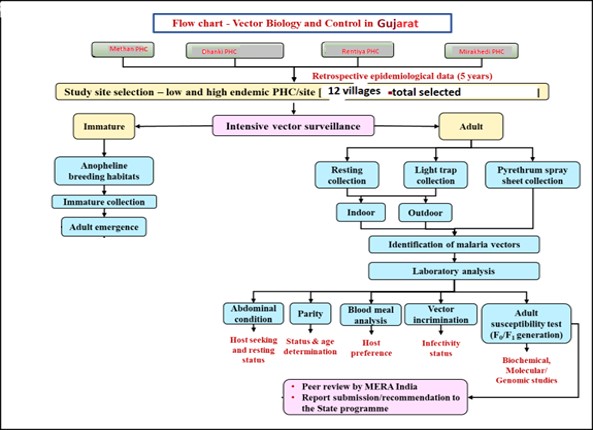
Figure.2.0: Flow Chart of Overall Study
Sampling of Mosquito Population
The indoor and outdoor resting, bait, and trap collections were conducted monthly in each district across sentinel villages, adhering to the established WHO protocols. In each village, we strategically selected 4 human dwellings (HD) and 4 cattle sheds (CS) for indoor resting mosquito collections.
Indoor resting mosquito collection from human dwellings (by handcatch or Mechanized aspirtor)
Adult female Anopheles mosquitoes were successfully collected from indoor locations. Sampling took place in four fixed human dwellings, utilizing flashlights and mouth aspirators during the early morning hours from 0600 to 0800 hrs, with each collection lasting 15 minutes. Collections made from four randomly selected human dwellings. Following the initial hand captures, a pyrethrum spray collection (PSC) was conducted in the same rooms. The mosquitoes obtained through hand catching were stored in paper cups, while those collected via PSC were preserved in Petri dishes lined with wet cotton and filter paper. and transported to the laboratory for processing The total number of mosquitoes/species resting per structure were calculated as density (per man per hour density for HC) or numbers of mosquitoes/room (PSC).
Cattle shed Collections dwellings (by handcatch or Mechanised aspirtor)
Mosquitoes resting in four fixed and four random cattle sheds (from the roof and walls) were collected. The total number of mosquitoes/species resting per structure were calculated as density (per man per hour density).
Outdoor resting mosquito collection (Hand catch method or mechanized aspirator)
Collections were made in possible mosquito resting places outdoors in village such temples, underneath culverts, abandoned houses and structures, bushes were searched for outdoor resting malaria vectors. The mosquito collection from above mentioned places carried out with utilizing flashlights and mouth aspirators during the early morning hours from 0600 to 0800 hrs, The female’s mosquito caught from different habitats were kept in separate paper cups, marked with habitat code and transported safely to the laboratory for processing. The number of mosquitoes/species calculated as the per man hour outdoor mosquito density (nos. Mosquito/ man/ hour).
Light-trap collection
Light-traps collection from indoors and outdoors were done once in each village at monthly interval. One battery operated CDC light trap was hung 1.8 meter above the floor, where people rest and spend time, or in the open spaces away from the habitation in the village. One trap was kept indoor and another outdoors. Trapped mosquitoes targeted during an interval from 6:00 PM to 6:00 AM Mosquitoes density were calculated as nos. of mosquitoes/light trap.
Blood meal analysis:
Blood meals from An. culicifacies were collected on Whatman no. 1 filter paper, enabling PCR methods to accurately determine the human blood index and assess feeding preferences.
Human landing collection (HLC)
Conducting an overnight collection of mosquitoes by utilizing a human volunteer(mosquitoes landing on human bait), Indoor and outdoor were carried from dusk to dawn (18:00 to 06:00 h). Monthly human landing collection were done in each district indoors and outdoors.
A systematic approach was employed to collect mosquitoes immediately upon landing on the host, thereby minimizing the likelihood of bites on volunteers. Each hour of collection utilized a paper cup secured with netting to ensure effective capture. The collected mosquitoes were promptly transported to the field laboratory for species identification and vector analysis. All female An. culicifacies specimens were processed for parity, with their heads and thoraxes preserved for subsequent PCR assays.
Processing of mosquito samples
Anopheline mosquitoes were identified to species using a standard identification key based on their morphological characteristics (11-12). The physiological conditions of their stomachs were clearly classified into categories: unfed (UF), fully fed (FF), half gravid (HG), and gravid (G). Blood meals from An. culicifacies were expertly collected on Whatman no. 1 filter paper for host source analysis. PCR methods were used to accurately determine the feeding preferences (the Human Blood Index).
Sibling species identification
Morphologically identified specimens stored in isopropanol were processed to identify the An. culicifacies sibling species (13). Five set of PCR primers were used for sibling species identification. PCR conditions were: one cycle of denaturation at 95°C for 5 min followed by 35 cycles of each of denaturation at 95°C for 30 s, annealing at 55°C for 30 s and extension at 72°C for 60 s, and final extension at 72°C for 7 min. The product was electrophoresed on 2.5% agarose gel to detect the diagnostic bands to identify the species.
Wild caught An. culicifacies were collected in the morning hours from cattle sheds, human dwellings and outdoor shelters by hand catch method. Ovaries pooled from half gravid females and preserved in isopropanol. Sibling species identified and proportion of each sub-species determined.
Susceptibility status of vectors to different insecticides
The susceptibility of An. culicifacies to pyrethroids was assessed using the standard WHO method (14). Field-collected mixed age population of An. culicifacies mosquitoes from an unsprayed village were exposed to WHO impregnated papers with malathion, deltamethrin, and alpha-cypermethrin. Each insecticide was tested with a minimum of 100 mosquitoes (25 per replicate), alongside a control group of 50 mosquitoes (25 per replicate). Tests were conducted in the NIMR field laboratory at 27±2ºC and 60–70% humidity. Mortality was recorded 24 hours post-exposure. If control mortality was between 5% and 20%, Abbott's formula was applied to correct the mortality values. (15).
Vector incrimination
The head and thorax of An. culicifacies were effectively utilized to detect sporozoites through robust PCR-based methods (16). The specimens were rigorously tested for species-specific circumsporozoite antigens (CSP) of Pf, Pv210, and Pv247, following the well-established protocol outlined by Akhatar et al. (16).
Stratification of the areas based on distribution of the prevalent vector species and epidemiological indices for suggestive appropriate situation specific vector control strategy.
WHO insecticide susceptibility assay was conducted to access the insecticide susceptibility towards An. culicifacies. LLINs were distributed by Govt of Gujarat in venerable population. Immature and important Vector were collected form the study site.
Results:
Cattle shed, (CS), Human dwelling (HD), pyrethrum spray sheet collection (PSC) and Outdoor collection (OD):
Month wise, Cattle shed (CS), Human dwelling (HD), pyrethrum spray sheet collection (PSC) and Outdoor collection (OD) densities were shown in Dahod district Table.1 and Fig.3 and Surendranagar Table.2 & Fig.4. In all the collection, Cattle shed, (CS), Human dwelling (HD), pyrethrum spray sheet collection (PSC) and Outdoor collection (OD) shown higher densities in post monsoon (August to Sept month) and in the month of March and April. In the cattle shed collection highest densities were observed as compare to Human dwelling (HD), pyrethrum spray sheet collection (PSC) and Outdoor collection (OD). Lowest density was observed in the Outdoor collection. The vector density was higher in the pyrethrum spray sheet collection (PSC) as compare the Human dwelling (HD). During Monsoon, season more breeding site were generated. Vector densities were increased after monsoon season.
Table 1: Cattle shed, (CS), Human dwelling (HD), pyrethrum spray sheet collection (PSC) and Outdoor collection (OD) in Dahod:
|
|
FEB-22 |
MAR-22 |
APR |
MAY |
JUNE |
JULY |
AUG |
SEP |
OCT |
NOV |
DEC |
JAN-23 |
|
CS |
19 |
25.6 |
14.37 |
5.5 |
0.83 |
9.33 |
186 |
49.3 |
17.33 |
18.67 |
19 |
22.83 |
|
HD |
0.83 |
5.16 |
2 |
1.6 |
0 |
1.6 |
54.33 |
8.16 |
4.66 |
1.33 |
1.83 |
0.16 |
|
PSC |
2.5 |
9.16 |
4 |
0.33 |
0 |
1.16 |
82.5 |
21 |
4.5 |
4.83 |
4.16 |
0.5 |
|
OD |
0 |
0 |
0.88 |
0 |
0 |
0 |
2.83 |
0.3 |
0 |
0.33 |
0 |
0.66 |
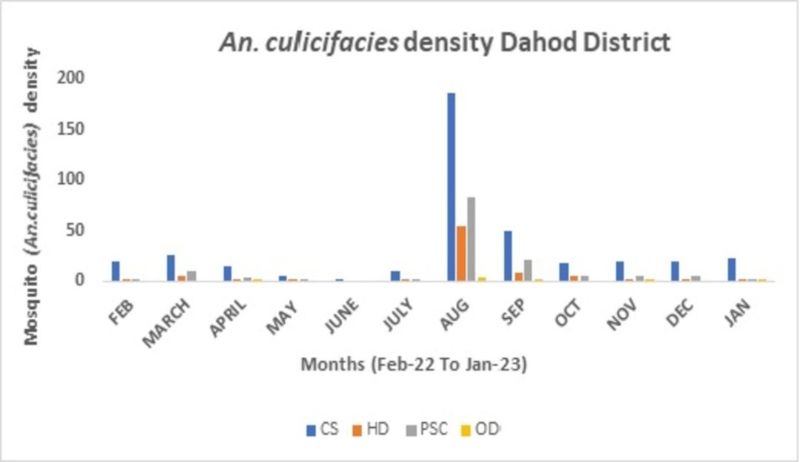
Fig 3: CS, HD, PSC and Outdoor collection in Dahod
Table 2: Cattle shed, (CS), Human dwelling (HD), pyrethrum spray sheet collection (PSC) and Outdoor collection (OD) in Surendranagar:
|
|
FEB |
MARCH |
APRIL |
MAY |
JUNE |
JULY |
AUG |
SEP |
OCT |
NOV |
DEC |
JAN |
|
CS |
14.66 |
13.5 |
4.66 |
3.33 |
0.83 |
1.83 |
19.5 |
34 |
17.16 |
30.83 |
33.33 |
34.16 |
|
HD |
2.33 |
1.5 |
0.83 |
0.5 |
0.16 |
0.83 |
16.33 |
5.5 |
3.16 |
6 |
6.16 |
4 |
|
PSC |
6.16 |
4.6 |
0.66 |
0.16 |
0 |
0.16 |
19.83 |
13.16 |
9 |
16.5 |
12.16 |
11 |
|
OD |
2.44 |
4.66 |
0.4 |
0 |
0 |
1.33 |
0.5 |
0 |
0.67 |
0.33 |
5 |
2 |
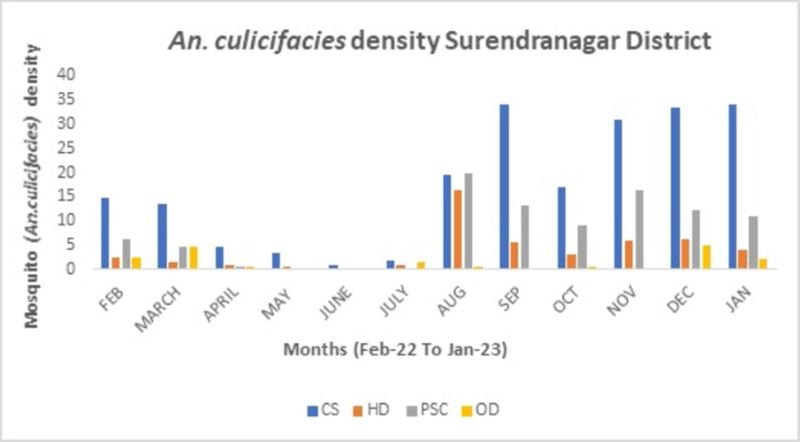
Fig 4: CS, HD, PSC and Outdoor collection in Surendranagar
Light Trap Collection Indoor & Outdoor:
The light traps were fixed indoor and outdoor of the houses. Month wise collection was made from each district. An. culicifacies were observed in high density in the month of August and Sept in in Dahod Table.3 and Fig.4. In Surendranagar district, high density An. culicifacies were observed during Feb, August and Sept Table.4 and Fig.6. Both the district, number of Anopheles culicifacies was higher indoor as compare to outdoor collection. Mosquitoes were collected once in the morning to determine the proportion of species in the area, measured as the number of mosquitoes per trap-night (no. mosquitoes/trap).
Table 3. Light Trap Collection Indoor & Outdoor Dahod :
|
Month |
FEB |
MARCH |
APRIL |
MAY |
JUNE |
JULY |
AUG |
SEP |
OCT |
NOV |
DEC |
JAN |
|
LTC ID |
23 |
9 |
3 |
7 |
0 |
1 |
64 |
47 |
0 |
7 |
9 |
10 |
|
LTC OD |
0 |
1 |
3 |
3 |
0 |
1 |
26 |
47 |
0 |
4 |
5 |
7 |
Fig. 5. Light Trap Collection Indoor & Outdoor Dahod:
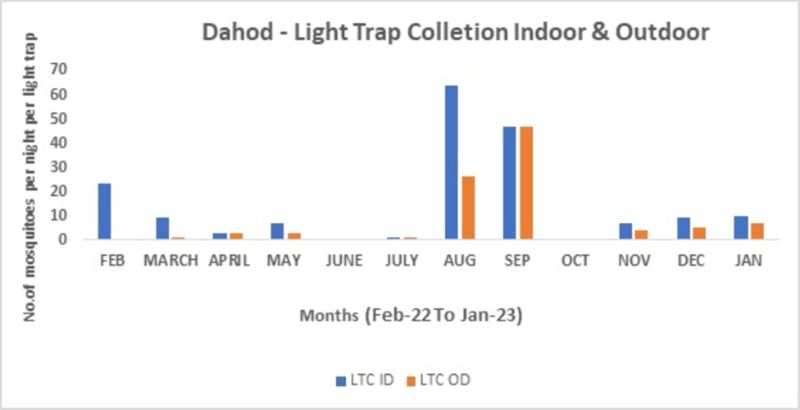
Table 4. Light trap colletion Indoor & Outdoor
|
|
FEB 22 |
MARCH 22 |
APRIL 22 |
MAY 22 |
JUNE 22 |
JULY 22 |
AUG 22 |
SEP 22 |
OCT 22 |
NOV 22 |
DEC 22 |
JAN 23 |
|
LTC ID |
19 |
1 |
1 |
0 |
0 |
2 |
11 |
8 |
4 |
14 |
16 |
17 |
|
LTC OD |
9 |
0 |
2 |
0 |
1 |
0 |
5 |
8 |
6 |
12 |
12 |
18 |
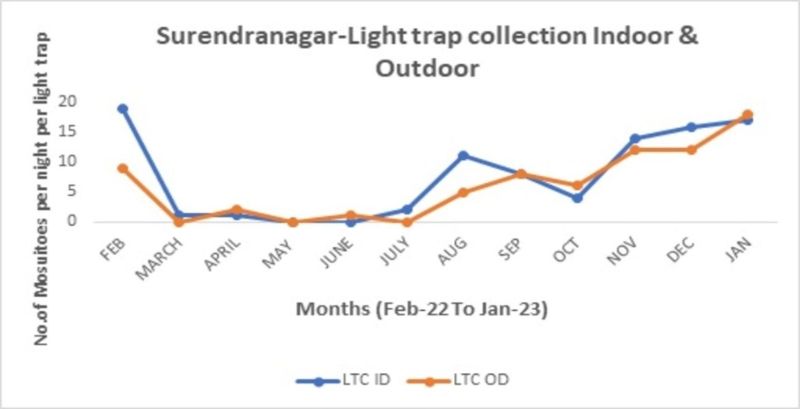
Fig.6.0. Light trap colletion Indoor & Outdoor Surendranagar:
Species Composition:
In Dahod district, during indoor resting collection, 6 anopheline species were collected namely An. culicifacies, An. stephensi, An. fluviatilis, An. subpictus, An. annularis and An. tessellatus. Culex was also collected. Indoor collection, An. culicifacies is the primary vector. Indoor collection, An. culicifacies is the highest number and followed by An. subpictus and An. annularis. In Surendranagar, during indoor resting collection, 5 anopheline species were collected namely An. culicifacies, An. stephensi, An. subpictus, An. annularis and An. fluviatillis. (Table 5). An. culicifacies density were high in tribal and rural villages of Dahod district as compare the Surendranagar. An. stephensi is an urban malaria vector but still found in higher density of tribal and rural area of both the districts. An. stephensi density were 10 time higher in Surendranagar as compare the Dahod district. In the outdoor collection, An. annularis was the dominant species among anopheline followed by An. subpictus and An. culicifacies. Outdoor collection, only Anopheline species and Culex were found. In outdoor collection, Anopheline density were higher in the Surendranagar district as compare the Dahod district. Outdoor collection was shown in Table.6.
Table 5. Indoor Mosquito species composition
|
Indoor Mosquito species composition: Dahod |
Surendranagar |
|||
|
Indoor mosquito collection |
Number |
% |
Number |
% |
|
Total Mosquito collected |
5469 |
|
5509 |
|
|
Anopheline |
3289 |
60.14 |
3045 |
55.27 |
|
Culex |
2180 |
39.86 |
2464 |
44.73 |
|
Anopheline Species composition |
Number |
% |
|
|
|
An. culicifacies |
1271 |
38.64 |
845 |
27.75 |
|
An. subpictus |
1034 |
31.44 |
1659 |
54.48 |
|
An. stephensi |
59 |
1.79 |
510 |
16.75 |
|
An. annularis |
921 |
28.00 |
26 |
0.85 |
|
An. fluviatilis |
2 |
0.06 |
5 |
0.16 |
|
An. tessellatus |
2 |
0.06 |
- |
- |
Table 6. Outdoor Mosquito species composition
|
Outdoor Mosquito species composition: Dahod |
Surendranagar |
|||
|
Outdoor mosquito collected |
Number |
% |
Number |
% |
|
Total Mosquito collected |
704 |
863 |
|
|
|
An. culicifacies |
35 |
9.97 |
89 |
10.31 |
|
An. subpictus |
77 |
21.93 |
269 |
31.17 |
|
An. stephensi |
3 |
0.854 |
64 |
7.42 |
|
An. annularis |
236 |
67.23 |
5 |
0.58 |
|
Culex |
353 |
50.14 |
436 |
50.52 |
Parity Status:
Both the districts, parity status were shown in Fig.7. Most of the vectors found Monoparous in the transmission season. The parous rate of An. culicifacies was nearly 47.46% in Dahod district which was high in transmission season (July-Oct). It was low in summer season. This coincides with the malaria cases reported in the districts. The parous rate of An. culicifacies in both the districts varied among months ranging from 14% in Feb to 47% in August. Most of the mosquitoes were found as nulli parous followed by monoparous. Di and Tri parous were absent.
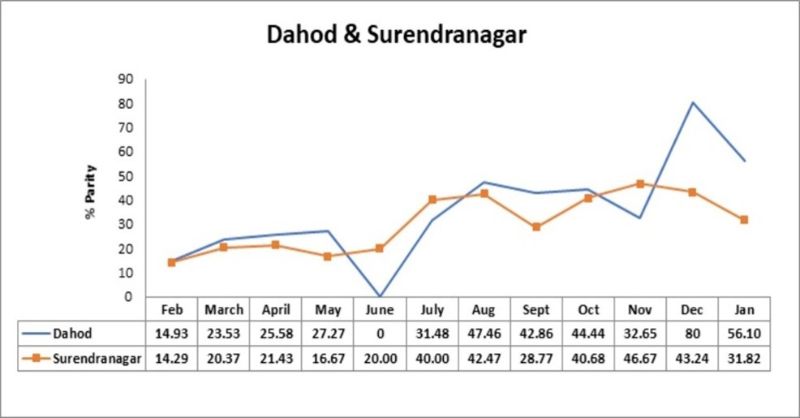
Fig 7. Parity status of An. culicifacies in Dahod & Surendranagar District
Human Landing Collection:
Mosquitoes were collected throughout the night, on human bait (volunteers)carried out from dusk to dawn. (1800 hrs to 0600 hrs) Landing collection was made hourly. Attempt made to collect mosquitoes as soon as they land on the host to prevent the actual biting. The biting rate of An. culicifacies was highest in the time of retreating monsoon (Aug to Oct) period. An. culicifacies was captured in all the month indoor and outdoor collection. Anopheles culicifacies density shown as per bait/night. Month wise Human landing collection of Dahod & Surendranagar were shown in Fig.8 & 9.
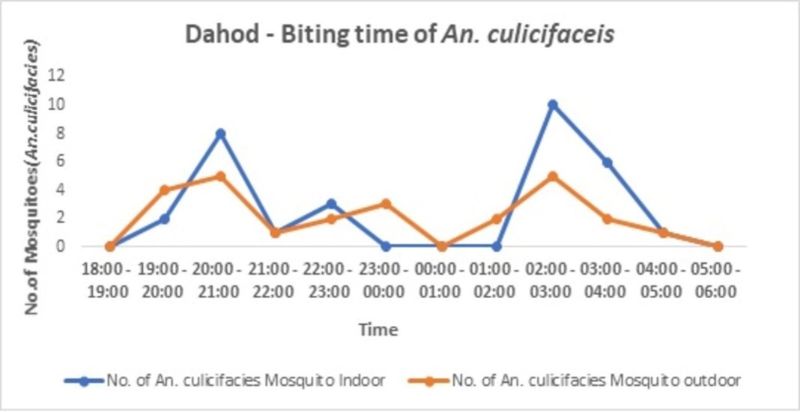
Fig.8 Biting rate of An.culicifacies in Dahod
An. culicifacies were biting mainly two times (1) 20:00 to 21:00 pm and (2) 2:00 am to 4:00am In Indoor and Outdoor HLC. LLIN can be used for protection whole night.
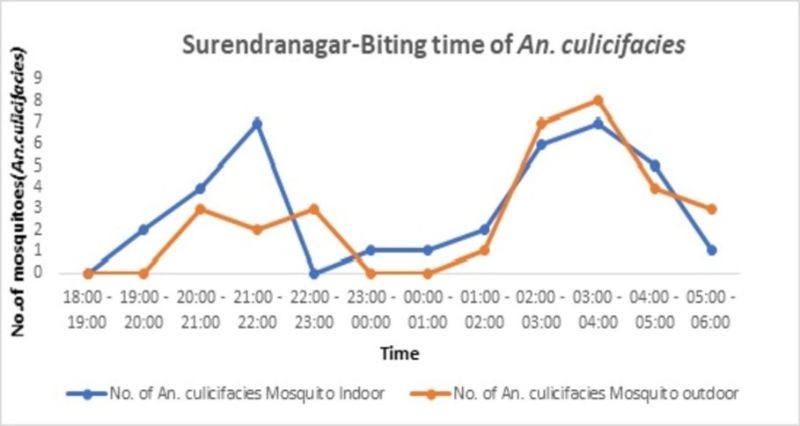
Fig.9 Biting rate of An.culicifacies in Surendranagar
An. culicifacies Gonotrophic Condition:
The analysis of physiological condition of abdomen of An. culicifacies were shown in Dahod & Surendranagar district Figure. 10 & 11. In the monsoon and post monsoon season higher proportion of freshly fed (FF) as compare to half-gravid (HG) and gravid (G) were observed.
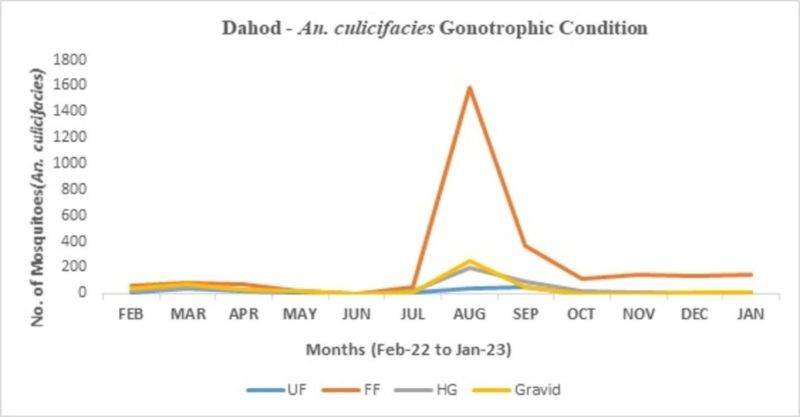
Fig. 10.0. An. culicifacies Gonotrophic Condition of Dahod
During monsoon season most of the new breeding sites were appeared . Mosquitoes density were increased due to monsson / post monsoon season. These increased mosquitoes density were taken the blood from 8-9 pm and 2-4 am. These blood fed mosquitoes were collected in dark hours.
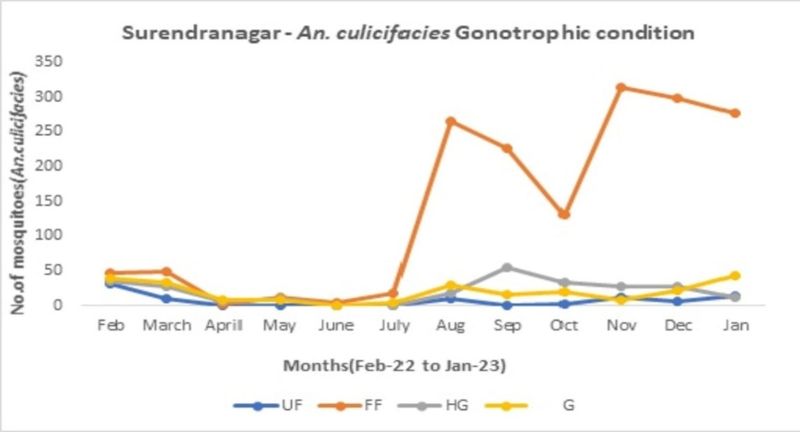
Fig 11. An. culicifacies Gonotrophic Condition of Surendranagar
UF:Unfed, FF: Freshly Fed, HG: Half Gravid, G: Gravid
Blood meal analysis:
A total of 100 blood meal samples were collected from the An. culicifacies in sentinel villages across the Dahod district. Human Blood index (HBI) was 96% (96/100) in cow followed by 4% (4/100) in mix Cow, Goat and Human. An. culicifacies were 100 % zoophagic in nature. A total of 100 blood meal samples were collected from the An. culicifacies in sentinel villages across the Surendranagar district. Human Blood index (HBI) was 64% (64/100) in cow followed by 2% (2/100) in Goat, 1% (1/100) in human, 13% (13/100) in mix Cow, Goat and Human. An. culicifacies were 99 % zoophagic and 1% Anthrophagic in nature.
Sibling species identification:
Sibling species identification were done by PCR methods. In Dahod, sibling species A, B, D, E were present. Sibling species B (77% (77/100) were present in highest proportion and followed by E (21% (21/100) and A (1% (1/100) and D (1% (1/100). In Surendranagar district, all the sibling species A, B, C, D and E were present. Sibling species B (42% (42/100) were in highest proportion followed by sibling species D (37% (37/100), E (18% (18/100), C (2% (2/100) and A (1% (1/100).
Susceptibility status of vectors to different insecticides:
The susceptibility of An. culicifacies to Deltamethrin and Alpha-cypermethrin were rigorously tested using WHO discriminatory dose papers.
The findings that An. culicifacies is resistant to Deltamethrin, as evidenced by a mere 85% mortality rate after 24 hours. In stark contrast, this species proves highly susceptible to Alpha-cypermethrin, with an impressive 99% mortality rate observed in Dahod and Surendranagar.
The susceptibility status of An. culicifacies was assessed against Deltamethrin and Alpha-cypermethrin using WHO discriminatory dose impregnated papers.
It was observed that An. culicifacies has developed resistance against Deltamethrin (24 hrs mortality: 85%) and, whereas it was found susceptible to Alpha-cypermethrin with 24hrs mortality 99% in Dahod and Surendranagar.
Sporozoite Rate:
In the Dahod and Surendranagar Districts, a thorough analysis of 400 An. culicifacies was conducted for vector incrimination studies. The findings revealed that in Dahod, we identified positive cases of Plasmodium falciparum 1 and P. vivax 1, while in Surendranagar, one specimen of P. falciparum tested positive for sporozoite. The sporozoite rates were found to be 1.00% in Dahod and 0.05% in Surendranagar, demonstrating the prevalence of these malaria pathogens in the region.
Larval survey data:
The larval survey carried out at Dahod and Surendranagar district. Larvae survey were done at riverbank, pond, subcanal, well and cattle watering trough. Collected larval were reared in insectary at ICMR-NIMR FU. Nadiad Gujarat in controlled temperature and humidity condition and developed in adult mosquitoes for further morphological identification.
Dahod District, village wise larval collection was done at well, Pond, River bank, Subcanal and Cattle watering trough nearby village area. In well, An.culicifacies, An. subpictus, An.stephensi were found. An. culicifacies, An. subpictus, An.stephensi, An. annularis were found in riverbank, pond and pool.
In Surendranagar district,village wise Larval collection were done. Larval collection was done at well, pond, river bank, nearby village area. In well only An. culicifacies were found. An. culicifacies, An. subpictus, An.stephensi, An. annularis were found in river bank and pond.
Discussion
The bionomics of An. culicifacies was carried out in tribal area of Dahod district and semi-arid area Surendranagar district of Gujarat in Jan 2021 to Feb 2022. The anopheline shown endopahgic and zoophagic behaviour. An. culicifacies, An. stephensi, An.subpictus, An.fluviatilis, An. annularis and An. tessellatus were collected from various standard collection methods. In the present study, anopheline density and species were less reported as compare to previous studies from Gujarat. (17-24).
In door collection, Among anophelines, An. culicifacies were highest in Dahod district and followed by An.subpictus, An. annularis and An.stephensi. In Surendranagar, Predominanat vector species was An.subpictus and followed by An. culicifacies and An. stephensi. An. culicifacies, An. stephensi, An.subpictus and An. annularis were collected from outdoor collection which were similar to earlier reported study.(24-28).
In previous studies, few decades ago, outdoor collection were reported higher. (17,29). In the present study, indoor collection was higher as compare to the outdoor collection (25). Most of the anopheline were zoophagic and rest indoor in the houses.
Anopheles culicifacies were collected round the year. An. culicifacies density were higher in August and September during monsoon season in Dahod. Surendranagar, An. culicifacies density were higher from August to March. An. culicifacies density were higher in cattle shed followed by human dwelling and outdoor collection (24,30-31).
Indoor light trap, An.culicifacies density were higher as compare to the outdoor light trap collection. An. culicifacies density were higher in August and September during monsoon season in Dahod. Surendranagar, An. culicifacies density were higher from August to March. During monsoon season number of breeding places were higher and temperature and relative humidity was also in the optimal condition due to that reason anopheline density were reported high and similar study reported (25,31). In both the district, most of the vectors found monoparous during transmission period and pre-monsoon and post-monsoon parity rate were low (25).
Month wise physiological condition of abdomen of An. culicifacies were studied in Dahod & Surendranagar district. In both the district, during monsoon and post monsoon season higher proportion of freshly fed (FF) as compare to half-gravid (HG) and gravid (G) were observed.
During monsoon season most of the new breeding sites were appeared. Mosquitoes density were increased due to monsson / post monsoon season.
These increased mosquitoes density were taken the blood from 8-9 pm and 2-4 am. These blood fed mosquitoes were collected in dawn hours. Anopheline showed the endophilic and endophagic behaviours. In dahod district, the most of the peoples were tribals and their most of the houses where human and animals lived under the one roof of houses. Most of the anopheline bites the animals specially cattles and goat and rest on the walls of the houses and clothes and some dark places in the home under the beds. In Surendranagar district, most of the houses adjacent to the cattle shed. These anopheline took the blood from animals and resting inside the human dwellings (18,24).
An. culicifacies have 5 sibling species, in Surendranagar all the five species were reported. In both the districts, An. Sibling species B proportion was high. Dahod, A, B, D and E sibling species were found. Sibling species B were reported as non-viable species for malaria transmission. All the viable species A, C, D and E were reported which were responsible for malaria transmission. In earlier study reported from Gujarat reported same sibling species (8). The study from Odisha (32-33), Madhya Pradesh (34) and Chhattisgarh (35) have reported An. culicifacies sibling species C and Uttar Pradesh reported sibling species C were reported.
Mosquitoes were collected throughout the night, on human bait (volunteers)carried out from dusk to dawn. (1800 hrs to 0600 hrs) An. culicifacies was captured in all the month indoor and outdoor collection. The biting rate of An. culicifacies was highest in the time of retreating monsoon (August to October) period. An. culicifacies were biting mainly two times (17) 20:00 to 21:00 pm and (18) 2:00 am to 4:00am. These results were similar to earlier reported studies from the Gujarat (18,22,31). Anopheline were present whole night during human landing catch. LLINs were the best option for controlling the malaria and other vector borne diseases. After biting, anopheline rested on the walls of the houses, hence IRS also be the good option for controlling the malaria. IRS and LLINs both are the good option for controlling the malaria and other vector norne diseases.
In Gujarat, most of the An.culicifacies were in zoophagic in nature and took their blood from cow and goat which were very similar to earlier reported studies (35-39). Dahod is a tribal district which have single roofed house where animals and human are living in same places. These anopheline took their blood from the animals easily and resting at walls of the houses. In surendrangar district, most of the houses are adjcent or mix dwelling with the cattle shed. Anopheline takes the blood and rested on the walls of the houses. In both the district, cattle shed is easily available in very approachebale for the anopheline for their food.
Anopheles culicifacies was found resistance to deltamethrin and susceptible to the alpha-cypermethrin in the both the districts. Alphacypermethrin were used in both intervention LLINs and IRS by the state vector control programme. In earlier studies, DDT, malathion, permethrin and deltamethrin insecticides were reported resistance towards the anopheline (8,40-44). An. culicifacies were reported as zoophagic in nature and sporozoite rate was low as 1 %, 0.5 in Dahod and Surendranagar which similar to earlier studies (8). Low sporozoite rate also declared that Low active transmission in the community.
Conclusion
To achieve the malaria elimination in 2030 as per target of Govt of India, vector behaviour is an important aspect for formulate the effective vector control strategy. Gujarat state is in category 1 in malaria elimination process in which Annual Parasitic Incidence (API) < 1 to shift in category 0 vector bionomics study is played a vital role. Vector bionomics study reported behaviour of An. culicifacies, density, physiological conditions, blood meal analysis, insecticide susceptibility and biting behaviour. An. culicifacies showed endophilic, endopahgic and zoophagic in nature and found susceptible towards the alpha-cypermethrin. Most of the anopheline bites the animals specially cattle’s and goat and rest on the walls of the houses and clothes and some dark places in the houses under the beds. Anopheline density were observed perennial. An. culicifacies were in zoophagic and endophilic in nature. IRS and LLINs both the intervention are very effective to prevent the Malaria and other vector borne diseases.
Acknowledgements
We are thankful to the Director General, Indian Council of Medical Research for kindly permitting to undertake the study and also for providing fund under MERA India. We also thank to Director, NIMR for their kind support in all aspects. We also thank State Programme Officers of NVBDCP, Gujarat, for providing support during the study period. We appreciate sincere efforts of the staff of the National Institute of Malaria Research and health staff of Government of Gujarat in successful conduct of the study.



Open Access By Aditum Open Access Journals id licensed under Creative Commons Attribution 4.0 International License. Based On a Work at aditum.org


