
International Journal of Epidemiology And Public Health Research
OPEN ACCESS | Volume 7 - Issue 5 - 2025
ISSN No: 2836-2810 | Journal DOI: 10.61148/2836-2810/IJEPHR


Yvona Farah, Marielle Mansour*
1Lebanese German University.
*Corresponding author: Marielle Mansour, Lebanese German University.
Received: December 10, 2025 | Accepted: December 16, 2025 | Published: December 22, 2025
Citation: Yvona Farah, Mansour M., (2025) “Understanding Celiac Disease and Gluten Sensitivity: Insights from Lebanese Patients”. International Journal of Epidemiology and Public Health Research, 7(5); DOI: 10.61148/2836-2810/IJEPHR/184.
Copyright: © 2025. Marielle Mansour. This is an open access article distributed under the Creative Commons Attribution License, which permits unrestricted use, distribution, and reproduction in any medium, provided the original work is properly cited.
Objective: This study aimed to evaluate the knowledge, diagnostic experiences, and dietary management practices of Lebanese patients with celiac disease (CD), non-celiac gluten sensitivity (NCGS), and wheat allergy. It focused on participants' ability to recognize symptoms, understand their condition, and maintain gluten-free dietary habits within the Lebanese healthcare and social context.
Methods: A cross-sectional mixed-method approach was utilized, incorporating semi-structured interviews and structured surveys. The study was conducted in various healthcare and community settings across Lebanon. A total of 72 adult participants with a medically confirmed diagnosis of CD, NCGS, or wheat allergy were enrolled. No clinical intervention was performed; participants provided self-reported information regarding symptoms, diagnostic processes, and dietary behaviors. Data analysis was carried out using SPSS software, employing descriptive statistics, ANOVA, and chi-square tests to identify significant relationships among variables.
Results: Celiac disease emerged as the most frequently reported condition among participants. Common symptoms included fatigue and abdominal pain. The majority of respondents had undergone diagnostic testing and adhered to a gluten-free diet. However, adherence was often hindered by the high cost and limited availability of gluten-free products. Significant associations were found between specific clinical manifestations, such as weight loss and growth delay, and diagnostic outcomes.
Conclusion: While general awareness of gluten-related disorders in Lebanon is moderate, challenges related to economic constraints and dietary accessibility continue to impact patient management. Despite strong adherence to dietary recommendations, the findings highlight the need for enhanced public health education, improved availability of gluten-free foods, and targeted support from healthcare providers to better address the needs of affected individuals.
Celiac disease, non-celiac gluten sensitivity, patient awareness, gluten-free diet, Lebanon, symptom management, healthcare access
Gluten-related conditions, such as non-celiac gluten sensitivity and celiac disease, are becoming more of a global public health concern, including in Lebanon. The consumption of gluten triggers the autoimmune illness known as celiac disease, which causes intestinal inflammation and damage in genetically predisposed individuals (Leonard et al., 2017). Non-celiac gluten sensitivity produces similar symptoms but does not result in intestinal damage or immunological signs. In order to prevent a late diagnosis, inappropriate symptom management, and a lower quality of life, this study aims to evaluate Lebanese patients' knowledge of these disorders, with special focus on their understanding of clinical differences, effects, and methods for diagnosis. Despite the research that shows the increasing prevalence of gluten-related disorders and the importance of early detection, there are significant challenges in knowing the difference between non-celiac gluten sensitivity and determining its exact prevalence. The study examines how patients’ understanding correlates with symptom management, adherence to a gluten-free diet, and engagement in medical follow-ups.
This study aims to guide future educational and awareness initiatives through recognizing knowledge gaps within the Lebanese public, and eventually enhancing healthcare methods for those with gluten-related disorders in Lebanon.
Literature Review
Pathogenesis of Celiac Disease
Celiac Disease (CD) is an autoimmune disease triggered by the consumption of gluten protein present in wheat, barley, and rye. Primarily, this is an abnormal immune response to gliade peptides characterized by increased intestinal permeability and inflammatory reaction. The immune response to this celiac disease is driven by both genetic marked-ness, especially the presence of HLA-DQ2 and HLA-DQ8 alleles necessary for antigen presentation and immune activation (Catassi et al., 2022). The ensuing inflammation is characterized by villous atrophy, crypt hyperplasia and malabsorption of essential nutrients causing symptoms of chronic diarrhea, weight loss and fatigue (Green & Cellier 2007). The only available treatment for CD is requiring life-long adherence to a gluten-free diet and this has been proven to improve symptoms and prevent future complications such as osteoporosis, infertility and gastrointestinal malignancies (Fasano & Catassi, 2012).
Non-Celiac Gluten Sensitivity
Non‐celiac gluten sensitivity (NCGS) is a state of gluten intolerance resulting in gastrointestinal and extraintestinal symptoms in the absence of CD or wheat allergy. Blurry vision, abdominal pain, bloating, fatigue and cognitive disturbances (often called "brain fog") may be symptoms that are associated with Vitamin B12 deficiency (Igbinedion et al., 2017). Unlike CD, NCGS does not have specific biomarkers narrowing the field of diagnosis not only because of the lack of specific biomarkers but also due to reliance on exclusion criteria. Most patients with NCGS are negative antibody for celiac specific antibodies and lack villous atrophy on biopsy. However, innate immune activation and changes in gut microbiota can be involved in NCGS patients' symptoms (Al-Toma et al., 2019). Adherence to a gluten free diet is the primary approach to treating NCGS and usually brings symptomatic relief in the weeks following implementation. Nevertheless, some scientists contend that other wheat components such as amylase and trypsin inhibitors, ATIs, or fermentable oligosaccharides, disaccharides, monosaccharides, polyols, and FODMAPs may contribute to the manifestation of symptoms (Dr Schär Institute, 2018).
Epidemiology
Celiac disease strikes one percent or less of the world’s population, depending on geographic and genetic factors. First degree relatives of CD patients have a very high prevalence, estimated at 10%. This risk is markedly higher than the general population (Ludvigsson et al., 2013). In the past years, screening and awareness have improved, yet CD is still insufficiently diagnosed, especially in the areas of poor access to healthcare such as in Lebanon. The underdiagnosis of CD in Lebanese populations is a result of some of the above-mentioned factors (Fasano et al., 2015). Furthermore, there is no confirmed diagnostic marker for NCGS, and the prevalence of NCGS is not well quantified. A prevalence between 1% and 6% of the population overall may be affected by NCGS, though this can be difficult to estimate (Biesiekierski et al., 2013). There is a need for more epidemiological work to determine the burden of NCGS in Lebanon and to improve diagnostic strategies for gluten related disorders.
Methodology
The purpose of this study is to evaluate awareness, views, and dietary habits regarding celiac disease and non-celiac gluten sensitivity among Lebanese patients. To collect comprehensive and varied data, a descriptive and analytical approach is applied, which integrates semi-structured interviews with quantitative surveys for a mixed-method analysis. Lebanese patients with non-celiac gluten sensitivity or celiac disease are included in the target population, providing a variety when it comes to age, gender, and socioeconomic background. According to the inclusion requirements, individuals must be at least eighteen years old, have a verified diagnosis, live in Lebanon, and give their informed consent. Exclusion criteria include individuals with other autoimmune or gastrointestinal conditions, people receiving active treatments that affect their perceptions, people who don't follow a gluten-free diet, and family members who don't have a celiac disease or gluten sensitivity diagnosis. Semi-structured interviews will be used to explore individual experiences, while structured questionnaires on symptoms, risk factors, foods to avoid, and eating habits will be used to gather data. Informed permission and data confidentiality will be ensured, and ethical standards will be respected. Data analysis will be conducted using SPSS software, applying both descriptive and inferential statistics to analyze the questionnaire responses and draw conclusions.
Results
Socio-Demographic Profile Analysis
The participants were 72, 75% were female and 25% were male. The age distribution was chevroned whose age proportion was 18.1 percent of people below 12 years, 6.9 percent within 12 and 18 years, 30.6 percent within 19 and 24 years, 16.7 percent between 25 and 34 years and 11.1 percent in the groups of both 35 – 44 and 45 – 54 years. They were, both, the smallest proportions, those aged 55-64 years and over 65 years, 2.8% of the sample. On the topic of educational attainment, 20.8 percent of the sample had primary level of education, and 12.5 percent had gotten to secondary education. A significant amount, 43.1%, had a bachelor’s degree and 20.8% did a master’s degree. Of the participants, only 2.8% had doctoral degrees while the least represented were those individuals.
Diagnosis Analysis
Interestingly, celiac disease was found in a large number of participants, 68.06 percent, while non-celiac gluten sensitivity was diagnosed in 18.06 percent of participants and wheat allergy in 13.89 percent of participants. The results of this distribution indicate that celiac disease is the most common of the gluten related conditions on our list of survey respondents.
Symptoms Reported
Fatigue was the most reported symptom (16.5%), as was indicated by the 16.5% of participants reporting it. The second most frequently mentioned symptom was abdominal pain, at 13.5%, with diarrhea or constipation as close to behind at 11.2%. Joint pain, vitamin or iron deficiency as well as weightloss each occurred in 8.2% of participants, and of the respondents, 10.9% noted anemia. Respondents were 7.6% for headaches, 6.8% for nausea. Like growth delay, fewest participants (5.6%) reported lactose intolerance, and the least reported symptom was growth delay (3.5%).
Blood Test Analysis
63.9% of the participants had undergone the anti-transglutaminase antibody test, which is one of the most common tests used for a diagnosis of celiac disease. Only 5.6% had been tested for anti-endomysium antibody and 8.3% had been tested for anti-gliadin antibodies. The study on genetic testing among 5.6% of the participants and allergy testing in 4.2% of cases was made. Notably, there were still 12.5% of respondents who had not undergone any form of testing (no or until other test results were confirmed).
Of those that were tested, a total of 77.8% ended up with positive results, and 22.2% ended with negative results. Together, this indicates that even with tests to diagnose celiac disease and related conditions, some cases may not be tested for due to lack of clinical testing.
Family History
The research also investigated hereditary components in gluten conditions. Just over 40.3% of participants had family members with similar conditions, while 20.8% had no known family history. It is interesting to note that 38.9% could not make up their minds to the question, whether gluten-related conditions are present in family, an indicator of the lack of awareness and documentation of such conditions among other family members.
Endoscopy and Biopsy
Celiac disease is diagnostically best studied by esophagogastroduodenoscopy with biopsy. This procedure had been done on 76.4% of the participants and 23.6% did not. Despite the percentage of people who took the test being relatively high, this suggests an effort in confirming the diagnosis while the percentage of people who have not had the test indicates that there is still room for diagnostic accessibility.
Adherence to a Gluten-Free Diet
Among those with gluten related disorders, the level of dietary compliance with a gluten free diet amounted to 86.1%. However, 13.9 % did not follow the diet to the letter that could lead to the continued symptoms and risk of maintaining gluten health.
Challenges in Following a Gluten-Free Diet
Despite high level of adherence, participants encountered several challenges not to maintain a strict gluten free diet. Of 20.2 percent of respondents, gluten-free food was the most expensive cost. Lack of gluten free products in the local stores was a concern for 12.5% of the participants and 8.4% lacked variety and quality gluten free options in the restaurants and cafes.
In addition, meal preparation was perceived as 11.8% of this group took a long time and was taxing on their effort. All of this was also socially mediated; 6.3% reported that they felt isolated and frustrated due to dietary restrictions. Additionally, 9.8 percent had problems with recognizing gluten containing foods and 5.9 percent faced social pressure to consume gluten at events. Regarding 3.1% of participants reported unrealistic expectations about what is expected from a gluten free diet, 10.1% also indicated that they did not grasp properly the importance of dietary adherence. The denial spoken by 8.7% of respondents is what came at last.
Correlation Analysis
The purpose of the correlation analysis was to examine the statistical associations of numerous demographics, diagnostic, symptomatic variables as related to gluten related disorders. To test the significance of a relationship between gender, age, and diagnostic categories, on one hand, and between these parameters and blood test results, on the other hand, the study conducted ANOVA tests, as well as chi square tests for cross variable relationships.
In this article, the ANOVA test of gender and gluten related disease diagnoses was found statistically not significant. The results show that gender does not affect the type of diagnosis in this sample which has a p value of 0.645, higher than the threshold of 0.05.
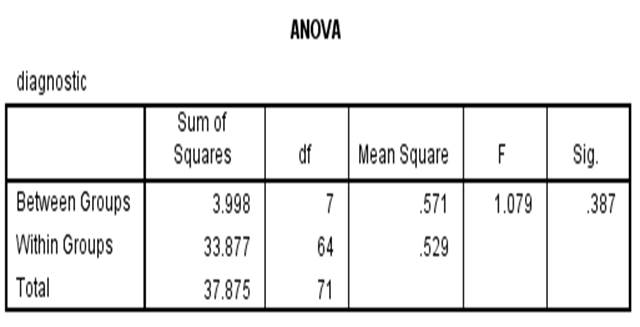
Also, the ANOVA test used to compare age group and gluten related disease diagnosis without statistical difference p-value (p-value = 0.387). This indicates that there is no influence of age on the type of diagnosis in this population.
Table 1: ANOVA analysis of the correlation between sex and diagnosis of gluten-related diseases
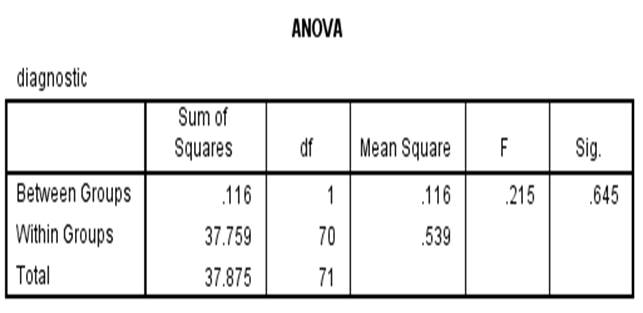
Table 2: ANOVA analysis of the correlation between age and diagnosis of gluten-related diseases
To better understand the correlation between purported symptoms and blood tests analysis was performed of a more detailed ANOVA. Statistically significant differences were not found in most symptoms including fatigue, joint pain, abdominal pain, lactose intolerance, diarrhea, vitamin/iron deficiency, and anemia among groups. Nevertheless, we found that there was a statistically significant correlation between weight loss (p = 0.014) which might suggest that there is a strong link between blood test result variations and this symptom. Furthermore, delayed growth showed significant correlation with a p value of 0.043, which suggests that growth patterns are significantly different with respect to diagnostic outcomes. Trends toward statistical significance of headaches, anemia, and nausea suggest that further investigation of some underlying connection would be worthwhile. Finally, these findings stress that weight loss and growth delay may be more pronounced markers of gluten related conditions that can help change how gluten related conditions are defined and treated.
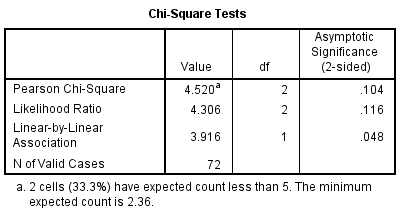
A chi-square analysis was performed to assess the relation to which reported symptoms might be associated with diagnostic categories. The results showed no relation between diagnosis and symptoms, including fatigue, headaches, joint pain, abdominal pain, diarrhea and lactose intolerance. It was found that a notable finding in regard to weight loss with a p-value of 0.002 demonstrates that there was a strong correlation between diagnosis and presence of this symptom. Likewise, delayed growth showed a trend of statistical significance with a p value of 0.071, suggesting a possible relationship which should be additionally explored. These findings emphasize the necessity of weight loss and growth patterns in clinical assessment of gluten related disorders.
Table 3: Cross-analysis between diagnosis and fatigue.
Family history was further analyzed, and any possible correlation between it and gluten related disease diagnoses. No statistically significant relationship was shown by the chi square test, let p = 0.361. In terms of this study population, this used to suggest that family history is almost always used as a risk factor but not a determining variable in diagnosis.
Correlations were significant when examining adherence to strict gluten free diet and associated difficulties. A p of 0.000 was found between the high cost of gluten free foods and the adherence difficulty where it was strongly correlated with the cost of gluten free foods and were a major concern for patients. This demonstrated a significant relationship with limited availability of gluten free products with p = 0.001, indicating that accessibility is a factor in the compliance with dietary rules. Another important factor was the lack of variety in restaurants and cafes, for which the p-value of 0.016 indicates that there is a need for expanded gluten-free options in public dining establishments.
Social and psychological factors were studied in addition to feelings of isolation and social pressure were studied as they affected adherence to a gluten-free diet. Social pressure did not enter into significance, but dietary related stress has a p value of 0.045 suggesting that it is significantly related. It also revealed that identifying gluten containing foods was the very same thing, with a p value of 0.007, that materials need to be clearly marked as gluten free, and patients need to be educated better on how to follow a strict gluten free regimen.
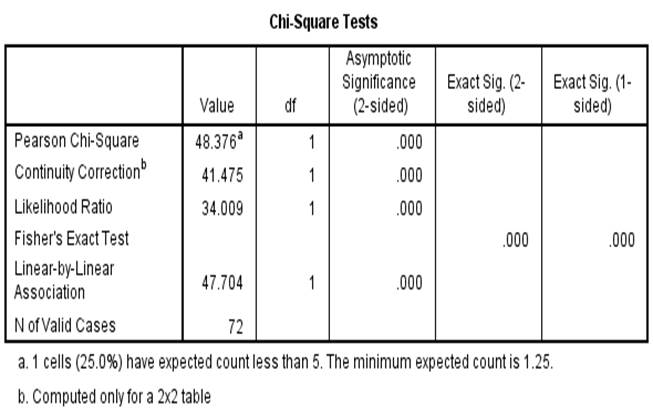
A chi-square analysis was then used to test the relationship between presence of difficulty following the diet and strict dietary adherence. Facilitation of a gluten free diet was found to exhibit high significance with a p value of 0.000, which means people who did not get major obstacles would adhere strictly to a gluten free diet. These studies indicate that economic, social, and psychological factors interact to sustain dietary compliance and identify that there are opportunities to improve patients’ outcomes by reducing these factors.
Table 4: Cross-analysis between strict diet and no difficulties
Discussion
Women make up 75% of the study's participants, which shows a gender bias since women are more likely than males to seek medical attention for gluten-related problems. This aligns with the findings of Catassi et al. (2017), that indicates that women are diagnosed more often because of clinical presentation and genetic factors. The gender distribution seen in the study was supported by a 2019 study published in the Journal of Gastroenterology, which demonstrated that 70–80% of cases of celiac disease are identified in women. The study's conclusions on the understandings and views of gluten-related diseases by patients may be influenced by the fact that about 49 percent of participants are between the ages of 19 and 24. However, there is a lack of information on this population, which is often linked to problems from these disorders, due to the low representation in older age groups, especially those over 55 (Brown et al., 2018). In terms of education, 20.8% of participants have only have a primary education, while 43.1% have a bachelor's degree. Similar to earlier data indicating celiac disease as the most prevalent gluten-related disease, the majority of participants (68.06%) have been diagnosed with celiac disease, followed by non-celiac gluten sensitivity (18.06%) and wheat allergy (13.89%) (Fasano & Catassi, 2012). Common symptoms include gastrointestinal problems, fatigue, and abdominal pain, which have been linked with celiac disease (Green & Cellier, 2007) and other gluten-related conditions (Ludvigsson et al., 2013). 77.8% of participants tested positive for the most common test, the anti-transglutaminase antibody, suggesting a significant number of gluten-related diseases (Fasano & Catassi, 2012). In order to highlight the genetic component of gluten-related diseases, 40.3% of participants indicated a family history of these conditions (Ludvigsson et al., 2013).
Conclusion
This study aimed to evaluate knowledge and perceptions of celiac disease (CD) and non-celiac gluten sensitivity (NCGS) by Lebanese patients, highlighting their understanding of clinical differences and dietary behaviors. The findings reveal moderate knowledge of gluten-related conditions, with a high prevalence of CD diagnoses and an increasing awareness of NCGS. Most participants adhered to a gluten-free diet, but challenges in having access to gluten-free products and significant social and economic impacts were reported.
The study had certain limitations, including a small sample size, gender bias (with more women than men), and an uneven age distribution, particularly the under-representation of older participants. These factors limit the generalizability and comprehensiveness of the results.
The findings are important for healthcare professionals in Lebanon, highlighting the need to raise awareness of gluten-related disorders, improve the education and information for patients, and make access to gluten-free products easier. Psychological and social support for patients was also identified as crucial for improving adherence to the gluten-free diet.
Further research with a larger, more balanced sample size, including older populations, and longitudinal studies are recommended. Comparative studies between Lebanon and other Middle Eastern countries could also offer valuable insights into the prevalence and management of gluten-related disorders.



Open Access By Aditum Open Access Journals id licensed under Creative Commons Attribution 4.0 International License. Based On a Work at aditum.org


