
International Journal of Business Research and Management
OPEN ACCESS | Volume 4 - Issue 3 - 2026
ISSN No: 3065-6753 | Journal DOI: 10.61148/3065-6753/IJBRM


Dr. Sri Lakshmi Peyyala
Electronics Corporation of India Limited; Electronics Corporation of India Limited; Swiss School of Business and Management (SSBM), Students.
*Corresponding Author: Dr. Sri Lakshmi Peyyala, Electronics Corporation of India Limited; Electronics Corporation of India Limited; Swiss School of Business and Management (SSBM), Students.
Received: July 20, 2026 | Accepted: August 02, 2026 | Published: August 04, 2026
Citation: Dr. Sri Lakshmi Peyyala., (2026). “Strategic Project Management, Servant Leadership, and Organizational Efficiency: The Impact of ISO 9001:2015 Implementation in Indian Public Sector Manufacturing”. International Journal of Business Research and Management 5(1); DOI: 10.61148/3065-6753/IJBRM/096.
Copyright: © 2026. Dr. Sri Lakshmi Peyyala, Alejandro. This is an open access article distributed under the Creative Commons Attribution License, which permits unrestricted use, distribution, and reproduction in any medium, provided the original work is properly cited.
In today's competitive marketing landscape, Project Management and Leadership are crucial for an organization's development of quality processes, products, and services. Effective leadership significantly influences project success, yet literature on the combination of Project Management and Servant Leadership is limited. This research aims to explore how Strategic Project Management and Servant Leadership can enhance project management practices, particularly in the context of ISO 9001:2015 and ISO 21502:2020, for successful execution in Indian manufacturing public sectors. The focus is on improving planning and existing master documents—principles, procedures, guidelines, checklists, and formats—to foster continuous improvement in strategic project management.
Project Management, Servant Leadership, ISO 9001:2015, ISO 21502:2020, Public sectors
In today’s competitive marketing environment, effective project management and leadership are vital for organizations aiming to deliver high-quality products and services. Leadership plays a crucial role in project success, yet much of the existing literature tends to focus on various management levels.
Project management is often associated with middle-level management, with servant leadership proving particularly effective in Indian public sector organizations. This study addresses a gap in the literature by examining the intersection of project management and servant leadership. It aims to enhance strategic project management practices in the public sector by integrating standards like ISO 21502:2020. The goal is to improve master documents—principles, procedures, guidelines, process control and formats—aimed at developing strategic project management practices and fostering continuous improvement.
This research aims to gather data from sources like ISO documents, literature reviews, and expert interviews to analyze the current project environment and enhance servant leadership skills. It seeks to improve project management practices by addressing gaps and applying strategic frameworks. Effective project management involves executing unique activities that yield quantifiable deliverables, emphasizing quality and efficiency. As noted by Rana (2018), manufacturing industries play a crucial role in a country's prosperity through their production techniques and innovations. The study emphasizes the importance of strategic project management in organizational decision-making for success in the global market.
The primary aim is to address gaps in existing literature concerning the role of servant leadership in project management. This research explores how servant leadership can foster new skills for efficient team management while executing multiple projects. Understanding the roles and responsibilities of strategic project managers, particularly in Indian manufacturing public sectors, is crucial, as effective leadership is essential for managing teams and driving project success.
Research Problem
The Indian manufacturing Public Sector is crucial for stimulating the nation's economic growth. However, recent government reports have criticized its poor performance in project execution, productivity, and quality. While there is extensive literature on project management and leadership styles, there is a lack of research combining Strategic Project Management (SPM) and Servant Leadership (SL). Porter (1980, 1985) states that organizations aim to deliver greater value than competitors, a goal that involves both projects and operations.
Project Management is rapidly growing, yet many projects fail to achieve intended results. Pinto and Mantel (1990) emphasize the need for a deeper understanding of project failure causes. Ochieng (2016) notes that barriers to effective SPM in public research organizations include inadequate team development, funding, SPM knowledge, and cultural challenges.
Purpose of Research
The research study explores the significance of strategic project management and servant leadership skills in relation to ISO 9001:2015 and other international standards like ISO 10006:2017 and ISO 21502:2020 within the Indian manufacturing public sector. It emphasizes developing a project's vision, mission, goals, and objectives as a means to enhance business processes. Identifying strategic factors is crucial for project managers to align project goals with organizational objectives.
Many manufacturing PSUs have implemented ISO 9001:2015 to boost performance and ensure project consistency. Certification under ISO 9001:2015 is essential for enhancing project quality and customer satisfaction by establishing a framework for continual improvement. Additionally, adopting ISO 21502:2020 can foster project management awareness and help organizations minimize project failures.
The study aims to apply strategic project management methodologies and servant leadership skills to improve business performance and personnel growth in India's manufacturing public sector, while measuring project performance and leadership effectiveness against specified goals and objectives.
Significance of the study
This research study explores how the role of a Servant Leader as a strategic project manager enhances personnel growth and project performance in Indian manufacturing public sectors influenced by ISO 9001:2015 and ISO 21502:2015. It aims to combine Strategic Project Management with Servant Leadership to improve project management strategies and leadership skills for successful execution in a competitive environment. The study also seeks to experiment with new management and leadership methods within current projects in these sectors.
2. Review of Literature
This research study addresses gaps by proposing Strategic Project Management and Servant Leadership methodologies for the Indian manufacturing public sector affected by the ISO 9001:2015 Quality Management System (QMS). The aim is to enhance on-time project delivery, cost optimization, and product/service quality for future business growth through ISO-aligned project management practices.
The literature review develops a framework for the C & I system project strategy in line with ISO 9001:2015, supported by ISO 21502:2020 practices that aid organizational decision-making. Successful project management depends on effective orchestration of processes and roles, with Servant Leadership proving particularly beneficial for leading teams within this sector. Empirical research shows that ISO 9001 helps organizations surpass basic requirements, improving communication, process control, and performance.
The relationship between Strategic Project Management, Servant Leadership, and ISO standards ensures conformance in processes, products, and services, optimizing time, cost, and quality through strategic planning and procedures. Effective implementation of ISO 9001:2015 principles fosters engagement, quality objectives, and continual improvement, while ISO 21502:2020 emphasizes resource availability, customer focus, and leadership.
2.1 Brief Overview of Project Terminology
Projects, as defined by ISO 21502:2020, are unique, temporary endeavors with specific start and end dates aimed at creating products, services, or results. They are complete when goals are met or deemed non-viable. Key characteristics include:
2.2 Factors for Project Success or Failure
(Jeffrey K. Pinto and Samuel J. Mantel Jr., 1990) identified three key aspects of project performance for evaluating success: internal efficiency of project implementation, perceived project value, and client satisfaction. The latter two aspects reflect the project’s external effectiveness.
(Ochieng, 2016) highlighted that effective project management strategies are crucial for project success, encompassing factors like strategy formation, organizational environment, culture, structure, planning, communication, funding, and personnel. His research identified key strategies for enhancing project management in public research organizations, including a clear project plan, management involvement, team collaboration, strategic leadership, employee motivation, and a problem-driven project selection. Additionally, (Anum Safder 2018) noted that ISO certification can enhance project management performance and contribute to project success.
According to David (2003), understanding key factors like leadership, staff, policies, and strategic partnerships is essential for Project Management performance. Shenhar (2004) emphasizes that a project's grand plan must align with business strategies. However, many projects fail due to inadequate leadership and a disconnect between project strategy and organizational goals. This requires commitment across all management levels, employee training, and effective monitoring to ensure project success.
According to Pinto and Mantel (1990), ten critical success factors for project implementation include project mission, top management, project schedule, client consultation, personnel, technical tasks, client acceptance, monitoring and feedback, communication, and troubleshooting. These factors vary by project type and organization and form the basis for measurement instruments like the Project Implementation Profile (PIP), which assesses an organization’s ability to implement a project successfully.
Critical success factors play a vital role in project management implementation. This study examines how the lack of these factors contributes to project failures. It focuses on crucial elements of success aligned with ISO International Standards (ISO 9001:2015 and ISO 21502:2020) that organizations can control during the strategic project management process and leadership. Strategy involves upfront planning in project development, including risk identification, budget creation, and performance improvement. Tactics cover project execution, performance monitoring, and transitioning the project to users. Each project adopts a unique strategic approach based on its objectives and deliverables.
2.3 Strategic Project Management
Strategic project management is the process organizations use to allocate resources within programs to achieve strategic objectives. It connects a team's strategy and operations, with portfolio management focusing on selecting the "right things" to do, while project management emphasizes doing "things the right way." This approach ensures organizations are both effective and efficient. Project portfolio managers and top management should promote inter-departmental cooperation, collaboration, and information sharing, as well as develop technology competencies. Conducting surveys and design thinking workshops can enhance workplace user-friendliness.
Ochieng (2016) emphasized that project management practitioners should consider the project environment, clearly define team roles and responsibilities, and assess risks to improve organizational performance. Heerkens (2007) described strategic project management as a blend of practices and tools that align project management with organizational strategic objectives. The Project Management Institute (PMI) defines it as a collection of projects and programs managed collectively to meet strategic goals. Dyrayes (2008) referred to the bridge between organizational strategy and project management strategy as strategic project management, which focuses on individual project goals and plans. Shenhar et al. (2002) noted that project strategy connects business strategy with project planning, while strategic project management involves centralized management of project portfolios to meet strategic objectives. This process focuses on competitive advantages and encompasses various elements like time, budget, technology, and stakeholder relations. CADENAS (2020) highlighted that strategic project management is crucial for aligning project portfolios with organizational goals to enhance business value, supported by frameworks from PMI and AXELOS, alongside ISO standards 21500:2012 and 21502:2020 that outline best practices in project management.
Green (2005) emphasizes that successful strategic project management requires an interdisciplinary approach that combines various areas of expertise, enhancing project effectiveness. Key components include:
1. Accurate Definition: Clearly defining project objectives, scope, and deliverables ensures all stakeholders share a common understanding of goals.
2. Alignment of Strategies: Aligning project strategy with the overall business strategy ensures the project supports broader organizational objectives.
3. Effective Project Portfolio Management: Selecting and prioritizing projects based on ROI and strategic alignment maximizes overall value.
4. Leadership in Project Management: Strong leadership is essential for motivating teams, facilitating communication, and navigating challenges to drive project success.
2.4 Servant Leadership
2.4.1 Theory of Servant Leadership
The importance of servant leadership lies in recognizing teamwork and fulfilling team needs, such as personnel growth, innovation, and stakeholder satisfaction. This leadership style is often transformational and particularly effective in middle-level project management. Combining servant leadership with project management enhances project execution and balances personnel and top management for better business growth. However, it has limitations and requires improved skill sets to effectively lead organizations, especially in India's manufacturing public sectors. Leadership should encompass characteristics like resolution, self-realization, critical thinking, interpersonal skills, and wisdom to effectively guide teams and align project and organizational objectives for future success. ISO 9001 Quality Management System is essential based on company needs. Servant leadership cultivates respect, trust, and transparency, enhancing organizational values and policies. Leaders must understand internal and external factors, aligning social, political, economic, sustainability, and legal aspects while integrating related work and adapting to change.
2.4.2 Antecedents of Servant Leadership
Servant leadership is rooted in the teachings of various world religions, emphasizing leaders who serve others without expecting anything in return. Its effectiveness relies on five key elements: modeling the way, inspiring a shared vision, challenging the process, enabling others to act, and encouraging the heart. The concept was notably illustrated by Lord Krishna, who served as a charioteer and teacher to Arjuna during the Kurukshetra war, sharing the teachings of the Bhagavad Gita. Since the 1980s, trust in leaders has positively impacted organizational and personal performance, as trusting servant leaders tend to be more committed and satisfied with their goals. Additionally, a positive relationship exists between servant leadership and followers’ job satisfaction, as exemplified by the teachings of Jesus Christ nearly two thousand years ago (Franco Gandolfi and Seth Stone, 2018).
In the 20th century, Mahatma Gandhi and Martin Luther King Jr. exemplified servant leadership, a concept formally defined by Robert Greenleaf in the 1970s. Greenleaf described the servant-leader as someone who begins with a desire to serve others first before aspiring to lead. Servant leaders prioritize the needs of others and make choices to support them. This leadership style is crucial for organizational success, as noted by Harrison (2018), and requires self-efficacy and motivation, according to Amah (2018).
2.4.3 Characteristics of Servant Leadership:
Servant leadership is characterized by ten key traits: listening, empathy, healing, awareness, persuasion, conceptualization, foresight, stewardship, commitment to people's growth, and community-building (Greenleaf, 1970). The most essential characteristic is a commitment to developing people, alongside stewardship, empathy, acceptance, and direction. However, research shows a lack of empirical evidence on these characteristics (Ulrich, 2002).
Building trust is essential for achieving servant leadership, benefiting both followers and the organization (Gulay Murat Eminoglu & Meral Elci, 2019). Trust is influenced by leaders' behavior, as subordinates' trust in leadership is shaped by these actions (Brower et al., 2000; Buk et al., 2017). Servant leaders foster trust through personal examples, shared values, openness, and a commitment to their followers' well-being (Sendjaya, 2010).
Servant leadership can be categorized into six dimensions: Voluntary Subordination, Authentic Self, Covenantal Relationship, Responsible Morality, Transcendental Spirituality, and Transforming Influence (Sendjaya, Sarros, & Santora, 2008).
2.5 Roles and Responsibilities of Organizational Management
Every manufacturing organization has a management hierarchy consisting of top-level, middle-level, and low-level management. Each level has distinct roles, responsibilities, and targets while executing strategic decisions across various departments. Each department executes quality projects and services through a structured work breakdown, managing their dedicated processes and operations efficiently.
2.5.1 Management responsibility in projects
Top management commits to project organization by contributing to strategic processes and fostering a culture of continuous improvement. They regularly review projects to assess progress against objectives.
Project management, which falls under middle-level management, requires unique leadership skills to effectively manage personnel and engage with top management. SMART-servant leadership is particularly effective in this context, as it influences, empowers, and motivates personnel towards achieving organizational goals. Management ensures the necessary facilities are in place, while leadership focuses on goal-setting, guiding the organization toward its targets.
2.5.2 Management responsibility in the implementation of ISO standards
ISO 9001:2015 emphasizes that top management must identify training needs and develop employees' competencies to enhance productivity, reduce defects, and foster a multi-skilled workforce (Ahuja, 2015). Project managers and top management need to promote inter-departmental cooperation and technology competency. Surveys and design thinking workshops can help create user-friendly workplaces. Implementing standards like ISO 9001:2015, along with ISO 10006:2017 and ISO 21502:2020, requires top management commitment, effective documentation, communication, and proper training for employees to achieve project goals (Moller, 2014).
Adopting ISO 21502:2020 involves significant changes in processes and structures. While the symbolic importance of ISO is noted, its real impact lies in improving the internal management environment (Din, Abd-Hamid, & Bryde, 2011). The success of these implementations relies on top management's ability to enact change and engage employees as active participants, supported by guidance and training on the significance of ISO standards (Moller, 2014; Cabarkapa, 2019).
2.6 Implementation of ISO Standards in Indian Manufacturing PSUs
2.6.1 The reasons for seeking implementation of ISO Standards in Indian Manufacturing PSUs
Organizations pursue ISO implementation for various reasons based on their sector and motivations (Moller, 2014). In 2008, over a million companies adopted ISO 9001:2008 and ISO 14001, reflecting a growing demand for high-quality systems. Motivations for implementing ISO can be ethical (environmental responsibility), competitive (market advantage), or relational (improving relationships) (Bansal & Roth, 2000). These motives often stem from external pressures (customer demands, regulatory requirements) or internal concerns (management goals, performance improvement) (Corbett & Kirsch, 2001; Schylander & Martinuzzi, 2007). Zaramdini (2007) found that ISO implementation positively impacts organizations.
Key motivating factors include operational improvement, competition, human resources enhancement, and supplier relationships. Literature suggests organizations pursue ISO certification for internal benefits rather than external pressures (Heras-Saizarbitoria et al., 2011a). Proper documentation related to project goals is essential for ISO 9001 audits.
Project management should align with organizational strategy and quality objectives (ISO 9001:2015, page 5), which should be measurable, relevant, and consistently monitored. When planning, organizations must clarify what will be done, resources needed, responsibilities, completion timelines, and how results will be evaluated.
3.0 Research Design
3.1 Overview of the Research Problem
This study explores strategic project management and servant leadership in Indian public sector manufacturing, focusing on effective process management and implementation. The research objectives are as follows: first, to understand and implement the extent to which strategic project management and servant leadership processes can be characterized by the set of elements in the organization through International Standards ISO 9001:2015 and ISO 21502:2020, which are both recognized by top management and consistent with available literature. Second, to understand and explore the relationship between ISO 9001:2015 and ISO 21502:2020 and how beneficial for Indian manufacturing PSUs and continual improvement of ISO 9001:2015 by adopting ISO 21502:2020 towards achieving project management success through cost, time, scope, resources, quality, stakeholder, procurement, communication, and the ability to promote guidance, experience, and synergize to lead quality projects through servant leadership. Finally, the aim is to analyze the results and implementation of combining Strategic Project Management and Servant Leadership in Indian PSUs. This aims to improve project performance activities and processes effectively. It will provide guidelines on procedures, controls, and review formats, creating strategic project management and servant leadership awareness to help organizations reduce project failures.
3.2 Research Design/methodology/approach: This exploratory research uses a qualitative research design to conduct surveys and interviews. The interviews were structured and semi-structured, focusing on project management and leadership practices following ISO standards. The questionnaire survey will be sent via mail to senior project leaders and project managers working in the manufacturing sector in India.
This empirical research study will utilize an abductive approach to investigate project management and leadership. This research will follow qualitative research methods, and the researcher will make several observations by conducting interviews and surveys. The survey and interviews will be both structured and semi-structured. The questions will cover project management and leadership practices through ISO standards to gather interviewees' experiences and thoughts. The questionnaire survey will be distributed via hardcopy and mail to all suitable senior project leaders and project managers working in the manufacturing sector in India. The strategy of this empirical research study is to analyze the data to produce results and conclusions in line with the research questions and objectives. The quantitative research method (Leavy Patricia, 2022) will be used for mathematical and statistical analysis by asking "how much/many/often" with close-ended questions, while the qualitative research method (Kotari, 2004; Williams et al., 2022) will be used for manual theory and personal experiences and views of knowledge by asking "why" and "how" with open-ended questions.
Data for this research was meticulously collected using thoughtfully designed surveys, which will subsequently be analyzed with the robust capabilities of Microsoft Excel. The researcher engaged with a diverse range of participants across various PSU sectors, utilizing Google Forms to ensure a streamlined data collection process. The analysis will involve detailed data preparation and a series of descriptive statistics, all leading to well-defined and insightful conclusions. A thematic analysis will also delve deep into the data to uncover and highlight significant patterns. In contrast, a content analysis will scrutinize keywords, frequencies, and recurring phrases to develop meaningful categories and themes. All interviews and surveys will be conducted in English and recorded to maintain the highest level of accuracy. Participants are encouraged to reach out through telephone, video conference, or email with a firm assurance that their responses will remain confidential. Through this collaborative effort, we aspire to create a research experience that is both profound and impactful.
The research goal is to collect data from different resources like International Standard ISO documents, literature reviews, feedback, discussions, interviews with senior experts, ISO 9001:2015 records, and policies connected with ISO 21502:2020, analyze the data samples, and practice the positive influences on more structured entities in the project environment. This study uses a qualitative method to analyze the data regarding the unique combination of Strategic Project Management and Servant Leadership impacted by ISO 20502:2020 connected with ISO 9001:2015. The author proposed implementing ISO 21502:2020 in Indian Public Sector Units (PSUs) for manufacturing. This study collected data from 381 project managers across various PSUs in India. The researcher used statistical techniques such as descriptive statistics to analyze the data.
3.3 Population and Sample
This research explores tools, techniques, strategies, skills, and cultural values as antecedents to endorsing servant leadership (Mittal & Dorfman, 2012) and project management (Grundy & Brown, 2002; Patel & Davidsson, 2003; Reiling, 2008; Goodwin, 2008; Frankk, 2012). According to (Mcquade et al., 2021; and Fitzgerald and Apfel, 2009), highlighted within the literature review, servant leadership is lacking in qualitative research and its data collection methods. The preferred data collection method will be a literature review, survey, documentation, and in-depth interviews / unstructured interviews. These are the research instruments that will be used in this research study.
The survey method will have structured questions, open-ended, closed-ended, and Likert-type questions (1-5). It will provide objective, quantifiable data, including the participant’s demographic data and the participant’s affiliated or employer organization(s). The documentation used during the research study will include, but is not limited to, interview questions, survey forms, and profiles of organizations from their websites. This study aims to collect feedback and conduct one-on-one personal interviews with a small set of experienced project managers, ISO auditors, team leaders, senior project management executives, and organizational leaders in various organizations.
All the interviews and surveys will be conducted in English and recorded to maintain the validity and reliability of the study. All the participants will be responded to orally over the telephone or via video conference or written communication by sharing the questions through emails. All responses to interviews will maintain strict confidentiality.
The data was collected through a survey questionnaire. The questionnaire was distributed to 414 participants to gather their perceptions on the unique combination of Strategic Project Management and Servant Leadership implemented through ISO 9001:2015 and ISO 21502:2020 for the successful execution of projects and business performance. To ensure the relevance and effectiveness of the questionnaire to the manufacturing public sector, the questionnaire has been pre-tested on a sample of the public sector. (Gurinder Singh, 2013) The suggestions received from peers and senior executives from the public sector have been incorporated into the questionnaire to ensure its relevance to the purpose and to bring out key outcomes resulting from ISO 21502:2020 implementation.
This empirical research study adopted a non-probabilistic sampling method to access the target participant’s responses easily. Moreover, two different techniques shall be used to calculate the sample size. (Morgan, 1970) suggested an effective method of determining a sample size of 306 participants is sufficient to represent the population size of 1500 based on their assumptions. The second method of determining a sample size is the G*Power tool (Faul, 2007). At a power of 95%, a statistical significance level of 5%, and an effect size of 30%, the proposed sample size appeared to be 134 respondents. Hence, a sample size between these two suggested ranges is sufficient to represent the population.
3.4 Participant Selection
This research study preferred to collect data from lower-level, middle-level, senior-level, and top-level managers and executive directors as participants of PSUs because they are experienced and knowledgeable. Project engineers, project managers, program managers, heads, general managers, and executive directors are the most suitable participants for this study because they have a sound understanding of project management and leadership qualities.
In this research study, a research instrument consisting of four sections was developed. In the first section, the participants' demographics, such as designation, gender, age, experience, sector type, etc., were noted. This section aims to validate that the participants in the study possess adequate knowledge and experience in the relevant field.
The next section of the questionnaire intends to understand the significance of project management and leadership impacted by ISO 9001:2015 and ISO 21502:2020. The third section of the questionnaire is used to measure the art of mixing the combination of Strategic Project Manager and Servant Leadership for project success in the Indian manufacturing public sector. A five-point “Likert scale” is used to collect the responses ranging from 1=strongly disagree, 2=disagree, 3=neutral, 4=agree, 5=strongly agree. The final section of the questionnaire is used to measure the implementation of project management best practices and servant leadership techniques through ISO 21502:2020 influence on project performance in Indian Manufacturing PSUs.
3.5 Data Collection Procedures
The authors (Mittal & Dorfman, 2012) stated that the research explores societal and cultural values as antecedents to nations endorsing servant leadership. According to (Katie et al., 2021), as highlighted within the literature review, servant leadership lacks qualitative research and data collection methods.
The data collection methods for this research study will include a literature review, survey, documentation, and in-depth interviews. The survey will consist of structured, open-ended, closed-ended, and Likert-type questions (rated on a scale of 1-5) to gather objective, quantifiable data, including participant demographic information and their affiliated organizations. The documentation used in the study will include interview questions, survey forms, and organization profiles obtained from their websites. The study aims to gather feedback and conduct one-on-one interviews with experienced project managers, ISO auditors, team leaders, senior project management executives, and organizational leaders from diverse organizations. The interviews will be conducted orally over the telephone or via video conference and will be recorded to ensure the validity and reliability of the study.
The data was collected through a survey questionnaire. The questionnaires were mailed to the PSUs and all participants from the database. A hard copy was provided, and the context of the present research work was explained by telephone. All queries/doubts regarding the ISO 21502:2020 questionnaire was clarified. The questionnaire was distributed to 414 participants to gather their perceptions on the unique combination of Strategic Project Management and Servant Leadership implemented through ISO 9001:2015 and ISO 21502:2020 for the successful execution of projects and business performance. However, 2 out of the 414 responses were incomplete and were not included in the analysis. 381 out of the 414 responses were collected from Project Managers/Senior Project Executives in the various PSUs (eleven PSUs). 22 responses were collected from the Private sector, six (6) responses from the Government sector, and three (3) responses from the other sector (entrepreneurs).
4.0 Theoretical Framework for the Case Study
This research study is meant for implementation and improvements in Strategic Project Management methods and practices and Servant Leadership skills through ISO 9001:2015 and ISO 21500:2020 International standards in manufacturing Indian PSUs:
Research indicates that project success is closely linked to the combination of servant and transformational leadership styles used by project managers. These managers should be attuned to their team members' feelings and capable of recognizing their strengths and weaknesses. By appropriately motivating and positively influencing individuals, servant leadership among project managers can enhance overall organizational performance. The Public sector organizational performance assesses a company’s achievements against its goals and objectives and mainly focuses on financial performance, market performance, and stakeholder value performance. Success relies on strong performance, employee satisfaction, and dedication. Project managers with high emotional intelligence positively influence their teams and are more enthusiastic about tackling challenging tasks (Riaz Ahmed, 2021). This study focused on manufacturing units, specifically within the public sector, to identify necessary changes and reforms in standards, guidelines, and policies. It aimed to enhance the quality of leadership to ensure project success. Servant leadership in strategic project management is essential for effective project execution, outweighing technical and soft skills. Moreover, the performance of public sector projects in India is comparatively poorer than in other sectors due to a lack of skills and non-availability of resources (Ahmed & bin Mohamad, 2014b).
Servant leadership is vital in strategic project management for public sector projects, as the influence of diverse stakeholders directly impacts project success. Public sector projects need analysis, as servant leaders of project managers often have to suppress elements to remain within budget. A lack of emotional leadership competence can affect the project management system and the implementation of project goals (Asare, 2016). Servant leaders as strategic project managers effectively plan, lead teams, and solve unexpected problems very efficiently during project execution.
The Researcher highlighted that servant leaders as project managers motivate their teams positively and develop future leaders cum managers successfully. Projects are typically deemed successful when they meet their time, budget, scope, and goals/objectives. However, it is also crucial to properly identify and measure additional factors that contribute to project success, such as quality, resources, risks, procurement, communication, stakeholder experience, and documentation. These elements significantly impact the overall success of a project. Servant leadership as a project manager skill establishes significant positive communication between PSU Management and team members to execute project strategy towards organizational strategy.
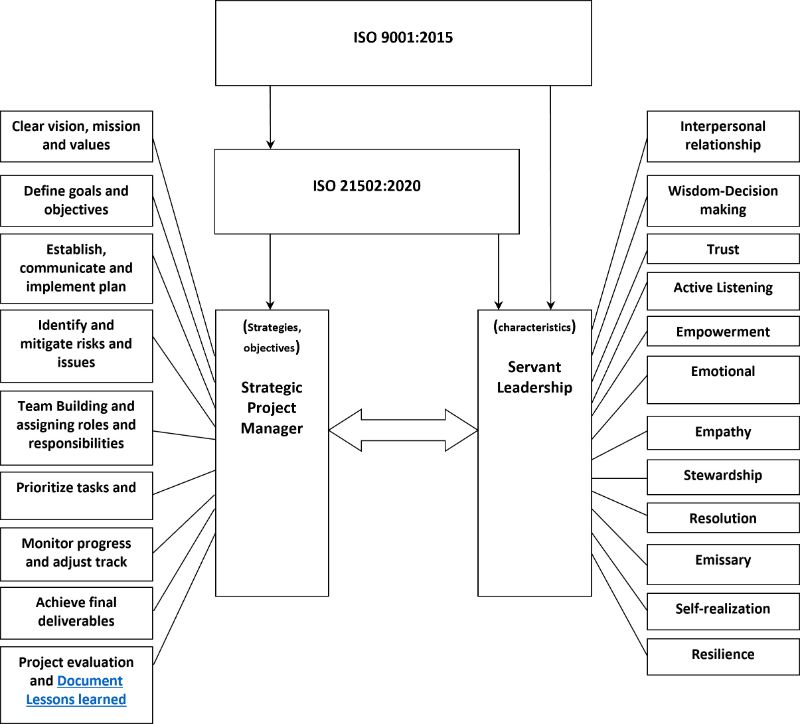
Figure 1: Theoretical Framework: Servant Leadership of Project Manager Model in PSUs
A Servant Leader as a Strategic Portfolio Project Manager satisfies all the above leadership qualities. In addition to the above, the leader should also have some more characteristics like Resolution, Self-realization, moderate action, Adaptability, Critical thinking, interpersonal relationships, and Wisdom to lead personnel more effectively and to support strategic alignment between personnel, project (or) program objectives, and organizational objectives for the future company’s benefits. Effectively handling high-pressure situations and criticism is essential. By cultivating self-awareness, adaptability, and optimism, you can foster a mindset prioritizing peace and harmony, leading to better outcomes in challenging circumstances.
Characteristics and Definitions of Servant Leadership in Strategic Project Management:
Table 1: Characteristic Definitions of Servant Leadership in Strategic Project Management
|
|
Characteristics |
Definitions (abilities to) |
|
1 |
Empathy |
Explore things from another person's viewpoint with an open mind and solid reasoning. |
|
2 |
Active Listening |
Discernment to understand perspective deeply through communication. |
|
3 |
Stewardship |
Embrace the responsibility to decisively guide and lead people and organizations in trust for the greater good. |
|
4 |
Emotional Intelligence |
Appraisal, expression, and regulation of emotions in self and others (J.D. Mayer and Salovey, 1997) |
|
5 |
Resolution |
Address followers’ problems and implement the best solutions efficiently for their development; conflict resolution. |
|
6 |
Self-Realization |
Understanding our strengths and weaknesses can enhance our ability to serve others effectively. |
|
7 |
Inter-Personnel Relationships |
Communication, problem-solving, influence, recognition, motivation, collaboration, quality teamwork, openminded, inspiration for a common goal, |
|
8 |
Wisdom Decision-making |
Document all trustworthy strategies, decisions, and actions, fostering a culture of transparency and accountability to eliminate any regrets down the line. |
|
9 |
Trust |
Emphasizing reciprocal sharing, ensuring accessibility, promoting transparency, fostering accountability, and enhancing the development of people’s skills to drive success. |
|
10 |
Empowerment |
Authorise responsibilities and expect accountability |
|
11 |
Emissary |
Negotiate with high communication & soft skills, messenger, influence, and represent to gather information, opinions, or feedback to make sound decisions. |
|
12 |
Resilience |
Handling high-pressure situations, risks, and criticism effectively, cultivating self-awareness, adaptability, optimism, peace & harmony mindset in challenging environments. |
This study makes a valuable contribution to enhancing operational performance through continuous improvement, particularly in the context of the relationship between ISO 9001:2015 and ISO 21502:2020 for Indian Manufacturing Public Sectors. Our analysis indicates that implementing ISO 21502:2020 within Indian Manufacturing PSUs is essential for improving project performance, which ultimately drives organizational growth. By embracing Strategic Project Management and Servant Leadership, we highlight the importance of embodying the characteristics of effective project managers, as illustrated in Figure 41. Servant leaders must focus on selflessness and thoughtfulness, prioritizing both organizational goals and the development of their team members. This approach to leadership helps ensure that projects are completed successfully, guided by timely decisions made by the right individuals in the right contexts. The benefits of integrating servant leadership into project management within an organization are truly significant and can lead to transformative outcomes for all involved. Let’s explore these advantages together:
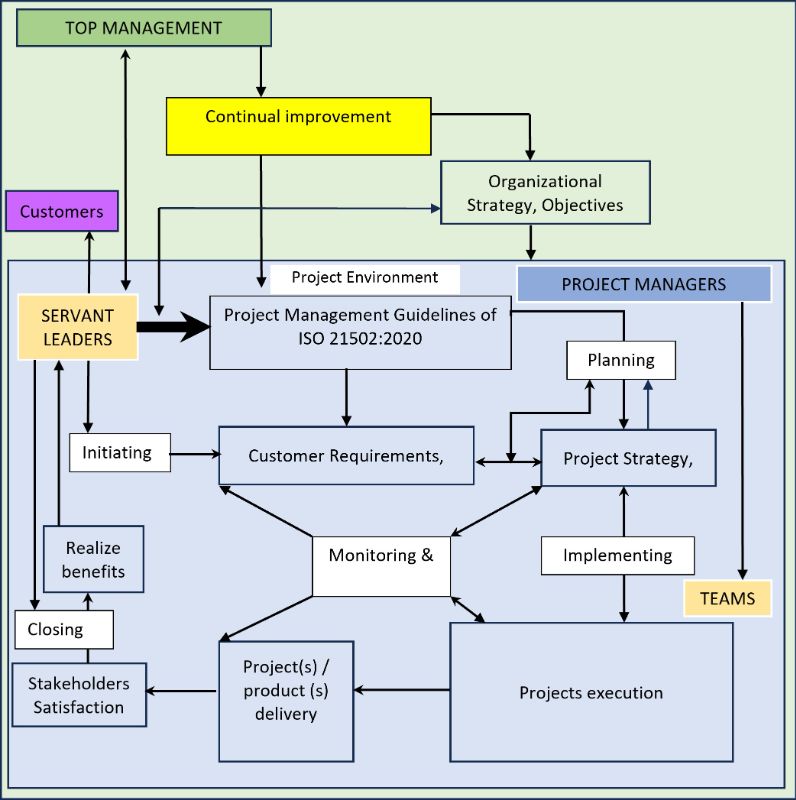
Figure 2: Implementation of Practice approach of ISO 21502:2020 model
How do we avoid project failures in the Indian manufacturing PSUs?
Understanding the correct project requirements early in the process is crucial to reducing the risk of project failures. Rather than jumping directly into product or service development, a clear understanding of the project's scope is essential for successful commitment and execution.
Applying and adhering to effective project management techniques is essential while continuously monitoring project activities. Best project management practices include identifying requirements, gathering stakeholder needs, and establishing a clear set of goals and objectives, along with a project vision.
When all stakeholders recognize and comprehend the project's objectives and goals, it becomes easier to engage team members collaboratively, minimizing conflicts and enhancing the likelihood of project success.
One of the most challenging tasks for a project manager is balancing multiple competing constraints. In any project, various interconnected constraints must be considered, including cost, scope, time, quality, risk, and resources.
Strategic project managers genuinely understand the importance of communication, dedicating around 90% of their time to engaging with stakeholders. Both servant leaders and strategic project managers collaborate effectively with their teams and stakeholders, driving toward shared objectives. Successful servant leadership in this context beautifully balances technical, interpersonal, and conceptual skills, empowering leaders to analyze situations and connect with others genuinely.
To safeguard against project failures, it is vital to weave identified risks into the project's scope, schedule, quality, and budget. By embracing a proactive risk management approach, we pave the way for successful project execution, regardless of the industry. Here are some key practices to foster project success:
By committing to these strategies, we can enhance our project outcomes and foster a culture of collaboration and continuous improvement.
Servant leadership plays a vital role in effectively managing strategic projects within the public sector of Indian manufacturing. This leadership approach prioritizes the needs of team members, encouraging them to take initiative and contribute meaningfully to the project's success. By cultivating an environment of trust and collaboration, organizations empower their employees and create a culture that values teamwork and open communication.
Incorporating servant leadership into project management strategies can significantly improve project outcomes. When team members feel supported and valued, their motivation and commitment increase, which can result in higher efficiency and innovation. This approach is critical in the public sector, where project complexities often require diverse perspectives and collective problem-solving.
Furthermore, organizations adopting servant leadership are better positioned to drive sustainable growth. By aligning project goals with the broader mission of social responsibility and community engagement, manufacturing sectors can ensure that their initiatives benefit their business objectives and the local communities they serve. Ultimately, embracing servant leadership in strategic project management is essential for achieving long-term success and resilience in Indian manufacturing public sectors.
Implementing strategic project management and the principles of servant leadership by adopting ISO 21502:2020 significantly contributes to the development of personnel and the overall growth of businesses within the Indian manufacturing public sector. By integrating these frameworks, organizations can enhance their operational efficiency, foster a collaborative work environment, and empower employees to take ownership of their roles. This approach leads to improved productivity and cultivates a culture of continuous improvement and innovation, which are essential for sustaining competitive advantage in the rapidly evolving manufacturing landscape.
|
|
Potential benefits of implementing ISO 21502:2020 |
|
|
|
1 |
Reduce project costs and increase revenue |
|
|
|
2 |
Better planning, monitoring, and controlling for project success |
|
|
|
3 |
Better communication and team collaboration |
|
|
|
4 |
Optimize the use of resources and maximize the value creation |
|
|
|
5 |
Knowledge transfer through lessons learned framework |
|
|
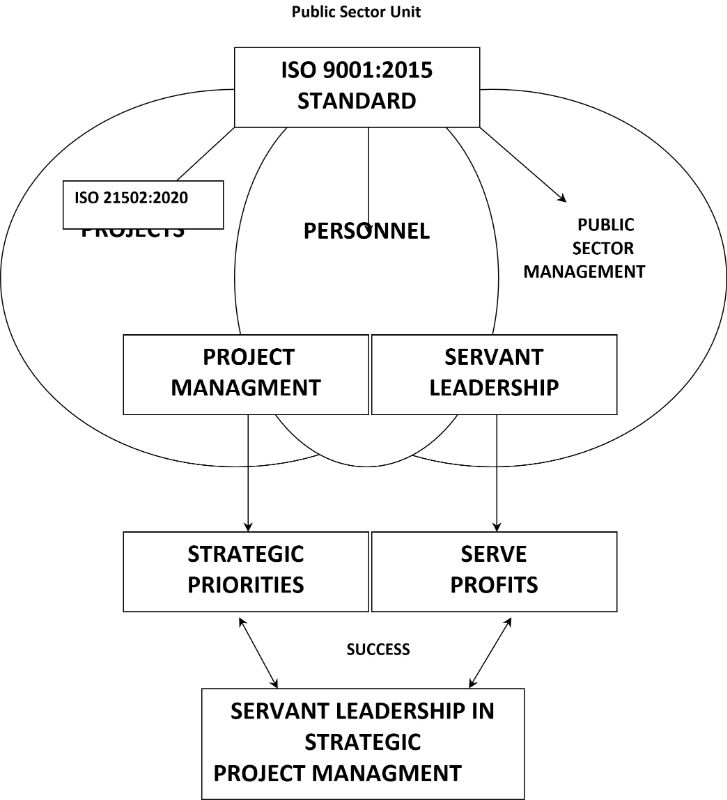
Figure 3: Structural Model for Practicing Servant Leadership in Strategic Project Management Impacted by ISO 9001:2015 aligns with ISO 21502:2020
5.0 Findings and Discussions
In this research study, the researcher seeks to contribute to the literature by empirically examining the impact of Strategic Project Management and Servant Leadership practices through ISO 21502:2020 aligned with ISO 9001:2015 in Indian Manufacturing PSU.
The researcher gathered 412 responses from different PSU sectors using Google Forms. Next, they analyzed the data using the powerful tools in MS Excel spreadsheets. The analysis included meticulous data preparation and comprehensive descriptive statistics to analyze the data, all of which are presented in the research to conclude.
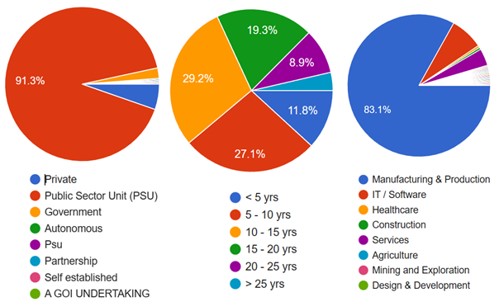
Figure 4: Participation of Project Managers from various PSUs
Figure 4 shows that 381 (91.3%) were from Project Managers/Senior Project Executives working in eleven different PSUs, such as manufacturing and production, petrochemical and natural gas, and services. 22 (5.4%) responses were from Project Managers/Senior Project Executives in the Private sector, 6 (2.2%) were from the Government sector, and 3 (1.1%) were from the other sector (entrepreneurs). 344 (83.1%) of our participants have been working in Manufacturing and production, 31 (7.5%) have been working in IT/Software, 16 (3.9%) have been working in Services, and 21 (5.04%) have been working in Other sectors.
Table 2 shows the participation of a total of 412 respondents. Lower-level managers are 115 (27.9%), out of which 37 are men and 48 are women. Middle-level and senior-level managers are 257 (62.3%), out of which 143 are men and 114 are women. Top-level managers are 37 (8.9%), out of which 34 are men and 3 are women. Director-level managers are 3 (0.7%); 2 are men and 1 are women.
Table 2: Demographic Characteristics of the Participants
|
No. of Participant’s & Designation |
Lower-Level: 115 (27.9%) |
Middle-Level: 257 (62.3%) |
Top-Level: 37 (8.9%) |
Director-level: 03 (0.7%) |
||||
|
Years of Experience |
Men |
Women |
Men |
Women |
Men |
Women |
Men |
Women |
|
Total Participants 412 includes PSUs, Government, Private, and Others. |
||||||||
|
< 5 years (08) (1.9%) |
3 |
5 |
0 |
0 |
0 |
0 |
0 |
0 |
|
5 – 10 years(38)(9.2%) |
17 |
18 |
1 |
2 |
0 |
0 |
0 |
0 |
|
10 – 20 years (210)(51%) |
42 |
23 |
81 |
61 |
3 |
0 |
0 |
0 |
|
20 – 30 years (101)(24.6%) |
3 |
1 |
51 |
38 |
5 |
2 |
0 |
1 |
|
30 – 40 years (52)(12.6%) |
2 |
1 |
10 |
13 |
25 |
1 |
0 |
0 |
|
> 40 years (3)(0.7%) |
0 |
0 |
0 |
0 |
1 |
0 |
2 |
0 |
|
|
|
|
|
|
|
|
|
|
|
TOTAL Participants (412) |
67 |
48 |
143 |
114 |
34 |
3 |
2 |
1 |
|
|
|
|
|
|
|
|
|
|
|
Responses 381 includes eleven PSUs |
||||||||
|
Years of Experience Vs. No. of Participants |
Lower-Level: 107 (28%) |
Middle-Level: 243 (63.7%) |
Top-Level: 28 (7.3%) |
Director-level: 03 (0.7%) |
||||
|
< 5 years (06) |
2 |
4 |
0 |
0 |
0 |
0 |
0 |
0 |
|
5 – 10 years (37) |
17 |
18 |
1 |
1 |
0 |
0 |
0 |
0 |
|
10 – 20 years (197) |
38 |
22 |
77 |
60 |
0 |
0 |
0 |
0 |
|
20 – 30 years (89) |
3 |
1 |
44 |
38 |
1 |
1 |
0 |
1 |
|
30 – 40 years (49) |
1 |
1 |
9 |
13 |
24 |
1 |
0 |
0 |
|
> 40 years (03) |
0 |
0 |
0 |
0 |
1 |
0 |
2 |
0 |
|
|
|
|
|
|
|
|
|
|
|
TOTAL eleven PSU Participants (381) |
61 |
46 |
131 |
112 |
26 |
2 |
2 |
1 |
|
|
|
|
|
|
|
|
|
|
|
Responses 357 include one PSU (EC) for the case study. |
||||||||
|
Years of Experience Vs. No. of Participants |
Lower-Level: 105 (29.4%) |
Middle-Level: 224 (62.7%) |
Top-Level: 26 (7.3%) |
Director-level: 02 (0.5%) |
||||
|
< 5 years (06) |
2 |
4 |
0 |
0 |
0 |
0 |
0 |
0 |
|
5 – 10 years (36) |
16 |
18 |
1 |
1 |
0 |
0 |
0 |
0 |
|
10 – 20 years (184) |
37 |
22 |
66 |
59 |
0 |
0 |
0 |
0 |
|
20 – 30 years (82) |
3 |
1 |
40 |
36 |
1 |
1 |
0 |
0 |
|
30 – 40 years (46) |
1 |
1 |
8 |
13 |
22 |
1 |
0 |
0 |
|
> 40 years (03) |
0 |
0 |
0 |
0 |
1 |
0 |
2 |
0 |
|
|
|
|
|
|
|
|
|
|
|
TOTAL one PSU (EC) Participants (357) |
59 |
46 |
115 |
109 |
24 |
2 |
2 |
0 |
5.1 Data Analysis of Firm Characteristics
Reasons for project failures:
Still, projects are failing due to a lack of practicing Project Management Standards and techniques 199 (52.9%), a Lack of Project environment 108 (28.5%), and a lack of leadership techniques 36 (9.4%), and other reasons are 38 (9.92%). To achieve project success, project managers and leaders need to master both project management 356 (86%) and leadership skills (282 (68.1%). These combined abilities are the key to driving projects towards successful outcomes.
Table 3: Data graphs for reasons for project failures
|
|
|
n |
% |
|
Lack of practicing Project Management Standards |
|
199 |
52.9% |
|
Lack of Project environment |
|
108 |
28.5% |
|
Lack of leadership techniques |
|
36 |
9.4% |
|
Other reasons |
|
38 |
9.92% |
|
N=381; Z-score=1.96 |
|
|
|
Understanding the importance of Project management and leadership impacted by ISO International Standard
ISO 9001:2015 plays a vital role in manufacturing organizations, ensuring quality processes, products, and services and achieving customer satisfaction. Currently, PSUS is not adequately practicing ISO 9001:2015 for measuring Project progress and performance evaluation.
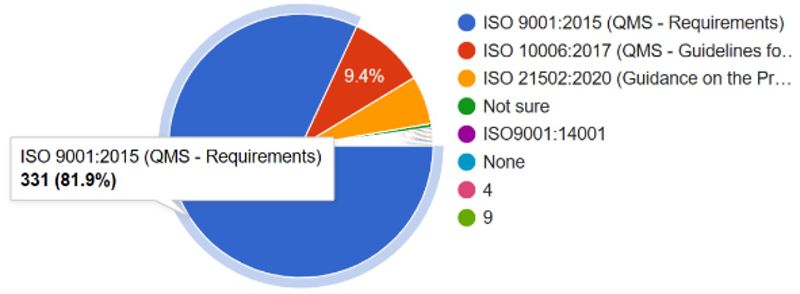
Figure 5: Practicing of ISO 9001:2015 standard to measure project performance status
According to the research survey results & Figure 5 shows that 331 (81.9%) out of 412 participants followed the ISO 9001:2015 standard instead of dedicated Project management standards to measure project progress and performance evaluation. This is simply because there is a lack of awareness of the need to adopt project management standards/guidelines. Top management decisions must create awareness and significance of practicing project management standards for the organization.
Table 4 shows that ISO 9001:2015 does not cover the concepts and practices for project management essential for project-based organizations. ISO 9001:2015 specifies only Requirements for Quality Management Systems. Practitioners can measure operational performance to ensure the quality of products and services and achieve customer satisfaction. Hence, it is necessary to adopt separate new International Project Management standards for practicing and improving the project-level performance effectively and efficiently. According to the research survey results, 149 (36%) out of 412 participants highly agreed that the ISO 9001:2015 standard does not cover the concepts and practices for project management, which is essential for project-based organizations.
International project management standards are essential to measuring and improving project progress and performance in manufacturing and operational PSUs. According to the research survey results, Figure 6 shows that 182 (44%) out of 412 participants highly agreed that adopting separate project management standards to measure project progress and performance evaluation immensely increases project success rates.
Table 4: Combination of Project Management and Leadership with ISO
|
|
ISO 9001:2015 |
ISO 21502:2020 |
||
|
Project Management |
F |
% |
F |
% |
|
149 |
36% |
182 |
44% |
|
|
Not covered |
Required to adopt |
|||
|
Leadership |
174 |
42% |
174 |
42% |
|
Covered under Clause No. (5) |
Covered under Clause No. (5) |
|||
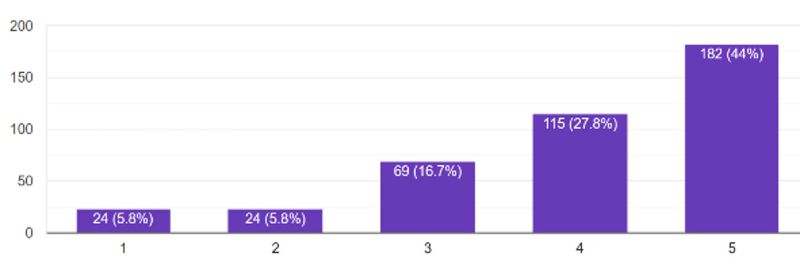
Figure 6: Adoption of ISO 21502:2020 standard
ISO 9001:2015 influences the leadership mentioned in its ISO standard under clause no. (5). According to the research survey results, 174 (42%) out of 412 participants highly agreed both leadership in project management influences the quality of project success in the manufacturing public sector.
Top management Review:
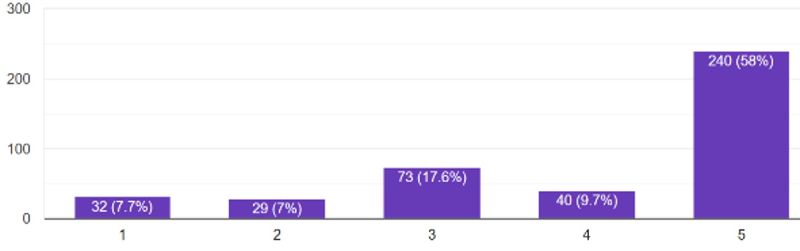
Figure 7: Top management review status
According to the research survey results, 240 (58%) out of 412 participants, is a highly agreed monthly review of the project management plan by top management in the manufacturing public sector as per Figure 7.
Team Review:
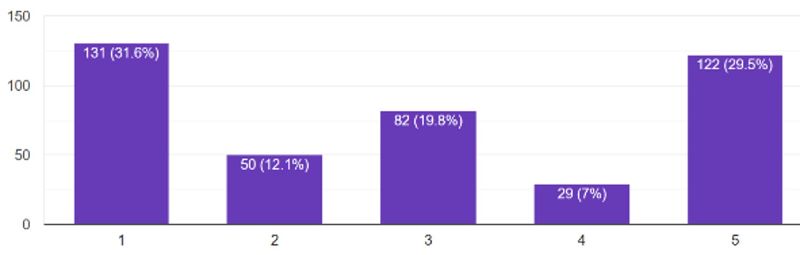
Figure 8: Team review status
According to the research survey results, 131 (31.6%) agreed that a daily review of the project management plan by the project in-charge in the organization. 122 (29.5%), stated that the Project in-charge reviews the team & project progress weekly in the organization as per Figure 30. The daily review helps to know the progress of the project and the team's performance toward achieving the target goals.
5.2 Research Finding
Best Leadership Style for Strategic Project Management:
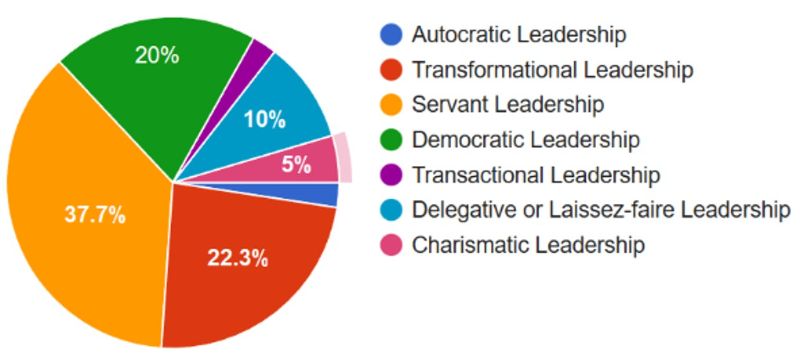
Figure 9: Best leadership style for strategic project management
Table 5: Best leadership style for strategic project management
|
|
Rank |
n |
% |
|
Servant Leadership |
1 |
144 |
37.7% |
|
Transformational Leadership |
2 |
85 |
22.3% |
|
Democratic Leadership |
3 |
79 |
20% |
|
Delegative (or) Laissez-faire leadership |
4 |
38 |
10% |
|
Charismatic Leadership |
5 |
19 |
5% |
|
Transactional Leadership |
6 |
9 |
2.4% |
|
Autocratic Leadership |
7 |
7 |
1.8% |
|
N=381; Z-score=1.96 |
|
|
|
Servant Leadership is a unique approach that enhances team and organizational performance through moral and ethical service. This leadership style addresses root problems, offering effective solutions and guidance. Servant leaders appreciate team efforts, foster teamwork, and cultivate a culture of service for both the organization and its customers. Research indicates that 37.7% of respondents view servant leadership as highly suitable for strategic project management, followed by transformational leadership at 22.3%. Both styles effectively visualize and tackle problems from various perspectives, adapting to situations for the benefit of personnel and the organization. Servant leaders create future leaders by empowering and engaging their teams, developing essential MESPI (Mental, Emotional, Spiritual, Physical, and Intellectual) skills. They work closely with their teams, focusing on practical solutions (Sri Lakshmi Peyyala, 2022).
Servant Leadership in strategic project management:
According to the study, 205 out of 412 participants (49.5%) believe that servant leadership is very suitable for middle-level management in strategic project management. It effectively bridges low and top-level management, embodying the belief that serving the team and organization well also benefits the customer.
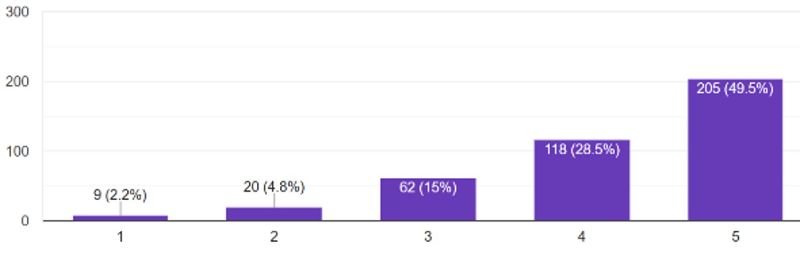
Figure 10: Servant leadership in strategic project management
Servant leaders in strategic project management have a unique ability to enhance team communication and collaboration, utilizing higher emotional intelligence to create a healthier work environment.
Implementation of Project Management practices through ISO 21502:2020 standard:
Implementing Project Management practices through ISO 21502:2020 standard influences project performance in Indian manufacturing PSUs. Adopting ISO 21502:2020 can lead to better planning to make business decisions in prioritizing tasks, mitigating tasks for projects, and improving project performance levels. Practicing ISO 21502:2020 establishes a project environment for better stakeholder communication and results in customer satisfaction, improving the organization's reputation. This standard helps organizations to practice better process quality to optimize the use of resources, maximize the value creation, and achieve intended outcomes. The following are the potential benefits of implementing the ISO 21502:2020 standard in project-oriented organizations as per Figures 10 & 11 and Table 6:
Table 6: Potential benefits of implementing ISO21052:2020 standards
|
|
|
n |
% |
|
Role of change catalyst in adopting PM practices |
|
202 |
48.8% |
|
Reduce project costs & increase revenue. |
|
167 |
40.3% |
|
Better planning, monitoring & controlling for project success |
|
168 |
40.6% |
|
Better communication & team collaboration |
|
180 |
43.5% |
|
Optimize the use of resources & maximize the value creation. |
|
175 |
42.3% |
|
Knowledge transfer through lessons learned framework |
|
175 |
42.3% |
|
Recommend of implementation ISO 21502:2020 in PSUs * |
|
191 |
50.0% |
|
N=412; Z-score=1.96 * N (PSUs)=381 |
|
|
|
According to the research, 201 participants (48.6%) out of 412 recommend implementing the ISO 21502:2020 standard for project management in PSUs. The researchers raised awareness of its benefits, leading to increased interest among participants in learning about the standard.
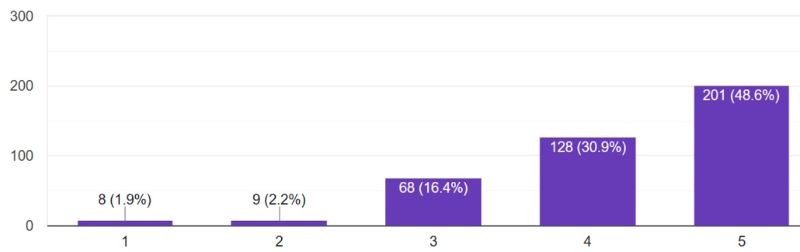
Figure 11: Recommendation status of implementing ISO 21502:2020 standards
Recommend implementation of ISO 21502:2020 to practice in PSUs:
Implementing ISO 21502:2020 in public sector undertakings (PSUs) is crucial for achieving operational excellence and enhancing project management practices. By embracing servant leadership guided by ISO 21502:2020, we can uplift team members and foster collaboration, leading to improved project outcomes and sustainable growth in India's public manufacturing sector.
ISO 21502:2020 highlights essential prerequisites for establishing an effective project management environment. It is exciting to see that formal project management can be approached through projects, programs, or portfolios. We must evaluate how these initiatives align with our strategic objectives and prepare our teams with the right resources. Top management must lead the way in promoting a culture of continuous improvement, ensuring the relevance and effectiveness of practices while inspiring innovation across the organization. By regularly assessing progress and refining our processes, we can enhance our collective success.
Our research shows that 201 out of 412 participants—48.6%—strongly support adopting the ISO 21502:2020 standard for project management in PSUs. This enthusiasm highlights the potential benefits of the standard in enabling organizations to implement collaborative project control practices, which are vital for successful project delivery. Together, we can promote a culture of excellence.
Top of Form
Bottom of Form
3.5 Research Design Limitations
This research highlights that implementing ISO 21502:2020 for Strategic Project Management and Servant Leadership can reveal potential limitations, making it beneficial for top management. It emphasizes the need for further exploration of the Psychology of Servant Leadership and Trait Theory in this context. The study's limitations include its focus on one public sector unit (PSU) and a small sample from other manufacturing PSUs in India.
Future research could extend to various sectors such as construction, IT, agriculture, healthcare, and finance, both in India and internationally. Additionally, investigating the personality traits, team behaviors, and commitments of project teams could significantly influence project success. The impact of leaders' characteristics—such as gender, education, and experience—on organizational performance warrants further exploration. Combining transformational and servant leadership approaches in strategic project management through mixed methods could also provide valuable insights for personnel and organizations.
6.3 Recommendations for Future Research
This research emphasizes the benefits of implementing ISO 21502:2020 in Strategic Project Management and Servant Leadership, revealing potential challenges and aiding informed decision-making for top management. While promising, our findings highlight the need for deeper exploration into the Psychology of Servant Leadership and Trait Theory in this context.
Our study's limitations include focusing on a single PSU case and a limited sample size from other manufacturing PSUs in India, leading to a call for broader research across various sectors, including construction, IT, agriculture, education, healthcare, and finance.
Despite these gaps, the intersection of servant leadership and strategic project management offers untapped potential, particularly regarding ISO 9001:2015 and ISO 21502:2020. This study paves the way for future investigations into project team dynamics, personality traits, and how these factors influence project success across different demographics. I recommend exploring the synergy of transformational and servant leadership through mixed methods and examining specific qualities of servant leadership that enhance project management effectiveness. Exploring SMART leadership skills—Strategic, Mentor, Appreciative, Risk Manager, and Teamwork—could significantly benefit project managers and their teams.
3.6 Conclusion
Servant leadership encompasses intelligence, trustworthiness, humaneness, courage, and discipline. Relying on any single virtue can lead to negative outcomes, but when all five are balanced, effective service and leadership can occur. Implementing ISO 21502:2020 in conjunction with ISO 9001:2015 for Strategic Project Management and Servant Leadership is beneficial for top management, particularly in Indian Manufacturing Public Sector Units (PSUs). The manufacturing process involves critical quality procedures, necessitating additional Servant Leadership skills such as empathy, active listening, stewardship, emotional intelligence, resolution, self-realization, interpersonal relationships, wise decision-making, trust, empowerment, emissary skills, and resilience.
This study highlights the importance of improving operational performance through the relationship between ISO 9001:2015 and ISO 21502:2020 in Indian Manufacturing Public Sectors. Our analysis shows that implementing ISO 21502:2020 is essential for enhancing project performance and fostering organizational growth. Emphasizing Strategic Project Management and Servant Leadership emphasizes that servant leaders should act selflessly and focus on achieving organizational goals while developing their team.
The exploration of servant leadership in project management presents valuable opportunities for growth, particularly in building essential skills for managing cohesive teams across multiple projects. Clarifying the roles of servant leadership among strategic project managers is crucial for minimizing project failures. In Indian manufacturing public sectors, the servant leader's role is particularly challenging, requiring effective management of both personnel and projects.
A strategic project manager can effectively navigate challenges and ensure successful project management by applying best practices such as:
1. Developing and regularly reviewing a concrete project plan
2. Setting clear, realistic goals using SMART criteria
3. Conducting effective risk management
4. Budgeting and allocating resources
5. Utilizing project management tools (WBS, GANTT charts, scheduling models, cost management)
6. Demonstrating strong leadership skills
7. Communicating progress effectively
8. Automating tasks to enhance productivity
9. Training personnel to meet project objectives
The study reveals that combining Servant Leadership with Strategic Project Management offers significant benefits, enhancing project success and team satisfaction. Effective leadership requires a balance of intelligence, trust, compassion, courage, and discipline. By fostering these qualities, we can create a dynamic organizational culture.
Implementing ISO 21502:2020 along with ISO 9001:2015 for Strategic Project Management and Servant Leadership is a wise strategy for top management, particularly in Indian Manufacturing Public Sector Units (PSUs) where quality processes are critical. This approach necessitates twelve Servant Leadership skills: Empathy, Active Listening, Stewardship, Emotional Intelligence, Resolution, Self-Realization, Interpersonal Relationships, Wise Decision-Making, Trust, Empowerment, Emissary, and Resilience. The integration of Transformational Leadership and Strategic Project Management is crucial for ensuring project success, as emphasized by senior executives.
Embracing ISO 21502:2020 project management standards presents a significant opportunity for Indian manufacturing PSUs. By focusing on strategic methodologies, these standards enhance project success while aligning with broader business objectives. Key benefits include lower costs, increased revenue, and improved adherence to budgets, schedules, and quality. This not only provides a competitive edge but also strengthens the company’s reputation and enhances management systems.
To achieve this, PSUs should:
1. Create a project charter document.
2. Establish a planning horizon.
3. Host a project kick-off meeting.
4. Monitor warning signs.
5. Secure sponsor approval for scope changes.
6. Guard against scope creep.
7. Identify and track risks.
8. Distinguish between risks and issues.
9. Conduct a project post-mortem meeting.
10. Perform internal audits to assess performance.
Training for the project team is essential to navigate challenges confidently, making the benefits of ISO 21502:2020 a reality and fostering sustainable business growth.



Open Access By Aditum Open Access Journals id licensed under Creative Commons Attribution 4.0 International License. Based On a Work at aditum.org


