
International Journal of Business Research and Management
OPEN ACCESS | Volume 4 - Issue 3 - 2026
ISSN No: 3065-6753 | Journal DOI: 10.61148/3065-6753/IJBRM


Attia Hussien Gomaa
Professor, Mechanical Engineering Department, Faculty of Engineering. Shubra, Benha University, Cairo, Egypt.
*Corresponding Author: Attia Hussien Gomaa, Professor, Mechanical Engineering Department, Faculty of Engineering. Shubra, Benha University, Cairo, Egypt.
Received Date: July 20, 2026 | Accepted Date: July 31, 2026 | Published Date: August 04, 2026
Citation: Attia H Gomaa., (2026). “Artificial Intelligence in Project Risk Management (AI-PRM): A Systematic Literature Review, Research Gap Analysis, and Future Directions”. International Journal of Business Research and Management 5(1); DOI: 10.61148/3065-6753/IJBRM/093.
Copyright: © 2026. Attia Hussien Gomaa, Alejandro. This is an open access article distributed under the Creative Commons Attribution License, which permits unrestricted use, distribution, and reproduction in any medium, provided the original work is properly cited.
Artificial Intelligence (AI) is transforming project risk management by enabling predictive, data-driven, and adaptive approaches to risk identification, assessment, monitoring, and decision-making. However, despite rapid advances in AI applications, research on Artificial Intelligence-driven Project Risk Management (AI-PRM) remains fragmented across technological approaches, project contexts, and risk management processes, resulting in limited theoretical integration and insufficient understanding of its practical implementation challenges.
This study conducts a systematic literature review to examine the evolution, current state, and future trajectory of AI-PRM research. Following a rigorous and transparent review protocol, peer-reviewed studies published between 2011 and 2026 were systematically identified, screened, analyzed, and synthesized to investigate AI technologies, application domains, methodological approaches, and emerging research themes. The findings reveal that existing AI-PRM research has primarily focused on risk prediction, automated identification, monitoring, and decision support, yet remains predominantly technology-centric and characterized by isolated applications rather than integrated risk intelligence ecosystems. The review identifies critical research gaps related to data governance, explainability, interoperability, empirical validation, contextual adaptability, organizational readiness, human–AI collaboration, and responsible AI governance.
This study contributes to the emerging AI-PRM knowledge domain by developing a structured research agenda that calls for a transition from fragmented AI applications toward explainable, adaptive, and human-centered risk intelligence frameworks. Future research should focus on integrating AI capabilities with project management knowledge, digital infrastructures, lifecycle-oriented risk processes, and responsible governance mechanisms to enable trustworthy and scalable AI-enabled risk management practices. The findings provide theoretical insights and practical guidance for researchers, project professionals, and organizations seeking to leverage AI for proactive risk management and enhanced project resilience in increasingly complex environments.
Artificial intelligence (AI); AI-driven project risk management; risk mitigation; decision support system; Intelligent Decision Support; Machine Learning; Predictive Analytics; digital transformation; Industry 4.0; Industry 5.0
1. Introduction
Project risk management (PRM) has become a strategic capability for organizations operating in increasingly complex, uncertain, and dynamic project environments. In project management, risk is defined as an uncertain event or condition that may positively or negatively influence the achievement of project objectives. Effective PRM enables organizations to systematically identify, analyze, evaluate, treat, and monitor uncertainties throughout the project lifecycle, thereby improving decision quality, reducing potential disruptions, and strengthening project resilience. However, the increasing complexity of contemporary projects, characterized by technological disruption, interconnected activities, globalized supply networks, and growing performance expectations, has challenged the effectiveness of traditional reactive approaches that primarily respond to risks after their occurrence. Consequently, organizations are increasingly moving toward proactive, predictive, and data-driven risk management approaches to enhance project adaptability and decision-making capability (Adekunle et al., 2023; Elseknidy et al., 2025; Abaneme et al., 2025).
PRM represents an iterative and structured process through which organizations manage uncertainty and improve their ability to achieve project objectives. A project risk is defined as an uncertain event or condition that, if it occurs, may positively or negatively affect one or more project objectives (George, 2020). Beyond its operational function, PRM constitutes an essential element of project governance by supporting informed decision-making, improving uncertainty visibility, enabling timely intervention, and strengthening organizational capability to respond to emerging challenges (Ayeni, 2025; Gao et al., 2026).
Although project success has evolved from a narrow focus on the traditional iron triangle of cost, schedule, and quality toward a multidimensional concept incorporating strategic value, stakeholder satisfaction, organizational benefits, and sustainability outcomes, deviations from planned cost, schedule, and quality objectives remain among the most commonly adopted indicators of project failure (Abas et al., 2022; Kallow et al., 2023; Gomaa, 2024). Therefore, effective PRM is widely recognized as a critical organizational capability for reducing uncertainty, improving project performance, and increasing the likelihood of successful project delivery. This importance becomes particularly evident in large-scale and complex projects, where inadequate risk management can result in significant delays, cost escalation, performance degradation, and reduced organizational resilience (Sanni-Anibire et al., 2020).
Project risks originate from multiple sources and interact dynamically throughout the project lifecycle. From a strategic perspective, risks emerge from external uncertainties, including market volatility, technological disruption, geopolitical changes, and regulatory developments that may influence organizational objectives and competitive positioning (Khan, 2022; Rankovic et al., 2024). Operational risks arise from internal weaknesses associated with processes, resources, technologies, and human capabilities, with human-related factors representing one of the most influential contributors to project vulnerability and execution failure (Mammadova & Agayev, 2025). Institutional risks are associated with weaknesses in governance structures, management systems, organizational policies, and regulatory mechanisms that influence accountability, compliance, decision quality, and resilience (Zhao et al., 2025). Although these categories represent different dimensions of uncertainty, they are highly interdependent, requiring integrated and adaptive approaches capable of addressing complex risk interactions.
1.1 Traditional Project Risk Management
Historically, PRM has relied on established analytical techniques and expert-driven approaches to identify, assess, and mitigate project uncertainties. Conventional methods, including expert judgment, deterministic models, sensitivity analysis, scenario analysis, and Monte Carlo simulation, have provided valuable foundations for evaluating risk exposure, estimating potential impacts, prioritizing mitigation strategies, and supporting project planning and control (Willumsen et al., 2024). These approaches have contributed significantly to improving the systematic management of uncertainty by transforming qualitative and quantitative risk information into structured decision-support mechanisms.
At the organizational level, internationally recognized frameworks, including the PMBOK® Guide (Project Management Institute, PMI, 2021) and ISO 31000:2018, have established comprehensive principles and processes for risk identification, assessment, evaluation, treatment, communication, and monitoring. These frameworks have played a central role in institutionalizing PRM practices across different industries and project contexts. However, their practical implementation remains strongly dependent on knowledge-based techniques, including expert judgment, brainstorming, Delphi methods, SWOT analysis, historical experience, and predefined risk registers, which continue to dominate contemporary risk identification and response practices (Ullah et al., 2024).
Despite their contribution, traditional PRM approaches face increasing challenges in managing the complexity, uncertainty, and rapid change characteristics of modern projects. One major limitation is their dependence on expert knowledge, which may introduce cognitive biases, subjective interpretations, inconsistent evaluations, and variations in risk assessment outcomes (Ziaie et al., 2024). Although expert-based approaches remain valuable, their effectiveness is constrained when dealing with large-scale, interconnected, and rapidly evolving project environments where risks emerge from complex interactions among multiple factors.
Furthermore, conventional risk registers are often static representations of uncertainty and provide limited capability for continuous risk monitoring and real-time assessment. As project conditions change during execution, previously identified risks may evolve, disappear, or interact with emerging risks, reducing the effectiveness of periodic assessment approaches (Rani et al., 2024). This limitation becomes increasingly significant in contemporary projects that generate extensive volumes of structured and unstructured data from multiple sources, including project documentation, communication records, operational systems, and digital platforms.
The exponential growth in the volume, velocity, and variety of project data has further exceeded the analytical capabilities of traditional PRM practices. Conventional approaches often struggle to identify hidden patterns, detect early warning signals, and analyze complex relationships among risk factors, resulting in delayed responses and suboptimal decision-making (Nabeel, 2024). Consequently, project organizations require more advanced approaches capable of processing heterogeneous data, learning from historical experiences, predicting future uncertainties, and supporting proactive risk interventions.
Modern project environments are increasingly characterized by dynamic uncertainty, nonlinear risk relationships, and cascading effects across technical, organizational, environmental, and supply-chain domains. Under these conditions, traditional PRM approaches often lack the predictive intelligence, analytical flexibility, and real-time decision-support capabilities necessary to anticipate emerging risks and evaluate their potential consequences. These limitations highlight the need for a transition from reactive risk management toward intelligent risk management approaches capable of generating continuous, data-driven risk intelligence (Diao, 2024; Hriday et al., 2025; Sarkheyli-Hägele et al., 2025; Fesenko et al., 2026).
1.2 Artificial Intelligence Applications in Project Risk Management (AI-PRM)
The limitations of traditional project risk management, combined with the increasing availability of project-related digital data, have created a strong motivation for adopting artificial intelligence (AI) as an advanced capability for uncertainty management. AI represents a fundamental shift from conventional analytical approaches toward intelligent, adaptive, and predictive risk management by enabling organizations to process large-scale data, identify complex patterns, and generate actionable insights. Recent advances in machine learning (ML), deep learning (DL), natural language processing (NLP), computer vision, knowledge-based systems, and predictive analytics have significantly expanded the ability of organizations to identify, assess, predict, and monitor project risks with greater accuracy, speed, and scalability (Karamthulla et al., 2024; Joshi, 2024; Kalota et al., 2025).
The integration of AI into project management has introduced new opportunities for improving decision-making, optimizing resource utilization, enhancing project monitoring, and strengthening risk management capabilities. By combining advanced analytical techniques with automated data processing, AI-driven systems can transform fragmented project information into meaningful risk intelligence, enabling organizations to move from reactive risk response toward proactive risk anticipation. Through predictive analytics, intelligent automation, and continuous learning capabilities, AI supports more adaptive project governance and improves the ability of project teams to respond effectively to uncertainty (Hashimzai & Mohammadi, 2024; Shoushtari et al., 2024; Gomaa, 2025).
AI-driven project management systems enhance project visibility by enabling continuous monitoring, automated analysis, and dynamic reporting of project progress and key performance indicators. By providing timely access to accurate project information, these systems allow stakeholders to identify deviations, evaluate emerging conditions, and implement proactive interventions before risks escalate. Such capabilities improve project control and support evidence-based decision-making throughout the project lifecycle (Savio & Ali, 2023).
One of the most significant contributions of AI to PRM is its ability to support predictive risk identification and assessment. Unlike traditional approaches that primarily analyze known risks based on historical experience and expert judgment, AI-driven predictive models can learn from historical project data and identify hidden patterns associated with potential future risks. By estimating the probability, timing, and potential impact of risk events, AI models enable earlier intervention, proactive mitigation planning, and improved project performance outcomes (Aluthwala & Wickramarathne, 2024).
AI enhances project risk management by improving the accuracy and efficiency of risk identification, evaluation, and response planning through advanced data analytics and intelligent decision-support capabilities. These capabilities enable organizations to forecast potential cost deviations, schedule delays, and performance issues more reliably, thereby supporting more informed and proactive managerial decisions (Hashimzai & Mohammadi, 2024). Consequently, AI is increasingly viewed not merely as an automation technology but as a strategic capability that strengthens organizational risk intelligence.
Recent research emphasizes that AI-powered risk assessment tools and predictive analytics represent a transition toward intelligent project governance. By reducing uncertainty, improving risk assessment precision, and enabling continuous project monitoring, AI allows organizations to integrate risk intelligence throughout the project lifecycle rather than treating risk management as an isolated planning activity (Tanim & Ahmad, 2025). This transformation enables project teams to continuously update their understanding of risk conditions and adapt their responses according to evolving project circumstances.
Furthermore, AI provides significant analytical advantages through its ability to process large and heterogeneous datasets, identify complex relationships, and improve prediction accuracy using advanced computational methods. Yazdi et al. (2024) describe AI as a transformative enabler of modern risk management; however, they emphasize that successful adoption depends not only on technological availability but also on organizational readiness, governance capability, and the development of AI-related competencies. Therefore, the effective implementation of AI-PRM requires alignment between technological capabilities, organizational processes, and human expertise.
AI-driven predictive analytics has demonstrated considerable potential in identifying emerging project risks through the analysis of diverse data sources, including project performance records, communication logs, operational information, and historical project databases. By uncovering hidden patterns and forecasting potential threats, predictive models support proactive mitigation strategies, reduce project delays, minimize cost overruns, and improve overall project performance (Hossain et al., 2024). Similarly, the integration of predictive analytics with machine learning techniques enables early detection of project risks and schedule deviations through data-driven forecasting, allowing project teams to implement timely corrective actions and improve mitigation effectiveness (Nenni et al., 2025).
Machine learning and AI-based approaches are increasingly being applied to support managerial decision-making across multiple project management functions, including risk identification, forecasting, project management methodology selection, and resource allocation (Reznikov, 2025; Pal et al., 2023). By analyzing historical and real-time project data, AI systems can identify complex patterns, latent relationships, and emerging trends that may remain difficult to detect using conventional analytical techniques. Recent studies demonstrate that machine learning models can improve project cost and schedule forecasting by capturing nonlinear relationships within multidimensional datasets, thereby providing project managers with more reliable information for planning and early decision-making.
Natural Language Processing (NLP) has emerged as another important AI capability for project risk management, particularly because a significant proportion of project knowledge exists in unstructured textual formats. Project reports, contracts, meeting minutes, technical documents, and risk registers contain valuable information that is often difficult to analyze systematically using traditional approaches. NLP techniques enable the extraction, classification, and transformation of textual information into structured knowledge representations, supporting more comprehensive project planning, risk assessment, and decision analysis (Di Giuda et al., 2019).
Despite these advancements, existing AI applications in project management remain primarily concentrated on specific operational tasks, such as cost estimation, schedule prediction, resource optimization, and sentiment analysis, rather than providing integrated intelligence across the entire project risk management lifecycle (Shamim et al., 2025). This fragmentation limits the ability of organizations to fully exploit AI as a comprehensive risk management capability that connects risk identification, assessment, prediction, monitoring, and response planning within a unified framework.
Recent studies have increasingly applied predictive analytics and machine learning approaches for data-driven risk identification, demonstrating their ability to uncover latent risk patterns embedded within textual project records and historical datasets (Bauskar et al., 2024; Ferhati et al., 2025). However, existing research remains limited in developing comprehensive, context-aware, and scalable AI-PRM frameworks capable of integrating heterogeneous project data and adapting to different organizational and industry environments. As a result, the generalizability, interoperability, and practical deployment of AI-based risk management solutions remain insufficiently explored.
Although AI provides significant opportunities for advancing PRM, several challenges continue to constrain its widespread adoption. Data quality, availability, and interoperability remain among the most critical barriers because AI models require large, accurate, representative, and consistently structured datasets to generate reliable predictions. However, project environments frequently involve fragmented data sources, inconsistent data management practices, limited standardization, and difficulties in integrating structured and unstructured information. These challenges affect data completeness, reliability, and model performance, ultimately influencing the effectiveness of AI-driven risk assessment and decision-support systems.
Beyond technical challenges, successful AI-PRM adoption also requires addressing organizational, managerial, and governance-related issues. Questions related to model transparency, explainability, accountability, ethical use, human acceptance, and integration with existing project governance structures remain insufficiently addressed. Although AI can enhance analytical capability, project decisions often require contextual understanding, professional judgment, and stakeholder considerations that cannot be fully captured by algorithms alone. Therefore, future AI-PRM development requires a human-centered approach in which AI augments rather than replaces project management expertise.
Consequently, the future advancement of AI-driven project risk management depends on moving beyond isolated technological applications toward integrated, explainable, adaptive, and responsible risk intelligence ecosystems. Such ecosystems should combine AI capabilities with robust data governance, digital transformation technologies, organizational readiness, and human–AI collaboration mechanisms to support reliable decision-making throughout the project lifecycle.
1.3 Research Gaps, Objectives, and Contributions
Despite increasing research interest in artificial intelligence (AI)-enabled project risk management, the existing literature remains fragmented across project management, artificial intelligence, engineering management, and decision sciences. Previous studies have demonstrated the potential of AI techniques in enhancing risk identification, prediction, assessment, and monitoring; however, current research is predominantly focused on individual applications, specific algorithms, or isolated project contexts, limiting the development of integrated Artificial Intelligence-driven Project Risk Management (AI-PRM) frameworks.
Several key gaps remain. First, limited attention has been devoted to integrating AI capabilities across the complete project risk management lifecycle. Second, methodological differences in datasets, algorithms, evaluation metrics, and validation approaches restrict the comparability and generalizability of existing findings. Third, emerging research areas, including Explainable Artificial Intelligence (XAI), generative AI, digital twins, human–AI collaboration, and responsible AI governance, remain insufficiently investigated. Fourth, organizational and managerial factors, including data governance, AI readiness, professional competencies, and implementation strategies, require further examination to support sustainable AI adoption.
To address these gaps, this study conducts a systematic literature review to consolidate existing knowledge, analyze research developments, identify limitations, and establish future directions for AI-PRM. Specifically, this study aims to:
RO1: Synthesize existing knowledge on AI applications in project risk management.
RO2: Examine research trends, emerging themes, and technological developments in AI-PRM.
RO3: Analyze AI techniques applied across project risk management processes.
RO4: Identify technological, methodological, organizational, and governance challenges.
RO5: Develop a future research agenda for advancing AI-enabled project risk management.
Accordingly, this study addresses the following research questions:
RQ1: What is the current state of AI applications in project risk management?
RQ2: How has AI-PRM research evolved, and what trends define the field?
RQ3: Which AI techniques support different project risk management processes?
RQ4: What challenges constrain effective AI adoption in project risk management?
RQ5: What future directions can advance AI-PRM research and practice?
This study contributes by providing a systematic synthesis of the AI-PRM research landscape, identifying dominant technologies and methodological patterns, revealing critical gaps related to explainability, interoperability, data governance, organizational readiness, and human–AI collaboration, and proposing future research directions toward the development of trustworthy, adaptive, and scalable AI-driven project risk management systems.
The remainder of this paper is organized as follows. Section 2 presents the research methodology adopted for the systematic literature review. Section 3 discusses the findings, including the evolution of AI-PRM research, thematic analysis, AI applications, and identified research gaps. Section 4 presents the future research agenda and proposed directions for advancing AI-enabled project risk management. Finally, Section 5 concludes the study by discussing theoretical, practical, and managerial implications, limitations, and future research opportunities.
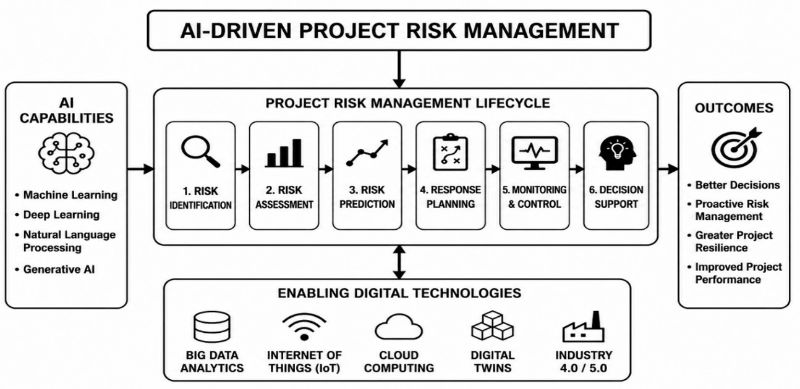
Figure 1. Overview of AI-Driven Project Risk Management.
2. Literature Review Methodology
This study employs a Systematic Literature Review (SLR) to synthesize and critically evaluate the rapidly expanding literature on Artificial Intelligence-driven Project Risk Management (AI-PRM) published between 2011 and 2026. The SLR methodology was selected because it provides a rigorous, transparent, and reproducible approach for consolidating fragmented evidence, identifying intellectual developments, and establishing future research directions within an emerging interdisciplinary field. Unlike traditional narrative reviews, systematic reviews rely on explicit protocols for study identification, selection, appraisal, and synthesis, thereby minimizing selection bias and enhancing the reliability and replicability of research findings. The review was conducted in accordance with the Preferred Reporting Items for Systematic Reviews and Meta-Analyses (PRISMA 2020) framework to ensure methodological rigor, transparency, and consistency throughout the review process (Page et al., 2021). The methodological framework comprised six sequential stages:
1) Data Sources and Search Strategy: The literature search was designed to achieve comprehensive coverage of high-quality research at the intersection of artificial intelligence, project management, and risk management. Searches were conducted on 1 June 2026 using the Scopus and Web of Science (WoS) databases, which are widely recognized for indexing high-impact, peer-reviewed journals across engineering, management, information
systems, and computer science. A structured search strategy was developed by combining controlled keywords and free-text terms related to AI technologies and project risk management using Boolean operators ("AND" and "OR"). Core search terms included artificial intelligence, machine learning, deep learning, natural language processing, predictive analytics, expert systems, intelligent decision support, project risk management, project risk assessment, and risk prediction. Database-specific syntax was adapted where necessary to maximize retrieval accuracy while maintaining conceptual consistency. The review period (2011–2026) was selected to capture the emergence and rapid evolution of AI applications in project risk management following major advances in machine learning and data-driven decision-support technologies.
2) Eligibility Criteria: To ensure methodological consistency and research quality, explicit inclusion and exclusion criteria were established before the screening process. Studies were included if they were peer-reviewed journal articles, published in English between 2011 and 2026, and explicitly examined the application of artificial intelligence to project risk management or related project risk processes. Eligible studies comprised empirical investigations, conceptual papers, methodological developments, and theoretical contributions. Conference proceedings, book chapters, editorials, dissertations, grey literature, duplicate publications, and studies unrelated to project risk management were excluded. Articles lacking methodological transparency or sufficient relevance to the research objectives were also excluded to strengthen the validity and credibility of the synthesized evidence.
3) Screening Process and PRISMA Workflow: The study selection process was conducted in accordance with the PRISMA 2020 Statement (Page et al., 2021) to ensure methodological transparency, rigor, and reproducibility throughout the systematic review. The initial database search identified 163 records. After the removal of 24 duplicate records, 139 unique studies remained for title and abstract screening. During this stage, 54 records were excluded because they did not satisfy the predefined eligibility criteria, primarily due to their limited relevance to the application of artificial intelligence in project risk management or their failure to address the review objectives. Consequently, 85 studies were retained for full-text eligibility assessment. Following a comprehensive appraisal, 24 articles were excluded because they lacked adequate methodological rigor, did not explicitly address AI-enabled project risk management, or failed to satisfy one or more of the established inclusion criteria. Ultimately, 61 peer-reviewed journal articles were included in the qualitative synthesis. The complete study selection process is presented in the PRISMA 2020 flow diagram (Figure 2).
4) Quality Assessment: A structured quality appraisal was conducted to evaluate the methodological robustness and scientific credibility of the included studies. Each article was assessed against predefined criteria encompassing research objectives, methodological transparency, study design, data quality, analytical rigor, validity of findings, and overall contribution to AI-driven project risk management. This appraisal ensured that the review synthesized evidence from methodologically sound studies and enhanced the credibility, dependability, and trustworthiness of the review findings by reducing the potential influence of methodological bias.
5) Data Extraction and Synthesis: A standardized data extraction protocol was developed to ensure consistency and traceability throughout the review. Information extracted from each study included bibliographic characteristics, research objectives, project context, AI techniques, project risk management processes, methodological approaches, datasets, principal findings, reported limitations, and suggested future research directions. The extracted evidence was synthesized using qualitative thematic analysis, enabling the identification of recurring themes, technological developments, methodological patterns, implementation barriers, and emerging research trajectories. This interpretive synthesis facilitated the integration of fragmented evidence into a coherent understanding of the evolution, current maturity, and future direction of AI-driven project risk management.
6) Methodological Positioning: This review adopts an interpretive qualitative synthesis rather than a quantitative meta-analysis because the selected studies exhibit substantial heterogeneity in research objectives, AI techniques, project settings, methodological designs, datasets, and performance metrics. Such diversity limits the feasibility of statistical aggregation while providing a rich basis for conceptual integration and theory development. Accordingly, the review is positioned to develop a holistic understanding of AI-driven Project Risk Management (AI-PRM) by integrating technological, methodological, organizational, and governance perspectives. Beyond synthesizing existing evidence, the review identifies critical knowledge gaps, evaluates the maturity of the research field, and proposes a structured future research agenda, thereby contributing to the theoretical advancement and practical development of AI-PRM as an emerging interdisciplinary domain.
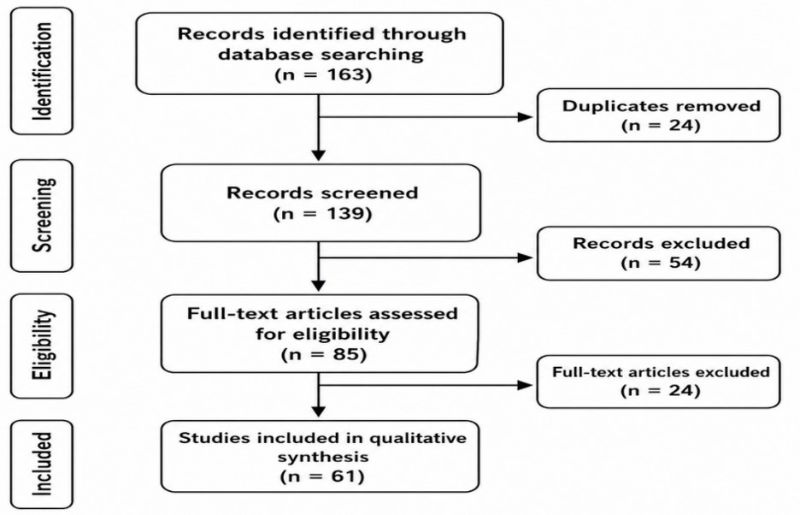
Figure 2. PRISMA flow diagram (2011–2026).
2.1 Artificial Intelligence in Project Risk Management
The increasing complexity, uncertainty, and interdependency of modern projects have revealed significant limitations in conventional project risk management approaches. Contemporary projects operate within highly dynamic environments where technical, environmental, financial, organizational, and operational factors interact continuously, producing complex and evolving risk patterns. Although traditional risk management methods based on expert judgment, qualitative evaluation, and periodic assessment remain widely applied, they often provide limited capability for identifying nonlinear relationships, integrating heterogeneous information, and responding effectively to rapidly changing project conditions (Smith & Wong, 2022). Consequently, Artificial Intelligence (AI) has emerged as an advanced analytical paradigm capable of transforming project risk management through predictive modelling, intelligent decision support, and continuous learning from project data (Ali et al., 2025; Mogbojuri et al., 2026).
AI-enabled risk management represents a shift from retrospective assessment toward proactive risk intelligence. By analysing large volumes of structured and unstructured information, AI systems can identify hidden risk relationships, detect early warning indicators, and forecast potential disruptions before they significantly affect project outcomes (Abioye, 2021). These capabilities enhance project resilience by improving risk visibility, supporting earlier intervention, and enabling more evidence-based decision-making. Furthermore, AI contributes to improved risk evaluation by increasing analytical consistency, reducing cognitive limitations, and accelerating decision processes under uncertain project conditions (Faruk et al., 2025).
The application of AI extends across the project risk management lifecycle, influencing how risks are identified, assessed, monitored, and controlled. During risk identification, AI models analyse historical project records, technical documents, and real-time information to discover emerging risk patterns and previously overlooked relationships. During risk assessment, predictive algorithms estimate the likelihood and potential consequences of future risk events, enabling improved risk prioritization and resource allocation (Egwim, 2024). During risk response and monitoring, AI-supported systems facilitate continuous evaluation of project conditions and enable adaptive mitigation strategies that enhance managerial responsiveness (Almalki, 2025; Xiong et al., 2022). Therefore, AI-PRM represents a transition from static and experience-dependent risk management toward dynamic and data-driven risk governance.
Among AI approaches, machine learning (ML) has become one of the most widely adopted techniques in project risk management due to its ability to identify complex nonlinear relationships and improve predictive performance through data-driven learning. Unlike traditional analytical methods that rely on predefined assumptions, ML algorithms extract patterns directly from project data and reveal interactions among multiple risk factors. This capability is particularly relevant in construction projects, where risks frequently emerge through complex combinations of technical, environmental, organizational, and managerial conditions (Bang, 2022).
Recent studies demonstrate the growing maturity of ML applications in construction risk management. Chattapadhyay et al. (2021) developed a cross-analytical ML model capable of clustering critical risk factors and their underlying components, thereby improving construction project performance prediction. Similarly, Moussa et al. (2025) proposed an integrated ML and optimization-based framework for modelling interacting and systemic risks using historical project data, enabling improved estimation of their combined effects on infrastructure project performance. Additional evidence from simulation studies and practical implementations confirms the potential of AI-based predictive models for managing risks in complex infrastructure projects (Chen et al., 2025). Collectively, these studies demonstrate a methodological transition from descriptive risk assessment toward predictive approaches capable of capturing complex project risk interdependencies.
Beyond ML-based prediction, AI is increasingly being integrated with complementary digital technologies to create more comprehensive project intelligence environments. Deep learning and computer vision have expanded AI applications by enabling automated hazard detection, continuous site monitoring, and real-time identification of operational constraints through visual data analysis (Panahi et al., 2023). These developments extend AI capabilities from analytical prediction toward intelligent interpretation of physical project environments.
Similarly, the integration of AI with Building Information Modelling (BIM) has created opportunities for improving project planning, resource optimization, risk prediction, and lifecycle decision support. BIM provides structured digital representations of project information, while AI enhances these models through predictive analysis, optimization, and intelligent recommendations throughout project delivery (Datta et al., 2023). This convergence reflects a broader movement toward integrated digital ecosystems capable of supporting continuous and adaptive project risk management.
Recent studies have further explored the use of predictive analytics and ML techniques to identify latent risks embedded within project documentation, historical records, and heterogeneous information sources (Bauskar et al., 2024; Ferhati et al., 2025). However, despite these advancements, existing research remains fragmented. Much of the literature focuses on developing individual algorithms or improving prediction accuracy, while comparatively limited attention has been given to integrated AI-PRM frameworks that combine predictive capability, continuous monitoring, explainability, interoperability, and practical implementation requirements. This gap highlights the need to move beyond isolated AI applications toward comprehensive risk management architectures.
A major challenge affecting AI-PRM adoption concerns the transparency and interpretability of advanced AI models. Many high-performing approaches, particularly deep learning algorithms, operate as black-box systems, limiting stakeholders’ understanding of how AI-generated predictions and recommendations are produced. In project environments involving significant cost, safety, and strategic consequences, limited interpretability can reduce trust, hinder acceptance, and restrict practical implementation.
Explainable Artificial Intelligence (XAI) has therefore emerged as an important research direction for improving transparency, accountability, and confidence in AI-supported decision-making. XAI approaches enable stakeholders to understand the factors influencing AI outputs, evaluate recommendation reliability, and develop greater trust in AI-assisted risk assessment (Chen et al., 2025; Hasan & Lu, 2025; Arrieta, 2020). As AI becomes increasingly embedded within project governance structures, explainability is becoming a fundamental requirement for responsible AI deployment.
Data quality and availability represent another critical limitation affecting AI-based risk management. AI models require large-scale, accurate, representative, and continuously updated datasets; however, project information is frequently fragmented across different systems, inconsistently structured, and affected by incomplete records. Such limitations reduce model robustness, compromise predictive performance, and restrict the scalability of AI solutions across diverse project contexts (Bang, 2022). Accordingly, effective data governance, interoperability, and information standardization remain essential for reliable AI implementation.
The successful adoption of AI-PRM also depends on organizational readiness and human capabilities. AI implementation requires changes in organizational processes, workforce competencies, and governance structures rather than merely introducing new technologies. Therefore, AI should be considered as a complementary capability that enhances professional expertise instead of replacing human judgment. Integrating AI-generated insights with managerial experience enables more balanced evaluation of complex and uncertain risk scenarios (Khalid et al., 2024; Manu, 2024).
Nevertheless, resistance to change, limited digital maturity, and insufficient AI-related skills continue to constrain implementation. Savio & Ali (2023) highlight that infrastructure requirements, integration complexity, and organizational barriers significantly influence AI adoption outcomes. Furthermore, effective human–AI collaboration requires continuous training and professional development to equip project professionals with the technical and analytical capabilities necessary to effectively engage with AI technologies (Anik, 2024).
The increasing role of AI in project decision-making also introduces concerns regarding human agency, accountability, and professional judgment. Although AI enhances analytical efficiency and predictive capability, excessive reliance on automated recommendations may weaken critical thinking and contextual interpretation. Since project risk decisions frequently involve uncertainty, negotiation, and strategic judgment, AI should augment rather than replace human expertise. Maintaining human oversight remains essential for validating AI outputs, ensuring accountability, and supporting responsible decision-making throughout the project lifecycle (Bushuyev et al., 2025).
Ethical and governance challenges further influence the responsible adoption of AI-PRM. Issues related to algorithmic bias, data privacy, transparency, accountability, and regulatory compliance require robust governance frameworks that ensure fairness and responsible AI utilization (Nabil et al., 2025). The reliability of AI-supported decisions depends strongly on the quality and representativeness of training datasets, as biased or incomplete data may generate inaccurate or unfair outcomes (Angela & Odewuyi, 2024). Furthermore, limited transparency in AI models creates challenges related to trust and accountability (Sultana, 2024), while broader legal and ethical concerns emphasize the need for effective oversight mechanisms (Steyvers & Kumar, 2023).
Overall, the literature indicates that AI has significantly expanded the capabilities of project risk management by enabling predictive analytics, intelligent monitoring, and data-driven decision support. However, current research remains predominantly focused on technological development, with insufficient integration of organizational, ethical, and human dimensions. Future advancement of AI-PRM requires a transition from isolated AI applications toward integrated, explainable, adaptive, and context-aware frameworks capable of supporting practical project decision-making. Future research should prioritize the development of holistic AI-PRM frameworks capable of integrating heterogeneous project data, enabling continuous learning, supporting explainable recommendations, and facilitating effective human–AI collaboration throughout the project lifecycle. Particular attention should be given to scalable approaches that combine machine learning, BIM, computer vision, and emerging digital technologies to establish comprehensive risk intelligence systems for complex construction projects (Qadri et al., 2026; Al Mnaseer, 2026). Such developments will strengthen the theoretical foundation and practical maturity of AI-enabled project risk management.
3. Challenges and Research Gaps Analysis
Although Artificial Intelligence (AI) has substantially enhanced the analytical capabilities of project risk management, the transition from experimental applications toward reliable, scalable, and operationally integrated AI-driven project risk management (AI-PRM) remains at an early stage. Existing research demonstrates that AI can improve risk identification, prediction, monitoring, and decision support; however, current studies remain largely concentrated on algorithm development and isolated applications rather than comprehensive risk management ecosystems. This reflects a significant maturity gap, where technological advancement has progressed faster than practical implementation, organizational integration, governance development, and lifecycle-oriented decision support. Therefore, advancing AI-PRM requires a holistic approach that integrates technological innovation with data governance, human capabilities, organizational readiness, ethical responsibility, and adaptive management practices.
Figure 2 and Table 1 present a comprehensive synthesis of the key research challenges, implications, and strategic recommendations identified through the systematic literature review. The analysis indicates that the evolution of AI-PRM is constrained by interconnected technological, organizational, human, and governance-related challenges, including data governance limitations, insufficient model transparency, integration and interoperability barriers, limited empirical validation, lack of contextual adaptability, organizational adoption challenges, competency gaps, human–AI collaboration issues, ethical concerns, lifecycle intelligence limitations, scalability constraints, and the absence of integrated frameworks. Overcoming these challenges requires advancing toward explainable, adaptive, and human-centered AI-PRM frameworks that are underpinned by reliable data infrastructures, interoperable digital ecosystems, capable professionals, and robust responsible AI governance mechanisms.
A primary challenge concerns data quality, availability, and governance, as AI-driven risk intelligence depends heavily on accurate, representative, and timely project information. However, project environments are often characterized by fragmented data sources, inconsistent formats, incomplete historical records, and limited information-sharing practices. These limitations reduce AI model robustness, predictive accuracy, and transferability across different project contexts (Bang, 2022). Moreover, poor-quality data may compromise the reliability and fairness of AI-supported decisions. The European Union Agency for Fundamental Rights (2019) emphasizes that inadequate data quality can generate unreliable algorithmic outputs and potentially harmful consequences. Consequently, future research should focus on AI-ready data governance frameworks incorporating data standardization, interoperability, quality assurance, and continuous data management.
A second major challenge involves AI explainability, transparency, and trustworthiness. Although machine learning and deep learning models provide advanced predictive capabilities, their black-box characteristics create difficulties in understanding the rationale behind AI-generated recommendations. This limitation is particularly critical in project risk management, where decisions influence cost, schedule, safety, and strategic outcomes. Explainable Artificial Intelligence (XAI) has therefore emerged as a key research direction for improving transparency and accountability. However, current studies primarily emphasize technical explanation methods rather than their practical integration into project governance and managerial decision processes (Chen et al., 2025; Hasan & Lu, 2025; Arrieta, 2020). Future research should investigate operational XAI-based AI-PRM frameworks that balance predictive performance with interpretability, accountability, and stakeholder acceptance.
Another important limitation is the insufficient integration of AI within project digital ecosystems. Many existing AI solutions are developed as standalone applications addressing specific risk activities, such as prediction, classification, or anomaly detection. However, complex projects require interconnected systems capable of integrating heterogeneous data sources and supporting continuous risk management throughout the project lifecycle. Limited interoperability among AI systems, Building Information Modelling (BIM), project control platforms, enterprise systems, and organizational knowledge repositories restricts AI-PRM scalability and practical value. Kumar (2025) identifies integration challenges as a significant barrier affecting the practical impact of AI technologies. Future studies should therefore focus on developing interoperable AI architectures that transform fragmented project information into continuous risk intelligence.
Despite increasing research interest, limited empirical validation remains a significant methodological gap. A large proportion of existing studies propose conceptual models, simulation approaches, or algorithmic experiments, while evidence from real-world project implementation remains limited. Qureshi and Usman (2025) note that “the majority of examples of recent research depend on examples of conceptual or theoretical frameworks,” highlighting the shortage of practical validation. As a result, the actual contribution of AI adoption to risk reduction, decision quality, and project performance remains insufficiently established. Future research should prioritize longitudinal studies, industrial case studies, comparative evaluations, and evidence-based assessments of AI-PRM effectiveness.
A further research gap concerns the limited development of context-aware and industry-specific AI-PRM frameworks. Existing studies frequently introduce generalized AI models despite significant differences among industries in terms of risk characteristics, operational conditions, regulatory requirements, and data structures. Since project risks are highly context-dependent, universal AI approaches may not adequately address sector-specific challenges. Ferrera (2024) demonstrates that AI integration in manufacturing creates distinct challenges and opportunities, emphasizing the importance of contextual adaptation. Therefore, future research should develop adaptive AI-PRM frameworks tailored to different industries, project types, and organizational environments.
Beyond technological issues, organizational readiness and adoption barriers represent critical challenges affecting AI-PRM implementation. Successful AI adoption requires organizational transformation involving changes in processes, decision structures, governance mechanisms, and professional capabilities. However, limited digital maturity, inadequate infrastructure, insufficient AI expertise, and resistance to change continue to restrict implementation. Jiwane (2024) highlights that resistance among individuals and teams toward adopting new systems can delay or prevent successful AI implementation. Similarly, Savio & Ali (2023) emphasize the influence of organizational limitations, implementation complexity, and infrastructure requirements on AI adoption outcomes. Future research should therefore explore organizational readiness models and change management strategies that support sustainable AI integration.
Closely associated with organizational adoption are AI competency and human–AI collaboration challenges. Project risk management requires contextual interpretation, professional judgment, and experience; therefore, AI should complement rather than replace human expertise. However, limited AI literacy among project professionals may restrict effective interpretation and application of AI-generated insights. Furthermore, unclear human–AI interaction mechanisms may create uncertainty regarding trust, responsibility, and decision authority. Bushuyev et al. (2025) emphasize the importance of maintaining human oversight to ensure responsible AI-supported decision-making. Future studies should focus on human-centered AI approaches that define effective collaboration models between project professionals and intelligent systems.
The increasing reliance on AI also introduces significant ethical governance, privacy, and accountability challenges. Algorithmic bias, data privacy risks, limited transparency, and unclear responsibility structures may undermine stakeholder confidence and responsible AI adoption. Biased or incomplete datasets may produce inaccurate or unfair risk assessments, affecting project decisions and outcomes (Angela & Odewuyi, 2024). Moreover, insufficient transparency can weaken accountability and trust in AI-supported decisions (Sultana, 2024). Ethical and legal considerations further highlight the need for responsible AI governance frameworks addressing fairness, accountability, and compliance throughout the AI lifecycle (Steyvers & Kumar, 2023). Nevertheless, practical governance mechanisms specifically designed for project risk management remain insufficiently developed.
Another unresolved gap concerns adaptive and lifecycle-oriented AI capabilities. Current AI applications often address individual risk activities rather than supporting continuous learning, dynamic monitoring, and proactive risk response throughout the project lifecycle. Complex projects require AI systems capable of integrating multiple data streams, updating predictions, and adapting to changing project conditions. Future research should investigate integrated AI architectures combining machine learning, BIM, computer vision, and other emerging digital technologies to establish comprehensive risk intelligence ecosystems (Qadri et al., 2026; Al Mnaseer, 2026).
Finally, scalability and long-term sustainability remain insufficiently explored within AI-PRM research. Although AI models may demonstrate strong performance in specific contexts, questions remain regarding their transferability, maintenance requirements, continuous improvement, and long-term organizational value. Future studies should examine scalable AI deployment strategies, lifecycle management approaches, and organizational learning mechanisms to ensure sustainable AI implementation.
Overall, the literature indicates that the central challenge facing AI-PRM is not the availability of advanced AI technologies but the difficulty of transforming technological capabilities into integrated, trustworthy, and sustainable project risk management solutions. Current research confirms AI’s potential to enhance prediction, monitoring, and decision support; however, significant gaps remain regarding data governance, explainability, interoperability, empirical validation, contextual adaptation, organizational adoption, human–AI collaboration, ethical governance, and integrated framework development. Addressing these gaps requires a multidisciplinary research agenda combining artificial intelligence, project management, organizational science, and responsible technology governance. Such advancement will enable the development of intelligent, transparent, adaptive, and sustainable AI-PRM frameworks capable of supporting resilient decision-making throughout the project lifecycle.
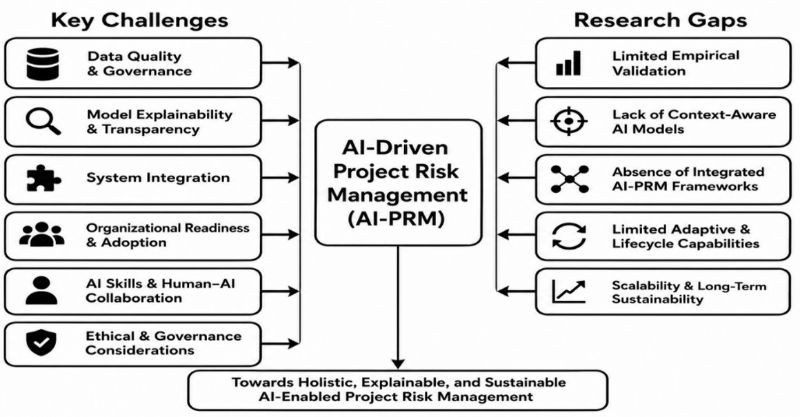
Figure 2. Key Challenges and Research Gaps.
Table 1. Key Research Challenges, Implications, and Strategic Recommendations for AI-PRM.
|
No. |
Research Challenge |
Key Implication |
Strategic Recommendation |
|
1 |
Data quality and governance |
Poor data reduce AI reliability and predictive performance. |
Establish robust data governance and interoperability. |
|
2 |
Explainability and transparency |
Black-box models weaken trust and accountability. |
Adopt Explainable AI (XAI) for transparent decision support. |
|
3 |
System integration |
Fragmented systems limit end-to-end risk management. |
Integrate AI with BIM, digital twins, and PM information systems. |
|
4 |
Empirical validation |
Limited real-world evidence constrains adoption. |
Expand case studies, pilot implementations, and longitudinal research. |
|
5 |
Context-aware AI |
Generic models lack adaptability across project settings. |
Develop adaptive, industry-specific AI models. |
|
6 |
Organizational readiness |
Low digital maturity hinders AI implementation. |
Strengthen organizational readiness and change management. |
|
7 |
AI competencies |
Skills shortages limit effective AI utilization. |
Build interdisciplinary AI and project management capabilities. |
|
8 |
Human–AI collaboration |
Poor human–AI integration affects decision quality. |
Promote human-centered AI with expert oversight. |
|
9 |
AI governance and ethics |
Ethical, privacy, and accountability issues reduce trust. |
Implement responsible AI governance frameworks. |
|
10 |
Adaptive AI capabilities |
Static models cannot address evolving project risks. |
Develop continuous learning and real-time AI systems. |
|
11 |
Scalability and sustainability |
Long-term deployment and organizational value remain uncertain. |
Design scalable, maintainable, and sustainable AI solutions. |
|
12 |
Fragmented AI-PRM research |
Lack of integrated frameworks limits knowledge development. |
Develop holistic AI-PRM frameworks and risk intelligence ecosystems. |
4. Future Research Directions
The systematic literature review demonstrates that Artificial Intelligence-driven Project Risk Management (AI-PRM) is progressing from an emerging analytical approach toward a strategic capability for managing uncertainty, complexity, and interconnected risks in contemporary projects. Although existing studies confirm the potential of AI to enhance risk identification, prediction, monitoring, and decision support, current research remains fragmented, with considerable limitations in practical implementation, organizational integration, data governance, and responsible deployment. The findings indicate that future AI-PRM development requires a transition from isolated algorithm-oriented applications toward integrated, explainable, adaptive, and human-centered risk intelligence ecosystems. Therefore, future research should adopt a multidimensional perspective that combines artificial intelligence capabilities with project management principles, digital transformation, organizational readiness, and governance mechanisms to establish sustainable and trustworthy AI-enabled risk management practices.
Figure 3 and Table 2 present a structured future research agenda for AI-PRM by linking major research gaps with theoretical foundations, methodological approaches, future directions, and expected contributions. The proposed agenda identifies twelve interconnected research streams: integrated AI-PRM frameworks, explainable and trustworthy AI, AI-ready data governance, digital interoperability, empirical validation, context-aware AI models, human–AI collaboration, organizational readiness, responsible AI governance, lifecycle-oriented intelligence, scalable implementation, and AI-PRM maturity development. Collectively, these research directions provide a roadmap for advancing AI-PRM from fragmented technological applications toward comprehensive and adaptive risk management ecosystems capable of supporting complex project environments.
A primary research direction involves the development of integrated AI-PRM frameworks that support the complete project risk management lifecycle. Existing research has primarily focused on specific AI applications, such as risk prediction, classification, and anomaly detection, while providing limited attention to how these capabilities can be integrated into unified decision-support systems. Future studies should develop comprehensive AI-PRM architectures that connect risk identification, assessment, response planning, monitoring, and continuous learning. Hybrid AI approaches combining machine learning, deep learning, natural language processing, knowledge-based reasoning, and Explainable Artificial Intelligence (XAI) should be further explored to provide accurate, interpretable, and actionable risk intelligence throughout the project lifecycle.
The advancement of explainable and trustworthy AI represents a critical research priority. Despite the strong predictive capability of advanced AI models, limited transparency and interpretability remain significant barriers to stakeholder acceptance and practical adoption. In project risk management, where AI-supported decisions may influence cost, schedule, safety, and strategic outcomes, understanding the rationale behind AI recommendations is essential. Future research should investigate XAI methods that improve model interpretability, identify key risk drivers, and enable stakeholders to evaluate AI-generated recommendations. Further studies should also examine the relationship between explainability, trust, accountability, and decision effectiveness to establish reliable AI-supported risk management practices.
Another important research direction concerns AI-ready data governance and digital interoperability. The effectiveness of AI-PRM depends heavily on the availability of accurate, consistent, and contextually relevant project data. However, project information is often fragmented across multiple systems, inconsistently structured, and insufficiently maintained, limiting AI reliability and transferability. Future research should develop comprehensive data governance frameworks addressing data quality, standardization, integration, accessibility, and lifecycle management. In addition, greater attention should be given to integrating AI with Building Information Modelling (BIM), digital twins, Internet of Things (IoT), project management platforms, and organizational knowledge systems to establish connected digital ecosystems that enable continuous risk intelligence.
Future studies should also prioritize empirical validation and implementation-based evaluation of AI-PRM solutions. Although the literature demonstrates considerable technological progress, many existing studies remain limited to conceptual models, simulations, or restricted datasets. Consequently, the actual contribution of AI-PRM to project outcomes remains insufficiently established. Future research should employ longitudinal studies, real-world case studies, cross-project comparisons, and field-based evaluations to assess the effects of AI implementation on risk reduction, decision quality, project performance, and organizational resilience. Such evidence is essential for transforming AI-PRM from theoretical potential into a validated and scalable management capability.
The development of context-aware and industry-adaptive AI-PRM models represents another significant research opportunity. Existing AI models frequently assume general applicability despite variations among industries in terms of risk structures, operational processes, regulatory requirements, and data environments. Future research should develop adaptive AI-PRM approaches that incorporate domain-specific knowledge and contextual factors across different project sectors, including construction, manufacturing, healthcare, finance, and information technology. These approaches can enhance model robustness, scalability, and practical applicability by ensuring that AI solutions are aligned with specific project requirements.
A further research priority involves strengthening human–AI collaboration and organizational readiness. Project risk management remains a human-centered activity requiring professional experience, contextual judgment, stakeholder interaction, and strategic reasoning. Therefore, AI should be positioned as an augmentation capability that enhances managerial decision-making rather than replacing human expertise. Future studies should investigate how project professionals perceive, trust, and interact with AI-generated recommendations, as well as how responsibility and decision authority should be shared between human and artificial agents. Additionally, research should explore AI competency frameworks, training approaches, and organizational transformation strategies required to support effective AI adoption.
The development of responsible AI governance frameworks is also essential for ensuring sustainable AI-PRM implementation. As AI becomes increasingly involved in project decisions, challenges related to algorithmic bias, privacy protection, transparency, accountability, and regulatory compliance require systematic investigation. Current governance approaches remain largely conceptual and provide limited practical guidance for project organizations. Future research should establish operational governance mechanisms incorporating algorithm auditing, fairness assessment, explainability requirements, accountability structures, and continuous monitoring throughout the AI lifecycle. Such frameworks will ensure that AI-PRM systems remain ethical, transparent, and aligned with stakeholder expectations.
Future research should further explore lifecycle-oriented AI risk intelligence systems capable of continuous learning and adaptive decision support. Traditional risk management approaches typically rely on periodic assessments, whereas future AI-PRM systems should continuously analyse project conditions, identify emerging risks, update predictions, and recommend proactive mitigation actions. The integration of AI with digital twins, computer vision, advanced analytics, and autonomous monitoring technologies provides significant opportunities to develop dynamic risk intelligence platforms that improve project resilience and responsiveness.
Finally, future studies should investigate scalable implementation strategies and AI-PRM maturity development. Despite promising AI capabilities, widespread adoption remains influenced by infrastructure requirements, implementation costs, organizational maturity, workforce capability, and long-term maintenance considerations. Future research should examine sustainable deployment models, implementation roadmaps, cost–benefit relationships, and organizational scaling strategies. Moreover, AI-PRM maturity models and standardized assessment frameworks should be developed to help organizations evaluate their current capabilities and systematically progress toward advanced AI-enabled risk management practices.
Overall, future research should advance AI-PRM from fragmented technological applications toward a comprehensive, intelligent, and sustainable project risk management paradigm. The future generation of AI-PRM systems should integrate predictive analytics, explainable intelligence, digital ecosystems, human expertise, and responsible governance to provide transparent, adaptive, and actionable risk insights throughout the project lifecycle. Addressing the identified research gaps will contribute to the development of resilient, trustworthy, and scalable AI-enabled risk management frameworks capable of supporting increasingly complex and uncertain project environments.
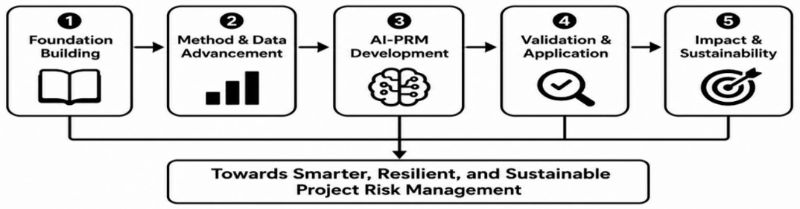
Figure 3. Conceptual Roadmap for Future AI-PRM Research.
Table 2. Future Research Agenda for AI-PRM.
|
No. |
Research Stream |
Research Gap |
Theoretical Foundation |
Research Methods |
Future Research Direction |
Research Contribution |
|
1 |
Integrated AI-PRM Frameworks |
Fragmented AI applications |
Systems Theory; Socio-Technical Theory |
Framework development; Case studies |
Develop integrated lifecycle AI-PRM frameworks. |
Advance holistic AI-PRM. |
|
2 |
Explainable AI (XAI) |
Limited model transparency |
XAI; Trust Theory |
Modeling; User experiments |
Develop explainable AI for risk decisions. |
Improve trust and adoption. |
|
3 |
Data Governance |
Weak data quality and interoperability |
Data Governance Theory |
Data modeling; Quality assessment |
Establish AI-ready data governance. |
Enhance AI reliability. |
|
4 |
Digital Integration |
Limited system interoperability |
Digital Transformation Theory |
Integration studies |
Integrate AI with BIM, IoT, and digital twins. |
Enable connected risk intelligence. |
|
5 |
Empirical Validation |
Insufficient practical evidence |
Evidence-Based Management |
Case studies; Longitudinal studies |
Validate AI-PRM across industries. |
Strengthen empirical evidence. |
|
6 |
Context-Aware AI |
Limited domain adaptability |
Contingency Theory |
Comparative studies |
Develop adaptive, context-aware AI models. |
Improve generalizability. |
|
7 |
Human–AI Collaboration |
Limited human-centered AI |
HCI; Augmented Intelligence |
Surveys; Experiments |
Design collaborative AI decision support. |
Enhance decision quality. |
|
8 |
Organizational Readiness |
Low AI adoption maturity |
TOE Framework; Readiness Theory |
Adoption studies |
Develop AI readiness and capability models. |
Accelerate organizational adoption. |
|
9 |
Responsible AI |
Ethical and governance issues |
Responsible AI Framework |
Governance studies |
Develop ethical AI governance frameworks. |
Ensure trustworthy AI. |
|
10 |
Adaptive AI |
Limited lifecycle intelligence |
Dynamic Capability Theory |
Real-time analytics |
Develop adaptive AI across project lifecycles. |
Improve resilience and adaptability. |
|
11 |
Scalable AI Deployment |
Limited long-term implementation |
Innovation Diffusion Theory |
Implementation research |
Develop scalable AI deployment models. |
Increase sustainable adoption. |
|
12 |
AI-PRM Maturity |
Lack of implementation standards |
Maturity Model Theory |
Delphi; Benchmarking |
Develop AI-PRM maturity models. |
Standardize AI implementation. |
5. Conclusion
Artificial Intelligence (AI) is reshaping project risk management by enabling a transition from reactive, experience-dependent practices toward predictive, adaptive, and intelligence-driven risk governance. This systematic literature review examined the evolution, knowledge structure, methodological trends, and unresolved challenges of Artificial Intelligence-driven Project Risk Management (AI-PRM), providing a comprehensive synthesis of how AI technologies are transforming risk-related activities, decision processes, and governance mechanisms across the project lifecycle.
The findings reveal that AI has substantially enhanced project risk management capabilities through automated risk identification, predictive modeling, intelligent assessment, continuous monitoring, and decision support. Nevertheless, the current AI-PRM research landscape remains fragmented, characterized by technology-centric investigations and context-specific solutions rather than integrated risk intelligence ecosystems. The literature demonstrates a persistent imbalance between algorithmic advancement and implementation-oriented research, with limited consideration of explainability, data governance, interoperability, organizational readiness, lifecycle integration, human–AI collaboration, and responsible AI practices. These limitations constrain the transferability, trustworthiness, and long-term sustainability of AI-enabled risk management solutions.
This review advances the AI-PRM research domain by establishing that effective AI integration requires a socio-technical perspective in which technological capabilities are aligned with project
management principles, organizational capabilities, governance structures, and human expertise. The study highlights the need to move beyond isolated AI applications toward comprehensive AI-PRM frameworks that enable explainable, adaptive, context-aware, and continuously evolving risk intelligence throughout the project lifecycle.
Future research should prioritize the development and empirical validation of theoretically grounded AI-PRM frameworks that integrate machine learning, Explainable Artificial Intelligence (XAI), natural language processing, generative AI, digital transformation technologies, and robust data governance mechanisms. Further research is required to examine real-world implementation pathways, cross-industry applicability, human–AI decision-making processes, organizational transformation capabilities, and responsible AI governance models to support trustworthy and scalable adoption.
By integrating fragmented technological, methodological, and managerial perspectives, this study positions AI-PRM as an emerging interdisciplinary research frontier at the intersection of artificial intelligence, project management, and digital transformation. The future maturity of AI-PRM will depend on the development of trustworthy risk intelligence ecosystems that augment human expertise, improve anticipatory decision-making, strengthen project resilience, and enhance organizational capability to manage uncertainty in increasingly complex project environments.
Theoretical Implications: This study contributes to theory development by consolidating fragmented perspectives from artificial intelligence, project management, and risk management research and establishing AI-PRM as an emerging interdisciplinary domain. The findings indicate that existing project risk theories require extension to account for AI-enabled capabilities, including predictive intelligence, continuous learning, explainability, and human–AI collaboration. The study proposes key theoretical dimensions—AI capability, contextual adaptability, data governance, interoperability, explainability, and organizational readiness—as foundations for developing future AI-PRM frameworks and explanatory models.
Practical Implications: This study provides practical insights for organizations seeking to enhance project risk management through AI capabilities. The findings suggest that AI-PRM can improve proactive risk identification, predictive assessment, monitoring effectiveness, and decision quality; however, successful implementation requires more than adopting AI technologies. Organizations must establish reliable data ecosystems, integrate AI tools with existing project processes, ensure model transparency, and develop mechanisms for combining AI-generated insights with professional expertise to achieve effective risk-informed decision-making.
Managerial Implications: This study highlights that AI-PRM adoption represents an organizational transformation challenge requiring alignment among technology, processes, people, and governance. Project executives and managers should develop AI readiness through strategic investment in digital capabilities, workforce competencies, data governance, and responsible AI practices. Effective integration of AI into project governance can enhance early risk response, improve decision effectiveness, strengthen organizational resilience, and enable more proactive management of uncertainty and complexity.
Study Limitations: This study has several limitations. First, the review relies on peer-reviewed academic literature and may not fully represent emerging industrial practices, proprietary AI applications, or implementation experiences. Second, the rapid evolution of generative AI, large language models, and autonomous AI systems introduces emerging research opportunities beyond the scope of the current review. Third, heterogeneity among reviewed studies regarding methodologies, AI techniques, project contexts, and evaluation approaches limits direct comparison and generalization. Future research should address these limitations through longitudinal studies, empirical validation, cross-sector investigations, and comparative research to develop more robust and generalizable AI-PRM knowledge.
Conflicts of Interest: The authors declare no conflicts of interest.
Generative AI Statement: The authors acknowledge that ChatGPT (OpenAI) was used exclusively for language editing and stylistic refinement of the authors' text, including improvements to clarity, grammar, and academic tone. The tool was not used to generate original scholarly content, data, analyses, or references. The authors have carefully reviewed and verified the final manuscript and accept full responsibility for its content.
Data Availability Statement: All data supporting this study are contained within the article.



Open Access By Aditum Open Access Journals id licensed under Creative Commons Attribution 4.0 International License. Based On a Work at aditum.org


