
International Journal of Business Research and Management
OPEN ACCESS | Volume 4 - Issue 3 - 2026
ISSN No: 3065-6753 | Journal DOI: 10.61148/3065-6753/IJBRM


Reginald Ndwamaim
University of Venda, Thohoyandou, South Africa.
*Corresponding author: Reginald Ndwamai. University of Venda, Thohoyandou, South Africa.
Received: March 20, 2026 | Accepted: March 27, 2026 | Published: April 03, 2026
Citation: Ndwamai R, Tracy N., (2026). “Trustworthy Leadership and Ethical Stewardship in Organisations”. International Journal of Business Research and Management 4(3); DOI: 10.61148/3065-6753/IJBRM/079.
Copyright: © 2026. Reginald Ndwamai, This is an open access article distributed under the Creative Commons Attribution License, which permits unrestricted use, distribution, and reproduction in any medium, provided the original work is properly cited.
This conceptual paper explores the significance of leadership behaviours in promoting ethical stewardship within organisations, highlighting the mediating role of perceived trustworthiness. Ethical stewardship is defined as the principled dedication of leaders to fulfill their responsibilities towards employees, stakeholders, and society, prioritising sustainable, long-term value creation over immediate profits. The paper posits that it is not solely the actions of leaders that matter, but also how those actions are perceived as trustworthy, which determines whether leaders are regarded as ethical stewards. Through a comprehensive review and synthesis of existing literature on leadership ethics, governance, and organisational behavior, a theoretical model is introduced that clarifies the connection between leadership behavior, perceptions of trustworthiness, and ethical stewardship. The analysis emphasizes the necessity of aligning leadership practices with organisational values and governance frameworks to strengthen ethical culture and commitment among followers. This study refrains from collecting empirical data but contributes to theoretical development by providing a framework that guides future empirical papers and practical leadership training. By promoting ethical stewardship, the paper highlights the imperative for organizations to nurture leadership strategies that are both value-oriented and trust-focused.
Ethical stewardship, leadership behavior, trustworthiness, ethical governance, organisational values, sustainable leadership, theoretical model
Orientation of Trustworthy Leadership and Ethical Stewardship
Leadership has been increasingly scrutinized not only in terms of performance results but also concerning ethical obligations and broader societal effects. Modern organizations function within contexts characterized by regulatory oversight, stakeholder activism, and sustainability demands. Consequently, leaders are expected to exhibit moral accountability in addition to strategic proficiency. The paper indicates that ethical leadership significantly influences sustainable organizational results and stakeholder trust (Bedi, Alpaslan & Green, 2016). This transition signifies a growing acknowledgment that organizational achievement is closely linked to ethical behavior and responsible governance.
Academics have further posited that ethical leadership directly enhances sustainability by cultivating cultures rooted in transparency, equity, and long-term vision (Rosário & Boechat, 2025).
In public sector environments, the amalgamation of ethical culture and governance structures has been associated with improved environmental, social, and governance alignment, as well as increased institutional credibility (Zahari et al., 2024). These trends have established ethical stewardship as a vital advancement in leadership philosophy—one that transcends mere compliance to embrace moral guardianship. Thus, ethical stewardship embodies a leader’s duty to protect organizational integrity while promoting the interests of employees, stakeholders, and society.
Crucially, the impact of ethical leadership has been demonstrated to function through relational dynamics such as trust. Organizational trust has been recognized as a pivotal mediating element between ethical leadership and sustainable organizational outcomes (Ilyas, Abid & Ashfaq, 2020). When leaders are viewed as fair, consistent, and morally sound, employees are more inclined to trust their intentions and decisions. In contrast, leadership defined by a profit-centric approach may undermine trust and deteriorate ethical environments (Malik et al., 2022).
In light of this, the current paper examined the ways in which leadership behaviors contributed to ethical stewardship, particularly focusing on the mediating influence of perceived trustworthiness. The primary argument presented was that leadership actions by themselves were inadequate; instead, the followers’ perceptions of those actions as trustworthy determined whether leaders were seen as ethical stewards. Ethical leadership, which is in alignment with sustainable development goals and the creation of long-term value, has been demonstrated to improve both financial and non-financial performance (Alhares, 2025). Building upon this existing body of paper, this study conceptually connected trustworthy leadership with ethical stewardship through a theoretical framework and a structured literature review, to enhance the understanding of how principled leadership translates into sustainable organizational governance.
The Concept of Trustworthy Leadership
Trustworthy leadership is defined as a behavior that consistently exhibits integrity, competence, reliability, and benevolence. Leaders regarded as trustworthy align their statements with their actions, treat their followers equitably, and transparently make decisions. Consequently, trustworthiness is not solely derived from one's position or authority, but rather from consistent behaviors that indicate moral responsibility and relational stability. Empirical studies have shown that perceptions of leader trustworthiness mediate the connection between transformational leadership and positive organizational behaviors, such as organizational citizenship behavior (Lee et al., 2023). This indicates that trustworthiness serves as a vital explanatory factor in comprehending how leadership influences performance and commitment.
The various dimensions of trustworthiness have been extensively examined in academic literature and typically encompass ability, integrity, and benevolence. Ability pertains to a leader's competence and their capacity to make informed decisions, resolve issues, and effectively steer the organization. Integrity signifies adherence to ethical principles and the alignment of professed values with actual behavior. Benevolence reflects the degree to which leaders show genuine concern for the welfare of their followers. Leadership integrity has been identified as a fundamental component for ethical decision-making and organizational excellence, thereby enhancing trust in leadership authority (Abdulai et al., 2025). Likewise, transformational leadership grounded in ethics and integrity has been linked to heightened perceptions of authenticity and moral credibility (Kazanskaia, 2025).
Recent academic paper has further delineated these aspects by differentiating between cognition-based and affect-based trust. Cognition-based trust is derived from logical evaluations of a leader’s competence, reliability, and integrity, whereas affect-based trust emerges from emotional connections, care, and relational warmth (Tomlinson et al., 2020). Benevolence is closely associated with affect-based trust, as followers tend to respond favourably when leaders exhibit empathy and supportive behaviors. A meta-analytic review of paternalistic leadership behaviors indicated that benevolence, when paired with suitable authority, positively affected follower trust across various cultural contexts (Hiller et al., 2019). These results imply that trustworthiness functions concurrently at both rational and emotional dimensions.
Trustworthy leadership also plays a vital role in broader organizational outcomes by influencing ethical climate and social exchange relationships. Authentic and ethical leader behaviors have been shown to enhance trust and strengthen reciprocal commitment between leaders and followers (Chen & Sriphon, 2022). Furthermore, trust has been identified as a crucial factor in the leadership–performance nexus, serving as a mediator between leader behavior and organizational results (Legood et al., 2020). In institutional environments such as healthcare, trustworthy management practices have been linked to enhanced governance and ethical culture (Varga, Špehar & Skirbekk, 2023). Together, these findings illustrate that trustworthiness is multidimensional, socially constructed, and essential for a sustainable organizational culture (Kumar, 2025).
The Concept of Ethical Stewardship
Ethical stewardship pertains to the principled and responsible management of organizational resources and relationships, honouring commitments to various stakeholders. Grounded in Stewardship Theory, ethical stewardship posits that leaders are driven to act in the best interests of both the organization and its stakeholders, rather than merely pursuing their own self-interest (Jide, Abdulrasheed & Leke, 2025). In contrast to leadership models that focus solely on profit maximization, ethical stewardship emphasizes sustainability, accountability, and the creation of long-term value. This viewpoint redefines leadership as custodianship, wherein leaders are entrusted with the responsibility of preserving the organization's purpose and integrity.
At the heart of ethical stewardship lies the acknowledgment of moral responsibility. Ethical stewards recognize their duties not only to shareholders but also to employees, communities, and society at large. Paper in sustainable leadership has highlighted that the long-term health of an organization is closely linked to its environmental and social responsibilities (Sattar, 2024). Consequently, leaders who adopt stewardship principles strive to harmonize economic performance with social and environmental factors. This methodology reinforces the notion that ethical stewardship is inherently proactive and focused on sustainability.
Moreover, ethical stewards are distinguished by their dedication to aligning governance frameworks with the stated values of the organization. Strategic and ethical leadership has been linked to the development of organizations that are both learning-oriented and ethically sound (Kholillah, Salzabila & Kusumaningrum, 2025). When governance structures are reflective of well-defined ethical standards, organizations are more likely to maintain trust and legitimacy. Additionally, sustainable leadership has been demonstrated to support broader sustainable development objectives by integrating responsibility into strategic decision-making processes (Rosário & Boechat, 2025).
Lastly, ethical stewardship incorporated governance, accountability, and moral responsibility into a unified leadership philosophy. Leaders who functioned as ethical stewards emphasized sustainable performance rather than short-term gains and made certain that risk governance frameworks facilitated long-term value generation (Pasupuleti, 2025). This necessitated the guardianship of both tangible and intangible organizational assets, such as financial resources, trust, culture, and reputation. Consequently, ethical stewardship embodied a comprehensive leadership strategy where responsibility, sustainability, and principled governance were inextricably linked to organizational success.
Theoretical Foundation: Stewardship Theory
Stewardship Theory served as the foundational theoretical framework for this paper. The theory posited that leaders, when suitably empowered and directed by the organisational mission, functioned as stewards whose interests were in harmony with those of the organisation and its stakeholders. In contrast to Agency Theory, which presumed that managers were predominantly self-serving and necessitated rigorous oversight, Stewardship Theory perceived leaders as collectivist agents driven by duty, responsibility, and pro-organisational values (Torfing & Bentzen, 2020). This alteration in assumptions transformed leadership from a control-oriented paradigm to a trust-centric model rooted in shared objectives.
At its essence, Stewardship Theory highlighted the ethical and relational aspects of governance. Leaders functioning within a stewardship paradigm were regarded as guardians of long-term organisational health rather than short-term opportunists. The concept of a "stewardship mindset" has been articulated as a commitment to care for stakeholders and to tackle broader societal issues through responsible organisational practices (Casoli et al., 2025). This viewpoint strongly aligned with the idea of ethical stewardship, as it positioned leadership as inherently responsible to various constituencies.
Trust held a pivotal role within Stewardship Theory. Governance frameworks based on stewardship principles were more inclined to foster trust compared to those that concentrated solely on control and compliance. Studies have indicated that stewardship practices aid in the cultivation of trust, especially when leaders exhibit transparency and accountability in the management of intellectual and organisational resources (Dumay, La Torre & Farneti, 2019). In digital and swiftly changing contexts, stewardship-oriented governance has additionally been suggested as a crucial adaptation to maintain legitimacy and relational trust (Sama, Stefanidis & Casselman, 2021). These findings reinforced the notion that trustworthiness is fundamental to effective stewardship.
Moreover, Stewardship Theory is closely aligned with current discussions on sustainability. Sustainable leadership and the creation of long-term value are associated with governance models that prioritize stewardship and incorporate environmental, social, and governance factors into strategic decision-making (Rosário & Boechat, 2025; Pasupuleti, 2025). In this context, trustworthiness served as a fundamental element of ethical stewardship, as leaders who were viewed as competent, benevolent, and principled were more likely to be entrusted with custodial duties. Therefore, Stewardship Theory offered a coherent framework for connecting trustworthy leadership to ethical stewardship within organizations.
The purpose of Stewardship Theory
The study sought to conceptually analyze the role of trustworthy leadership in fostering ethical stewardship within organizations. Stewardship Theory offered a coherent framework to facilitate this aim by connecting leader motivation, relational trust, and long-term organizational accountability. The theory posited that leaders could act in the collective interest of stakeholders instead of pursuing self-serving objectives (Torfing & Bentzen, 2020). This premise is closely aligned with the paper’s main argument that leadership rooted in trustworthiness could promote ethical stewardship. By framing leaders as guardians of both organizational and societal welfare, Stewardship Theory underscores the moral and strategic aspects inherent in both concepts.
Through this theoretical perspective, trust emerged not as a marginal outcome but as a fundamental mechanism influencing the interpretation and effectiveness of leadership. Governance models based on stewardship have been demonstrated to depend significantly on relational trust rather than strict control mechanisms (Dumay, La Torre & Farneti, 2019). When leaders exhibited consistency, integrity, and competence, followers were more inclined to view their actions as congruent with collective interests. This perception diminished suspicion and bolstered legitimacy, thereby reinforcing the link between leadership behavior and stewardship results. In this context, trustworthiness served as a mediating factor between observable leadership actions and the wider acknowledgment of ethical stewardship.
Moreover, Stewardship Theory highlighted the significance of a long-term perspective and the creation of sustainable value. The literature on sustainable leadership has shown how stewardship-oriented leaders incorporate environmental, social, and governance factors into their strategic decision-making processes (Rosário & Boechat, 2025; Pasupuleti, 2025).
Utilizing Stewardship Theory, this paper established trustworthy leadership as a crucial factor for fostering ethical stewardship. A stewardship mindset, which is rooted in a commitment to care and accountability towards stakeholders, necessitated that leaders build trust to maintain legitimacy and exert influence (Casoli et al., 2025). In the absence of trust, the intentions behind stewardship could be misconstrued or opposed. Therefore, the theoretical synthesis illustrated that trustworthy leadership was not only aligned with ethical stewardship but was essential for its actualization within organizational settings.
Method
This paper utilized a qualitative conceptual review methodology to investigate the connection between trustworthy leadership and ethical stewardship. No empirical data were gathered, nor were any statistical methods applied. Rather, the study depended on a thorough analysis and synthesis of existing peer-reviewed academic literature. This methodology was deemed suitable due to the theoretical nature of the paper and its aim to elucidate conceptual relationships instead of testing hypotheses.
A purposive selection method was employed to identify six key scholarly articles that were directly relevant to the study's focus. Three of these articles examined trustworthy leadership, specifically analyzing dimensions such as integrity, benevolence, competence, and trust perceptions. The other three articles concentrated on ethical stewardship, highlighting governance, stakeholder responsibility, sustainability, and long-term value creation. The criteria for selection included conceptual relevance, theoretical contribution, and publication in esteemed academic journals.
The articles chosen for review are displayed in Table 1 below. These articles were selected because they provided a robust theoretical foundation for the two main constructs and offered valuable insights into trust, governance, and sustainable leadership practices.
Table 1: Core Articles Reviewed in the Conceptual Analysis
|
Authors (Year) |
Focus Area |
Key Contribution |
|
|
01 |
Lee et al. (2023) |
Trustworthy Leadership |
Examined trustworthiness as a mediating mechanism between transformational leadership and organisational outcomes. |
|
|
02 |
Tomlinson et al. (2020) |
Trustworthy Leadership |
Differentiated cognition-based and affect-based trust, clarifying dimensions of trustworthiness. |
|
|
03 |
Abdulai et al. (2025) |
Trustworthy Leadership |
Positioned leadership integrity as a strategic pillar for ethical decision making and organisational excellence. |
|
|
04 |
Jide et al. (2025) |
Ethical Stewardship |
Provided contextual analysis of Stewardship Theory in corporate governance. |
|
|
05 |
Rosário & Boechat (2025) |
Ethical Stewardship |
Linked sustainable leadership to long-term development and stakeholder responsibility. |
|
|
06 |
Pasupuleti (2025) |
Ethical Stewardship |
Emphasised strategic sustainability, governance and long-term value creation. |
The selected articles were analysed using thematic analysis. Recurring patterns, conceptual overlaps and theoretical linkages between trustworthy leadership and ethical stewardship were identified and synthesised. Through this structured review, the study sought to uncover how trustworthiness functioned as a connecting mechanism between leadership behaviour and stewardship-oriented governance.
Results: Thematic Formation
The thematic analysis yielded four major themes:
Integrity as the Cornerstone of Trust
Integrity has emerged as the moral foundation that connects trustworthy leadership with ethical stewardship. The literature reviewed consistently suggests that followers initially assess a leader's ethical consistency before granting trust. When leaders exhibit honesty, fairness, and principled decision-making, they mitigate uncertainty and enhance relational confidence. Consequently, integrity serves as the ethical nucleus of trustworthiness. In the absence of integrity, other leadership competencies are unlikely to foster enduring trust.
From the perspective of stewardship, integrity further bolsters custodial responsibility. Ethical stewards are anticipated to act in the collective interest of stakeholders, necessitating moral discipline and a resistance to opportunistic behavior. Integrity guarantees that leaders prioritize the long-term welfare of the organization over immediate gains. Therefore, integrity functions not only as a mechanism for building trust but also as a stabilizing force in governance that underpins ethical stewardship.
Consistency Between Verbal Commitments and Actions
The second theme emphasized the importance of behavioural consistency as a key factor in perceived trustworthiness. Followers meticulously monitored whether leaders adhered to their stated principles. A disconnect between professed values and actual behaviour diminished credibility and undermined trust. In contrast, leaders who consistently matched their rhetoric with their actions enhanced their moral authority and legitimacy.
In the realm of ethical stewardship, the alignment of words and actions bolstered organisational coherence. Ethical governance relied on leaders exemplifying the very standards they anticipated others to uphold. When such alignment existed, stewardship was regarded as genuine rather than merely symbolic. This consistency allowed ethical culture to transcend mere policy declarations and become an integral part of the organisational experience.
Stakeholder Orientation
The concept of stakeholder orientation signifies a transition from a narrow focus on shareholders to a broader sense of inclusive responsibility. Ethical stewardship highlighted the accountability of leaders to various parties, including employees, communities, regulators, and society as a whole. Trustworthy leadership reinforced this orientation by exhibiting fairness and benevolence towards a diverse array of stakeholder groups.
When leaders were viewed as trustworthy, their decisions oriented towards stakeholders were more likely to be seen as principled rather than politically driven. Consequently, trust played a crucial role in enhancing the acceptance of inclusive governance practices. This theme illustrated that stakeholder responsibility was fortified when it was supported by relational trust and ethical credibility.
Long-Term Value Creation
The concluding theme focused on sustainability and the long-term health of organizations. Both trustworthy leadership and ethical stewardship emphasized the importance of enduring value over immediate performance improvements. Leaders who were regarded as competent and ethically sound were in a better position to implement strategies that harmonized financial performance with social responsibility.
Creating long-term value necessitated trust, as sustainable strategies frequently entailed delayed rewards and collective sacrifice. In environments characterized by strong trust, followers were more inclined to commit to long-term organizational objectives. Thus, ethical stewardship became effective when trustworthy leadership fostered confidence in the organization’s future trajectory.
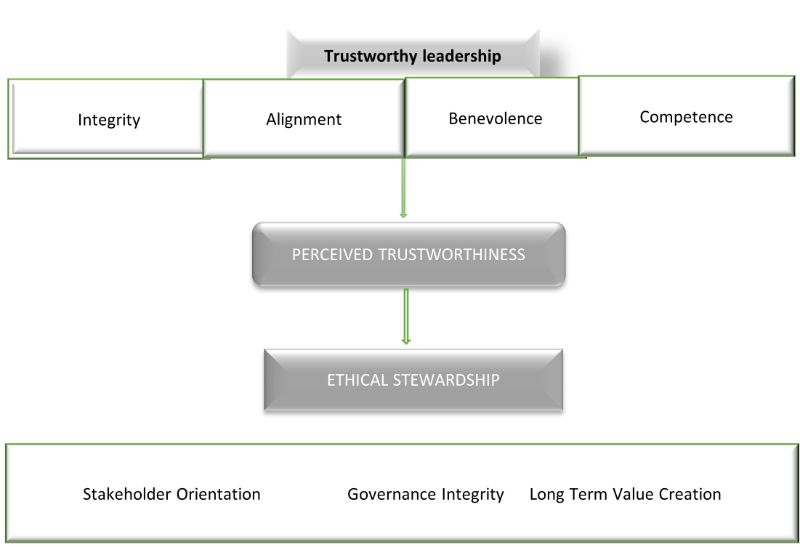
Figure 1; Trustworthy Leadership to Ethical Stewardship
Discussion and Synthesis
The results of this conceptual review revealed that trustworthy leadership and ethical stewardship are not separate entities but are significantly interrelated. Consistent with the study's objective, which aimed to explore the contribution of trustworthy leadership to ethical stewardship, the analysis illustrated that trustworthiness served as a behavioural precursor to governance focused on stewardship. Stewardship Theory offered the theoretical framework for this connection by suggesting that leaders can act in the collective interest when backed by governance systems rooted in trust (Torfing & Bentzen, 2020). The evidence examined indicated that trustworthiness allowed leadership actions to be perceived as aligned with the interests of stakeholders rather than driven by self-serving intentions.
In instances where leaders exhibited integrity, competence, and benevolence, followers were more inclined to view their actions as oriented towards stewardship. Integrity reinforced perceptions of moral consistency and ethical decision-making (Abdulai et al., 2025), while competence bolstered cognition-based trust in leadership abilities (Tomlinson et al., 2020). Benevolence fostered affect-based trust by demonstrating genuine concern for the well-
being of followers (Hiller et al., 2019). When these dimensions were present, trust functioned as a mediating factor between leadership behavior and favourable organizational outcomes (Lee et al., 2023). This directly supported the central thesis of the study, which posited that perceptions of trustworthiness influenced whether leaders were viewed as ethical stewards.
In contrast, when trust is lacking, even decisions framed within ethical parameters may be met with skepticism. Governance frameworks alone do not suffice to ensure perceptions of stewardship. Paper indicates that governance based on stewardship flourishes in contexts where relational trust is nurtured rather than enforced through control mechanisms (Dumay, La Torre & Farneti, 2019). In the absence of credibility and transparency, sustainability efforts or policies aimed at stakeholders may be perceived as merely symbolic or strategically motivated rather than genuinely principled. Consequently, trustworthiness has emerged not merely as an optional characteristic of leadership but as an essential prerequisite for genuine stewardship.
Thus, the synthesis reinforced the study's objective by illustrating that ethical stewardship requires both moral intent and relational credibility. It has been demonstrated that sustainable leadership and the creation of long-term value rely on governance strategies that incorporate responsibility, accountability, and stakeholder engagement (Rosário & Boechat, 2025; Pasupuleti, 2025). Nevertheless, such integration proves effective only when leaders are regarded as trustworthy. Ethical stewardship is therefore conceptualized as the result of trustworthy leadership functioning within a governance framework oriented towards stewardship. In this manner, the study made a theoretical contribution by establishing trustworthiness as the enabling condition through which ethical leadership evolves into sustainable organizational stewardship.
Recommendations
In accordance with the conceptual synthesis and aligned with the study's objectives, a series of recommendations has been proposed. Firstly, organizations ought to emphasize leadership development initiatives that intentionally foster integrity, transparency, and relational competence. Given that trustworthiness has been recognized as the behavioural cornerstone of ethical stewardship, leadership training must transcend mere technical skills and concentrate on ethical reasoning, the alignment of values with actions, and sensitivity to stakeholders. Cultivating leaders who embrace stewardship principles would enhance both the organizational culture and long-term sustainability.
Secondly, governance frameworks should promote trust-building behaviors instead of solely depending on compliance and monitoring systems. Governance that is oriented towards stewardship has demonstrated greater efficacy in settings where relational trust is complemented by structural accountability (Torfing & Bentzen, 2020; Dumay, La Torre, & Farneti, 2019). Consequently, organizations should create systems that foster transparency, shared responsibility, and ethical dialogue. By integrating trust into governance frameworks, organizations can mitigate opportunistic behaviors while reinforcing collective commitment.
Thirdly, future empirical studies should investigate the mediating effect of perceived trustworthiness between leadership behaviors and ethical stewardship outcomes. While this study has conceptually established the connection, both quantitative and qualitative paper are necessary to validate the proposed model across various organizational contexts. Paper could examine how integrity, competence, and benevolence affect cognition-based and affect-based trust (Tomlinson et al., 2020) and how these factors translate into quantifiable stewardship practices. Such empirical paper would not only advance theoretical development but also offer practical validation.
Ultimately, performance evaluation frameworks ought to integrate ethical and trust-oriented metrics in addition to financial indicators. The literature on sustainable leadership has highlighted that the creation of long-term value relies on the incorporation of responsibility and governance within strategic evaluations (Rosário & Boechat, 2025; Pasupuleti, 2025). Assessing leaders exclusively based on short-term financial results may compromise stewardship practices. By incorporating metrics related to stakeholder engagement, ethical behaviour, and the climate of trust, leaders would be motivated to align performance with principled governance.
Limitations
This paper was constrained by its conceptual framework. No empirical data were gathered, and the results were obtained from a systematic examination of chosen academic literature. Although this methodology facilitated theoretical integration, it did not allow for statistical analysis or contextual verification of the suggested relationships. Consequently, the conclusions remain interpretative rather than empirically substantiated. Furthermore, the review relied on a limited selection of foundational articles for each construct. While the chosen studies were theoretically sound and directly pertinent, they may not have encompassed the entire spectrum of scholarship regarding trustworthy leadership or ethical stewardship. More extensive systematic reviews or meta-analyses could provide further insights and alternative interpretations.
Conclusion
This paper conceptually explored the connection between trustworthy leadership and ethical stewardship through the framework of Stewardship Theory. In accordance with the objectives of the study, the analysis revealed that perceptions of trustworthiness were crucial in determining whether leaders were viewed as ethical stewards. Trustworthiness, which is based on integrity, competence, and benevolence, served as a mediating factor between leadership behavior and governance focused on stewardship. The results indicated that ethical stewardship transcended formal governance frameworks and compliance mechanisms. It was fundamentally based on consistent, value-oriented leadership behavior that nurtured relational credibility and stakeholder trust. In the absence of trust, stewardship intentions were at risk of being seen as merely symbolic rather than genuine.
Acknowledgments
The authors have read and agreed to the published version of the manuscript.
Author Contributions: Conceptualisation, Methodology, Primary Data Provision, Formal Analysis, Writing—Original Draft Preparation, Writing, Review and Editing done by all authors with equal contribution.
Conflicts of Interest: The authors declare no conflict of interest.
Use of Artificial Intelligence Statement
The authors acknowledge the use of artificial intelligence–assisted tools during the preparation of this manuscript. These tools were used to support language refinement, structural organisation, and clarity of presentation. All conceptualisation, theoretical framing, data interpretation, and scholarly arguments are the original work of the authors. The authors take full responsibility for the content, accuracy, and integrity of the manuscript.



Open Access By Aditum Open Access Journals id licensed under Creative Commons Attribution 4.0 International License. Based On a Work at aditum.org


