
The Journal of Social and Behavioral Sciences
OPEN ACCESS | Volume 3 - Issue 5 - 2026
ISSN No: 3065-6990 | Journal DOI: 10.61148/3065-6990/JSBS


Faith Dama Ndzai
School of Arts and Social Sciences, Maseno University, P.O BOX 75- 40300 Homabay.
Corresponding author: Faith Dama Ndzai, School of Arts and Social Sciences, Maseno University, P.O BOX 75- 40300 Homabay.
Received: August 10, 2026 | Accepted: August 17, 2026 | Published: August 26, 2026
Citation: Faith D Ndzai., (2026) “Examining the Effect of cash Transfer on Mutual Support among Beneficiaries of Older Persons Cash Transfer Programme in Urban Informal Settlements” Journal of Social and Behavioral Sciences, 3(5); DOI: 10.61148/3065-6990/JSBS/073.
Copyright: ©2026. Faith Dama Ndzai. This is an open access article distributed under the Creative Commons Attribution License, which permits unrestricted use, distribution, and reproduction in any medium, provided the original work is properly cited.
Cash transfer programmes are largely known for their capacity to reinforce social wellbeing afar reducing poverty, yet literature on their impacts on reciprocity among elderly people is limited. This paper examined the effect of the Older Persons Cash Transfer programme on mutual support among elderly beneficiaries in Kisumu Central Sub-County, Kenya. It employed cross-sectional descriptive design, data was gathered using semi-structured questionnaires, focus group discussions, and key informants. The findings revealed that OPCT facilitates financial security and builds interpersonal trust and mutual support among beneficiaries. However, family relationships continue to be the predominant source of financial, emotional, physical, and material assistance, whilst help from neighbours and the community at large is insufficient. Hence, OPCT’s influence on community support is restrained by limited CT, delayed payments, urbanization, destabilized family frameworks, and economic challenges. Reinforcing reciprocal support among elderly people, calls for predictable and sufficient CT alongside programmes that strengthen family and community support structures.
Older Persons Cash Transfer, mutual support, social protection, social capital, older persons, Kenya
1. Background of the Study
Globally, cash transfer programmes are a core element of social protection frameworks targeting reduction of poverty and vulnerability among marginalized communities. In the beginning it was structured to advance income security, CT are highly appreciated for their wider social influence, including reinforcing social associations, trust, reciprocity, and community support networks (UNDP, 2022; World Bank, 2022). This alteration displays advancing understanding of wellbeing exceeding income security to involve reaching supportive social networks that aid people in managing daily setbacks and unanticipated shocks. Among elderly whose livelihoods are repressed by weakening physical capacity, limited employment opportunities, and reliance on others for care and support, mutual support stand out as a vital element of social wellbeing.
Mutual support is described as reciprocal relations of resources, feelings, practical, and informational help among groups (Marchal, Marx, & Van Mechelen, 2021). This may involve lending and borrowing material, distributing information, support during emergencies, provision of caregiving aid, and engaging in collaborative problem-solving. These exchanges are essential for the elderly as they cover for insufficient formal welfare structures and decreasing household support frameworks (Natili & Van Mechelen, 2020). In several developing nations, mutual support has regularly been confined around family ties, religious memberships, neighborhood associations, and community networks (Evans & Kosec, 2023). However, these traditional support systems have been weakened by economic pressures, migration, shifting family frameworks, and rapid urbanization; cumulating the dangers of social isolation among older persons.
Literature on the effects of cash transfer on mutual support are continually unsatisfying. Research in Latin America reveal that cash transfer can better beneficiaries’ capacity to engage in social networks and interchange help, hence, solidifying social associations (Attanasio et al., 2015; Millán et al., 2019). Contrastingly, other scholars mention that targeted transfers result into jealousy, thoughts of unfairness among non-beneficiaries, and exclusion, theoretically weakening community cohesion, and traditional support structures (Camacho, 2014; Idris, 2017). Likewise, contradictions have been revealed in Asia, as some scholars show that social assistance programmes encourage social involvement whilst others realized a decrease in dependence on community-based aid support systems because of excessive reliance on formal assistance (Hossain & Pritchard, 2018). These unreliable results demonstrate that the connection between cash transfer and reciprocity are context-specific and cannot be generalized across settings.
In Africa, cash transfer programs have often been linked to wider social results, including reinforced social linkages, dignity and inclusion (Davis et al., 2016; Handa et al., 2018). Nonetheless, literature is highly grounded on the program’s effect on health, poverty, education, and consumption outcomes, with comparatively insufficient focus on transfer mechanisms influencing mutual support among beneficiaries. Whilst examining social outcomes, social cohesion has been envisaged as a wider concept without isolating particular domains like mutual support (Handa et al., 2018; Hidrobo et al., 2020). Accordingly, there is insufficient comprehension of whether beneficiaries and willing and capable to help each other after receipt of the cash or whether they non-purposefully weaken traditional mutual structures by altering prospects of support from groups to the government. The Older Persons Cash Transfer program in Kenya was intended to provide consistent financial support to vulnerable elderly people aged 70 years and beyond. Literature has presented positive and negative social outcomes of the program. A study carried out in 2021, illustrate improved social status among beneficiaries, increased involvement in social groups, and capability to contribute to family and community responsibilities (Kubai, 2021). On the contrary, other research document family conflicts, withdrawal of help from family, and strains emerging from thoughts of unequal distribution of program benefits (Mbabu, 2017; Onyango-Ouma & Samuels, 2012). These studies present significant highlights, they display limited clarification of how cash transfer impact mutual support connections among beneficiaries. Precisely, there is dearth of information to whether beneficiaries build solid networks of aid, practice lending and borrowing schedules, support each other when in need, or construct new kinds of reciprocity connected to their collective engagement in the program.
In the urban informal settlements this gap is apparent, since social relations are highly distinct from those in the rural communities. Kisumu Central Sub-County is a good context for exploring these dynamics since it has a high number of informal settlements and an increasing number of elderly people who are exposed to economic vulnerability and damaged traditional support frameworks (Kinyanjui, 2020). In as much as cash transfers target development of economic security, it is not known whether they build mutual support among beneficiaries or they simply substitute present informal support structures. Moreover, existing literature in Kenya is grounded on beneficiary-non-beneficiary connections, program installation setbacks, or household welfare outcomes, resulting into insufficient understanding of the nature of support interactions among beneficiaries. Notwithstanding the increasing realization that mutual support is important for healthy ageing, it is uncertain whether OPCT reinforces or deteriorates mutual support among beneficiaries. The CT might facilitate upsurge among beneficiaries capacity to lend, borrow, share material, and help each other. Again, it may also decrease reliance on traditional support frameworks or create conflicts that challenge reciprocity. Subsequently, the social influence of OPCT goes past income security and calls for empirical examination.
Hence, this study is essential because existing literature has insufficiently explored how cash transfers impact reciprocal support among beneficiaries’ specifically elderly people living in urban informal settlements. Despite past studies present significant highlights into household welfare, OPCT implementation, and linkages between beneficiaries and non-beneficiaries themselves. There is dearth of information about how elderly beneficiaries advance and sustain mutual support by lending, caregiving, sharing information, borrowing, and other kinds of reciprocity. Moreover, numerous present scholarships have been carried out in rural contexts and are primarily grounded on quantitative assessments, presenting insufficient highlight into daily relational procedures through which reciprocal support is constructed and retained within urban informal settlements. From this background, this study sought to answer the following research question: How does OPCT programme influence mutual support among beneficiaries in Kisumu Central Sub-County, Kenya?
This study adds to the advancing literature on the social consequences of CT by looking at reciprocity as a different domain of social cohesion among OPCT beneficiaries in an urban informal settlement setting. Dissimilar from past studies that have predominantly looked at implementation processes, household welfare, and connections between beneficiaries and non-beneficiaries, this study provides evidence aligned to settings on how OPCT beneficiaries create and sustain mutual support through borrowing, sharing information, lending, caregiving and other kinds of mutual help. The results are an extension of social capital theory by illustrating how CT define mutual support and other assisting social networks among the elderly. From the perspective of policy, the study presents proof that shape the design and employment of social protection programmes that reinforce reciprocity alongside economic security, specifically among marginalized older communities living in urban informal settlements.
1.1 Social Capital Theory
Using the Social capital Theory, this study intellectualize mutual support as a consequence of social relationships featured by reciprocity, network connections and trust. In 2000, Putman suggests that social capital enhances shared and collaborative action by allowing people to access resources integrated within social frameworks (Putman, 2000). Looking through the lens of this model, cash transfer is likely to build mutual support by improving beneficiaries’ capability to engage in reciprocal interactions and sustain social responsibilities. On the contrary, if CT results in dependency, rivalry and social differentiation, they may weaken current reciprocity networks. Hence, Social Capital Theory presents a significant structure for understanding how access to financial resources relate with social interactions to impact mutual support among elderly persons.
Using the lens of social capital model, sustenance of mutual support is achieved through regular exchanges of help that strengthen trust, reciprocal support, and shared responsibilities among people. These interactions may involve borrowing and lending resources, information sharing, collaborative response in times of need, caregiving, and emotional support. When beneficiaries continuously participate in such exchanges, they develop highly reliable social relations, constructing networks through which support can be organized when people experience economic or social setbacks. From this theory, the worth of CT goes beyond advancing household income to fortifying beneficiaries’ capability to engage in mutual support systems that enhance resilience and wellbeing.
In the settings of OPCT programme, social capital perspective argues that continuous financial support might facilitate beneficiaries’ capability to contribute to mutual interactions and not to remain inactive inheritors of help. Developed financial capacity may enhance lending of manageable amounts of money, share household resources, assist each other during emergencies, and sustain interactions based on trust and reciprocal responsibilities among the elderly. Nevertheless, when CT is insufficient, inconsistent or considered to build inequalities, they may destabilize mutual support by damaging trust and discouraging collaborative support. Subsequently, the theory provides a suitable analytical structure for describing how OPCT impacts reciprocity among beneficiaries in Kisumu Central Sub-County by clarifying the social procedures through which financial resources can either fortify or deteriorate mutual support frameworks among the elderly.
2. Cash Transfers and Mutual Support among OPCT Beneficiaries
Cash-based social support in the Europe has been reported to either strengthen or weaken informal care structures. Documentation on minimum income schemes and non-contributory pensions show that expectable transfers develop the capability of beneficiaries to reciprocate within social frameworks, so strengthening mutual support and decreasing stigma-linked to dependency (Natili & Van Mechelen, 2020; Marchal et al., 2021). Contrastingly, other scholars present a crowding-out impact whereby formal aid decreases dependence on family and community structures, possibly weakening daily reciprocity practices (Oware, 2022). This contradicting results insight the need to improve understanding on whether cash transfer supplement or replace current support relationships.
Asia also demonstrate same patterns as Europe. Studies from Philippines and Indonesia show that cash transfers can facilitate participation in traditional savings groups and improve beneficiaries’ capacity to provide small-scale help to peers because of developed financial liquidity (Evans & Kosec, 2023; Chaudhury et al., 2018). Conversely, evidence from India and Bangladesh mention that formal transfers might decrease dependence on family-based support frameworks, thus changing traditional customs of reciprocity (Hossain & Pritchard, 2018; Bhalla, 2019). Although these studies demonstrate valuable highlights, they are highly focused on quantitative impact assessment and present inconclusive understanding of how mutual support is practiced and conveyed in day-to-day social interactions.
Literature from Africa generally show the possibility of cash transfers strengthening mutual support by enhancing beneficiaries to share material, engage in table-banking arrangements, and contribute to traditional social frameworks (Davis et al., 2016; Bastagli et al., 2019). Nonetheless, the level of these gains always depend on the probability and sufficiency of transfer payments. Imbalanced distribution might destabilize trust, reduce reciprocity, and limit the steadfastness of support exchanges. Furthermore, numerous continental evidence are focused on social outcomes within wider domains like social cohesion and social capital, with limited highlights into mutual support as a different spec of social relationships. Sub-Saharan Africa displays the same mixed findings. Research conducted in Malawi and Zambia illustrate that frequent cash transfers can strengthen local insurance structures by facilitating beneficiaries to both deliver and receive assistance in times of need (Handa et al., 2018; Hidrobo et al., 2020). Conversely, if program purpose is disputed or when material is limited, transfer may produce jealousy and decrease readiness among community members to offer help (Roelen et al., 2017). Regardless of these highlights, majority of research are based on household or community-level results, with limited attention to support structures that arise from the beneficiaries of older persons cash transfer.
In East Africa, cash transfer programs are connected to high involvement in savings groups and local lending patterns among recipients (Emaase et al., 2023; Evans & Kosec, 2023). However, literature also reveals that delayed or limited payments can damage reciprocal interactions and weaken support networks (Oxford Policy Management, 2018). Additionally, contemporary scholars primarily focused on rural communities, restraining understanding of how mutual support works within urban informal settlements where social interactions are often unsolidified and less dependent on kin frameworks. Likewise Kenyan studies present cash transfer as a pathway to accessing informal credits, involvement in loaning and savings groups, and peer-based aid among beneficiaries (Haushofer & Shapiro, 2018; Wanyama & McCord, 2017). Again, there are records of household conflicts, misappropriation of funds, and thoughts of unfair beneficiary selection patterns illustrating the possibility of cash transfers straining social relationships and weakening reciprocity (Oware, 2022; Kinyanjui, 2020). Yet, existing studies have been based on caregiver dynamics, household welfare, and impact at the community level. This limits evidence on how elderly beneficiaries support each other through borrowing, lending, distributing materials, or any other kind of reciprocal support.
Kisumu Central Sub-County has been characterized by informal settlements, significantly challenged weak social networks, and poverty (KIPPRA, 2019; UN-Habitat, 2020) with limited evidence between OPCT and mutual support. Despite the program targeting improvement of elderly people, there is limited knowledge about its contribution in strengthening reciprocal support frameworks among beneficiaries or changing current arrangements of mutual support, particularly under circumstances of delayed or limited payments. This gap is essential since mutual support is a significant component for elderly people whose wellbeing is not only dependent on economic security but also on access to stable social relationships. Guided by social capital model, this study investigated how OPCT program influenced mutual support among beneficiaries in Kisumu Central Sub-County. Hence, handling relevant empirical and contextual gap in social protection domain.
3. Methodology
3.1 Study Design and Area
A cross-sectional descriptive design was used to evaluate how the OPCT programme impacts reciprocal support among beneficiaries in Kisumu Central Sub-County, Kenya. The design utilized both qualitative and quantitative techniques to obtain the frequency and lived experiences of reciprocity among elderly people getting CT. Quantitative data provided proof of statistical patterns of mutual support, whist qualitative data presented in-depth highlights into how OPCT beneficiaries retain, negotiate and encounter interactions within their social frameworks. Amalgamation of the two approaches facilitated the rationality and understanding of the results through triangulation of methods.
The study was carried out in Kisumu Central Sub-County; which is one of the eight sub-counties in Kisumu County, Kenya. The area is made of six administrative wards namely: Nyalenda B, Market Milimani, Migosi, Kondele, Shaurimoyo-Kaloleni, and Railways. Selection of Kisumu Central was based on it hosting a large population of older persons benefiting from OPCT programme as well as numerous informal settlements featured by social vulnerability, deteriorating traditional support frameworks, and poverty. These features made it an appropriate context for evaluating the connection between CT and reciprocity among older persons.
3.2 Study Population, Sample Size, and Sampling Procedures
He study population was 1, 135 OPCT beneficiaries in Kisumu Central Sub-County as per the Department of Social Development in 2024. Inclusion criteria accommodated beneficiaries aged 70 years and above enrolled in OPCT programme for not less than a year. Beneficiaries who were critically ill, incapable of effective communication, bedridden, or registered in other government CT programmes were exempted from the study. Additionally, Key Informants were obtained identified from institutions engaged in programme implementation and community welfare. These were local administrators, non-governmental organizations, social development officers, and community-based organizations operating with elderly people.
The sample size was arrived at using Slovin’s formula for finite populations with a 5% margin of error. Working with a population of 1, 135 OPCT beneficiaries, a sample size of 296 respondents were attained. A rate of 10% was integrated to cover for possible non-response, summing to a total sample size of 326 OPCT beneficiaries.
To have a representative sample, the beneficiaries were uniformly allocated across the six wards of Kisumu Central Sub-County. A stratified sampling technique was employed to achieve representativeness in each ward, after which systematic random sampling was employed to select respondents at an interval of four from the beneficiary list obtained from the Department of Social Development.
Lastly, 12 key informants were purposively selected on basis of their engagement in programme implementation and community assistance frameworks. Again, 6 Focus Group Discussions (FGDs) made of three male and three female groups with 8 participants in each, were carried out to gather detailed perspectives on reciprocity encounters among beneficiaries.
3.3 Data Collection
3.3.1 Quantitative Data
Quantitative data were gathered using semi-structured questionnaire administered to the 326 OPCT beneficiaries. The questionnaire collected information on diverse domains of mutual support, comprising borrowing and lending activities, caregiving, sharing resources, emotional help, emergency assistance, and engagement in informal support structures. Respondents were also questioned regarding the extent the OPCT beneficiaries impact their capacity to provide or receive assistance from fellow beneficiaries and other community members.
Qualitative data was captured through Focus Groups Discussions and Key Informant Interviews. The KIIs provided highlights into how OPCT programme affects support networks among elderly people and the elements that enhance or limit mutual help. Conversely, FGDs evaluated beneficiaries’ encounters of lending and borrowing support, alterations in mutual help following enrollment in the programme, and the influence of payment sufficiency and timeliness on assistance interactions.
3.4 Data Analysis
Using the Statistical Package for Social Sciences (SPSS), quantitative data was keyed in, cleaned and analyzed. The summary of the indicators of reciprocity among beneficiaries were presented in descriptive statistics such as frequencies and percentages. To explore the connection between the programme and reciprocal support, an amalgamated mutual assistance index was constructed from features such as financial support, caregiving, reciprocity, sharing resources, and emotional assistance. Pearson’s correlation analysis was then used to evaluate the relationship between CT involvement and levels of reciprocity among beneficiaries. Assessment of statistical significance was done at 95% confidence level.
Data from FDGs and KIIs were transcribed verbatim and analyzed thematically. An inductive-deductive technique was used to analyze the themes, as they were identified from the data based on the guidelines of Social Capital Theory. Much focus was given to themes linked to mutual support, resource sharing, trust, collaborative action, traditional safety nets, and help in times of financial hardship. The findings from qualitative analysis were then utilized to supplement and elaborate quantitative findings.
3.5 Ethical Considerations
Ethical authorization was obtained from Maseno University Ethics Review Committee (MUERC), whilst research permit was obtained from the National Commission for Science, Technology and Innovation (NACOSTI). Before data collection, a written consent form was attained from all participants. The participants were voluntary and respondents were fully educated on their right to withdraw from the study at any phase. Anonymity and confidentiality were observed all through the research process, and no identity information was integrated in the analysis or when reporting the findings.
4. Findings and Discussions
4.1 Theme 1: Financial Support as a Basis for Reciprocity
The OPCT programme is appreciated for providing a significant source of financial assistance for elderly people in Kisumu Central Sub-County. However, study results revealed that its contribution to mutual assistance is limited by uneven disbursement calendars and the insufficient adequacy of the transfer. Although beneficiaries are to receive Kshs. 2000 monthly, evidence from both qualitative and quantitative findings display that payments are untimely and consequently disbursed as lump sums to cover for delayed months. Instead of foreseeable monthly income, OPCT always disburses Kshs. 6000 after three months or Kshs. 8000 after four months, resulting into doubt in household financial planning and damaging beneficiaries’ capacity to meet present needs. As a programme officer illustrated, “Although the programme is intended to pay monthly, sometimes there are delays in the payment cycle, and when that happens, they are paid together for the months missed” (KII#2). Likewise, a FGD participant reported:
At times it delays, for even 2 months and when it’s sent… there is a time it delayed for 3 months and then I received 4000 shillings after the delay and 2000 balance was sent in the next month. So it delays it is not consistent like we were told it’s to be sent monthly. But even if it’s delayed they send it. (FGD#4)
These narrations display that although beneficiaries finally receive the full entitlement, late payments weaken the predictability that is core to efficient social protection. Elderly people are not able to plan expenses for utilities, food, medication, and other significant needs, imposing them to suspend purchases or seek help from relatives and neighbours until payments are disbursed. The approval mirrored in the statement “but even if it’s delayed they send it” shows adaptation to OCPT inconsistencies and not gratification with payment frameworks. Likewise, worries have been recorded elsewhere in Sub-Saharan Africa, where inconsistent CT decreases the capability of social protection programmes to steady household consumption and financial security (Orondo et al., 2022; Chepngeno-Langat et al., 2023). Besides economic irregularity, delayed payments also challenge beneficiaries’ ability to reciprocity within their social nets, hence restraining their involvement in daily reciprocity that stabilizes mutual support.
The results also show that the value of the CT is not sufficient to support the beneficiaries’ throughout the envisioned monthly payment cycle. Table 1 demonstrates that close to 50% of the respondents mentioned the CT lasting for only two weeks, while 44.2% used it up in one week. Only 6.4% reported that CT meeting their needs for the whole month.
Table 1: Distribution of Respondents with Regard to the Period the Money Received Supports OPCT needs
|
|
Frequency |
Percent |
|
One Week |
144 |
44.2 |
|
Two Weeks |
161 |
49.4 |
|
Monthly |
21 |
6.4 |
|
Total |
326 |
100 |
The fast depletion of OPCT funds reveals the contending demands engaged on CT, especially expenses on household needs, food, caregiving, and medication. A programme officer pointed out these challenges, reporting that, “it helps, but it cannot cover an entire month; most older persons finish it within the first or second week” (KII#10). This encounter was reverberated in FGDs:
Many beneficiaries spend the money on essential food and medication immediately after receiving it, leaving little to stretch through the month. By the second week most of them are already waiting for the next payment because the money goes to food straight away. (FGD#5)
These results show that beneficiaries rank direct consumption necessities over savings or investments, presenting a high rate of poverty, upsurge in living costs and among OPCT beneficiary households. Similar circumstances have been envisaged in Kenya, where OPCT beneficiaries primarily assign CT to food, medication, and other important expenses, resulting in quick depletion of the available resources (Gichuru et al., 2020; Orondo et al., 2022). The minimal purchasing power of the CT is also worsened by inflation, especially rising coats of medication and food, decreasing its efficiency in securing elderly people against economic susceptibility.
Qualitative findings also showed that CT not only assists the beneficiaries themselves but also the other members of the household. A participant challenged the perspective that elderly people are purely depend on others, saying:
So the government needs to increase the CT so that the elderly find a way to support their responsibilities because the government assumes they are supporting the person because you are elderly you have no children you had already finished caring for children. Yes, could be the children you gave birth to and educated have all died and left you with the grandchildren you have to provide care to them. (FGD#1)
This narration reveals that numerous beneficiaries continue bearing essential family obligations regardless of their advanced age. Besides serving only beneficiaries consumption, the CT are regularly shared among multigenerational households, purchasing food, medication, education, and other household necessities for dependents and grandchildren. Past scholarship in Kenya report similar circumstances around elderly people as they highly operate as household heads and caregivers, especially in the settings influenced by migration, orphanhood, and unemployment (Ndung’u & Mbaabu, 2022; Gichuru et al., 2020). Subsequently, the CT supports households whilst concurrently increasing pressure on its minimal value. Regardless of these challenges, respondents steadily appreciate the significance of the programme in advancing their wellbeing. As a programme officer said:
Generally, the programme has been very helpful. Many of the older persons use the money to buy food, medicine, and other household essentials. For some, this is the only income they have. You find that some are also taking care of grandchildren, so the cash transfer helps to reduce that burden. It may not be a lot of money, but it gives them some dignity and support. (KII#2)
This statement insights the double role of OPCT. Even though the CT is limited to adequately provide retained financial security, yet it decreases instant hardship and enhances beneficiaries to retain a limited rate of dignity and independence. Its importance therefore goes past economic help to support beneficiaries’ capability to engage, albeit modestly, in mutual family and community interactions.
Generally, the results show that OPCT operates predominantly as a temporary financial cushion and not an all-inclusive source of livelihood assistance. Delays in payment, the minimal value of CT, and the several household demands placed upon it display that beneficiaries continue to depend on kin, neighbours, religious groups, and other traditional support frameworks once the CT is depleted. Subsequently, financial support through OPCT supplements and does not substitute present reciprocity frameworks, illustrating that reinforcing the wellbeing of elderly people calls for not only sufficient income aid but also retained family and community-based structures of care.
4.2 Theme 2: Family Networks as Primary Source of Reciprocity
The findings exhibit that family networks continue to be the foundation of reciprocity among OPCT beneficiaries regardless of the accessibility of government CT. While OPCT provides provisional financial assistance, it does not weaken beneficiaries' dependence on close relations for social, physical, material, and emotional help. Instead, the CT seems to supplement family care patterns, with beneficiaries’ continuously recording children, siblings, and other close kinsfolks as their major source of support whenever CT is depleted. This arrangement recognizes the persistent essence family ties in maintaining the wellbeing of elderly people, specifically in settings where formal social protection continues to be limited.
The study findings in Table 1.1 display that once OPCT funds are exhausted, 62.2% of beneficiaries obtain help from family members, considerably surpassing dependence on friends, chamas, religious groups, or fellow beneficiaries. Although a smaller percentage mentioned involving in casual labour (12.9%) or running small enterprises (16.0%) to complement their livelihoods, these practices often mirror managing techniques employed when family assistance or CT are limited instead of substitutions to family care.
Table 1.1: Distribution of Respondents with Regard to Alternative Sources OPCT Turn to for Help
|
|
Frequency |
Percent |
|
Only Family Members |
202 |
62.2 |
|
Friends (None OPCT beneficiaries) |
10 |
3.0 |
|
Friends (OPCT beneficiaries) |
7 |
2.2 |
|
Religious Group Members |
7 |
2.2 |
|
Chama |
5 |
1.5 |
|
Casual Labour |
42 |
12.9 |
|
Business |
53 |
16.0 |
|
Total |
326 |
100 |
Beneficiaries' statements also demonstrated the persistent supremacy of family kinship. One respondent described those helping as "They are my close relations, my children" (Respondent#309), while another mentioned that "Once an old person, the only people left in your life are your family; nobody else can help apart from people you supported when you were strong" (Respondent#223). These verbatim suggest that reciprocity within families is based on longitudinal interactions of mutual help, where support provided in old age is considered as a persistent responsibility built over life course and not charity. Similar occurrences have been recorded in Kenya, where intergenerational mutual support continues to construct caregiving regardless of upsurge in socioeconomic forces on families (Emaase et al., 2023; Gichuru et al., 2020).
The qualitative narrations further show that kinship support continues despite enrolment in OPCT. A key informant clarified:
They are being supported by family their siblings, friends, like I have one who is my neighbour that the children are supporting even if that money is not there she gets support even if she gets the money these people continue supporting. (KII#12)
Information from KII#12 suggests that the receiving CT does not substitute contemporary caregiving patterns but it enhances resources available at the household to support elderly people. In place of decreasing family obligation, OPCT seems to minimize the financial liability carried by kinship whilst allowing families to continue providing care. Far from financial support, family members also present numerous kinds of help that go past the domain of CT. The results suggest that among beneficiaries receiving support from family, almost all (99.2% in Table 2) mentioned receiving financial aid, food provisions, physical care when ill, and social or emotional assistance signifying that family care is multifaceted and not tied down to a particular type of support.
Table 2: Distribution of Respondents with Regard to Receiving Support from Family Members *Kind of Support Received.
|
|
If yes, specify the kind of support you receive from them? |
|||||
|
Financial Support |
Food Supplies |
Physical support especially when sick |
Social support |
|||
|
Since you were enrolled in OPCT do you receive support from any family members? |
Yes |
Count |
127 |
174 |
96 |
182 |
|
% within Receive support from any family members? |
99.2% |
99.4% |
100.0% |
99.5% |
||
|
No |
Count |
2 |
4 |
3 |
8 |
|
|
% within Receive support from any family members? |
40.0% |
178.0% |
99.5% |
100.0% |
||
|
Total |
Count |
129 |
178 |
99 |
190 |
|
|
% Receive support from any family members? |
97.0% |
99.4% |
99.5% |
99.5% |
||
These findings show that where family aid occurs, it handles both quantifiable and psychosocial necessities consecutively. A local administration in the area highlighted this multifaceted role by saying that "many older persons still depend heavily on close relatives... especially when they are sick or when the money is finished" (KII#4). Similarly, one beneficiary described, "...My children always check on me and sometimes buy medicine or food when I cannot manage" (FGD#2), while another stated that "Family is the first place I go when things are difficult" (Respondent#45). Together, these statements establish that kinship continues to operate as the major providers of care in times of illness, financial challenges, and emotional suffering. Accordingly, OPCT improves household capability to provide help but does not substitute the interpersonal connections through which such help is conveyed.
Contrastingly, the results also display important changes in the nature of family assistance. Though most beneficiaries acknowledged receipt of relative support, the rate of help shows that caregiving has become highly irregular. Monthly support was the most frequently mentioned arrangement, whereas daily and weekly help was noticeably less recurrent.
Table 3: Distribution of Respondents with Regard to Frequency of Receiving Family Support
|
|
Frequency |
Percent |
|
Daily |
59 |
19.4 |
|
Weekly |
24 |
7.9 |
|
Fortnightly |
4 |
1.3 |
|
Monthly |
172 |
56.6 |
|
None |
67 |
14.8 |
|
Total |
326 |
100 |
The prevalence of monthly aid replicates wider social and economic alterations affecting kinship caregiving. Migration, unemployment, shifting household frameworks, and upsurge in economic hitches have decreased the capacity of adult children to regularly provide support regardless of retaining emotional interactions with older kinship. As one participant described:
Most of our children no longer stay here. They moved to town or other places for work, and they rarely come home. So even if you have family, you are basically alone. You cannot depend on anyone because they are far and also struggling with their own lives. (FGD#3)
This narration clarifies that decreasing regularity of help does not certainly imply destabilized kinship relationships but rather echoes structural restraints that limit consistent caregiving. Comparable arrangements have been acknowledged through Sub-Saharan Africa, where labour immigration and economic uncertainty have altered traditional family assistance frameworks, resulting in less regular but still expressive intergenerational support (Aboderin, 2017).
Economic challenges also restrains families' capacity to accomplish caregiving obligations. One key informant perceived:
These days life is very expensive. Even the young people are jobless, so they say they cannot assist. You find that instead of them supporting you, you are the one helping with the little cash transfer you get. So the support is not there, not because they don't love you, but because they also have nothing. (KII#10)
This finding displays a significant turnaround in informal support interactions. Instead of elderly people solely depending on younger kin members, the programme helps some beneficiaries to share their few resources with unemployed children and grandchildren. Therefore, CT funds household resilience and not only the individual beneficiary, although this extra obligation also decreases its ability to meet the beneficiary's own needs.
In spite of the persistent essence of family assistance, the findings also highlight a vulnerable marginalized for whom family care has destabilized or extinct altogether. An officer in the social service department revealed that "Some families have abandoned the elderly, or they live far away, so these older people depend mostly on themselves" (KII#3). Similarly, one participant explained:
Some of us have strained relationships with our families. Maybe there were disagreements in the past, or the children feel we are a burden. So they don't come to check on you, and you have to manage alone. You can stay for months without seeing anyone from your own home. (FGD#1)
These interpretations illustrate that whilst family stands as the leading source of reciprocal support, access to such assistance is not collective. Kinship collapses, long-term migration, and economic challenges have left some elderly people socially secluded regardless of their enrolment in OPCT. Such instances are of high concern because CT alone cannot recompense for lack of everyday caregiving, company, and emotional help usually provided through kinship.
Again, another key informant underscored that the obligation to care for elderly people should continue to be carried out with families regardless of government support, arguing that: “...at the age of 70 may be you will have a son or a daughter who is supposed to support you so by getting the 2000... does not exempt you from taking care of your mother”. (KII#7)
This viewpoint echoes the durable cultural anticipation that kin members maintain primary accountability for older persons care even after the provision of formal social protection programmes. Therefore, the results argue that OPCT has not supplanted informal systems of cross-generational assistance but has alternatively become merged within them.
Largely, the evidence establishes that kinship networks proceed to institute the predominant source of reciprocity among OPCT beneficiaries. The CT improves household capability to provide care by augmenting little resources in the family, yet it is continuously insufficient to substitute the financial, social, emotional, and physical support acquired through family networks. Additionally, alterations of family systems, relocation, unemployment, and economic setbacks have decreased the regularity of caregiving, leaving some elderly people highly vulnerable regardless of persistent cultural prospects of intergenerational assistance. These findings reveal that the efficiency of OPCT in reinforcing reciprocity relies not only on existence of financial support but also on the resilience of kinship interactions within which that support is integrated.
4.3 Theme 3: OPCT Reinforces Interpersonal Trust but has Limited Effects on Social Relationships
The findings validate that the programme has enhanced reinforcement of interpersonal trust among beneficiaries, though its effect on wider arrangements of social relations are less evident. Shared involvement in OPCT has provided opportunities for elderly people to relate, reciprocate information, and assist each other, especially during periods of payment and debates around delayed disbursements. Whilst the relations have promoted openness and greater trust among several beneficiaries, advancement in communication has been highly imbalanced, displaying that the programme reinforces given areas of mutual assistance without basically changing daily social interactions.
The study also demonstrated that more than half (81.1%) of the respondents echoed an advancement in trust among OPCT beneficiaries on basis of being part of the programme, whilst a small percentage revealed no advancement or were not sure. This arrangement suggests that engagement in OPCT has positive effect on beneficiaries’ confidence in each other, constructing a state that motivates mutual relationships and collaboration.
Table 4: Distribution of Respondents with Regard to OCPT Program Improving the Level of Trust among the Beneficiaries
|
|
Frequency |
Percent |
|
Yes |
262 |
81.1 |
|
No |
48 |
14.9 |
|
Don’t Know |
16 |
4.0 |
|
Total |
326 |
100 |
The qualitative results second how trust has advanced among beneficiaries. One participant elaborated that: “Since the cash transfer started, you find that older people talk more openly because they feel recognized. Even when we meet in groups, there is more openness and honesty. So yes, it has improved trust among us”. (FGD#2)
This statement displays that OPCT has reinforced trust by bringing back a sense of acknowledgement and participation among elderly people. Beneficiaries no longer consider themselves to be exposed to hardship in seclusion but identify with a broader community encountering alike situations. Shared membership in OPCT seems to decrease feelings of stigma whilst paving opportunities for collaborative apprehension and reciprocal guarantee.
A similar opinion emerged from another participant who reported:
We used to hide our problems because we felt ashamed, but now we know others are also beneficiaries and facing similar challenges. It has brought a sense of togetherness, and people are more willing to support one another lending small amount because we are sure they will return when they are given money by the government. (FGD#3)
This verbatim shows that trust goes past emotional guarantee to practical kinds of reciprocal support. The future anticipation of OPCT payments builds confidence that the borrowed money will be repaid. Motivating beneficiaries to lend small amounts to one another in times of financial hardships. Besides, creating dependence, the programme seem to enhance mutual assistance by limiting doubt around repayment. Likewise, findings have been mentioned in social protection literature, where anticipated transfers solidify informal financial assistance by facilitating assurance within present social networks (KNBS, 2019; Oware, 2022). However, these improvements in trust were not encountered equally across the group. A local administrator in the study area noted: “To some extent it has improved trust, but not completely. Some neighbours think others are favoured in registration, so there is still suspicion. But among the beneficiaries themselves, there is more openness than before”. (KII#11)
This reporting illustrates that OPCT has fortified trust predominantly within the beneficiary sub-community instead of the wider community. Whilst beneficiaries largely consider each other as partners experiencing similar setbacks, attention related to beneficiary selection continue to create suspicion among non-beneficiaries. Anticipated imbalances in OPCT programme targets, inhibits the wider social gains of the programme regardless of advancement in beneficiary networks. A conflicting perception further showed the complication of these social outcomes. One participant said:
For me, I don't think it has improved trust. If anything, it brings small conflicts, especially when people feel left out or when families argue about who controls the money. So the trust is not as strong as people claim. (FGD#5)
His narration reveals the unplanned social conflicts likely to accompany CT programmes. Despite OPCT fortifying trust for several beneficiaries, controversy over control of resources within households and thoughts of ejection among non-beneficiaries can weaken social cohesion. Subsequently, the programme creates both collaboration opportunities and sources of dispute, depending on personal and group encounters. The results on communication display a more subtle arrangement. Whilst numerous respondents recorded advancements in open communication in line with enrollment in OPCT, a given portion perceived no change or were unsure whether there was improvement in communication.
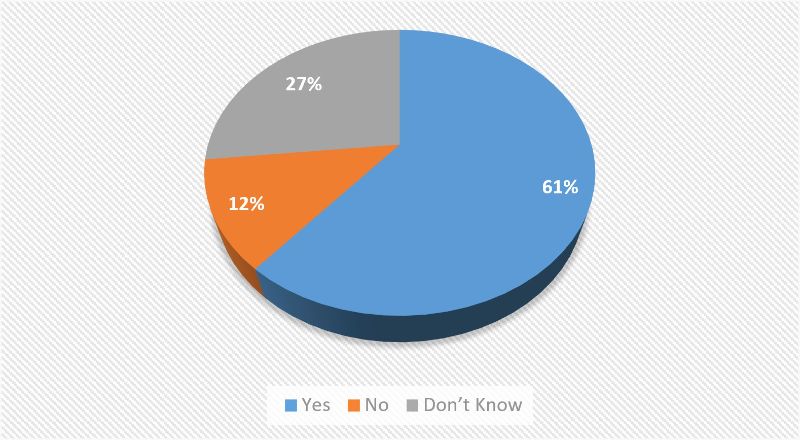
Figure 1: Distribution of Respondents with Regard to OPCT Program Improving Open Communication
The findings recommend that facilitated communication is less widespread than upsurge in trust. For many OPCT beneficiaries, chances to relate come up majorly during programme-related activities and not via maintained daily participation. One respondent recorded: “It has helped us talk more freely. When we meet to collect the money or discuss payment delays, we share our challenges openly. Before, everyone kept their struggles secret, but now we know we are facing the same issues”. (Respondent#78)
Similarly, a programme officer observed:
For me, the programme brought them closer. They check on each other, especially when payments delay and they meet at the market when they go to get the money from Mpesa Agents. Because of that, communication has become more open. (KII#8)
These verbatim suggest that the programme constructs traditional platforms where beneficiaries exchange information, share regular setbacks. And provide updates about payment plans. Payment collection points and local markets are significant places for social relations, permitting beneficiaries to build interactions that go past financial exchanges. Such experiences encourage openness and enhance sharing encounters, thereby fortifying reciprocity understanding among OPCT participants. However, benefits of communication continue to be uneven since not all beneficiaries engage equally in these relationships. Some elderly people continue to encounter insufficient connection with fellow beneficiaries despite getting CT. As one participant illustrated:
It has not changed much. Everyone still minds their own business. Even if we are beneficiaries of the same programme, people do not discuss their problems openly. They only wait for their money to get to their phones and life goes on. (FGD#2)
Likewise another respondent remarked: “I am not sure because I don't meet with other beneficiaries often. I just receive my money and send my grandchild to withdraw it, so I cannot tell whether communication has improved or not”. (Respondent#200)
These statements reveal that OPCT’s effect on communication is highly grounded on opportunities for face-to-face relation. Beneficiaries who collect CT personally or often engage in community practices have high chances of developing relationships with fellow OPCT members. Conversely, beneficiaries with limited mobility or those depending on kinship members to access the CT have less chances to participate with others, decreasing chances of the programme to fortify daily social relations. The frequent use of mobile payment systems may extensively limit predictable experiences that occurred in the past during centralized payment days, thus restraining chances for building relationships amidst persistent programme involvement.
Conclusively, the findings demonstrate that the programme reinforced interpersonal trust more regularly than it has advanced communication among beneficiaries. Shared encounters of ageing, programme involvement, and poverty have enhanced openness, mutual assistance, and confidence in traditional support patterns, especially among beneficiaries who relate frequently. Nevertheless, advancements in communication are continuously dependent on regular interpersonal connection and are thus unevenly disseminated. Subsequently, OPCT contributes to fortified reciprocity predominantly within contemporary beneficiary networks, whilst its effect on wider arrangements of social relationships remains constrained.
4.4 Theme 4: Community-Based Assistance beyond the Family
Family members were found to be the primary providers of care for elderly people. This study also demonstrated religious groups, neighbours, and fellow beneficiaries to provide essential though limited kind of support that complement and does not replace family support. This assistance is specifically for beneficiaries living with physical disabilities or encountering emotional suffering. Although access to these community-based assistance is unequal, with numerous elderly people gaining little or no support outside their close kinship. These results indicate that besides OPCT enhancing given relations among beneficiaries, involvement in the programme does not authentically transform into broader community aid.
The study findings also elucidated that neighbours form part of the most regular source of physical assistance far from the family (36.8%), followed by members of religious groups (18.4%), and then fellow OPCT beneficiaries (15.8%). However, close to one-third of the respondents mentioned getting physical support from people outside their family, pointing out considerable gaps in community caregiving.
Table 5: Distribution of Respondents with Regard to Kind of Physical Support Needed*Other Persons Giving Physical Support
|
|
Other than family members, who else gives physical support? |
Total |
|||||
|
Friends especially OPCT beneficiaries |
Religious group members |
Neighbor |
None |
||||
|
Physical support needed |
Hearing |
Count |
1 |
2 |
2 |
0 |
5 |
|
% within physical support needed |
20.0% |
40.0% |
40.0% |
0.0% |
100.0% |
||
|
Walking |
Count |
5 |
5 |
8 |
9 |
27 |
|
|
% within physical support needed |
18.5% |
18.5% |
29.6% |
33.3% |
100.0% |
||
|
Partial Blindness |
Count |
0 |
0 |
4 |
2 |
6 |
|
|
% within physical support needed |
0.0% |
0.0% |
66.7% |
33.3% |
100.0% |
||
|
Total |
Count |
6 |
7 |
14 |
11 |
38 |
|
|
% within physical support needed |
15.8% |
18.4% |
36.8% |
28.9% |
100.0% |
||
The arrangement of physical support was different based on the kind of impairment encountered by beneficiaries. Elderly people with hearing disability predominantly depended on neighbours (40%) and religious groups (40%), whilst those with mobility challenges and partial visual impairment widely relied on nearby residents. These findings validate the significance of geographical proximity in defining access to assistance, as neighbours are always the first to respond when instant support is required. Nevertheless, the unequal widespread of assistance also displays that community support is widely traditional and reliant on individual goodwill and not structured systems of care. These quantitative reports were seconded by qualitative findings, showing how physical impairments affect access to community assistance. One respondent living hearing disability said: “Because I cannot hear well, many people assume I am ignoring them. Only the church members try to check on me, but mostly I struggle on my own”. (Respondent#237)
This narrative displays that sensory impairments might unconsciously damage daily social relations, decreasing chances to get support from neighbours and peers. Controversies emerging from hearing loss can result into isolation or misinterpretation of behavior, leaving elderly people increasing withdrawn regardless of living within stable communities. Contrastingly, the continuous participation of church members reveals that significant roles that religious institutions play in retaining contact with vulnerable elderly people, more so where family assistance is absent or insufficient. Additionally, the results show that mobility difficulties essentially restrain beneficiaries’ capacity to access community aid. One participant reported: “Walking even short distances is hard for many beneficiaries aged 80 and above. Sometimes a neighbor helps, but most day’s besides the family they just wait until someone passes by. You cannot force people to care”. (FGD#1)
This statement mirrors the ambiguity around community-based caregiving. Though neighbours temporarily provide support, such assistance is widely voluntary and unreliable, based on availability and not systematic accountability. Subsequently, OPCT beneficiaries with serious mobility setbacks always rely on opportunity experiences or family members, subjecting them to long-term periods without support. Likewise, scholarly studies in Kenya have made observations which reveal that mobility impairments increase dependence on traditional support structures that are regularly overstrained and untrustworthy (Emaase et al., 2023). Similar patterns occurred among beneficiaries with visual impairments, as one participant said: “Since my sight became weak, I depend on whoever is nearby. Some neighbors are helpful, but my friends are also elderly and some have problems walking long distances so they stopped visiting”. (FGD#4)
This verbatim demonstrates how diminishing physical operation systematically decreases social relationships and destabilizes contemporary support frameworks. While neighbours continue to be a significant source of practical support because of their closeness, friendship always reduce as advancing age and poor health influence both OPCT beneficiary and possible caregivers. Therefore, the results validate that community assistance becomes highly localized, with support widely constrained to people living within close walking distance.
Results on emotional support show a comparable constrained arrangement. Though beneficiaries mentioned relating with fellow beneficiaries in the programme practices, emotionally delicate issues were primarily shared with close family members and not friends, neighbours, or fellow beneficiaries. Thus, emotional trust was grounded within long-term kinship relationships regardless of improved social relation linked with the CT programme.
Table 6: Distribution of Respondents with Regard to Source of Support When Emotionally Laden*Comfort Seeking Advice on Personal Matters from OPCT Beneficiaries
|
|
Would you be comfortable seeking any kind of advice on personal matters from your OPCT beneficiaries? |
Total |
|||
|
Yes |
No |
||||
|
Support when emotionally laden |
Family members |
Count |
50 |
145 |
195 |
|
% within Support when emotionally laden |
25.6% |
74.4% |
100.0% |
||
|
Friends especially OPCT beneficiaries |
Count |
11 |
7 |
18 |
|
|
% within Support when emotionally laden |
61.1% |
38.9% |
100.0% |
||
|
Religious group members |
Count |
29 |
37 |
66 |
|
|
% within Support when emotionally laden |
43.9% |
56.1% |
100.0% |
||
|
Neighbors |
Count |
11 |
15 |
26 |
|
|
% within Support when emotionally laden |
42.3% |
57.7% |
100.0% |
||
|
No one |
Count |
5 |
4 |
9 |
|
|
% within Support when emotionally laden |
55.6% |
44.4% |
100.0% |
||
|
Total |
Count |
106 |
208 |
314 |
|
|
% within Support when emotionally laden |
33.8% |
66.2% |
100.0% |
||
The survey results demonstrated that fairly few respondents were contented seeking private advice from fellow OPCT beneficiaries. Alternatively, kinship members continued to be the desired source of emotional assistance, echoing the essence of time-honored interactions founded on trust, acquaintance, and shared life encounters. While neighbours and religious groups irregularly provided emotional reassurance, these connections seldom replace the self-assurance beneficiaries placed in close kinship. This is strengthened by qualitative evidence as one participant illustrated: “When my mother is emotionally troubled she talks to my sister because she feels that is the only person who understands her. These elderly persons like any other person have a child they consider as their confidant”. (FGD#6)
This statement point out the lasting importance of family interactions in providing emotional safety. Contrary to practical assistance, emotional exposure calls for self-assurance that personal encounters will continually be confidential and be encountered with empathy. Such trust seem to grow over several years of shared experiences and not via comparatively current involvement in the OPCT programme. This inclination for family assistance was extensively demonstrated by another respondent who highlighted:
My family is the closest and my confidant so another beneficiary is likely to share with others and it becomes a story for the whole community. Again we just met recently because of the government money so I don’t know them well. (Respondent#146)
This narration shows why shared membership in a programme is not enough to define interactions capable of maintaining emotional assistance. Beneficiaries articulated concerns about privacy and thought fellow beneficiaries as reasonably new associates whose interactions had not yet established the detailed necessity for sharing personal matters. Subsequently, though OPCT has constructed platforms for social relation, these connections continue to highly operate, supporting sharing of information, and infrequent support instead of a detailed emotional exchange.
Altogether, the findings validate that community-based assistance plays an essential but little role in retaining the wellbeing of elderly people. Religious institutions and neighbours provide worthy support, especially for beneficiaries encountering physical impairments, yet such help is consistently unequal and largely grounded on immediacy, personal willingness, and local conditions. Similarly, whilst OPCT has advanced opportunities for relating among beneficiaries, emotional assistance proceeds to be rooted predominantly within family interactions where trust has grown over a lifetime. These results indicate that OPCT fortified chances for social involvement but has insufficient capability to substitutes the complete physical and emotional care informally provided through close kinship frameworks. Again, community assistance operates highly as a complementary safety net, strengthening and not replacing the pivotal role of family in retaining reciprocal support among elderly people.
4.5 Theme 5: OPCT has Insufficient Influence on Wider Community Mutual Assistance
Despite OPCT fortifying mutual assistance among beneficiaries, its effects on reciprocity within the community at large is insufficient. Whilst the programme has advanced beneficiaries capacity to manage financial setbacks, these benefits have not transformed into solid community norms of supporting each other. In place of it, reciprocity proceeds to be restrained by continuous socioeconomic challenges, destabilizing family systems, and developing thoughts that elderly people getting CT are sufficiently assisted by the government.
One prominent outcome of the programme is that beneficiaries have added financially reliability within their native communities. The probability of CT payments has made it possible for some elderly people to access goods and services on credit, specifically from local traders who presume repayment once the transfer is received. “The shopkeepers know that the money will eventually come, so they allow us to take food and pay later. Before the programme, that was very difficult because they were not sure whether we could repay”. (FGD#6) Comparably, another respondent noted: “People trust us because they know we receive government money. If there was no cash transfer, I don't think they would give us things on credit the way they do now”. (Respondent#89)
These narrations indicate that OPCT has advanced beneficiaries’ access to significant goods during times of financial challenge by improving financial reliability within local markets. Past literature comparably report that probable CT develop beneficiaries access to informal borrowing by decreasing the doubt linked to repayment (Bastagli et al., 2019; Davis et al., 2016). Nevertheless, these advancement are highly constrained to economic exchanges and do not essentially mirror solid reciprocity within the wider community. The programmes insufficient effect on the wider community reciprocal assistance becomes more definite when beneficiaries; encounters of getting support from neighbours and other community members are factored in. Over 50% of the respondents (see Table 1.2) noted that the willingness of others to assist continued to be unaltered because of enrollment in OPCT.
These findings suggest that government CT have not considerably fortified community norms of reciprocal support. Instead, some beneficiaries thought that neighbours always viewed them as financially safe because they got frequent government assistance. As one key informant illustrated:
Some people assume that once an older person is receiving the cash transfer, they no longer need help. You hear someone say, ‘The government is already supporting them,’ so they step back instead of offering assistance. Yet the money is far from enough to meet all their needs. (KII#9)
This opinion displays an unplanned importance of OPCT. While the programme decreases direct financial challenges, it might also reduce the willingness of community members to offer aid because beneficiaries are considered to be less vulnerable than before. Accordingly, formal social protection may involuntarily decrease traditional assistance where government support is thought to have substituted community accountability. Likewise concern came out during the FGD, a participant noted:
Nowadays some people expect you to pay for any help because they know you receive government money. Before, neighbours would help freely, but now they ask you to wait until your money comes. They think every old person has enough because of the cash transfer. (FGD#3)
This finding also show that some types of community assistance have become purely based on exchanges. Support that was voluntary in the past, is in some instances now considered as a chargeable services to be paid after beneficiaries receive CT. Such anticipations destabilize informal norms of mutual support by altering neighborly help from social accountability towards financial transaction.
The limited development in community reciprocity should also be comprehended within the wider setting of urban informal settlements, where migration, freezing family structures, joblessness, and massive economic challenge proceed to destabilize traditional frameworks of collaborative support. These systematic setbacks decrease the capability of community members to give frequent support even where the willingness to assist exists. Likewise, arrangements have been reported in Sub-Saharan Africa, where swift urbanization and increased economic uncertainty have destabilized community strengths regardless of the growth of social protection programmes (Aboderin, 2017; Roelen et al., 2017).
Generally findings in this theme, demonstrate that though the programme has facilitated beneficiaries capacity to survive financial hardships and advanced access to informal credit, these gains have had minimal effect on the broader community reciprocal support. The OPCT has not comprehensively increased neighbors’ readiness to give help while socioeconomic stresses and altering social norms proceed to restrain mutual assistance. This implies that CT alone is not sufficient to reinforce entire community reciprocal assistance except when supplemented by interventions that strengthen community collaboration, communal accountability, and social inclusion among elderly people.
5. Policy Implications
The findings indicate that whilst OPCT results into reduction of instant financial challenge, its efficiency in fortifying reciprocity among elderly people is grounded on supplementing social mediations. The insufficient sustainability and delay of CT decreases the capability of beneficiaries to retain mutual exchanges and maintain mutual associations all through the payment sequence. Fortification of payment certainty and periodically appraising the value of CT to mirror the costly living standards would improve beneficiaries’ financial safety and the ability to engage in reciprocal support frameworks. Apart from income assistance, social protection policies should purposely amalgamate community-based programmes hat reinforce family caregiving, motivate Neighbourhood involvement, and endorse the involvement of religious and community organizations in helping vulnerable elderly people. Specific focus should be given to elderly people living with hearing, mobility, or visual impairments, who encounter major barriers in getting both kinship and community assistance. Such programmes would place OPCT to be more than a tool for managing poverty to a catalyst for reinforcing social associations, mutual support, and social inclusion among elderly people.
6. Conclusion
This study observed the effect of OPCT programme on mutual assistance among older beneficiaries in Kisumu Central Sub-County, Kenya. The findings illustrate that even though OPCT gives an essential source of financial safety, its involvement to mutual assistance is spreads past income whilst continuing to be restrained by the insufficient adequacy and delay of CT. The programme helps beneficiaries in meeting instant household necessities and enhances involvement in mutual exchanges; nevertheless, it is not a substitute of the pivotal role of kinship networks, which continue to be the major source of physical, material, financial, and emotional assistance. The programme also reinforces interpersonal trust and sharing of information among beneficiaries, paving way for collaboration within beneficiaries’ networks. However, these gains insufficiently spillover into the broader community, where reciprocity persists to be restrained by economic challenges, altering family frameworks, urbanization, and the upsurge in monetized social connections.
Generally, the study displays that CT alone is limited to retain mutual assistance among elderly people. Instead, OPCT operates best when it supplements present family and community support structures as opposed to replacing them. These findings lengthen contemporary understanding of social protection by illustrating that the social value of CT does not depend on their role in poverty reduction only, but also in their ability to reinforce present networks of mutual support where compassionate associations already exist. Therefore, reinforcing reciprocal support among elderly people demands an incorporated technique that merges anticipated and sufficient income assistance with policies that strengthen kinship caregiving, community involvement, and social inclusion.



Open Access By Aditum Open Access Journals id licensed under Creative Commons Attribution 4.0 International License. Based On a Work at aditum.org


