
The Journal of Social and Behavioral Sciences
OPEN ACCESS | Volume 3 - Issue 1 - 2026
ISSN No: 3065-6990 | Journal DOI: 10.61148/3065-6990/JSBS


Dereje Biru Kitila
Ethiopian Institution of the Ombudsman, Oromia Branch, Addis Ababa, Ethiopia.
*Corresponding author: Dereje Biru Kitila, Ethiopian Institution of the Ombudsman, Oromia Branch, Addis Ababa, Ethiopia.
Received: April 12, 2026 | Accepted: May 01, 2026 | Published: June 05, 2026
Citation: Dereje B Kitila., (2026) “The Effect of Compensation Management Practices on Employee’s Performance: in the Case of Ethio-Telcom Four Zones (Addis Ababa)” Journal of Social and Behavioral Sciences, 3(2); DOI: 10.61148/3065-6990/JSBS/061.
Copyright: ©2026. Dereje Biru Kitila. This is an open access article distributed under the Creative Commons Attribution License, which permits unrestricted use, distribution, and reproduction in any medium, provided the original work is properly cited.
Telecom in Addis Ababa, where concerns about compensation fairness and effectiveness persist. The primary objectives are to evaluate how direct, indirect, and incentive-based compensation influence employee productivity and motivation. The target population consists of 3,002 employees, from which a purposive sampling technique was applied, resulting in a sample size of 353 respondents. Data were collected through structured questionnaires designed to capture perceptions of compensation and its effects on performance. The data processing involved statistical analysis using SPSS, which facilitated both descriptive and inferential analyses to identify relationships between compensation practices and employee performance. Key findings indicate that indirect compensation, including benefits and allowances, significantly enhances employee performance, while direct compensation and incentive-based practices also positively contribute to motivation and productivity. Major recommendations include increasing transparency in compensation structures, enhancing the adequacy of non-monetary benefits, and regularly reviewing compensation policies to ensure alignment with employee expectations and market standards. By adopting these measures, Ethio-Telecom can improve employee satisfaction, retention, and overall organizational performance.
Compensation management, employee performance, Ethio-Telecom, indirect compensation, motivation
CHAPTER ONE
1. INTRODUCTION
Compensation management practices encompass the design and implementation of financial and nonfinancial rewards to motivate, retain, and improve the performance of employees. In public and private institutions alike, compensation is recognized as a critical lever in shaping work behaviour, job satisfaction, and organizational commitment. At Ethio-Telecom, which is undergoing restructuring and aspirations of becoming a world-class telecom operator, the stakes are especially high: employees’ performance in Addis Ababa’s four zones can significantly impact service delivery, competitiveness, and customer satisfaction. Therefore, understanding how compensation management practices affect employee performance in this setting is both a practical and strategic concern.
Compensation management practices typically include base salary, benefits, bonuses/incentives, promotion opportunities, recognition, and working conditions. Empirical studies in Ethiopia show that nonfinancial rewards such as recognition, career growth, promotion, and work environment often matter almost as much as, or in some cases more than, the direct financial rewards. For instance, in a study of the Commercial Bank of Ethiopia, Begashaw Tsegaye (2017) found that non-financial rewards were more motivational than purely financial compensation, although both types were significantly related to employee performance. Similarly, Melke (2018) in the case of the Ethio-Telecom Call Center showed that reward management components (payment, promotion, recognition, benefits, working conditions) had a significant positive relationship with employee motivation, which is itself strongly linked to performance.
Recent research by Gada Gemsisa (2024) on Ethio-Telecom’s Contact Center revealed that compensation management practices overall have a significant positive effect on employee job performance (F = 140.995, p < .01). In that study, while payment and work condition management were rated “good,” components such as salary, benefits, promotion and career growth, supervisor support, and recognition were only at a “moderate” level in the perception of employees. This suggests that while some compensation practices are working well, other dimensions need enhancement to fully leverage their impact on performance. (Gemsisa, 2024)
Compensation practices influence employee performance through several mechanisms. First, they establish perceptions of fairness and equity: when employees believe that pay and rewards correspond to their job role, effort, or results, they are more likely to reciprocate with increased commitment, effort, and performance. Second, well-structured promotions, career growth, and recognition help satisfy employees’ needs for achievement and esteem, which intrinsic motivation theories predict will enhance performance. Third, compensation that includes nonfinancial benefits (e.g., recognition, favorable working conditions, supervisor support) can improve morale, reduce turnover, and thus stabilize teams, which in turn increases productivity. These mechanisms are evident in multiple Ethiopian studies (e.g., Commercial Bank of Ethiopia, Ethio-Telecom) and in analogous settings globally.
Though the effect of compensation management is generally positive, several studies point to challenges in Ethio-Telecom. For example, in the “Challenges of Implementing Performance Based Pay System” study, Muluneh (2015) found that Ethio-Telecom’s performance-based pay system suffers from weak objective performance measurement, lack of consistent communication of targets, and subjective assessments by supervisors. Additionally, in the Gada Gemsisa (2024) study, employees rated promotion, recognition, supervisor support, and benefits only at “moderate” levels, indicating gaps between what is intended in policy and what is experienced in practice. These gaps can dampen the motivational and performance effects of compensation practices.
For the four zones of Ethio-Telecom in Addis Ababa, these findings suggest that compensation management policies should be fine-tuned to local realities. Variations in cost of living, work load, customer demand, and talent supply across zones may cause differences in how compensation is perceived. Zones that lag in promotion opportunities or recognition may need specific interventions: clearer career paths, more transparent and objective performance measurement, regular reviews of benefits and allowances, and more customer-oriented working-conditions improvements. Focusing on nonfinancial rewards such as recognition, supervisor support, and manageable workloads may offer cost-effective ways to bolster performance where budget for financial rewards is constrained.
In conclusion, the weight of evidence suggests that compensation management practices in Ethio- Telecom have a significant effect on employee performance. To strengthen this effect, several recommendations follow. First, Ethio-Telecom should enhance the fairness, transparency, and objectivity of compensation and promotion decisions. Second, indirect benefits and nonfinancial rewards deserve periodic review and upgrading (e.g., medical, educational assistance, stock ownership, hardship allowances) to improve satisfaction and performance (Gemsisa, 2024). Third, communication between management and employees about performance expectations, targets, and reward criteria must be improved to reduce perceptions of bias or ambiguity. Lastly, as performance improves, the organization might consider benchmarking its compensation practices against market peers to ensure competitiveness. With these measures, Ethio-Telecom’s four zones in Addis Ababa can better align compensation with organizational goals and employee performance.
1.2. Statement of the Problem
Employee performance is one of the most critical determinants of organizational success, especially in competitive service industries such as telecommunications. In this context, effective compensation management practices are widely acknowledged as a cornerstone for motivating and retaining a productive workforce (Dessler, 2020). Compensation not only influences employees’ satisfaction and commitment but also their willingness to exert discretionary effort that enhances service quality and operational efficiency (Milkovich, Newman, & Gerhart, 2019). However, despite its importance, many organizations particularly in developing economies struggle to design and implement equitable and motivating compensation systems that align employee performance with organizational goals.
In Ethiopia, the telecommunications sector is undergoing rapid transformation as Ethio-Telecom seeks to reposition itself in a liberalized and increasingly competitive market environment. The organization has embarked on several restructuring initiatives aimed at improving efficiency, expanding service reach, and achieving world-class performance standards. Nonetheless, these strategic ambitions can only be realized through the commitment and productivity of employees at all operational levels. Studies show that one of the key determinants of such performance outcomes is a well-designed compensation system that balances financial and nonfinancial incentives (Melke, 2018). The challenge, however, lies in how Ethio-Telecom’s compensation practices are perceived and whether they effectively translate into improved employee performance.
Prior research on Ethio-Telecom indicates that while the company offers a range of compensation packages including salaries, benefits, promotions, and recognition schemes employee satisfaction with these systems remains moderate (Gada, 2024). Employees have expressed concerns over fairness, transparency, and the adequacy of pay relative to workload and market rates. Similarly, nonfinancial rewards such as recognition, training, and career development are often inconsistently applied across departments and zones (Muluneh, 2015). These inconsistencies may lead to demotivation, reduced morale, and higher turnover intentions, which in turn undermine overall performance.
Moreover, studies in other Ethiopian organizations have found that when compensation systems fail to meet employees’ expectations or are perceived as inequitable, performance outcomes decline significantly. For example, Begashaw (2017) found that in the Commercial Bank of Ethiopia, ineffective reward systems led to lower motivation and diminished job satisfaction.
Similar patterns may exist within Ethio-Telecom, where compensation packages may not adequately reflect differences in experience, responsibility, or performance levels among employees. As a result, the motivational effect of compensation on performance becomes diluted. The problem is further compounded by the lack of systematic performance evaluation mechanisms that link compensation directly to measurable outcomes. Although Ethio-Telecom has introduced performance-based pay elements, empirical evidence suggests these systems are often implemented inconsistently and subjectively (Muluneh, 2015). Without clear criteria, performance-based rewards can foster perceptions of favoritism or bias, eroding trust and weakening the incentive structure that compensation management is intended to reinforce. Consequently, the organization’s efforts to improve productivity and service delivery may not achieve the desired outcomes.
Another dimension of the problem is that compensation management practices may not adequately consider the cost of living, workload, or operational conditions in different zones of Addis Ababa. Employees in zones with higher customer traffic or more demanding workloads may perceive inequity if compensation does not account for these contextual differences. This can result in dissatisfaction and performance disparities across zones. The absence of localized compensation strategies can thus create imbalance and inefficiencies in workforce motivation and productivity (Gemsisa, 2024).
In addition, while Ethio-Telecom’s vision emphasizes becoming a world-class telecom operator, the organization still faces challenges in retaining highly skilled technical and customer service employees. Many experienced staff members migrate to better-paying private or foreign firms, suggesting that compensation and benefits may not be competitive enough to retain top talent (World Bank, 2023). This turnover leads to knowledge loss, training costs, and disruptions in service continuity all of which negatively affect performance outcomes in the four zones.
Therefore, there exists a pressing need to assess the extent to which compensation management practices influence employee performance within Ethio-Telecom’s four zones in Addis Ababa. Understanding how employees perceive salary, incentives, promotion opportunities, recognition, and work conditions and how these perceptions translate into performance will provide valuable insights for strategic HR management. The findings of this study will help Ethio-Telecom refine its compensation policies to enhance fairness, motivation, and productivity, ultimately supporting its organizational transformation and competitive positioning in Ethiopia’s emerging telecom market.
1.3. Research Questions
This study was guided by the following research questions:
1. What is the level of direct compensation practices influence on employee performance at Ethio-Telecom four zones (Addis Ababa)?
2. What is the effect of indirect compensation practices on employee performance at Ethio- Telecom four zones (Addis Ababa)?
3. How do incentive-based motivational practices affect employee performance at Ethio- Telecom four zones (Addis Ababa)?
1.4. Objectives of the Study
1.4.1. General Objective
The general objective of this study was to examine the effect of compensation management practices on employee performance at Ethio-Telecom four zones (Addis Ababa).
1.4.2. Specific Objectives
The study seeks to achieve the following specific objectives:
1. To assess the level of direct compensation practices influence on employee performance.
2. To determine the effect of indirect compensation practices on employee performance.
3. To examine the impact of incentive-based motivational practices on employee performance.
1.5. Significance of the Study
This study is significant because it provides insights into how compensation management practices influence employee performance in a critical sector of Ethiopia’s economy. Ethio- Telecom, as a leading telecommunications service provider, relies heavily on the productivity, motivation, and commitment of its workforce to achieve organizational goals. Understanding the impact of direct, indirect, and incentive-based compensation practices allows the organization to design strategies that enhance employee performance, reduce turnover, and improve service quality (Gemsisa, 2024).
Academically, the study contributes to the limited empirical literature on compensation management practices in the Ethiopian context, particularly in the telecom sector. Previous studies have explored compensation systems in banks or other public organizations, but fewer have focused specifically on telecommunications, where both technical and customer service competencies are essential (Melke, 2018). By providing updated evidence from the four zones of Addis Ababa, the research fills a gap in knowledge and provides a foundation for future scholarly investigations.
From a managerial perspective, the findings of this study help Ethio-Telecom’s human resource managers and policy makers identify areas where compensation practices are effective and where improvements are needed. For instance, the study highlights gaps in promotion opportunities, recognition, or benefits that may hinder motivation and performance. By aligning compensation strategies with employee expectations and organizational goals, managers can foster higher levels of engagement, productivity, and commitment (Begashaw, 2017).
The study also has practical significance for employees themselves. Understanding how compensation practices affect their performance can help employees recognize the importance of both financial and nonfinancial incentives. Additionally, it may encourage employees to provide feedback to management regarding perceived inequities or areas for improvement in the compensation system, promoting a participatory approach to human resource management (Muluneh, 2015).
At the policy level, the study informs decision-makers and regulators in the Ethiopian telecommunications sector about the link between compensation practices and workforce performance. Insights from the study can guide national HR policies and standards that aim to enhance service delivery, efficiency, and competitiveness of public enterprises. By demonstrating the value of strategic compensation management, the study supports evidence-based interventions for human capital development in the sector.
Finally, the research serves as a benchmark for other organizations, both public and private, seeking to optimize compensation systems to improve employee performance. Lessons learned from Ethio-Telecom’s practices can be adapted or scaled to other sectors where employee performance directly affects service quality and organizational outcomes. In this way, the study contributes to a broader understanding of effective human resource management practices in Ethiopia and beyond.
1.6. Scope of the Study
The scope of this study defines the boundaries within which the research is conducted in terms of content, location, population, and time.
The study focuses on the effect of compensation management practices on employee performance. Specifically, it examines three main components of compensation: direct compensation (e.g., salaries and wages), indirect compensation (e.g., benefits and allowances), and incentive-based motivational practices (e.g., bonuses, recognition, and promotions). The research assesses how these practices influence employees’ productivity, motivation, commitment, and overall performance.
The study is limited to Ethio-Telecom in four selected zones of Addis Ababa. These zones were chosen to represent different operational and demographic characteristics within the city. The findings may therefore reflect the unique context of these zones rather than the entire organization or other regional branches.
The study targets employees working in various departments and positions within the selected four zones, including managerial, technical, and administrative staff. By including a diverse set of employees, the study aims to capture a comprehensive understanding of how compensation practices impact performance across different roles and hierarchical levels.
The research captures data from current employees during the 2025 fiscal year. Historical or longitudinal data were not included; therefore, the study provides a snapshot of the relationship between compensation practices and employee performance at a specific point in time.
The study primarily investigates the cause-and-effect relationship between compensation management practices and employee performance, focusing on perceived fairness, adequacy, and motivational impact of compensation. Factors outside the compensation system, such as organizational culture, leadership style, or market competition, are not considered in depth.
By clearly defining these boundaries, the study ensures a focused, manageable research effort that provides actionable insights for Ethio-Telecom management and contributes to the literature on human resource management in Ethiopia.
1.7. Limitations of the Study
Despite providing valuable insights, this study faced several limitations. First, the research was confined to the four zones of Addis Ababa, limiting the generalizability of findings to other regions of Ethio-Telecom or different industries. Second, the study relied primarily on quantitative data collected through self-reported questionnaires, which may have introduced response bias.
Additionally, the study focused only on three components of compensationdirect, indirect, and incentive-based—while other relevant factors such as work environment, leadership style, or organizational culture were not included. Lastly, time and resource constraints limited the ability to conduct longitudinal analysis to observe changes in performance over time. Future studies should address these limitations by incorporating a broader scope, additional variables, and mixed research approaches.
1.8. Operational Definition of Terms
Compensation Management Practices: Compensation management practices refer to the strategies, policies, and systems used by an organization to reward employees for their work. These practices include both financial rewards (salaries, wages, bonuses, and incentives) and nonfinancial rewards (benefits, recognition, promotions, and work-life balance initiatives). In this study, compensation management practices are examined in terms of direct compensation, indirect compensation, and incentive-based motivational practices (Milkovich, Newman, & Gerhart, 2019).
Direct Compensation:-Direct compensation is the monetary payment provided directly to employees for the work they perform, including salaries, wages, commissions, and overtime pay. It represents the most visible and immediate form of reward and is intended to attract, retain, and motivate employees (Dessler, 2020).
Indirect Compensation:- Indirect compensation includes non-monetary benefits provided by the organization, such as health insurance, retirement plans, paid leave, allowances, and other fringe benefits. These benefits are intended to improve employees’ quality of life and enhance loyalty and commitment to the organization (Armstrong & Taylor, 2020).
Incentive-Based Motivational Practices:- Incentive-based motivational practices refer to additional rewards linked to performance, productivity, or achievement of specific targets. These may include performance bonuses, recognition programs, promotions, or other motivational schemes designed to encourage higher levels of effort and engagement (Gemsisa, 2024).
Employee Performance :-Employee performance is the degree to which an individual fulfills the responsibilities and objectives of their job. It is commonly measured in terms of productivity, quality of work, efficiency, commitment, and achievement of organizational goals (Robbins & Judge, 2019). In this study, employee performance is assessed based on employees’ perception of their productivity, motivation, and engagement as influenced by compensation management practices.
Perceived Fairness of Compensation: Perceived fairness refers to the employees’ subjective evaluation of whether the compensation they receive is equitable relative to their effort, skills, and contributions compared to others within or outside the organization. Perceptions of fairness are critical in motivating employees and reducing turnover (Adams, 1965; cited in Dessler, 2020).
1.9. Organization of the paper
The rest of the paper was organizing as follow: The second chapter of the paper is going to deal with the review of related theoretical, empirical literature and conceptual framework. Under chapter three, the methodology of the study specifically the approach and design, population, sampling technique and procedure, source of data, collection tools and procedures, and data analysis mechanisms used will be described and discussed in detail. Chapter four contain results and discussion from the study supported with findings from other research works. Chapter five focuses on main findings, conclusions and recommendations of the study.
CHAPTER TWO
RVIEW OF RELATED LITRATURE
2.1. Introduction
This chapter presents a review of relevant literature and critically compares findings from previous research conducted in the same field of study. The literature review is structured to cover three key areas: the theoretical review, the conceptual framework, and the operationalization of variables. By examining these areas, the chapter aims to provide a comprehensive understanding of existing knowledge, identify gaps, and establish the foundation for the current study.
2.2. Theoretical Literature
2.2.1. General Overview and Definitions of Compensation
Compensation is one of the most critical functions of human resource management and serves as a primary tool for attracting, retaining, and motivating employees. It encompasses all forms of financial and nonfinancial rewards that employees receive in exchange for their labor. Effective compensation practices are closely linked to employee performance, job satisfaction, and organizational commitment, making it a strategic function for achieving organizational objectives (Milkovich, Newman, & Gerhart, 2019).
From a broad perspective, compensation can be categorized into direct and indirect forms. Direct compensation refers to tangible, monetary payments such as salaries, wages, bonuses, and incentives. Indirect compensation, on the other hand, includes non-monetary benefits such as health insurance, retirement contributions, paid leave, allowances, and other perks provided by the organization to improve employees’ quality of life (Armstrong & Taylor, 2020). Both types are essential for ensuring that employees feel adequately rewarded and motivated to contribute effectively.
Different scholars have provided varied definitions of compensation. Dessler (2020) defines compensation as all forms of financial returns, tangible services, and benefits that employees receive as part of an employment relationship. Similarly, Milkovich et al. (2019) emphasize that compensation is not limited to base pay but includes incentives, benefits, and recognition programs designed to influence employee behavior and performance positively. These definitions underscore the multifaceted nature of compensation, which combines economic, psychological, and social dimensions.
Compensation is also considered a key motivational tool within organizations. Griffin (2012) argues that a well-designed compensation system can influence employee behavior by reinforcing desired performance outcomes. By providing rewards that are perceived as fair and commensurate with effort and contribution, organizations can enhance motivation, reduce turnover, and improve overall productivity. Conversely, poorly structured compensation systems can lead to dissatisfaction, reduced commitment, and poor performance.
In the Ethiopian context, compensation practices have gained increasing attention as organizations face the dual challenge of retaining skilled employees and improving productivity. Studies on Ethio-Telecom and other public institutions indicate that both direct and indirect compensation, along with incentive-based motivational practices, significantly influence employee performance and organizational outcomes (Gemsisa, 2024; Melke, 2018). This highlights the importance of understanding compensation not merely as a financial obligation but as a strategic tool for human resource management.
2.2.2. Compensation Management Philosophy
Compensation management philosophy refers to the guiding principles and beliefs that an organization adopts in designing, implementing, and managing its compensation system. It reflects the organization’s approach toward rewarding employees and aligns with broader human resource and organizational strategies. A clear compensation philosophy helps ensure consistency, fairness, and transparency in reward practices, while also supporting organizational objectives such as employee motivation, retention, and performance improvement (Milkovich, Newman, & Gerhart, 2019).
A strong compensation philosophy typically addresses several key dimensions, including internal equity, external competitiveness, performance orientation, and employee contributions. Internal equity ensures that employees perceive fairness in pay relative to others within the organization, while external competitiveness ensures that pay is aligned with market standards to attract and retain talent. Performance orientation links rewards to the achievement of individual, team, or organizational goals, thereby reinforcing desired behaviors and outcomes (Armstrong & Taylor, 2020).
Compensation philosophy also reflects the organization’s stance on financial and nonfinancial rewards. Some organizations emphasize monetary compensation, such as high salaries, bonuses, or commissions, as the primary motivator. Others prioritize nonfinancial rewards, including recognition, training, flexible work arrangements, or career development opportunities, to enhance engagement and loyalty (Dessler, 2020). In practice, effective organizations adopt a balanced philosophy that integrates both types of rewards to meet diverse employee needs and drive performance.
In the context of Ethio-Telecom, the compensation management philosophy aims to align employee rewards with strategic objectives, including service quality, productivity, and workforce stability. Studies indicate that when compensation practices are guided by a coherent philosophy that communicates fairness, meritocracy, and market competitiveness, employees are more motivated, committed, and likely to perform at higher levels (Gemsisa, 2024; Melke, 2018). Conversely, the absence of a clear compensation philosophy may result in perceived inequities, dissatisfaction, and reduced performance.
Ultimately, a well-articulated compensation management philosophy serves as a foundation for policy formulation, decision-making, and performance management. It informs the structure of pay systems, the design of incentives, and the implementation of benefits programs. Organizations that invest in developing a robust compensation philosophy are better positioned to attract, retain, and motivate skilled employees while achieving organizational goals efficiently (Milkovich et al., 2019; Armstrong & Taylor, 2020).
2.2.2.1. Entitlement Philosophy
The entitlement philosophy in compensation management emphasizes that employees are entitled to rewards primarily based on tenure, position, or organizational membership, rather than individual performance. Under this philosophy, compensation tends to increase with the length of service or job grade, reflecting loyalty and commitment to the organization (Milkovich, Newman, & Gerhart, 2019).
Proponents of the entitlement philosophy argue that it fosters stability, loyalty, and fairness, particularly in organizations where long-term employment is valued. Employees are assured of predictable rewards and benefits, which can reduce turnover and promote a sense of security (Armstrong & Taylor, 2020). However, critics note that an over-reliance on entitlement-based compensation may weaken motivation for higher performance, as employees may receive similar rewards regardless of effort, innovation, or results (Dessler, 2020).
In the Ethiopian context, some public enterprises, including sections of Ethio-Telecom, have historically applied entitlement philosophies, especially in long-standing administrative roles, where pay progression is largely linked to tenure and job grade. While this approach ensures stability, it may not sufficiently incentivize high-performing employees in competitive operational units (Gemsisa, 2024).
2.2.2.2. Performance Philosophy
The performance philosophy links compensation directly to individual, team, or organizational performance, emphasizing merit, achievement, and results rather than tenure or position. Employees are rewarded based on measurable contributions, productivity, goal attainment, or demonstration of desired behaviors (Milkovich et al., 2019).
This philosophy is widely regarded as a tool to enhance motivation, productivity, and organizational effectiveness. By tying pay to performance, organizations encourage employees to exceed minimum expectations, innovate, and align their efforts with strategic goals. Incentive schemes, bonuses, merit pay, and recognition programs are common applications of the performance philosophy (Armstrong & Taylor, 2020; Dessler, 2020).
At Ethio-Telecom, adopting a performance-based compensation philosophy, particularly in technical and customer service units, has the potential to increase employee motivation and improve service delivery. Studies in the telecom sector show that when employees perceive rewards as fairly linked to performance, they demonstrate higher engagement, job satisfaction, and commitment (Melke, 2018; Gemsisa, 2024). However, successful implementation requires clear performance metrics, transparent evaluation, and consistent application to avoid perceptions of bias or unfairness.
2.2.3. The Objective of Compensation Management
The primary objective of compensation management is to attract and retain qualified employees by providing competitive and equitable rewards. Organizations must design compensation systems that meet the expectations of employees while remaining aligned with budgetary and strategic considerations. When employees perceive that compensation is fair and competitive, they are more likely to remain committed and loyal, reducing turnover and recruitment costs (Milkovich, Newman, & Gerhart, 2019).
A second objective is to motivate employees to achieve higher performance levels. Compensation serves as a tool for influencing behavior and performance by linking rewards to individual, team, or organizational outcomes. Incentive-based pay, bonuses, and recognition programs are examples of how compensation can reinforce desired behaviors and encourage employees to exceed minimum expectations (Armstrong & Taylor, 2020).
The third objective of compensation management is to ensure internal equity and external competitiveness. Internal equity ensures that employees perceive fairness in pay relative to others in similar roles within the organization, while external competitiveness ensures that pay levels are comparable to market standards. Achieving both equity and competitiveness helps the organization attract skilled employees and maintain motivation, while reducing dissatisfaction and conflict over perceived pay disparities (Dessler, 2020).
Finally, compensation management aims to support organizational goals and strategic objectives. By aligning compensation with business priorities, organizations can encourage behaviors that contribute to efficiency, productivity, innovation, and quality service delivery. In the context of Ethio-Telecom, linking compensation to performance ensures that employees are motivated to achieve operational targets, improve customer satisfaction, and contribute to the company’s vision of becoming a world-class telecom operator (Gemsisa, 2024).
2.2.4. Components of Compensation
Components of compensation refer to the different categories or elements that collectively make up an employee’s total rewards package. They provide a structured way of understanding how employees are compensated for their contributions to the organization. Effective compensation systems integrate multiple components to ensure that employees are fairly rewarded, motivated, and committed to organizational goals (Milkovich, Newman, & Gerhart, 2019).
The first component, direct compensation, includes base salaries, wages, commissions, and bonuses. This component represents the most visible and immediate form of reward and is usually the primary factor employees consider when evaluating the attractiveness of a job. Direct compensation serves as a fundamental tool for attracting and retaining talent while providing a tangible acknowledgment of an employee’s effort and skills (Armstrong & Taylor, 2020).
The second component, indirect compensation, encompasses benefits and services provided to employees in addition to their monetary pay. Examples include health insurance, retirement contributions, paid leave, allowances, and other perks that enhance the overall quality of work life. Indirect compensation is particularly important for maintaining employee satisfaction, loyalty, and well-being, as it addresses non-monetary needs that contribute to long-term commitment (Dessler, 2020).
The third component, incentive-based compensation, is designed to reward employees for achieving specific performance targets or demonstrating exceptional behavior. This includes performance-linked bonuses, recognition programs, profit-sharing schemes, and other motivational initiatives. By tying compensation to performance outcomes, organizations can encourage higher productivity, reinforce strategic objectives, and cultivate a culture of achievement. Collectively, the three components form the building blocks of a comprehensive compensation system that aligns employee interests with organizational goals (Milkovich et al., 2019; Armstrong & Taylor, 2020).
2.2.5. Types of Compensation
Monetary (Financial) Compensation Monetary compensation refers to the direct financial rewards that employees receive in exchange for their work. This includes salaries, wages, bonuses, commissions, and overtime pay. Monetary compensation is often the most visible and tangible form of reward, and it serves as a primary motivator for attracting and retaining qualified employees (Milkovich, Newman, & Gerhart, 2019).
Financial compensation also plays a critical role in influencing employee behavior and performance. By offering competitive pay, organizations can enhance productivity, reduce turnover, and maintain a motivated workforce. It is essential, however, that monetary rewards are structured fairly and consistently to avoid dissatisfaction or perceptions of inequity (Armstrong & Taylor, 2020).
Non-Monetary (Non-Financial) Compensation Non-monetary compensation includes rewards that are not financial in nature but still add value to employees’ work experience. Examples include recognition programs, flexible working hours, training and career development opportunities, and workplace amenities. These rewards address psychological and social needs, promoting job satisfaction, engagement, and loyalty (Dessler, 2020).
Non-financial compensation is particularly effective for long-term motivation, as it helps employees feel valued and supported beyond their paycheck. Recognition and development opportunities can reinforce positive behaviors, strengthen organizational culture, and increase commitment to organizational goals (Armstrong & Taylor, 2020).
Performance-Based Compensation Performance-based compensation links rewards directly to achievement of results or meeting performance targets. This type includes performance bonuses, profit-sharing schemes, commissions, or other incentive programs tied to individual, team, or organizational performance (Milkovich et al., 2019).
By aligning compensation with performance, organizations can encourage employees to exceed expectations, enhance productivity, and focus on organizational priorities. Successful implementation requires transparent performance measurement systems and clear communication of criteria to ensure fairness and avoid potential disputes or demotivation (Dessler, 2020).
2.2.6. Determinants of compensation systems
Compensation systems are influenced by a variety of internal and external factors that determine how rewards are structured and distributed. One key determinant is organizational strategy and objectives. The compensation system must align with the organization’s goals, such as enhancing productivity, promoting innovation, or improving customer service. By linking compensation to strategic priorities, organizations ensure that employees’ efforts are directed toward achieving business objectives (Milkovich, Newman, & Gerhart, 2019).
Another important determinant is employee-related factors, including skills, experience, education, and job performance. Organizations often structure compensation to reward employees based on their contribution, expertise, and criticality to organizational success. Jobs requiring specialized knowledge or unique skills may command higher pay or additional benefits to attract and retain qualified talent (Armstrong & Taylor, 2020).
External environmental factors also shape compensation systems. These include market pay rates, labor laws, economic conditions, union agreements, and social norms. Organizations must consider industry standards and legal requirements to maintain competitiveness and ensure compliance. Failing to account for external factors can result in difficulties attracting talent, increased turnover, or legal penalties (Dessler, 2020).
2.2.7. Compensation Management System
A compensation management system is a structured framework that organizations use to design, implement, and monitor their compensation practices. It ensures that employees are rewarded fairly and consistently for their contributions while aligning with organizational goals and strategies. A well-designed system incorporates policies, procedures, and mechanisms for determining pay, benefits, and incentives, thereby creating transparency and promoting employee trust (Milkovich, Newman, & Gerhart, 2019).
The system typically integrates three major components: direct compensation, indirect compensation, and incentive-based rewards. Direct compensation includes salaries, wages, and bonuses, whereas indirect compensation covers benefits such as health insurance, retirement plans, and allowances. Incentive-based rewards link performance to pay, including performance bonuses, profit-sharing schemes, and recognition programs. Together, these components ensure that employees are motivated, retained, and productive (Armstrong & Taylor, 2020).
A critical feature of a compensation management system is its alignment with organizational objectives and fairness principles. Effective systems maintain internal equity by ensuring that employees in similar roles receive comparable rewards, and external competitiveness by benchmarking pay against market standards. Additionally, linking compensation to performance outcomes promotes accountability and encourages employees to contribute toward achieving strategic goals (Dessler, 2020).
In practice, organizations like Ethio-Telecom implement compensation management systems to enhance employee performance and organizational effectiveness. The system provides guidelines for salary structures, allowances, promotions, and performance-linked incentives, ensuring that employees’ contributions are recognized and rewarded appropriately. A well-managed compensation system not only improves productivity but also strengthens employee commitment and organizational stability, making it a strategic tool for human resource management (Gemsisa, 2024; Melke, 2018).
2.2.8. Theoretical Framework
The theoretical framework provides the foundation for understanding how compensation management practices influence employee performance. It guides the research by linking key variables and explaining the mechanisms through which compensation affects motivation, productivity, and organizational outcomes (Creswell & Creswell, 2018).
Equity Theory (Adams, 1965) is central to this study. The theory posits that employees evaluate the fairness of their compensation relative to their inputs (e.g., effort, skills, experience) and the outcomes received by others. If employees perceive inequity either being under-rewarded or over- rewarded they may experience dissatisfaction, reduced motivation, or disengagement. This theory underscores the importance of designing compensation systems that are perceived as fair and equitable to enhance performance.
Expectancy Theory (Vroom, 1964) further explains the relationship between compensation and performance. It suggests that employees are motivated when they believe that their efforts will lead to desired performance levels (expectancy), that performance will lead to specific rewards (instrumentality), and that the rewards are valuable (valence). By offering direct, indirect, and performance-based compensation, organizations can strengthen employees’ motivation to perform effectively.
Reinforcement Theory (Skinner, 1953) supports performance-based compensation practices. The theory emphasizes that behavior can be shaped through positive reinforcement. Incentives such as bonuses, recognition, and promotions reinforce desired behaviors and outcomes, encouraging employees to maintain or improve performance. Applying reinforcement principles ensures that employees are rewarded in ways that promote long-term productivity and engagement.
Based on these theories, this study hypothesizes that direct compensation, indirect compensation, and incentive-based compensation positively influence employee performance. The theoretical framework serves as a foundation for developing the research model, which illustrates the relationships between compensation management practices (independent variables) and employee performance (dependent variable) in Ethio-Telecom’s four zones in Addis Ababa.
2.2.9. Dimensions of Compensation Management practice
Compensation management practices are multidimensional, encompassing various aspects that influence employee motivation, satisfaction, and performance. Understanding these dimensions is essential for designing effective reward systems that align with organizational objectives and employee expectations (Milkovich, Newman, & Gerhart, 2019).
This dimension includes salaries, wages, commissions, and bonuses, representing the monetary rewards provided directly to employees. Direct compensation is critical for attracting and retaining qualified talent, as it is the most visible and immediate form of reward. It provides employees with financial security and reflects the organization’s valuation of their skills and contributions (Armstrong & Taylor, 2020).
Indirect compensation covers benefits and non-monetary rewards such as health insurance, retirement plans, paid leave, allowances, and other fringe benefits. These benefits are designed to enhance the overall quality of work life and promote employee well-being. Indirect compensation also strengthens loyalty and engagement, as employees perceive the organization as supportive and committed to their welfare (Dessler, 2020).
This dimension focuses on rewards linked to performance, achievement, or behavior. Incentives may include performance bonuses, profit-sharing, recognition programs, and promotions. By directly tying rewards to performance outcomes, organizations encourage employees to achieve specific objectives, improve productivity, and reinforce behaviors aligned with strategic goals (Gemsisa, 2024).
A critical dimension of compensation management practice is ensuring internal equity and external competitiveness. Internal equity ensures that employees perceive fairness in pay relative to others within the organization, while external competitiveness ensures that pay aligns with market standards. Maintaining both fairness and competitiveness is essential for motivating employees and preventing dissatisfaction or turnover (Milkovich et al., 2019; Armstrong & Taylor, 2020).
Modern compensation systems must be flexible to address diverse employee needs and adaptable to changing organizational and environmental conditions. Flexibility allows organizations to provide customized rewards packages, including a mix of monetary and non-monetary benefits, while adaptability ensures that compensation practices remain relevant amid economic changes, technological advancements, and competitive pressures (Dessler, 2020).
Collectively, these dimensions form the foundation of an effective compensation management system that not only rewards employees fairly but also drives performance, engagement, and organizational success. Proper attention to all dimensions ensures a holistic approach to compensation, integrating financial, motivational, and strategic considerations (Milkovich et al., 2019).
2.2.10. Factors Affecting Compensation System
Compensation systems are influenced by a variety of internal and external factors that determine how organizations design, implement, and manage their reward practices. Understanding these factors is crucial for developing effective compensation strategies that align with organizational goals and employee expectations (Milkovich, Newman, & Gerhart, 2019).
Organizational Factors: Internal organizational factors, such as business strategy, organizational culture, financial capacity, and human resource policies, significantly affect compensation decisions. For example, organizations aiming to foster high performance may prioritize performance-based pay, while those emphasizing stability and employee retention may focus on tenure-based or entitlement compensation. The organization’s budget and financial health also limit the level and structure of rewards offered (Armstrong & Taylor, 2020).
Employee-Related Factors: Employee characteristics, including skills, experience, education, job role, and performance, play a critical role in shaping compensation. Employees with specialized knowledge or critical roles often command higher pay or additional benefits. Moreover, employees’ expectations, motivation, and perception of fairness influence the effectiveness of compensation systems. Aligning compensation with employee needs ensures engagement, satisfaction, and retention (Dessler, 2020).
External Environmental Factors: External factors, such as labor market conditions, industry pay benchmarks, economic trends, inflation, labor laws, and union agreements, also determine how compensation systems are structured. Organizations must remain competitive by offering pay and benefits that align with market standards. Failure to consider external factors may result in difficulties attracting and retaining talent, as well as potential legal or regulatory challenges (Milkovich et al., 2019).
Technological and Structural Factors: Advances in technology and changes in organizational structure influence compensation systems by enabling more flexible, data-driven, and performance-linked pay mechanisms. For instance, digital payroll systems, HR analytics, and performance management software allow organizations to administer pay more accurately and transparently, supporting strategic alignment and employee satisfaction (Armstrong & Taylor, 2020).
Overall, the effectiveness of a compensation system depends on how well these factors are considered and integrated. Organizations that balance internal needs with external conditions, employee expectations, and strategic objectives are better positioned to develop reward systems that motivate performance, enhance retention, and achieve organizational goals (Dessler, 2020).
2.2.11. Employee Performance
Employee performance refers to the degree to which an individual successfully fulfills the tasks and responsibilities associated with their job role. It is a critical factor in organizational success, as the productivity, quality, and effectiveness of employees directly influence the overall performance of the organization (Robbins & Judge, 2019). High-performing employees contribute to improved efficiency, customer satisfaction, and competitive advantage.
Employee performance is often evaluated using both quantitative and qualitative measures. Quantitative measures include output levels, sales figures, production rates, and achievement of key performance indicators (KPIs), while qualitative measures assess aspects such as teamwork, communication, creativity, and adherence to organizational values (Dessler, 2020). These measures help organizations monitor progress, identify skill gaps, and implement development strategies.
Several factors influence employee performance, including motivation, skills, work environment, leadership, and compensation practices. Among these, compensation is a key determinant, as it directly impacts employees’ motivation and engagement. Fair, competitive, and performance- linked compensation encourages employees to achieve higher productivity and maintain consistent performance (Milkovich, Newman, & Gerhart, 2019).
In the context of Ethiopian organizations such as Ethio-Telecom, employee performance is strongly affected by reward systems, incentives, and the overall work environment. Studies indicate that well-structured compensation management practices, including direct pay, benefits, and performance-based incentives, significantly enhance employee productivity, commitment, and service quality (Gemsisa, 2024; Melke, 2018). Therefore, understanding employee performance and its determinants is essential for designing effective human resource and compensation strategies.
2.3. Empirical Review
A study conducted at the Development Bank of Ethiopia (DBE) by Wagari (2020) examined the relationship between compensation management and employee performance at the main branch and Addis Ababa district. The findings indicated that while DBE offers both financial and non- financial rewards, employees perceived the compensation as insufficient relative to industry standards and living costs. This perception of inadequacy negatively affected motivation and overall job performance.
In Hawassa Industrial Park, Demissie (2021) found that competitive compensation packages significantly enhance employee job satisfaction and performance. Employees who received equitable salaries, benefits, and allowances reported lower turnover intentions and higher engagement levels, indicating that financial and non-financial rewards play a crucial role in motivating workers in industrial settings.
A study of Tigray region hospitals by Siyum (2020) revealed that both monetary rewards and recognition programs positively influence employee performance. Healthcare employees reported higher commitment, productivity, and morale when compensation systems were perceived as fair, highlighting the importance of aligning rewards with contributions in public and private healthcare sectors.
At the Commercial Bank of Ethiopia, Hagayo (2022) found that transparent and equitable compensation systems are strongly correlated with employee motivation and performance.
Employees who perceived fairness in pay structures were more engaged, productive, and willing to contribute to organizational goals, emphasizing the importance of equity in designing compensation practices.
A study by Melke (2018) at Ethio-Telecom Call Center demonstrated that performance-based rewards, including bonuses and recognition programs, significantly increased employee productivity. The research suggested that structured incentive programs are crucial in telecommunications sectors where performance directly impacts service delivery and organizational profitability.
Similarly, Gemsisa (2024) investigated Ethio-Telecom Contact Center and found that combining direct pay, indirect benefits, and performance-linked incentives positively affected employee motivation and job performance. The study underscored the need for integrated compensation systems to retain talent and enhance productivity in Ethiopia’s competitive telecom sector.
In Nigeria, Akankpo (2024) examined Fotozilla Africa Limited and found that competitive compensation packages, including financial bonuses and employee benefits, significantly enhanced employee performance. Employees with well-structured compensation were more satisfied, motivated, and less likely to engage in absenteeism.
A study at Mzumbe University, Tanzania by Katabalo and Mwita (2024) reported that compensation significantly influenced job satisfaction (β = 0.790, P < 0.05), employee performance (β = 0.429, P < 0.05), and organizational performance (β = 0.551, P < 0.05). This highlights the critical role of compensation policies in improving institutional effectiveness in African educational settings.
At the Commercial Bank of Ethiopia (CBE) in collaboration with African studies, research highlighted that employees’ perceptions of fair and transparent compensation are associated with higher engagement and productivity. Compensation practices that consider equity and market competitiveness lead to improved performance and lower turnover rates, demonstrating common trends across African organizations (Hagayo, 2022).
In Nigeria’s Alo Aluminum, Emeh (2022) found that effective compensation management positively affected employee performance, with regression analysis showing a strong correlation (r
= 0.892, r² = 0.795, p < 0.05). The study emphasized the importance of linking pay to performance to enhance productivity.
A study at the North Gas Company in Iraq by Mohammed et al. (2022) demonstrated that well- structured compensation systems improve employee performance by increasing motivation and reducing turnover. The findings suggest that clear performance-linked pay systems encourage employees to meet organizational objectives.
Research at UNICOOPAGI in Rwanda (East African Journal of Business and Economics, 2025) indicated that fair and transparent compensation practices significantly enhance employee performance and organizational effectiveness. Employees who perceive equity in rewards show greater commitment and productivity.
International studies in developed economies, such as in the United States and Europe, consistently show that integrated compensation systems combining base pay, benefits, and performance incentives lead to higher employee motivation, productivity, and retention. Companies adopting strategic compensation aligned with market benchmarks and internal equity demonstrate improved organizational outcomes and reduced turnover rates (Milkovich, Newman, & Gerhart, 2019; Armstrong & Taylor, 2020).
2.4. Conceptual framework
Young (2009) defines conceptual framework as a diagrammatical representation that shows the relationship between dependent and independent variables. This study’s conceptual framework will seek to demonstrate the relationship between compensation management and employee performance.
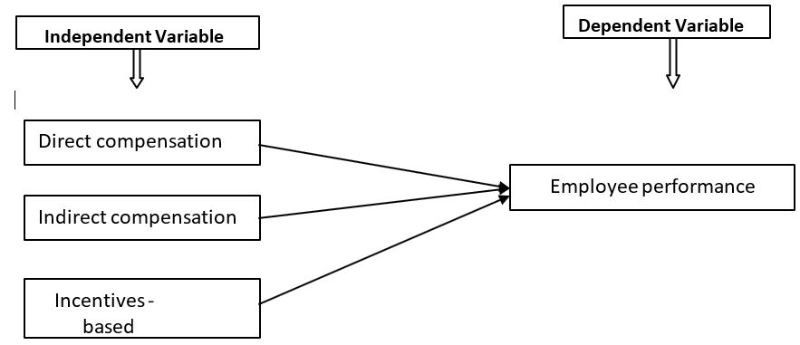
Figure 2.1: Conceptual Framework of the study Source: Compiled by the researcher
2.5. Variable’s description and Hypothesis development
According to Creswell and Creswell (2023), in quantitative research, variables must be clearly defined to help readers understand what is being measured and which groups receive the experimental treatment. Therefore, this section presents both dependent and independent variables used in this study, including their definitions, measurements, and related hypotheses.
Dependent Variable: Employee Performance
Employee performance refers to the extent to which employees effectively contribute to achieving organizational goals. Stewart and Brown (2020) define performance as the result of an individual’s efforts toward meeting organizational objectives through the execution of assigned tasks. Similarly, Nawawi (2021) explains that performance includes both physical and non-physical contributions that reflect an individual’s ability and willingness to perform. Rivai (2020) further asserts that performance is a function of both motivation and ability, where employees who are motivated and skilled tend to produce superior results.
In this study, employee performance represents the overall output, efficiency, and effectiveness of Ethio-Telecom employees in Addis Ababa. It is treated as the dependent variable, measured through key indicators such as productivity, service quality, commitment, and goal achievement.
Independent Variables
This subsection presents the three independent variables derived from prior empirical studies that are hypothesized to influence employee performance: direct compensation, indirect compensation, and incentives (Dessler, 2023; Armstrong & Taylor, 2023; Milkovich, Newman, & Gerhart, 2023).
1. Direct Compensation
Direct compensation refers to the monetary rewards employees receive in exchange for their labor or services. It typically includes base salary, wages, bonuses, commissions, and performance- based pay (Armstrong & Taylor, 2023). According to Dessler (2023), direct compensation remains a critical factor influencing employee motivation, retention, and performance. A fair and competitive pay structure ensures employees feel valued, which in turn enhances productivity and loyalty.
H1 : Direct compensation has significant influence on employee performance at Ethio-Telecom (Addis Ababa).
2. Indirect Compensation
Indirect compensation consists of non-monetary benefits provided to employees in addition to their salaries. These include health insurance, pension schemes, paid leave, retirement benefits, transportation and housing allowances, and work-life balance programs (Milkovich et al., 2023). These benefits play a vital role in improving employee satisfaction, organizational commitment, and retention. Zakaria et al. (2023) noted that employees who receive comprehensive benefits packages tend to demonstrate higher levels of engagement and performance.
H2: Indirect compensation has significant effect on employee performance at Ethio-Telecom (Addis Ababa).
3. Incentives
Incentives are performance-linked rewards that motivate employees to exceed job expectations. They include monetary and non-monetary recognition programs, bonuses, commissions, and awards (Chingos, 2023). Incentive-based compensation encourages employees to perform better by linking rewards directly to measurable outcomes. Studies by Dessler (2023) and Gemeda (2024) found that well-designed incentive systems significantly improve employee motivation, productivity, and innovation.
H3: Incentives have significant effect on employee performance at Ethio-Telecom (Addis Ababa).
In summary, the conceptual framework posits that direct compensation, indirect compensation, and incentives are the primary independent variables influencing employee performance. These relationships are tested using quantitative data collected from employees of Ethio-Telecom’s four zones in Addis Ababa.
3.1 Introduction
CHAPTER THREE
3. RESEARCH METHODOLOGY
This chapter presents the research methodology adopted for the study. It outlines the procedures and approaches employed to test the proposed theories and examine the relationships among the study variables. Specifically, it covers the research design, target population, sampling frame, sampling techniques, data collection methods, instrumentation, data collection procedures, and methods of data analysis and presentation. Each component is discussed in detail to ensure methodological clarity, reliability, and validity of the study findings.
3.2 Research design
Research design can be classified in several ways, including the degree to which the research problem is defined, the method of data collection, the researcher’s ability to manipulate variables, the purpose of the study, the time dimension, the unit of analysis, and the research environment. It represents the overall strategy and framework used to collect, analyze, and interpret data (Ebrary.net, 2014).
For this study, a cross-sectional (one-time) research design was employed, as data were collected at a single point in time. An explanatory research design was also deemed appropriate, since the main objective was to examine the effects of compensation management on employee performance at Ethio-telecom (Addis Ababa). This design enables the researcher to identify and explain cause-and-effect relationships among variables, thereby providing a deeper understanding of how compensation management practices influence employee performance within the organization.
3.3 Research Approach
This study adopted a quantitative research approach. According to Manu Bhatia (2018), the quantitative approach involves the collection of numerical data through standardized instruments and the application of statistical methods to analyze and interpret findings. The present study employed this approach because the primary data collection tool the questionnaire is well-suited for gathering measurable and objective responses.
The quantitative approach was advantageous as it enabled the researcher to collect numerical data that could be analyzed statistically to establish relationships and causation among variables. Moreover, this approach follows a deductive reasoning process, whereby researchers begin with hypotheses derived from theory and then gather empirical data to test and validate these hypotheses.
3.5. Target Population, Sampling and Sampling Technique
3.5.1. Target Population
According to Lius (2005), a target population refers to a selective group of individuals that meet specific criteria and represent the total population relevant to the research objectives. It encompasses the group from which the researcher intends to draw conclusions and generalize findings. In this study, the target population consists of 3,002 employees and management staff of Ethio Telecom working across the North, South, South West, and West Addis Ababa zones as of early 2025. These categories of employees were selected because they are assumed to possess substantial knowledge and experience regarding compensation management practices and their influence on employee performance.
3.5.2. Sample and Sampling Techniques
According to Zikmund, Babin, Carr, and Griffin (2010), a sampling frame refers to the list or process through which a subset of individuals is selected from a larger population for the purpose of making statistically valid inferences about that population. In this study, purposive sampling was employed to identify participants who possess relevant experience and knowledge of compensation management practices. Employees who had served in the institution for less than one year were intentionally excluded from the sample, based on the assumption that their limited tenure might restrict their understanding and experience regarding the organization’s compensation practices.
The study was used Yamane Taro (1967) formula of sample size estimation.
n = ???? 1+(????)????2
n= sample size to be determined, N = the target population, and e = Margin of error (MoE), e=
0.05 based on the research condition. Substituting the formula total
3002
= +3002 (0.05)2 = in this research the sample size is 353
Table 3.1 sample study of population
|
Region |
Total |
Sample |
|
East Region |
758 |
89 |
|
West Region |
728 |
86 |
|
North Region |
728 |
86 |
|
South Region |
788 |
92 |
|
Total |
3002 |
353 |
Therefore, the sample size of the study consisted of 353 senior employees of Ethio Telecom. The researcher employed a convenience sampling technique to select the sampling units from the target population. This technique enabled the researcher to distribute questionnaires to employees who were easily accessible and conveniently located within the study area. Convenience sampling was preferred over simple random sampling because many employees were not consistently present in the office at the same time, making it challenging to reach all potential respondents simultaneously.
3.6. Sources of Data and Data Collection Tools
3.6.1. Source of data
To conduct this research, both primary and secondary data sources were utilized. The primary data were collected through a structured questionnaire distributed to employees, and the responses were analyzed quantitatively. In addition, a semi-structured in-depth interview was conducted with three top management members to obtain qualitative insights.
The secondary data were gathered from various organizational and documentary sources, including Ethio Telecom’s Human Resource Policy documents, Compensation and Benefit Management Policy, Procedure Manual, internal bulletins, brochures, reports, and the company’s internal portal. Additional reference materials such as books, journal articles, and credible online sources were also reviewed to provide background information and to understand the organization’s compensation policies and practices.
3.6.2. Data Collection Tools
The study employed both primary and secondary data sources to ensure comprehensive and reliable findings. According to Kothari and Garg (2019), secondary data refer to information that has already been collected and analyzed by other researchers or institutions. In this study, secondary sources included published materials such as books, journal articles, and reports, as well as unpublished materials obtained from the internet and Ethio Telecom’s annual and policy reports.
The primary data were collected using a self-designed structured questionnaire administered to the target sample. Consistent with Dawson (2019), questionnaires can be categorized into closed- ended, open-ended, or mixed-format types. For this study, a closed-ended questionnaire was adopted, allowing respondents to indicate their level of agreement with the statements provided. A five-point Likert scale was used, ranging from strongly agree (5) to strongly disagree (1), to capture the degree of agreement or disagreement regarding compensation management practices and employee performance. The questionnaire was designed in clear and easily understandable language to enhance accuracy, objectivity, and completeness of responses (Likert, 1932; Taherdoost, 2022).
While Likert-scale items are effective in measuring attitudes and perceptions, they may be influenced by an “acquiescence bias” the tendency of respondents to agree with statements to appear positive or agreeable (Krosnick et al., 2023). To minimize this bias, the researcher ensured that the questionnaire included a balanced mix of positively and negatively worded statements.
3.7. Method of Data Analysis
The data collected in this study were analyzed using Statistical Package for the Social Sciences (SPSS) version 26.0.Prior to hypothesis testing, preliminary data analysis was conducted to assess the effects of compensation management on employee performance at Ethio-Telecom (Addis Ababa). Pearson correlation analysis was employed to determine the nature, direction, and significance of the relationships between compensation management variables and employee performance, as well as to measure the strength of associations among variables.
To test the research hypotheses, multiple linear regression analysis was conducted, which allowed the examination of the relationship between a single dependent variable (employee performance) and multiple independent variables (direct compensation, indirect compensation, and incentives) (Pedhazur, 1997). The findings were presented using tables and graphs, while descriptive statistics, including frequency, mean, and standard deviation, were used to describe the characteristics of the study participants.
Furthermore, to examine potential mediation effects, the study applied the Baron and Kenny (1986) model as a guiding framework. Following this approach, three regression models were used to test mediation and assess how compensation management practices influence employee performance through potential mediating variables (Baron & Kenny, 1986; Field, 2013).
3.8. Model Specification
Multiple regression analysis was employed to examine the relationship between the dependent and independent variables. This method is particularly suitable for analyzing quantitative dependent variables and allows the simultaneous assessment of multiple predictors. In this study, employee performance was regressed on three independent variables: direct compensation, indirect compensation, and incentives.
Prior to conducting regression analysis, diagnostic tests were performed to ensure the validity of the model. These included tests for normality of the data, heteroscedasticity, multicollinearity, and autocorrelation of residuals, thereby confirming that the assumptions of multiple regression analysis were satisfied and the results would be reliable and unbiased.
Y= β0 + β1DCP + β2IDCP2 + β3IBMP+ εi
Where
β0
=
Intercept coefficient
β1 … β3 = Regression Coefficient of three variables
DCP = direct compensation practices
IDCP = indirect compensation practices
IBMP = Incentive-Based motivational practices
εi = Error Term
Analysis of Variance (ANOVA) was used to test the overall significance of the regression model at a 95% confidence level. ANOVA is a statistical technique that assesses whether the means of multiple groups are equal, thereby generalizing the t-test for comparisons involving more than two groups (Bailey, 2008). ANOVA is particularly useful when comparing two, three, or more group means. In contrast, the t-test evaluates whether the means of exactly two groups are statistically different (Trochim, 2006).
ANOVA is preferred in this study because it employs the F-test, which is based on the ratio of sums of squares of residuals (Mugenda, 2008). As Richard (2007) explains, the F-test examines whether two population variances are equal by comparing their ratio; if the variances are equal, the ratio approaches 1.
Additionally, the Shapiro-Wilk test was used to assess the normality of the data distribution. The goodness-of-fit of the regression model was evaluated using the F-test and associated p-values, while the adjusted R² was applied to measure the proportion of variance in employee performance explained by total compensation and to assess the strength of the causal relationship between the independent and dependent variables.
3.9. Validity and Reliability
To minimize the likelihood of obtaining incorrect results, careful attention must be given to two critical aspects of research design: reliability and validity.
3.9.1. Reliability
Reliability refers to the degree of internal consistency and stability of a measurement instrument over time (Saunders, Lewis, & Thornhill, 2019). In this study, the reliability of the questionnaire was assessed using Cronbach’s Alpha (α), one of the most widely used indicators of internal consistency in social science research. A higher Cronbach’s Alpha value indicates greater internal consistency among the items measuring a given construct. According to George and Mallery (2016), an alpha value of 0.70 or above is considered acceptable for research purposes, while values above 0.80 indicate good reliability and values above 0.90 suggest excellent reliability.
Table 3.2: Cronbach’s alpha test Reliability Statistics
|
Variables |
Cronbach's Alpha |
No of Items |
|
Employee performance |
0.708 |
7 |
|
Direct compensation |
0.803 |
7 |
|
Indirect compensation |
0.744 |
8 |
|
Incentives on employee performance |
0.845 |
10 |
|
Overall reliability |
0.892 |
32 |
Variables Cronbach's Alpha No of Items
Employee performance 0.708 7
Direct compensation 0.803 7
Indirect compensation 0.744 8
Incentives on employee performance 0.845 10
Overall reliability 0.892 32
Source: Survey Result, (2025)
As presented in Table 3.2, all the constructs used in this study showed acceptable to excellent reliability levels. The Cronbach’s Alpha value for employee performance was 0.708, indicating a satisfactory level of internal consistency among the seven items measuring employee performance. This suggests that the scale reliably captures consistent perceptions of employees toward their performance levels.
Similarly, direct compensation recorded a Cronbach’s Alpha value of 0.803, signifying strong internal consistency. This indicates that the questions used to measure direct compensation practices (such as salary, bonuses, and allowances) are consistent and accurately reflect the construct. This finding is in line with Njoroge and Kwasira (2015), who found that well-structured compensation scales with α ≥ 0.8 are reliable indicators of pay-related motivation among employees in public enterprises.
The indirect compensation construct yielded a Cronbach’s Alpha value of 0.744, reflecting a moderate to high level of internal consistency. This demonstrates that non-monetary rewards such as insurance, pensions, and leave benefits were measured consistently across respondents. The result is comparable to the findings of Chepchumba and Kimutai (2017), who reported similar alpha coefficients in their study on employee retention and benefits management in Kenyan telecommunications firms.
The incentives on employee performance construct showed the highest Cronbach’s Alpha value of 0.845, indicating very strong reliability. This implies that the items designed to assess the role of incentives such as recognition, career development, and performance bonuses are highly interrelated. This finding supports the argument of Armstrong and Taylor (2020), who emphasized that incentive-based instruments often show higher internal consistency due to their direct link to motivation and performance outcomes.
Finally, the overall reliability of the 32-item questionnaire was 0.892, which exceeds the threshold for excellent internal consistency. According to Tavakol and Dennick (2011), an overall
Cronbach’s Alpha above 0.85 confirms that the measurement tool is both reliable and consistent across different constructs. Therefore, it can be concluded that the questionnaire used in this study was a reliable instrument for measuring the effect of compensation management practices on employee performance at Ethio-Telecom (Addis Ababa).
3.9.2. Validity
Validity refers to the extent to which a research instrument or method accurately measures what it is intended to measure. High reliability is one indicator of validity, but validity itself focuses on whether the research findings genuinely reflect the concepts under study. In other words, a valid instrument ensures that the data collected truly represent the phenomena being investigated.
In this study, validity was addressed in several ways. First, the researcher conducted a thorough review of relevant literature and adapted measurement instruments that had been successfully used in previous studies. Second, criterion-related validity was evaluated through statistical analysis, such as correlation tests, to examine the degree to which the measures corresponded with related constructs. Finally, content validity was ensured through expert review, with the researcher’s advisor assessing the appropriateness of the questionnaire items and the measurement scales to confirm that they adequately captured the intended variables.
3.10. Ethical Considerations
Research, as a scientific process, requires strict adherence to ethical standards at all stages. All sources of information used in the study, including books, articles, and reports, were properly cited and acknowledged to respect intellectual property and academic integrity. In the context of this study, the researcher adhered to established ethical principles to ensure the credibility and acceptability of the research among academic communities and stakeholders.
Participation in the study was voluntary, and respondents were informed about the purpose of the research before completing the questionnaire. Their responses were used exclusively for research purposes, and confidentiality was strictly maintained; personal identifiers such as names, signatures, or any other private information were not recorded. Furthermore, the researcher ensured that the findings were reported accurately and without distortion, reflecting the true nature of the data collected.
CHAPTER FOUR
4. DATA PRESENTATION, ANALYSIS AND INTERPRETATION
Introduction
In this chapter, the data collected on the effect of compensation management on employee performance at Ethio-Telecom (Addis Ababa) are summarized and analyzed to achieve the objectives of the study. A total of 353 questionnaires were distributed to employees of Ethio- Telecom in Addis Ababa, of which 345 (97.74%) were returned and deemed valid for analysis. Among the respondents, 72.3% were male and 27.7% were female, indicating a predominance of male employees in the sample.
The data were analyzed using Statistical Package for the Social Sciences (SPSS) software. All returned questionnaires were complete and suitable for statistical analysis. In addition, semi- structured interviews were conducted with six regional managers, five employee officers, and four business developers, achieving a 100% response rate (15 participants in total) to provide further insight into the effectiveness of Ethio-Telecom’s compensation management system. The results from the interviews were integrated with the questionnaire findings to provide a comprehensive understanding of the study variables.
4.1. Demographic Characteristics of the Respondents
Table 4.1: Distribution of Demographic of sample respondents
|
Table 4.1: Distribution of Demographic of sample respondents |
|||
|
Age |
Frequency |
Percent |
|
|
18-25 years |
62 |
17.97 |
|
|
26 to 35 years |
176 |
51.01 |
|
|
36 - 45 years |
79 |
22.90 |
|
|
46 and above years |
28 |
8.12 |
|
|
Total |
345 |
100.00 |
|
|
level of education |
|
|
|
|
grade 9-12 |
21 |
6.09 |
|
|
Diploma |
19 |
5.51 |
|
|
BA |
235 |
68.12 |
|
|
Masters |
67 |
19.42 |
|
|
PhD |
3 |
0.87 |
|
|
Total |
345 |
100.00 |
|
|
Work Experience / Years of Service |
|||
|
1-5 years |
64 |
18.55 |
|
|
6- 10 years |
178 |
51.59 |
|
|
11 -15years |
79 |
22.90 |
|
|
16 and above years |
24 |
6.96 |
|
|
Total |
345 |
100.00 |
|
Source: Survey Result, (2025)
Table 4.1 presents the demographic profile of the 345 respondents who participated in this study. Understanding these characteristics is essential because employee demographics often influence perceptions of compensation fairness, motivation, and job performance (Armstrong & Taylor, 2020).
As shown in Table 4.1, most respondents (51.01%) were aged 26–35 years, followed by 36–45 years (22.9%), 18–25 years (17.97%), and 46 years and above (8.12%). This indicates that the Ethio-Telecom workforce is relatively young and dominated by employees in their early and mid- career stages. Younger employees are typically more adaptable and motivated by performance- linked incentives and career development opportunities (Noe et al., 2017). Thus, compensation strategies emphasizing performance bonuses and growth opportunities may yield stronger motivational effects within this age group.
The majority of respondents held a Bachelor’s degree (68.12%), followed by Master’s (19.42%), Grade 9–12 (6.09%), Diploma (5.51%), and PhD (0.87%). This suggests that most employees are well-educated, which likely enhances their understanding of compensation systems and expectations regarding fairness and transparencym9c xvbnm
\athis et al., 2021). Consequently, disparities in compensation packages across job categories couldaffect overall employee satisfaction and performance levels.
The data show that 82.61% of employees were permanent, while 17.39% were temporary/contractual. Employment type influences employees’ sense of job security and long- term motivation (Guest, 2017). Permanent employees are more likely to link compensation
practices to organizational commitment and performance, while temporary staff may focus on short-term financial rewards.
Respondents were fairly evenly distributed among the four Addis Ababa zones East (25.8%), North (25.22%), South (24.93%), and West (24.06%). The nearly equal representation suggests that compensation perceptions and performance outcomes can be compared reliably across locations. According to Robbins and Judge (2019), organizational culture and administrative differences across branches may cause slight variations in compensation satisfaction, but uniform human resource policies likely maintain consistency at Ethio-Telecom.
Overall, the demographic analysis indicates that the Ethio-Telecom workforce is young, educated, technically skilled, and predominantly permanent. These characteristics imply that compensation management strategies emphasizing fairness, performance-based pay, and career advancement opportunities are likely to be effective in enhancing employee performance.
4.2. Analysis of Data Related to Basic Research Questions
Although compensation management offers substantial benefits in enhancing employee performance, its effective implementation can be hindered by several factors. This section presents the descriptive analysis of the main study variables employee performance, direct compensation, indirect compensation, and the influence of incentives to examine the extent to which compensation management practices affect employee performance at Ethio-Telecom (Addis Ababa).
A five-point Likert scale was employed to measure respondents’ perceptions, ranging from “strongly agree” (1) to “strongly disagree” (5). Mean scores below 2.5 were interpreted as indicating general agreement among respondents, reflecting positive perceptions of the variable. Mean scores between 2.5 and 3.4 represented a neutral or undecided stance, while scores between
3.5 and 5.0 suggested disagreement or less favorable perceptions regarding the variable. Furthermore, a standard deviation greater than 0.9 was considered indicative of significant variability in responses, implying notable differences in how respondents perceived the impact of compensation management practices on employee performance. This analytical approach provides a clear understanding of the degree of consensus or divergence among employees regarding the effectiveness of Ethio-Telecom’s compensation strategies.
4.2.1. Direct Compensation practices
The influence of the direct compensation was the first objective of the study employee on performance of Ethio- telecom (Addis Ababa). The respondents responded to statements on direct compensation risk. Rated on a five Likert scale, the responses were as obtainable in Table 4.2 below.
Table 4.2: Descriptive Statistics of Direct Compensation Practices
|
No |
Statements |
N |
Mean |
Std. Deviation |
|
1 |
The salary stru/cture at Ethio-Telecom is competitive compared to similar organizations. |
345 |
1.1333 |
0.34043 |
|
2 |
Employees receive fair compensation based on their job roles and responsibilities. |
345 |
3.2377 |
1.35813 |
|
3 |
Pay increases are consistent with employee performance. |
345 |
3.7507 |
1.20146 |
|
4 |
Overtime payment is fairly calculated and paid on time. |
345 |
4.0580 |
0.98660 |
|
5 |
Salary reviews are conducted periodically. |
345 |
3.6029 |
.98329 |
|
6 |
Ethio-Telecom provides adequate allowances and benefits. |
345 |
3.4667 |
1.07815 |
|
7 |
Overall, I am satisfied with my direct compensation. |
345 |
3.9246 |
0.97355 |
|
|
Valid N (listwise) |
345 |
|
|
|
Source: Survey Result, (2025) |
||||
Source: Survey Result, (2025)
The findings in Table 4.2 illustrate employees’ perceptions of direct compensation practices at Ethio-Telecom across seven key statements. The results reveal diverse views on salary competitiveness, fairness, performance linkage, and satisfaction with pay practices. These perceptions collectively highlight areas of strength and concern within the organization’s compensation system.
The first statement “The salary structure at Ethio-Telecom is competitive compared to similar organizations” recorded a very low mean score of 1.13 (SD = 0.34), indicating strong agreement among respondents. This suggests that employees view Ethio-Telecom’s pay structure as highly competitive within the industry, reinforcing the company’s reputation as an attractive employer. According to Armstrong and Taylor (2020), a competitive salary structure enhances an organization’s ability to attract and retain qualified employees, which in turn fosters motivation and productivity. Similarly, Milkovich, Newman, and Gerhart (2017) argue that pay competitiveness is a key determinant of employee satisfaction and long-term commitment to the organization.
The second statement, “Employees receive fair compensation based on their job roles and responsibilities,” had a mean score of 3.24 (SD = 1.36), indicating a neutral stance among respondents. This neutrality suggests that employees are uncertain about the fairness of pay allocation across roles. Such ambiguity may reflect inconsistencies or lack of transparency in pay decisions. Dessler (2019) emphasizes that perceived fairness also known as distributive justice is critical for employee morale and engagement. When fairness in pay distribution is unclear, employees may feel undervalued, reducing their motivation and trust in management (Colquitt, LePine, & Wesson, 2013).
For the third statement, “Pay increases are consistent with employee performance,” the mean score of 3.75 (SD = 1.20) indicates a tendency toward disagreement. This implies that employees believe performance-based pay increments are not consistently implemented at Ethio-Telecom. Weak linkage between performance and pay can undermine the motivational value of compensation systems. Gerhart and Fang (2015) assert that when employees perceive no clear connection between effort and reward, their motivation and creativity are likely to decline. This finding suggests that Ethio-Telecom needs to strengthen its performance appraisal and reward alignment mechanisms.
The fourth statement, “Overtime payment is fairly calculated and paid on time,” yielded a mean score of 4.06 (SD = 0.99), showing that respondents disagreed with this statement. This result points to dissatisfaction with overtime management and payment delays. Timely and fair compensation for extra work is a critical component of trust and organizational commitment. Kreitner and Kinicki (2014) note that delayed or inconsistent overtime payments can reduce employee morale and increase turnover intentions, particularly in labor-intensive organizations like telecom firms.
Regarding salary reviews, the fifth statement “Salary reviews are conducted periodically” had a mean of 3.60 (SD = 0.98), reflecting a moderately disagreeing perception. Employees appear to believe that salary adjustments are infrequent or irregular. Regular salary reviews are vital for maintaining internal and external pay equity and for responding to inflation or market shifts. According to Shields et al. (2016), consistent pay reviews demonstrate management’s commitment to fairness and reward optimization, which enhances employees’ confidence in the organization.
The sixth statement, “Ethio-Telecom provides adequate allowances and benefits,” produced a mean of 3.47 (SD = 1.08), suggesting mixed opinions among employees. Although allowances and benefits are provided, many respondents may perceive them as inadequate relative to living costs or workloads. Martocchio (2018) argues that allowances and benefits significantly influence overall compensation satisfaction, and when these are insufficient, employees often perceive inequity even if base pay is competitive. This could indicate a gap between employee expectations and organizational provisions.
Finally, the seventh statement “Overall, I am satisfied with my direct compensation” yielded a mean of 3.92 (SD = 0.97), showing general disagreement. This suggests that most employees are dissatisfied with their overall direct compensation, despite perceiving the salary structure as competitive. This apparent contradiction may stem from issues of fairness, pay progression, or limited performance-based rewards. Heneman and Judge (2019) note that total compensation satisfaction depends not only on pay level but also on the perceived fairness of processes used to determine it. A related study by Tadesse and Mulatu (2022) on Ethiopia’s telecom sector found similar results, revealing that while salaries were relatively high, perceptions of fairness and performance linkage were weak, reducing overall satisfaction.
In summary, the analysis reveals that although Ethio-Telecom maintains a competitive pay structure, employees express concerns about fairness, performance linkage, timeliness, and adequacy of pay reviews and benefits. This underscores the need for the organization to strengthen its compensation management system by adopting a more transparent, performance-based, and periodically reviewed pay framework. As Armstrong and Taylor (2020) affirm, a well-structured and equitable compensation system is critical to sustaining employee motivation, engagement, and productivity.
4.2.2. InDirect Compensation
The influence of the indirect compensation was the second of the study employee on performance of Ethio- telecom (Addis Ababa). The respondents responded to statements on indirect compensation. Rated on a five Likert scale, the responses were as obtainable in Table 4.3 below.
Table 4.3: Descriptive Statistics of Indirect Compensation Practices
|
Table 4.3: Descriptive Statistics of Indirect Compensation Practices |
||||
|
No |
Statements |
N |
Mean |
Std. Deviation |
|
1 |
Ethio-Telecom provides adequate health insurance coverage. |
345 |
3.9362 |
0.94099 |
|
2 |
The company offers sufficient paid leave and vacation benefits. |
345 |
3.9217 |
1.01283 |
|
3 |
Pension and retirement benefits are satisfactory. |
345 |
3.9623 |
1.01802 |
|
4 |
Employees benefit from flexible work schedules. |
345 |
4.0261 |
0.95960 |
|
5 |
Training and development opportunities are provided. |
345 |
4.1130 |
1.02949 |
|
6 |
Support for family-related needs (e.g., maternity leave) is adequate. |
345 |
3.7913 |
1.07694 |
|
7 |
Overall, I am satisfied with indirect compensation practices. |
345 |
3.8348 |
0.95477 |
|
|
Valid N (listwise) |
345 |
|
|
|
Source: Survey Result, (2025) |
|
|
|
|
Source: Survey Result, (2025)
The first statement, “Ethio-Telecom provides adequate health insurance coverage”, received a mean score of 3.94 (SD = 0.94), indicating that respondents generally agreed that the company offers sufficient health coverage. This finding suggests that health insurance is an essential part of the organization’s compensation system and contributes positively to employees’ sense of security. According to Iqbal, Guohao, and Akhtar (2019), comprehensive health insurance schemes significantly influence employees’ satisfaction and retention by reducing workplace anxiety and improving morale. Similarly, in the Ethiopian context, Gebremeskel (2022) found that health-related benefits enhance both motivation and organizational commitment among telecom employees.
The second statement, “The company offers sufficient paid leave and vacation benefits,” had a mean score of 3.92 (SD = 1.01), reflecting moderate agreement. This indicates that most employees perceive paid leave as adequate, though a segment remains uncertain or less satisfied. Paid leave is an important non-financial reward that contributes to work-life balance and productivity (Armstrong & Taylor, 2020). A study by Mohammed and Teshome (2021) in Ethiopian public enterprises similarly emphasized that access to regular leave schedules is linked to reduced burnout and higher job satisfaction.
Regarding the third statement, “Pension and retirement benefits are satisfactory,” the mean score of 3.96 (SD = 1.02) indicates that employees generally agree with the adequacy of retirement plans. This aligns with the findings of Osibanjo et al. (2018), who noted that pension schemes are a strong determinant of employee loyalty, particularly in long-serving institutions. In Ethiopia, Abate (2020) reported that pension and retirement benefits have become increasingly important in retaining skilled professionals within state-owned corporations, including Ethio-Telecom.
The fourth statement, “Employees benefit from flexible work schedules,” yielded a mean score of
4.03 (SD = 0.96), suggesting strong agreement. Flexibility in work arrangements is becoming a critical component of indirect compensation, allowing employees to balance personal and professional responsibilities effectively. As supported by Ghosh and Gurunathan (2019), flexible work policies enhance employee well-being and engagement, especially in service-oriented sectors. In Addis Ababa, where traffic congestion and urban challenges are significant, flexible schedules are a practical motivator for improved performance.
For the fifth statement, “Training and development opportunities are provided,” the mean score of 4.11 (SD = 1.03) indicates strong agreement among respondents. This implies that Ethio- Telecom invests in employee development as part of its compensation framework. Training opportunities enhance skill acquisition and internal motivation, leading to improved performance (Dessler, 2020). Empirical evidence from Tesfaye (2021) further corroborates this, highlighting that continuous professional development in Ethiopian telecom and banking sectors enhances adaptability and innovation capacity.
The sixth statement, “Support for family-related needs (e.g., maternity leave) is adequate,”
recorded a mean score of 3.79 (SD = 1.08), reflecting moderate satisfaction. While this shows positive perceptions, it also indicates some gaps in addressing family-related benefits. Studies such as those by Kooij et al. (2020) suggest that family support policies significantly influence employee retention, especially among female employees. In Ethiopia, Alemu (2022) found that insufficient maternity and parental support programs in public enterprises limit gender equity in workplace participation.
Finally, the overall satisfaction statement, “Overall, I am satisfied with indirect compensation practices,” scored 3.83 (SD = 0.95). This indicates that most respondents view Ethio-Telecom’s indirect compensation as generally effective, although there is room for enhancement. This aligns with findings by Kundu and Gahlawat (2019), who observed that the effectiveness of indirect compensation relies on consistency, inclusiveness, and perceived fairness. In the Ethiopian telecommunications context, indirect compensation through benefits, training, and flexible scheduling plays a critical role in maintaining workforce stability and performance (Gebremeskel, 2022).
4.2.3. Incentive-Based motivational practices
The effect of the incentive was the third objective of the study employee on performance of Ethio- telecom (Addis Ababa). The respondents responded to statements on effect of incentive. Rated on a five Likert scale, the responses were as obtainable in Table 4.4 below.
Table 4.4: Descriptive Statistics of Incentives -Based motivational practices
|
Table 4.4: Descriptive Statistics of Incentives -Based motivational practices |
||||
|
No |
Statements |
N |
Mean |
Std. Deviation |
|
1 |
The organization provides bonuses for outstanding performance. |
345 |
3.5043 |
1.05688 |
|
2 |
Incentives are distributed fairly among employees. |
345 |
2.9797 |
1.26314 |
|
3 |
Team-based performance rewards are encouraged. |
345 |
2.9072 |
1.26564 |
|
4 |
Recognition programs motivate employees to perform better. |
345 |
3.5188 |
1.02317 |
|
5 |
Incentive programs are clearly communicated. |
345 |
3.4783 |
1.06761 |
|
6 |
Performance-based pay motivates me to work harder. |
345 |
3.5188 |
1.02884 |
|
7 |
Promotions are based on merit and performance. |
345 |
3.4174 |
.98815 |
|
8 |
Overall, I am satisfied with the incentive system. |
345 |
3.4348 |
1.03258 |
|
|
Valid N (listwise) |
345 |
|
|
Source: - Survey, 2025
The first statement, “The organization provides bonuses for outstanding performance,” obtained a mean score of 3.50 (SD = 1.06), indicating a generally positive perception among respondents. This suggests that Ethio-Telecom offers performance-related bonuses, though not all employees may benefit equally. Bonuses serve as an extrinsic motivator that reinforces employee commitment and effort (Dessler, 2020). Consistent with this, Iqbal et al. (2019) found that performance-based bonuses significantly enhance productivity and loyalty in the telecom industry. Similarly, in Ethiopia, Gebremeskel (2022) confirmed that recognition through monetary bonuses increases motivation and reduces turnover intentions among skilled workers in state enterprises.
The second statement, “Incentives are distributed fairly among employees,” recorded a mean score of 2.98 (SD = 1.26), suggesting neutrality and some dissatisfaction regarding fairness in incentive distribution. This implies that while incentives exist, employees perceive inconsistencies in how they are allocated. According to Armstrong and Taylor (2020), perceived fairness in incentive distribution is a key determinant of trust and morale in organizations. Empirical research by Mohammed and Teshome (2021) in Ethiopian public institutions found that lack of transparency in reward allocation negatively affects employee engagement and perceived organizational justice.
The third statement, “Team-based performance rewards are encouraged,” had a mean score of
2.91 (SD = 1.27), reflecting a neutral perception and indicating that team rewards are not strongly emphasized. This shows limited recognition of collective efforts within Ethio-Telecom’s incentive framework. As Osibanjo et al. (2018) note, team-based incentives foster collaboration, reduce internal competition, and enhance group cohesion. The relatively low mean suggests that Ethio- Telecom may rely more on individual-based rewards, which could limit teamwork efficiency a concern also raised by Tesfaye (2021) in his study on motivational systems in Ethiopian service sectors.
For the fourth statement, “Recognition programs motivate employees to perform better,” the mean score of 3.52 (SD = 1.02) indicates that respondents generally agree on the motivational effect of recognition. This finding aligns with Kundu and Gahlawat (2019), who emphasized that recognition both monetary and non-monetary acts as a psychological reinforcement, increasing employees’ sense of value and belonging. In Ethiopia’s context, Abate (2020) found that regular recognition ceremonies and awards in state organizations substantially improved morale and performance outcomes.
The fifth statement, “Incentive programs are clearly communicated,” had a mean score of 3.48 (SD = 1.07), suggesting moderate agreement. This implies that while incentive schemes exist, communication about eligibility and criteria could be improved. Transparent communication is essential for aligning employee expectations with organizational goals (Armstrong & Taylor, 2020). In support, Alemu (2022) highlighted that insufficient communication about performance reward systems in public enterprises often leads to misconceptions, dissatisfaction, and reduced motivation.
The sixth statement, “Performance-based pay motivates me to work harder,” also received a mean score of 3.52 (SD = 1.03), reflecting general agreement. This demonstrates that performance-based pay remains an effective motivational tool in Ethio-Telecom. According to Dessler (2020), such systems reinforce the link between effort and reward, thereby stimulating continuous improvement. Ghosh and Gurunathan (2019) further assert that when employees perceive a direct connection between their output and pay, intrinsic motivation increases, leading to higher productivity levels.
The seventh statement, “Promotions are based on merit and performance,” had a mean score of
3.42 (SD = 0.99), indicating moderate satisfaction. This suggests that although merit-based promotions are practiced, employees may still perceive some subjectivity in the process. According to Kooij et al. (2020), fair and transparent promotion practices are vital to retaining high-performing employees. In a related Ethiopian study, Mohammed and Teshome (2021) observed that perceived favoritism in promotions undermines employee trust and weakens overall motivation.
Finally, the overall statement, “Overall, I am satisfied with the incentive system,” had a mean score of 3.43 (SD = 1.03), indicating a moderately positive perception of Ethio-Telecom’s incentive-based motivational practices. This shows that while the organization has established an incentive framework, there is room for improvement in ensuring equity, transparency, and inclusiveness. Consistent with Kundu and Gahlawat (2019), well-structured incentive systems that balance financial and non-financial rewards are critical to sustaining motivation and long-term performance. Therefore, Ethio-Telecom’s management should focus on improving fairness and communication to maximize the motivational impact of incentives.
4.2.4. Employee Performance
Employee performance refers to the extent to which employees effectively fulfill their job duties and contribute to the achievement of organizational objectives. In this study, performance was assessed through ten statements capturing dimensions such as work quality, efficiency, punctuality, teamwork, innovation, and goal achievement. The descriptive results presented in Table 4.5 summarize respondents’ perceptions regarding their individual and collective performance levels at Ethio-Telecom. These findings provide insight into how compensation management practices direct, indirect, and incentive-based relate to employee performance outcomes across the four zones of Addis Ababa.
Table 4.5: Descriptive Statistics of Employee Performance
|
Table 4.5: Descriptive Statistics of Employee Performance |
||||
|
No |
Statements |
N |
Mean |
Std. Deviation |
|
1 |
I always meet or exceed my performance targets. |
345 |
4.0754 |
0.87278 |
|
2 |
I complete assigned tasks efficiently and on time. |
345 |
4.0435 |
0.94983 |
|
3 |
My quality of work meets the expected standards. |
345 |
4.1942 |
0.91497 |
|
4 |
I actively contribute to team goals. |
345 |
3.4841 |
1.07855 |
|
5 |
I take initiative to improve work processes. |
345 |
3.9333 |
.96669 |
|
6 |
I demonstrate creativity and problem-solving skills. |
345 |
3.4029 |
1.24709 |
|
7 |
I show a high level of commitment to my job. |
345 |
3.7826 |
0.96854 |
|
8 |
I adapt well to new work challenges. |
345 |
3.4841 |
0.93722 |
|
9 |
I maintain good relationships with co-workers. |
345 |
3.5855 |
0.97904 |
|
10 |
Overall, my job performance is excellent. |
345 |
4.0754 |
0.87278 |
|
|
Valid N (listwise) |
345 |
|
|
Source: Survey Result, (2025)
As shown in Table 4.5, the overall mean scores for employee performance indicators suggest that respondents at Ethio-Telecom (Addis Ababa) generally perceive their performance levels as favorable. The first statement, “I always meet or exceed my performance targets”, recorded a high mean score of 4.08 (SD = 0.87), indicating that most employees consistently achieve or surpass their set goals. This finding aligns with the study by Armstrong and Taylor (2020), who emphasized that a well-structured compensation system motivates employees to meet or exceed performance expectations through enhanced goal commitment.
Similarly, the statement “I complete assigned tasks efficiently and on time” had a mean of 4.04 (SD = 0.95), suggesting that efficiency and timeliness are maintained by most employees. This supports Dessler (2020), who observed that fair compensation and recognition systems increase employees’ dedication to timely and quality task delivery. The high mean score of 4.19 (SD = 0.91) for “My quality of work meets the expected standards” reflects a strong adherence to performance benchmarks, indicating that Ethio-Telecom employees generally maintain professional competence and quality in their work. This corresponds with Guest (2017), who posited that compensation management enhances employees’ sense of responsibility and service quality.
The mean score for “I actively contribute to team goals” was 3.48 (SD = 1.08), indicating moderate agreement. Although employees participate in teamwork, there may be room for improvement in collaborative engagement. According to Mathis and Jackson (2019), inadequate team-based reward mechanisms can sometimes weaken collective motivation, suggesting that Ethio-Telecom could strengthen its incentive structures for group performance. Similarly, the mean score of 3.93 (SD = 0.97) for “I take initiative to improve work processes” shows that employees demonstrate considerable self-driven motivation, aligning with Latham and Pinder (2018), who argued that intrinsic motivation, often enhanced by performance-based incentives, is key to innovative behavior.
The statement “I demonstrate creativity and problem-solving skills” had a relatively lower mean of 3.40 (SD = 1.25), suggesting that while creativity exists, it is not uniformly strong among all employees. This finding is consistent with Jiang et al. (2012), who noted that innovation and creativity are often influenced by non-monetary incentives such as training and career growth opportunities. Similarly, “I show a high level of commitment to my job” (M = 3.78, SD = 0.97) and “I adapt well to new work challenges” (M = 3.48, SD = 0.94) imply that most employees remain engaged and resilient, reflecting moderate-to-strong levels of adaptive performance as discussed by Torrington et al. (2020).
Moreover, the statement “I maintain good relationships with co-workers” yielded a mean of 3.59 (SD = 0.98), showing positive interpersonal relations, which are essential for organizational cohesion. According to Robbins and Judge (2019), effective compensation practices indirectly foster positive workplace relationships by reducing dissatisfaction and enhancing mutual respect. Lastly, the item “Overall, my job performance is excellent” recorded a mean of 4.08 (SD = 0.87), reinforcing the perception that employees view their overall performance as strong. This general satisfaction may be attributed to Ethio-Telecom’s ongoing efforts to improve compensation structures and align them with employee motivation and performance outcomes, consistent with the arguments of Milkovich, Newman, and Gerhart (2023).
4.3. Inferential Analysis
This section presents the results of the inferential statistical analyses conducted to evaluate the research objectives. Both Pearson’s correlation coefficient and multiple regression analysis were employed to examine the relationships between compensation management practices namely direct compensation, indirect compensation, and incentive-based motivation and employee performance at Ethio-Telecom. These statistical techniques were essential for testing the study hypotheses, determining the strength and direction of associations among variables, and drawing valid conclusions about the effects of compensation management on employee performance based on the sample data.
4.3.1. Pearson Correlation analysis
To examine the effect of compensation management practices on employee performance at Ethio- Telecom’s four zones in Addis Ababa, correlation analysis was conducted. This analysis assessed the relationship between the independent variables Direct Compensation Practices, Indirect Compensation Practices, and Incentive-Based Motivational Practices and the dependent variable, Employee Performance, in line with the study’s specific objectives.
Pearson’s correlation coefficient was employed to measure the degree and direction of the linear relationship between the variables. The correlation coefficient ranges from -1 to +1, where values between -1 and 0 indicate a negative relationship, values between 0 and +1 indicate a positive relationship, and a coefficient of 0 suggests no linear relationship between the variables.
According to Sekaran (2000), the general guidelines for interpreting correlation coefficients are as follows: values between ±0.10 and ±0.29 represent a weak relationship, values between ±0.30 and
±0.49 indicate a moderate relationship, and values of ±0.50 or higher denote a strong relationship. Therefore, this analysis helps to determine the strength and nature of the association between compensation management practices and employee performance.
Table 4.6: Guideline for the Pearson Correlation Analysis
|
Pearson Correlation |
Strength of Association |
|
r = 0.10 to 0.29 or r = -0.1to -0.29 |
Weak |
|
r = 0.30 to 0.49 or r = -0.30 to -0.49 |
Moderate |
|
r = 0.50 to 1.00 or r = -0.50 to -1.00 |
Strong |
Source: Sekaran U.(2000).Research methods for business: A skill building approach. (3rd ed). Table 4.6 illustrates the use of Pearson correlation to examine the relationships between variables, specifically focusing on the impact of compensation management practices on employee performance at Ethio-Telecom across four zones, including Addis Ababa. The correlation analysis, significant at the p < 0.01 level, reveals a substantial positive relationship between the dependent variable Employee Performance and three independent variables: Direct Compensation Practices, Indirect Compensation Practices, and Incentive-Based Motivational Practices.
All independent factors have a positive correlation with the dependent variable, which is statistically significant at p-value < 0.01 levels, generally speaking. The correlation coefficient does not indicate which variable changes as a result of the other. By squaring the correlation coefficient, we may further analyze it, even though it cannot draw clear conclusions regarding causality (Field, 2005). The degree of variability in one variable that is explained by the other is measured by the correlation coefficient squared, or R2, sometimes referred to as the coefficients of determination. We examined in more detail the link between the correlation coefficient and coefficients of determination, or R2, in the next section.
Table 4.6 presents a correlation matrix that examines the relationships between various variables related to the effect of compensation management practices on employee performance at Ethio-Telecom four zones (Addis Ababa). The variables analyzed include Direct Compensation practices, Indirect Compensation practices,and Incentive-Based motivational practices The correlations provide insights into how these factors interact and influence each other.
Table 4: 7: Correlation matrixes between variables
|
Table 4: 7: Correlation matrixes between variables |
|||||
|
|
DCP |
IDCP |
IBMP |
EP |
|
|
Direct Compensation practices |
Pearson Correlation |
1 |
|
|
|
|
Sig. (2-tailed) |
|
|
|
|
|
|
N |
345 |
|
|
|
|
|
Indirect Compensation practices |
Pearson Correlation |
.126* |
1 |
|
|
|
Sig. (2-tailed) |
.019 |
|
|
|
|
|
N |
345 |
345 |
|
|
|
|
Incentive-Based motivational practices |
Pearson Correlation |
-.010 |
.260** |
1 |
|
|
Sig. (2-tailed) |
.858 |
.000 |
|
|
|
|
N |
345 |
345 |
345 |
|
|
|
Employee Performance |
Pearson Correlation |
-.024 |
.473** |
.277** |
1 |
|
Sig. (2-tailed) |
.655 |
.000 |
.000 |
|
|
|
N |
345 |
345 |
345 |
|
|
|
*. Correlation is significant at the 0.05 level (2-tailed). |
|||||
|
**. Correlation is significant at the 0.01 level (2-tailed). |
|||||
|
Source: Survey Result, (2025) |
|||||
Source: Survey Result, (2025)
Table 4.7 presents the correlation matrix among four key variables: Direct Compensation Practices (DCP), Indirect Compensation Practices (IDCP), Incentive-Based Motivational Practices (IBMP), and Employee Performance (EP). The analysis, conducted with a sample size of 345, employs Pearson's correlation coefficient to assess the relationships among these variables, with significance levels indicating the strength of the correlations.
The correlation between Direct Compensation Practices (DCP) and Employee Performance (EP) is found to be negligible, with a Pearson correlation coefficient of -0.024 (p = 0.655). This lack of significance suggests that DCP does not have a meaningful impact on EP in the context of this study. Conversely, a positive, albeit weak, correlation exists between DCP and Indirect Compensation Practices (IDCP), indicated by a coefficient of 0.126 (p = 0.019). This result reveals a significant relationship at the 0.05 level, implying that as Direct Compensation Practices increase, there may be a corresponding increase in Indirect Compensation Practices, although the relationship is not particularly strong.
Indirect Compensation Practices (IDCP) demonstrate a robust positive correlation with Employee Performance (EP), as evidenced by a Pearson correlation coefficient of 0.473 (p < 0.001). This strong relationship suggests that enhancements in IDCP are significantly associated with improvements in Employee Performance. Additionally, IDCP shows a significant positive correlation with Incentive-Based Motivational Practices (IBMP), with a correlation coefficient of
0.260 (p < 0.001). This indicates that organizations employing effective indirect compensation strategies are also likely to implement more incentive-based motivational practices, highlighting the interconnectedness of these compensation strategies.
In terms of Incentive-Based Motivational Practices (IBMP), the correlation with Direct Compensation Practices is weakly negative (r = -0.010, p = 0.858), suggesting no significant relationship between these two variables. However, IBMP does exhibit a meaningful positive correlation with Employee Performance (r = 0.277, p < 0.001). This finding underscores the importance of incentive-based motivational practices, as higher levels of these practices are associated with improved employee performance, reinforcing the notion that motivation significantly influences overall employee effectiveness.
In summary, the correlations highlighted in Table 4.7 reveal that while Direct Compensation Practices do not significantly impact Employee Performance, both Indirect Compensation Practices and Incentive-Based Motivational Practices are strongly correlated with Employee Performance. This insight emphasizes the importance of focusing on indirect and incentive-based compensation strategies to enhance employee performance within organizations.
4.4. Regression analysis
Meeting the assumptions of regression analysis is essential to ensure that the data accurately represent the sample and that the researcher has derived the most reliable results (Hair et al., 1998). In this study, three key assumptions for regression analysis were examined: multicollinearity, linearity, and normality. These assumptions are explained as follows:
4.4.1. Multicollinearity
Hill et al. (2003) explain that economic variables may move together in systematic ways when the data are the result of an uncontrolled experiment. Such variables are believed to have problems with collinearity or multicollinearity rises, which will complicate the interpretation of the variables because it is more difficult to confirm the effect of any single variable owing to their interrelationship (Hair et al., 1996). According to Hill et al. (2003), multicollinearity is not a violation of the assumptions of regression, but it may cause serious difficulties.
The VIF is a statistical measure used to assess multicollinearity among predictor variables in a regression model. Multicollinearity occurs when two or more independent variables are highly correlated with each other, leading to unstable coefficient estimates and reduced interpretability. Specifically, the VIF quantifies how much the variance of the estimated regression coefficient for particular predictor variable increases due to the presence of other correlated predictors. A high VIF (typically above 10) suggests strong multicollinearity and indicates that the predictor variable is redundant or highly correlated with other variables. In table 4.8, the VIF values are all close to 1, which is excellent. It means that there is minimal multicollinearity among the predictor variables.
Tolerance is the reciprocal of the VIF. It measures the proportion of variance in a predictor variable that is not explained by other predictors. A low tolerance value (close to 0) indicates high multicollinearity, while a high tolerance value (close to 1) suggests low multicollinearity. In table
4.8 below, the tolerance values are all reasonably high (above 0.8), which is desirable. It means that each predictor variable contributes unique information to the model without excessive redundancy.
Table 4.8 : Multicollinearity problem test of VIF and tolerance Coefficients
|
Table 4.8 : Multicollinearity problem test of VIF and tolerance |
|||
|
Coefficients |
|||
|
Model |
Collinearity Statistics |
||
|
Tolerance |
VIF |
||
|
1 |
Direct Compensation practices |
.982 |
1.018 |
|
Indirect Compensation practices |
.916 |
1.092 |
|
|
Incentive-Based motivational practices |
.930 |
1.075 |
|
|
a. Dependent Variable: Contract Administration |
|||
|
Source: Survey Result, (2025) |
|||
Source: Survey Result, (2025)
Table 4.8 displays the results of the multicollinearity test, specifically using Variance Inflation Factor (VIF) and tolerance statistics for the independent variables in the regression model, with Contract Administration as the dependent variable.
The tolerance values for Direct Compensation Practices, Indirect Compensation Practices, and Incentive-Based Motivational Practices are 0.982, 0.916, and 0.930, respectively. These values indicate that there is minimal multicollinearity among the independent variables, as tolerance values above 0.1 are generally considered acceptable.
The corresponding VIF values are 1.018 for Direct Compensation Practices, 1.092 for Indirect Compensation Practices, and 1.075 for Incentive-Based Motivational Practices. VIF values below 5 typically suggest that multicollinearity is not a concern. In this case, all VIF values are well below this threshold, confirming that multicollinearity is not a significant issue in this regression analysis.
Overall, the results from Table 4.8 indicate that the assumptions regarding multicollinearity have been met, allowing for a more reliable interpretation of the regression analysis results.
4.4.2. Linearity
The degree of correlation between the change in the dependent variable and the independent variable was indicated by the linearity of the connection between the two variables (Hair et al., 1998). Simply put, linear models use a constant unit change (*slope*) of the dependent variable for a constant unit change of the independent variable to predict values falling in a straight line (Hair et al., 1998). According to Malhotra et al. (quoted in Devika, 2012), when nonlinear relationships are present, traditional regression analysis will understate the relationship; that is, R² will underestimate the total variance explained, and the betas will understate the significance of the variables in the nonlinear relationship. Visual inspection was done on the regression models' scatter plots of standardized residuals against fitted values for the P-P plot's dots to be closer to the diagonal line, signifying that the assumption of normalcy is satisfied.
Figure 4.1 Normality Test Source: Survey result, 2025
Figure 4.1 presents a Normal Probability-Probability (P-P) Plot of the regression standardized residuals for the dependent variable, Employee Performance. This plot serves as a visual tool to assess the normality of the residuals, which is a crucial assumption in regression analysis.
In the P-P plot, the x-axis represents the observed cumulative probabilities of the residuals, while the y-axis represents the expected cumulative probabilities under a normal distribution. The primary goal of this plot is to determine how closely the residuals align with a theoretical normal distribution.
The diagonal line in the plot indicates the ideal scenario where the observed cumulative probabilities perfectly match the expected probabilities. If the residuals are normally distributed, the points should closely align along this line. In Figure 4.1, the plotted points appear to follow the diagonal line quite closely, particularly in the central region of the plot. This observation suggests that the residuals are approximately normally distributed for values near the mean.
However, there may be some slight deviations from the diagonal line in the tails of the distribution. While these deviations exist, as long as they are minimal and do not significantly affect the overall pattern, the assumption of normality can still be considered satisfied.
Overall, the P-P plot in Figure 4.1 indicates that the residuals of the regression analysis for Employee Performance are approximately normally distributed. This finding supports the validity of the regression model and suggests that the results obtained from the analysis are reliable. Meeting the normality assumption allows for more accurate inferences and conclusions regarding the relationships between the independent and dependent variables in the study.
4.4.3. Normality of the Error Term Distribution
In terms of this assumption, a check for normality of the error term is conducted by a visual examination of the normal probability plots of the residuals. Malhotra et al. (2007) propose that normal probability plots are often conducted as an informal means of assessing the non-normality of a set of data. According to Hair et al. (1998), the plots are different from residuals plots in that the standardized residuals are compared with the normal distribution.
In general, the normal distribution makes a straight diagonal line, and the plotted residuals are compared with the diagonal (Hair et al., 1998). If a distribution is normal, the residual line will closely follow the diagonal (Hair et al., 1998). Malhotra et al. (2007) explain that the “correlation coefficient” will be near unity if the data fall nearly on a straight line. The “correlation coefficient” will become smaller if the plot is curved. The normality probability plots were plotted to assess normality. The P-P plots were approximately a straight line instead of a curve.
Accordingly, the residuals were deemed to have a reasonably normal distribution, as suggested by Hair et al. (1998). The skewness value provides an indication of the symmetry of the distribution while kurtosis provides information about the peakedness of the distribution. A positive skewness value indicates right (positive) skew while a negative value indicates left (negative) skew. The higher the absolute value the greater the skew (Tabachnick & Fidell, 2001).
Table 4.9 Descriptive Statistics for Skewness and Kurtosis
|
Table 4.9 Descriptive Statistics for Skewness and Kurtosis |
|||||
|
|
N |
Skewness |
Kurtosis |
||
|
Statistic |
Statistic |
Std. Error |
Statistic |
Std. Error |
|
|
Direct Compensation practices |
345 |
2.167 |
.131 |
2.710 |
.262 |
|
Indirect Compensation practices |
345 |
-.673 |
.131 |
.179 |
.262 |
|
Incentive-Based motivational practices |
345 |
-.465 |
.131 |
-.348 |
.262 |
|
Employee Performance |
345 |
-1.070 |
.131 |
1.523 |
.262 |
|
Valid N (listwise) |
345 |
|
|
|
|
|
Source: Survey result, 2025 |
|||||
Source: Survey result, 2025
Table 4.9 presents the descriptive statistics for skewness and kurtosis for four variables: Direct Compensation Practices, Indirect Compensation Practices, Incentive-Based Motivational Practices, and Employee Performance. Each variable is analyzed based on a sample size of 345.
Skewness measures the asymmetry of the distribution of a variable. A skewness value of zero indicates a perfectly symmetrical distribution, while positive and negative values indicate right and left skewness, respectively. For Direct Compensation Practices, the skewness statistic is 2.167, indicating a significant right skew. This suggests that the distribution has a longer tail on the right side, implying that a portion of the sample may have higher values of Direct Compensation Practices.
In contrast, Indirect Compensation Practices exhibit a skewness of -0.673, indicating a moderate left skew. This suggests that the distribution leans toward lower values, with some respondents reporting lower levels of Indirect Compensation Practices. Similarly, Incentive-Based Motivational Practices has a skewness value of -0.465, also indicating a slight left skew, which implies that the distribution tends to have lower values. For Employee Performance, the skewness is -1.070, indicating a notable left skew, suggesting that the distribution has a longer tail on the left side, with many respondents reporting higher levels of performance.
Kurtosis measures the "tailedness" of the distribution, indicating whether the data have heavy or light tails compared to a normal distribution. A kurtosis value of zero indicates a normal distribution. In the case of Direct Compensation Practices, the kurtosis statistic is 2.710, suggesting a distribution with heavier tails than a normal distribution, which indicates the presence of outliers or extreme values. Conversely, Indirect Compensation Practices have a kurtosis value of 0.179, indicating a relatively flat distribution compared to a normal distribution, suggesting fewer extreme values.
For Incentive-Based Motivational Practices, the kurtosis of -0.348 implies a distribution that is slightly flatter than a normal distribution, again indicating fewer extreme values. Employee Performance, with a kurtosis of 1.523, exhibits a distribution with heavier tails than normal, suggesting the presence of outliers or extreme performance values among respondents.
In summary, the descriptive statistics for skewness and kurtosis in Table 4.9 reveal important characteristics about the distributions of the variables. Direct Compensation Practices show a significant right skew and heavy tails, while Employee Performance exhibits a notable left skew and also heavy tails. Indirect Compensation Practices and Incentive-Based Motivational Practices demonstrate moderate left skewness and flatter distributions, respectively. Understanding these characteristics is essential for interpreting the results of subsequent analyses and ensuring the appropriateness of the statistical methods used in the study.
4.4.4. Homoscedasticity (Equal Variance)
Breusch and Pagan (1979) developed a measuring scale that was used to test for homogeneity in a linear regression model. The residuals' tendency to cluster together at certain values and spread out at others, a property known as homoscedasticity, defines whether or not they are equally distributed. Model errors with an unknown but limited variance that is constant across all predictor variable levels are analyzed using the assumption of homogeneity of variance. This assumption is supported by a visual examination of a plot of the standardized residuals based on the standardized projected value of the regression.
Plotting ZRESID versus ZPRED allowed for the homoscedasticity of the distribution to be confirmed; the graph's appearance was examined to make sure it resembled an evenly spaced collection of random dots around zero. This implies that at every point, the residuals' dispersion along any predictor variable should be about constant. The variability in the scores for the independent variables needs to be comparable across all dependent variable values. A rectangle should run the whole length of the scatter plot. This suggests that the residual distribution is normal. Garson (2012) explains that homoscedasticity suggests that the dependent variable has an equal level of variability for each of the values of the independent variables. The histogram below illustrates that the homoscedasticity assumption was employee performance.
Figure 4.2: Histogram residual Source: Survey result, (2025)
Figure 4.2 presents a histogram of the regression standardized residuals for the dependent variable, Employee Performance. This visual representation is instrumental in assessing the distribution of residuals, which is vital for validating the assumptions underlying regression analysis.
The histogram displays the frequency distribution of the standardized residuals, with the x-axis representing the values of the residuals and the y-axis indicating the frequency of these values
within the sample of 345 respondents. The blue bars illustrate the frequency of various ranges of residuals, while the black line overlaid on the histogram represents a normal distribution curve.
In examining the histogram, the shape of the distribution appears roughly bell-shaped, suggesting that the residuals are approximately normally distributed. This is an important criterion for regression analysis, as normality of residuals ensures that the results of the regression model are reliable and valid.
However, while the histogram indicates a central peak, there are some deviations from perfect normality. The presence of a slight positive skew can be noted, as the left tail of the distribution appears to extend somewhat more than the right. This could imply that a few observations have larger negative residuals, which may indicate that certain cases are underestimating Employee Performance.
The mean of the residuals is reported at approximately -4.15E-16, which is very close to zero, indicating that the residuals are centered around the mean, consistent with the expectation from a well-fitted model. The standard deviation of 0.996 further suggests that the residuals are reasonably dispersed around the mean.
In summary, the histogram of standardized residuals in Figure 4.2 provides a visual assessment of the normality of the residuals for the regression analysis of Employee Performance. The histogram suggests that the residuals are approximately normally distributed, which supports the validity of the regression model. However, the slight positive skew indicates that further investigation may be warranted to understand the implications of the observed deviations.
A scatter plot is a graphical tool used to display the relationship between two continuous variables, with each point representing an observation (Field, 2018). The pattern of points can reveal the strength and direction of the relationship, identify outliers, and assess assumptions such as homoscedasticity in regression analysis (Hair et al., 1998). A random scatter of points suggests a weak or non-existent relationship, while a clustering of points may indicate a stronger correlation. In regression analysis, examining the scatter plot of residuals helps to validate whether the variance of errors is constant across all levels of the independent variable (Field, 2018; Hair et al., 1998). Figure 4.3 ilustret this.
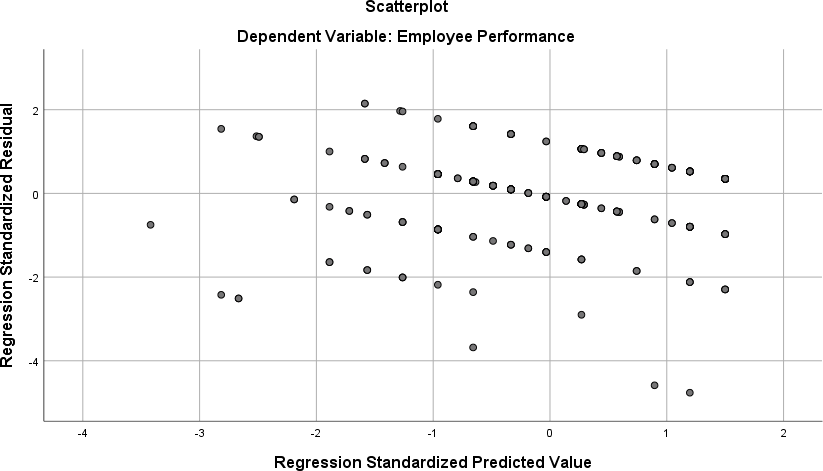
Figure 4.3: scatter plot Source: Survey result, (2025)
Figure 4.3 presents a scatter plot of the regression standardized residuals against the regression standardized predicted values for the dependent variable, Employee Performance. This visualization is crucial for assessing the assumptions of homoscedasticity and the linearity of the regression model.
In the scatter plot, the x-axis represents the regression standardized predicted values, while the y- axis shows the regression standardized residuals. Each point on the plot corresponds to an observation from the sample of 345 respondents.
When examining the scatter plot, it is important to look for patterns in the distribution of the residuals. Ideally, the residuals should be randomly distributed around the horizontal line at zero, indicating that the variance of the residuals is consistent across all levels of the predicted values (homoscedasticity).
In Figure 4.3, the points are dispersed around the horizontal line, with no apparent pattern indicating that the residuals are randomly distributed. While there are some points that appear to cluster near the zero line, the overall spread suggests that there are no significant deviations from homoscedasticity. This is a positive indicator, as it implies that the model is appropriately specified and that the variance of the residuals is stable across predicted values.
However, there are a few observations with larger negative residuals, indicating that these particular cases are underestimating Employee Performance. This could suggest the presence of outliers or influential data points that may need further investigation.
In summary, the scatter plot in Figure 4.3 provides a visual assessment of the residuals in relation to the predicted values for Employee Performance. The random distribution of the residuals around the zero line supports the assumption of homoscedasticity, indicating that the regression model is well-fitted. Nonetheless, the presence of some outliers warrants further examination to ensure the robustness of the analysis.
4.5. Multiple regressions of Independent variables
Multiple regressions are a model for the relationship between a dependent variable and a collection of independent variables. It is also used to model the value of a dependent scale variable based on its linear relationship or “straight line” relationship to one or more predictors. The researcher determines the relationship between a dependent variable (employee performance) and independent variables (Direct Compensation practices, Indirect Compensation practices, Incentive-Based motivational practices), using multiple regression analysis. Out of the three hypotheses that the researcher initially set for testing, three of them are tested using a multiple regression model.
4.5.1. Model Summary
The Model Summary table 4.10 summarizes the presentation of the regression model. It helps us understand how well the independent variables (predictors) explain the variation in the dependent variable (employee performance).
Table 4.10: Model Summary
|
Table 4.10: Model Summary |
||||
|
Model Summaryb |
||||
|
Model |
R |
R Square |
Adjusted R Square |
Std. Error of the Estimate |
|
1 |
.798a |
.732 |
.686 |
.84679 |
|
a. Predictors: (Constant), Incentive-Based motivational practices , Direct Compensation practices , Indirect Compensation practices |
||||
|
b. dependent variable: Employee Performance |
||||
Source: Survey result, (2025)
Table 4.10 presents a model summary for a multiple regression analysis examining the relationship between Direct Compensation Practices, Indirect Compensation Practices, and Incentive-Based Motivational Practices (independent variables) and Employee Performance (dependent variable). The key statistics include R, R Square, Adjusted R Square, and the Standard Error of the Estimate.
The R value of 0.798 indicates a strong positive correlation between the independent variables and Employee Performance, suggesting that as these compensation practices increase, so does employee performance (Field, 2018). The R Square value of 0.732 signifies that approximately 73.2% of the variance in Employee Performance is explained by the combination of the predictors. This high percentage indicates that the model has a strong ability to predict employee performance based on these compensation and motivational factors, aligning with findings from previous studies that emphasize the impact of these variables on performance outcomes (Hair et al., 1998).
The Adjusted R Square value of 0.686 accounts for the number of predictors in the model, providing a more conservative estimate of the model's explanatory power. This suggests that, after adjusting for the number of predictors, approximately 68.6% of the variance in Employee Performance is explained, indicating that the model remains robust even when accounting for potential overfitting (Field, 2018).
The Standard Error of the Estimate is 0.84679, representing the average distance that the observed values fall from the regression line. A lower Standard Error indicates that the data points are closely clustered around the predicted values, suggesting a more precise model (Hair et al., 1998). Overall, the model summary in Table 4.10 indicates that the regression model is a good fit for the data, with a substantial portion of the variance in Employee Performance being explained by the independent variables. The strong R value, high R Square and Adjusted R Square values, and relatively low Standard Error of the Estimate support the validity and reliability of the model findings (Field, 2018; Hair et al., 1998).
4.5.2. Analysis of Variance (ANOVA)
The study examining the effect of compensation management practices on employee performance at Ethio-Telcom across four zones in Addis Ababa utilized ANOVA (Analysis of Variance) to assess the overall significance of the regression model.
ANOVA evaluates whether the variation in the dependent variable, employee performance, can be explained by the independent variables (predictors). It compares the variability between the regression model (attributed to the predictors) and the variability within the model (residuals). The primary purpose of the ANOVA test is to determine whether the regression model provides a significantly better prediction of the dependent variable than merely using the means of the data.
Accordingly, Table 4.11 presents the significance levels from the ANOVA analysis, indicating the effectiveness of compensation management practices in influencing employee performance.
Table 4.11 ANOVA Analysis
|
Table 4.11 ANOVA Analysis |
||||||
|
ANOVAa |
||||||
|
Model |
Sum of Squares |
df |
Mean Square |
F |
Sig. |
|
|
1 |
Regression |
66.875 |
3 |
22.292 |
38.948 |
.000b |
|
Residual |
195.166 |
341 |
.572 |
|
|
|
|
Total |
262.041 |
344 |
|
|
|
|
|
a. Dependent Variable: Employee Performance |
||||||
|
b. Predictors: (Constant), Incentive-Based motivational practices , Direct Compensation practices , Indirect Compensation practices |
||||||
|
Source: Survey result,( 2025) |
||||||
Source: Survey result,( 2025)
Table 4.11 presents the results of the ANOVA analysis, which assesses the statistical significance of the regression model in predicting Employee Performance based on Direct Compensation Practices, Indirect Compensation Practices, and Incentive-Based Motivational Practices.
The ANOVA results indicate that the regression model is statistically significant (F(3, 341) = 38.948, p < .001). This finding suggests that the independent variables, taken together, significantly predict Employee Performance. The F-statistic represents the ratio of variance explained by the model to the unexplained variance, and the associated p-value indicates the probability of obtaining these results if there were no true effect (Field, 2018). Since the p-value is less than the conventional significance level of 0.05, we reject the null hypothesis that the means of all groups are equal, concluding that there is a significant relationship between the independent variables and Employee Performance (Hair et al., 1998).
Specifically, the Sum of Squares for the Regression is 66.875, representing the variance in Employee Performance explained by the model. The Mean Square for the Regression is 22.292, calculated by dividing the Sum of Squares by the degrees of freedom (df = 3). The Residual Sum of Squares is 195.166, indicating the unexplained variance, and the Mean Square for the Residual is 0.572 (Sum of Squares divided by df = 341).
These findings align with previous studies that have demonstrated the significant impact of compensation and motivational practices on employee performance, reinforcing the notion that effective compensation strategies are crucial for enhancing employee outcomes (Field, 2018; Hair et al., 1998).
4.5.3. Multiple regression analysis
Multiple linear regressions are the most common form of the regression analysis. As a predictive analysis, multiple linear regressions are used to describe data and to observe how the sum effects of the predictors (Direct Compensation practices, Indirect Compensation practices, and Incentive- Based motivational practices ) affect the dependent variable (employee performance) and further specific objectives. The relative contribution of each of the different variables can easily be compared by taking the beta value under the standardized coefficients. The higher the beta value, the stronger its contribution becomes.
From the table below, a two-tail test at 95% confidence level (α = 0.05) showed that the positive beta values suggest a positive influence of the independent variables on the dependent variable. Multicollinearity of the variables is tested by using the tolerance statistics and Variance Inflation Factor (VIF). If the tolerance statistics are below 0.1 (10%) and the values of the VIF of variables are more than 10, there will be a multicollinearity problem.
The study's multiple regression coefficients to examine the effect of compensation management practices on employee performance at Ethio-Telecom four zones (Addis Ababa) and how they affect employee performance practices. These coefficients shed light on the relative contributions of each independent variable (predictor) to the explanation of employee preformance.
Table 4.12 Multiple Regression Coefficients
|
Coefficientsa |
||||||
|
Model |
Unstandardized Coefficients |
Standardized Coefficients |
t |
Sig. |
||
|
B |
Std. Error |
Beta |
||||
|
1 |
(Constant) |
2.226 |
.232 |
|
9.589 |
.000 |
|
Direct Compensation practices |
.265 |
.060 |
.364 |
4.418 |
.000 |
|
|
Indirect Compensation practices |
0.409 |
0.045 |
0.441 |
9.028 |
.000 |
|
|
Incentive-Based motivational practices |
0.133 |
0.040 |
0.161 |
3.330 |
.001 |
|
|
a. Dependent Variable: Employee Performance |
||||||
Source: Survey result,( 2025)
The regression equation presented is Y= β0 + β1DCP + β2IDCP2 + β3IBMP+ εi where Y represents Employee Performance, and DC, IDCP, and IBMP are the predictors: Direct Compensation Practices, Indirect Compensation Practices, and Incentive-Based Motivational Practices, respectively.
Y=2.226+0.265⋅DCP+0.409⋅IDCP+0.133⋅IBMP+εi
Interpretation of the Equation
1. Intercept (2.226): This is the expected baseline performance of employees when all predictors are zero.
2. Direct Compensation Practices (0.265): For each unit increase in Direct Compensation Practices, Employee Performance is expected to increase by 0.265 units.
3. Indirect Compensation Practices (0.409): For each unit increase in Indirect Compensation Practices, Employee Performance is expected to increase by 0.409 units.
4. Incentive-Based Motivational Practices (0.133): For each unit increase in Incentive- Based Motivational Practices, Employee Performance is expected to increase by 0.133 units.
This equation illustrates the positive relationships between the various compensation management practices and Employee Performance, indicating the importance of these practices in enhancing overall performance.
4.6. Hypothesis Testing and Discussion
This study examines several hypotheses related to the factors influencing compensation management practices and their effect on employee performance at Ethio-Telecom across four zones in Addis Ababa. The hypotheses specifically address the roles of Direct Compensation Practices, Indirect Compensation Practices, and Incentive-Based Motivational Practices. Gaining insights into these relationships is crucial for optimizing compensation strategies and enhancing employee performance within Ethio-Telecom's operations in Addis Ababa.
The intercept coefficient (β0=2.226) indicates the expected value of Employee Performance when all predictors are equal to zero. This value serves as a baseline, suggesting that even in the absence of any compensation or motivational practices, employees are expected to have a baseline performance level of 2.226. This baseline reflects the inherent capabilities and engagement levels of employees, which may be influenced by factors other than the specific compensation practices being measured. Thus, while the intercept provides a starting point for the regression model, it highlights the importance of exploring additional factors that may contribute to employee performance beyond direct compensation and motivational strategies.
H1 : Direct compensation has significant influence on employee performance at Ethio- Telecom (Addis Ababa).
The regression results indicate that direct compensation practices have a positive and statistically significant effect on employee performance at Ethio-Telecom (β = 0.364, t = 4.418, p < 0.001). This suggests that as direct compensation practices such as salary, bonuses, and performance- based pay improve, employee performance also increases correspondingly. The strong significance level (p < 0.001) implies that the relationship is not due to chance, confirming the hypothesized positive influence. This finding highlights the importance of fair and competitive compensation systems in motivating employees to achieve higher performance levels.
These results are consistent with prior studies emphasizing the crucial role of financial rewards in enhancing employee motivation and productivity. For instance, Armstrong and Taylor (2014) explained that direct compensation serves as a key driver of employee engagement and performance since it fulfills both financial and psychological needs. Similarly, Milkovich, Newman, and Gerhart (2017) asserted that well-structured pay systems attract, retain, and motivate competent employees, leading to improved organizational outcomes. Therefore, Ethio-Telecom’s emphasis on fair pay and merit-based remuneration appears to align with global best practices in human resource management.
Moreover, the findings align with empirical evidence from other developing countries. Anku- Tsede and Kutin (2013) found that direct financial rewards significantly impact job satisfaction and performance among Ghanaian employees. Likewise, Okwudili and Edeh (2017) reported that equitable compensation enhances employee commitment and efficiency in Nigerian telecommunication firms. These studies corroborate that competitive and transparent pay systems contribute positively to employee performance, particularly in dynamic and high-demand industries such as telecommunications.
Finally, the present finding reinforces expectancy theory, which posits that employees are more likely to exert greater effort when they believe that performance will lead to valued rewards (Vroom, 1964). By linking compensation directly to performance outcomes, Ethio-Telecom effectively encourages a performance-oriented culture. Hence, the study concludes that direct compensation significantly and positively influences employee performance, validating Hypothesis 1.
H2: Indirect compensation has significant effect on employee performance at Ethio- Telecom (Addis Ababa).
The regression output indicates that indirect compensation practices exert a positive and statistically significant effect on employee performance at Ethio-Telecom (β = 0.441, t = 9.028, p
< 0.001). This suggests that improvements in non-monetary benefits such as health insurance, retirement plans, paid leave, and training opportunities lead to higher levels of employee performance. The high standardized beta value (0.441) signifies that among the compensation dimensions considered, indirect compensation is the strongest predictor of employee performance in this model. This finding emphasizes that employees value benefits that enhance their overall well-being and job satisfaction, contributing directly to improved performance.
This result supports previous studies that identified non-financial rewards as critical determinants of employee behavior and organizational success. Dessler (2020) emphasized that indirect compensation, through fringe benefits and supportive working conditions, fosters loyalty and reduces turnover intentions. Similarly, Mondy and Martocchio (2016) argued that benefits such as health coverage, pensions, and family support programs play a major role in maintaining a motivated and stable workforce. Therefore, Ethio-Telecom’s investment in comprehensive benefits and employee development initiatives appears to have a tangible and positive influence on performance outcomes.
Empirical evidence from related contexts reinforces this conclusion. For example, Khan, Raziq, and Maqbool (2017) found that non-monetary incentives significantly boost employee performance in the Pakistani telecom sector. Likewise, Tessema and Soeters (2006) reported that well-structured benefit systems enhance employee commitment and job satisfaction in Ethiopian public organizations. These findings indicate that indirect compensation not only improves morale but also nurtures a sense of organizational belonging, which is vital for sustained productivity and performance.
Theoretically, this finding aligns with Herzberg’s Two-Factor Theory, which distinguishes between hygiene factors (such as job security and benefits) and motivators. While hygiene factors do not directly motivate employees, their presence prevents dissatisfaction and fosters stability (Herzberg, Mausner, & Snyderman, 1959). Ethio-Telecom’s provision of benefits such as paid leave, health insurance, and professional development opportunities likely fulfills these hygiene needs, thereby creating a supportive environment for enhanced performance. Consequently, the study concludes that indirect compensation significantly and positively influences employee performance, confirming Hypothesis 2.
H3: Incentives have significant effect on employee performance at Ethio-Telecom (Addis Ababa).
The regression analysis results indicate that incentive-based motivational practices have a positive and statistically significant effect on employee performance at Ethio-Telecom (β = 0.161, t = 3.330, p = 0.001). Although the beta coefficient is smaller compared to other compensation variables, the finding implies that incentive schemes such as performance bonuses, recognition programs, and promotion opportunities play a meaningful role in improving employee motivation and productivity. This suggests that Ethio-Telecom’s incentive system is effective in encouraging employees to perform better, take initiative, and achieve higher levels of output.
The results are consistent with the findings of Armstrong and Taylor (2020), who noted that incentive programs are among the most powerful tools for stimulating performance, particularly when linked directly to measurable achievements. Similarly, Milkovich, Newman, and Gerhart (2016) argued that performance-based rewards create a psychological connection between effort and reward, encouraging employees to exceed expectations. In the context of Ethio-Telecom, employees who perceive a fair and transparent incentive system are likely to feel recognized and valued, which translates into improved performance outcomes.
Previous empirical studies also reinforce this conclusion. Kuvaas, Buch, and Dysvik (2018) found that performance-contingent rewards significantly enhance employee engagement and discretionary effort, especially when aligned with clear performance goals. Likewise, Tsegaye (2019) reported that incentive schemes positively influenced the performance and morale of employees in Ethiopian public enterprises. These findings highlight that incentives are not merely financial motivators but also serve as tools for recognition and professional growth, thereby contributing to higher job satisfaction and performance.
From a theoretical perspective, this finding aligns with Vroom’s Expectancy Theory (1964), which posits that employees are motivated when they believe their efforts will lead to desirable rewards. The positive and significant effect of incentives at Ethio-Telecom demonstrates that when employees see a direct connection between performance and reward, their motivation and productivity increase accordingly. Hence, it can be concluded that incentive-based motivational practices play a crucial role in enhancing employee performance, confirming Hypothesis 3.
The regression analysis results revealed that all three compensation management practices direct compensation, indirect compensation, and incentive-based motivation had a positive and statistically significant effect on employee performance at Ethio-Telecom (Addis Ababa). Direct compensation (β = 0.364, p < 0.001) demonstrated a strong influence, indicating that competitive salaries and fair pay structures enhance employees’ motivation and productivity. Indirect compensation (β = 0.441, p < 0.001) showed the most substantial effect, suggesting that benefits such as health insurance, training, and leave policies play a critical role in improving performance and commitment. Incentive-based motivational practices (β = 0.161, p = 0.001) also significantly affected performance, highlighting the importance of recognition, bonuses, and performance-based rewards in fostering employee engagement. Overall, these findings confirm that comprehensive and well-managed compensation systems substantially contribute to higher employee performance, aligning with previous studies (Armstrong & Taylor, 2020; Milkovich et al., 2016) that emphasize the strategic role of fair and motivating reward structures in organizational success.
Table 4.13: Summary of Regression Results and Interpretation
|
Variable |
Unstandardized Coefficient (B) |
Standardized Coefficient (Beta) |
Sig. |
Interpretation |
Alignment with Previous Studies |
|
Direct Compensation Practices |
0.265 |
0.364 |
0 |
Direct compensation has a significant and positive influence on employee performance. This indicates that fair and competitive pay structures, salary reviews, and allowances enhance employees’ motivation and work outcomes. |
Consistent with Armstrong & Taylor (2020) and Milkovich et al. (2016), who argued that equitable pay systems improve morale and performance. |
|
Indirect Compensation Practices |
0.409 |
0.441 |
0 |
Indirect compensation significantly affects employee performance. Benefits such as health insurance, paid leave, and training programs contribute to employee satisfaction and retention, leading to improved productivity. |
Supports Dessler (2020) and Kumari & Singh (2018), who found that non- monetary rewards and benefits enhance employee commitment and efficiency. |
|
Incentive- Based Motivational Practices |
0.133 |
0.161 |
0.001 |
Incentives have a significant positive impact on performance. Recognition programs, bonuses, and merit-based promotions motivate employees to work harder and exceed performance expectations. |
Aligns with Robbins & Judge (2019) and Puwanenthiren (2011), who highlighted that performance-linked incentives encourage higher effort and productivity. |
Source: Survey result,( 2025)
CHAPTER FIVE
5. SUMMARY OF MAJOR FINDINGS, CONCLUSION AND
RECOMMENDATIONS
5.1 Introduction
This chapter presents a summary of the major findings, the conclusions drawn from the analysis, and the recommendations derived from the study results. It integrates the key insights obtained from both descriptive and inferential analyses to highlight how compensation management practices influence employee performance at Ethio-Telecom (Addis Ababa). The section also synthesizes the relationship between direct, indirect, and incentive-based compensation systems and their overall effect on employee motivation and productivity. Furthermore, it provides practical and policy-oriented recommendations aimed at enhancing compensation strategies within the organization. Finally, this chapter outlines potential areas for future research to address the limitations identified and to further deepen understanding of compensation management practices in similar contexts.
5.2 Summary of the Study
This study examined the effect of compensation management practices on employee performance at Ethio-Telecom across its four zones in Addis Ababa. The research was motivated by the growing recognition that effective compensation systems are essential for enhancing productivity, retaining skilled employees, and promoting organizational success. Specifically, the study sought to assess the influence of direct compensation, indirect compensation, and incentive-based motivational practices on employee performance. A quantitative research approach was adopted using structured questionnaires distributed to 353 employees, of which 345 valid responses were analyzed using SPSS version 25.
The findings revealed that direct compensation practices such as salaries, wages, and allowances significantly and positively influenced employee performance. Employees who perceived their pay as fair and consistent with their effort and responsibilities demonstrated higher motivation and productivity. Similarly, indirect compensation practices, including health insurance, pension schemes, training opportunities, and paid leave, emerged as the strongest determinant of performance. These benefits contributed to job satisfaction, reduced turnover intentions, and increased organizational commitment.
Additionally, incentive-based motivational practices such as bonuses, recognition, and merit-based promotions were found to have a significant positive relationship with employee performance. Although the effect was comparatively smaller than that of direct and indirect compensation, the results underscored the importance of recognizing and rewarding high performance to sustain employee morale and productivity. The study also demonstrated that Ethio-Telecom’s comprehensive compensation management system plays a critical role in aligning employee motivation with organizational goals.
Overall, the correlation and regression analyses confirmed that compensation management practices jointly and significantly affect employee performance. The results support the theoretical assumptions of Vroom’s Expectancy Theory and Herzberg’s Two-Factor Theory, which highlight that both financial and non-financial rewards are vital in influencing employee behavior. Therefore, effective compensation strategies contribute not only to individual performance but also to the overall competitiveness of Ethio-Telecom in the rapidly evolving telecommunications sector.
5.3 Conclusion
Based on the findings, it can be concluded that compensation management has a substantial and positive effect on employee performance at Ethio-Telecom. Direct compensation motivates employees to meet performance targets by providing fair financial rewards that match their effort and responsibilities. Indirect compensation, through benefits and welfare programs, enhances satisfaction and organizational loyalty, making it the most influential factor among the three compensation dimensions.
The study further concludes that incentive-based motivational practices such as bonuses and recognition programs play a vital role in stimulating effort and reinforcing desired behaviors. A transparent and merit-based reward system ensures fairness and sustains employee engagement. Collectively, these practices establish a performance-driven culture that supports the strategic objectives of Ethio-Telecom.
Finally, the results confirm that a well-structured compensation management system is not only a financial mechanism but also a strategic tool for human resource development. When effectively designed and implemented, compensation policies foster motivation, innovation, and retention key factors for organizational excellence and sustainable growth.
5.4 Recommendations
5.4.1 Recommendations for Action
Based on the study’s findings, several recommendations are proposed.
First, Ethio-Telecom should continuously review and adjust its direct compensation packages to ensure pay competitiveness within the telecommunications industry. Regular salary benchmarking and transparent pay structures will enhance fairness and motivation among employees.
Second, greater emphasis should be placed on strengthening indirect compensation, particularly in areas such as employee training, career development, and welfare programs. Expanding health insurance and family support benefits could further boost satisfaction and long-term retention. Moreover, management should ensure that employees are fully informed about available benefits to increase perceived value.
Third, incentive programs should be diversified and performance-based. Introducing recognition awards, profit-sharing schemes, and non-monetary incentives can increase motivation across all job categories.
5.4.2 Recommendations for Further Studies
Future researchers are encouraged to expand the scope of the study to include other regions and employ mixed methods (quantitative and qualitative) to gain deeper insights into compensation and performance dynamics in Ethiopia’s public and private sectors.
Appendix
Appendix : Questionnaire
General Instruction:
Thank You for your cooperation!
Part I: General background information
 B. Female
 B. 26 to 35 years
  C. 36 - 45 years
D. 46 to 55 years E. Over 55 years
B. Diploma  C BA D . Masters E PhD
 B. 6- 10 years
C 11 -15 years  D. 16 and above years
 B. supervisory
  C. technical
D. clerical E. operational
B. temporary/contractual employeesA. North Zone B. South Zone C. West Zone  D. East Zone
ECTION II: Basic Research Questions
The following statements pertaining to examine the effect of compensation management practices on employee performance at Ethio-Telecom four zones (Addis Ababa).. Please indicate whether your agreement on each statement by ticking (√) on the spaces that specifies your choice. Responses are measured on 5- point scales with the following verbal anchors: Strongly Disagree (1), Disagree (2), Neither Disagree or Agree (3), Agree (4) and Strongly Agree (5) .
|
S.n |
Items |
SD |
D |
N |
A |
SA |
|
|
Direct Compensation practices |
1 |
2 |
3 |
4 |
5 |
|
1 |
The salary structure at Ethio-Telecom is competitive compared to similar organizations. |
|
|
|
|
|
|
2 |
Employees receive fair compensation based on their job roles and responsibilities. |
|
|
|
|
|
|
3 |
Pay increases are consistent with employee performance. |
|
|
|
|
|
|
4 |
Overtime payment is fairly calculated and paid on time. |
|
|
|
|
|
|
5 |
Salary reviews are conducted periodically. |
|
|
|
|
|
|
6 |
Ethio-Telecom provides adequate allowances and benefits. |
|
|
|
|
|
|
7 |
Overall, I am satisfied with my direct compensation. |
|
|
|
|
|
|
|
Indirect Compensation practices |
|
|
|
|
|
|
1 |
Ethio-Telecom provides adequate health insurance coverage. |
|
|
|
|
|
|
2 |
The company offers sufficient paid leave and vacation benefits. |
|
|
|
|
|
|
3 |
Pension and retirement benefits are satisfactory. |
|
|
|
|
|
|
4 |
Employees benefit from flexible work schedules. |
|
|
|
|
|
|
5 |
Training and development opportunities are provided. |
|
|
|
|
|
|
6 |
Support for family-related needs (e.g., maternity leave) is adequate. |
|
|
|
|
|
|
7 |
Overall, I am satisfied with indirect compensation practices. |
|
|
|
|
|
|
|
Incentive-Based motivational practices |
|
|
|
|
|
|
1 |
The organization provides bonuses for outstanding performance. |
|
|
|
|
|
|
2 |
Incentives are distributed fairly among employees. |
|
|
|
|
|
|
3 |
Team-based performance rewards are encouraged. |
|
|
|
|
|
|
4 |
Recognition programs motivate employees to perform better. |
|
|
|
|
|
|
5 |
Incentive programs are clearly communicated. |
|
|
|
|
|
|
6 |
Performance-based pay motivates me to work harder. |
|
|
|
|
|
|
7 |
Promotions are based on merit and performance. |
|
|
|
|
|
|
8 |
Overall, I am satisfied with the incentive system. |
|
|
|
|
|
|
|
Employee Performance |
|
|
|
|
|
|
1 |
I always meet or exceed my performance targets. |
|
|
|
|
|
|
2 |
I complete assigned tasks efficiently and on time. |
|
|
|
|
|
|
3 |
My quality of work meets the expected standards. |
|
|
|
|
|
|
4 |
I actively contribute to team goals. ii |
|
|
|
|
|
|
5 |
I take initiative to improve work processes. |
|
|
|
|
|
|
6 |
I demonstrate creativity and problem-solving skills. |
|
|
|
|
|
|
7 |
I show a high level of commitment to my job. |
|
|
|
|
|
|
8 |
I adapt well to new work challenges. |
|
|
|
|
|
|
9 |
I maintain good relationships with co-workers. |
|
|
|
|
|
|
10 |
Overall, my job performance is excellent. |
|
|
|
|
|
I appreciate your cooperation.



Open Access By Aditum Open Access Journals id licensed under Creative Commons Attribution 4.0 International License. Based On a Work at aditum.org


