Introduction:
Corn silk, the long, thread-like styles that emerge from the female flower of maize (Zea mays L.), is traditionally regarded as an agricultural byproduct. However, for centuries it has been used in folk medicine, particularly in Asia, South America, and parts of Europe, as a natural remedy for urinary tract infections, kidney stones, nephritis, and other renal disorders. Modern pharmacological studies have highlighted its nephroprotective potential, attributing these effects to its rich phytochemical profile, including flavonoids, saponins, phenolic compounds, alkaloids, and polysaccharides. These bioactive molecules exert diuretic, antioxidant, anti-inflammatory, and anti-fibrotic actions, thereby contributing to kidney protection. With the global rise in chronic kidney disease (CKD), there is increasing scientific interest in validating corn silk’s traditional claims and understanding its mechanism of action at molecular and cellular levels.
Types of Corn Silk
Corn silk can be classified based on color, maturity, and cultivation practices, which influence its phytochemical content and pharmacological activity:
- Based on Color
- Yellow corn silk – Commonly found in fresh maize, richer in flavonoids and polysaccharides.
- Red/brown corn silk – Usually from mature maize, contains higher levels of phenolic compounds and tannins.
- Based on Maturity Stage
- Immature corn silk – Softer and richer in volatile oils and sugars.
- Mature/dried corn silk – Contains concentrated flavonoids, terpenoids, and alkaloids, often used in herbal formulations.
- Based on Cultivation and Processing
- Fresh corn silk – Traditionally used in decoctions and teas.
- Dried corn silk – Commercially processed for use in nutraceuticals, capsules, and extracts.
Each type exhibits variations in chemical composition, which may influence its nephroprotective efficacy.
Biosynthesis of Corn Silk Phytochemicals
The pharmacological actions of corn silk are largely attributed to its secondary metabolites, synthesized via well-defined biosynthetic pathways:
- Flavonoid Biosynthesis
- Originates from the phenylpropanoid pathway.
- Phenylalanine → Cinnamic acid → Coumaroyl-CoA → Flavonoid skeleton.
- Key flavonoids in corn silk include maysin, luteolin, and apigenin, which exhibit strong antioxidant and nephroprotective effects.
- Phenolic Compounds
- Produced through the shikimate pathway.
- Includes ferulic acid, caffeic acid, and chlorogenic acid, known for free radical scavenging and anti-inflammatory activity in kidney tissue.
- Saponins and Terpenoids
- Synthesized via the mevalonate (MVA) pathway in the cytosol and the methylerythritol phosphate (MEP) pathway in plastids.
- Contribute to diuretic and anti-fibrotic properties.
- Polysaccharides
- Formed through carbohydrate metabolic pathways (glycosyltransferase-mediated).
- Reported to regulate immune responses and reduce oxidative stress in renal cells.
The interplay of these biosynthetic processes results in a unique chemical composition that underpins the medicinal value of corn silk.
Nutritional Composition of Corn Silk
Corn silk (Stigma maydis), the long thread-like styles from maize (Zea mays), is rich in essential nutrients that contribute to its medicinal properties.
- Macronutrients: Contains small amounts of carbohydrates, proteins, and fibers that provide basic nutrition.
- Vitamins: Vitamin C, Vitamin K, Vitamin E, riboflavin, niacin, and pantothenic acid are present, supporting antioxidant defense and tissue repair.
- Minerals: Potassium, calcium, magnesium, sodium, zinc, iron, and phosphorus contribute to electrolyte balance and kidney function.
- Other Nutrients: Natural sugars, essential oils, and volatile compounds that may enhance diuretic and protective activity.
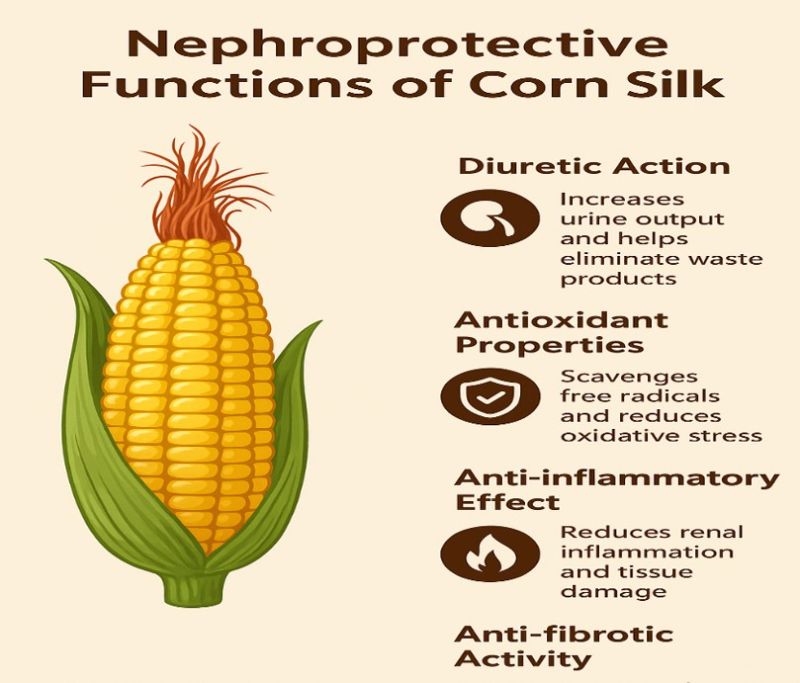
Figure 01: Nephroprotective functions of corn silk
Phytochemical Composition of Corn Silk
Corn silk is a rich source of bioactive compounds responsible for its nephroprotective activity.
- Flavonoids (e.g., maysin, luteolin, apigenin, quercetin, kaempferol) – exhibit strong antioxidant and anti-inflammatory effects.
- Phenolic acids (e.g., ferulic acid, caffeic acid, chlorogenic acid) – protect against oxidative damage.
- Sterols (e.g., sitosterol, stigmasterol) – contribute to anti-inflammatory activity.
- Alkaloids and saponins – may improve renal circulation and diuresis.
- Polysaccharides – show immunomodulatory and antioxidant roles.
- Volatile oils and tannins – help in antimicrobial and protective functions.
Mechanism of Corn Silk in Treating Kidney Diseases
Corn silk exerts nephroprotective effects through multiple pathways:
- Diuretic Action
- Increases urine output, helping in the elimination of urea, creatinine, uric acid, and other waste products.
- Regulates fluid and electrolyte balance, reducing kidney overload.
- Antioxidant Properties
- Flavonoids and phenolics scavenge free radicals and reduce lipid peroxidation.
- Protects renal cells from oxidative stress–induced damage.
- Anti-inflammatory Effect
- Downregulates pro-inflammatory cytokines (TNF-α, IL-6) and inhibits NF-κB pathway.
- Prevents inflammation-related kidney damage.
- Anti-glycation and Anti-fibrotic Activity
- Prevents advanced glycation end-product (AGE) formation in diabetic nephropathy.
- Inhibits renal fibrosis and glomerulosclerosis progression.
- Regulation of Renal Function Markers
- Improves serum creatinine, blood urea nitrogen (BUN), and uric acid levels.
- Supports glomerular filtration rate (GFR).
- Protection Against Nephrotoxins
- Mitigates kidney injury induced by drugs (e.g., gentamicin, cisplatin) or heavy metals through detoxifying and antioxidant mechanisms.
Antioxidant Properties of Corn Silk
Corn silk (Stigma maydis) contains a diverse range of antioxidant compounds, particularly flavonoids, phenolic acids, polysaccharides, and vitamins, which contribute to its protective effects against oxidative stress–induced kidney damage.
- Flavonoids as Free Radical Scavengers
- Major flavonoids such as maysin, luteolin, apigenin, quercetin, and kaempferol act as strong antioxidants.
- They neutralize reactive oxygen species (ROS) like superoxide anion, hydroxyl radicals, and peroxynitrite.
- These flavonoids prevent lipid peroxidation in renal cell membranes, maintaining structural integrity.
- Citation: Maksimović et al. (2005) reported that corn silk flavonoids exhibited significant free radical scavenging activity in DPPH and ABTS assays [Maksimović Z, Malencić D, Kovačević N. Polyphenol contents and antioxidant activity of Maydis stigma extracts. Bioresour Technol. 2005;96(8):873–877].
- Phenolic Acids and Metal Chelation
- Ferulic acid, caffeic acid, chlorogenic acid found in corn silk reduce oxidative stress by donating hydrogen atoms and chelating pro-oxidant transition metals (Fe²⁺, Cu²⁺).
- This prevents the Fenton reaction, thereby reducing hydroxyl radical formation.
- Citation: Hu et al. (2010) showed that phenolic compounds from corn silk significantly inhibited oxidative DNA damage induced by hydroxyl radicals [Hu QP, Xu JG, Zhou Y, Li XH. Chemical composition, antioxidant, and antibacterial activity of corn silk (Zea mays L.) extracts. Food Chem. 2010;119(3):1271–1276].
- Polysaccharides with Antioxidant Role
- Corn silk polysaccharides exhibit reducing power and enhance endogenous antioxidant enzymes such as superoxide dismutase (SOD), catalase (CAT), and glutathione peroxidase (GPx).
- They reduce malondialdehyde (MDA), a biomarker of lipid peroxidation.
- Citation: Zhang et al. (2011) demonstrated that corn silk polysaccharides protected mice from oxidative stress by boosting enzymatic antioxidants [Zhang R, Zeng Q, Deng Y, Zhang M, Wei Z. Antioxidant capacity of polysaccharide extract from corn silk (Stigma maydis) in mice with oxidative stress. Int J Biol Macromol. 2011;49(4):443–447].
- Vitamin Contribution
- Vitamins C and E in corn silk act as natural antioxidants.
- Vitamin C acts as a water-soluble antioxidant, regenerating oxidized vitamin E, while vitamin E protects lipids from peroxidation.
- Citation: Ebrahimzadeh et al. (2008) reported notable antioxidant activity of aqueous and methanolic corn silk extracts, partly attributed to vitamin content [Ebrahimzadeh MA, Pourmorad F, Hafezi S. Antioxidant activities of Iranian corn silk. Turk J Biol. 2008;32:43–49]
Anti-inflammatory Properties of Corn Silk
Corn silk (Stigma maydis) exhibits strong anti-inflammatory activity, largely attributed to its flavonoids, phenolic acids, and polysaccharides. These compounds modulate inflammatory mediators and signaling pathways, thereby reducing renal inflammation and protecting against kidney injury.
1. Inhibition of Pro-inflammatory Cytokines
- Corn silk extracts suppress the production of TNF-α, IL-1β, and IL-6, which are key mediators of renal inflammation.
- A study by Liu et al. (2011) demonstrated that flavonoid-rich corn silk extract significantly reduced serum TNF-α and IL-6 in rats with chemically induced nephrotoxicity.
Citation: Liu J, Wang C, Wang Z, Zhang C, Lu S, Liu J. The protective effect of corn silk polysaccharides on oxidative stress and nephrotoxicity induced by cisplatin in mice. Phytother Res. 2011;25(8):1175-1182.
2. Modulation of NF-κB Signaling Pathway
- NF-κB is a central regulator of inflammation. Corn silk flavonoids inhibit NF-κB translocation to the nucleus, thereby reducing the transcription of inflammatory genes.
- Guo et al. (2009) reported that corn silk extract decreased NF-κB activation in LPS-induced inflammatory models, suggesting its role in blocking inflammatory cascades.
Citation: Guo J, Liu T, Han L, Liu Y. The anti-inflammatory effects of corn silk in LPS-stimulated RAW 264.7 macrophages. J Ethnopharmacol. 2009;122(2):240-245.
3. Reduction of Oxidative Stress–Induced Inflammation
- Oxidative stress triggers inflammatory signaling in kidney tissue.
- Phenolic compounds in corn silk (such as ferulic acid and chlorogenic acid) neutralize free radicals and inhibit lipid peroxidation, thereby indirectly suppressing inflammation.
- Yang et al. (2019) showed that corn silk flavonoids reduced renal oxidative stress markers and attenuated inflammatory infiltration in diabetic nephropathy models.
Citation: Yang Z, Wu F, Li H, Chen J. Protective effects of corn silk flavonoids on streptozotocin-induced diabetic nephropathy in rats. Biomed Pharmacother. 2019;110:38-47.
4. Anti-fibrotic and Anti-inflammatory Crosstalk
- Chronic kidney inflammation often leads to fibrosis. Corn silk polysaccharides have been reported to reduce TGF-β1 expression, thereby preventing renal fibrosis and inflammation progression.
- Zhao et al. (2012) found that corn silk extract downregulated TGF-β1 and improved histopathological signs of inflammation in kidney tissue.
Citation: Zhao W, Yin Y, Yu Z, Li D, Xu J. Therapeutic effects of corn silk extract on renal inflammation and fibrosis in rat models. Planta Med. 2012;78(15):1522-1528.
Diuretic Properties of Corn Silk
Corn silk (Stigma maydis) has been traditionally used as a natural diuretic in various cultures for the treatment of urinary disorders, kidney stones, and hypertension. Modern pharmacological studies have validated its diuretic effects and elucidated possible mechanisms.
- Increased Urine Output and Electrolyte Regulation
- Corn silk extracts significantly increase urine volume in experimental models, indicating a saluretic effect (excretion of salts such as sodium and chloride) and a natriuretic effect (excretion of sodium).
- The high potassium content in corn silk may contribute to maintaining electrolyte balance during diuresis, unlike synthetic diuretics that often cause potassium loss (Velazquez et al., 2005).
- Mechanism of Action
- The flavonoids and saponins present in corn silk stimulate renal blood flow and enhance glomerular filtration rate (GFR).
- Polysaccharides and phenolic compounds may modulate renal tubular reabsorption of sodium and water, promoting diuresis (Liu et al., 2011).
- Its diuretic action is believed to be mild and safe compared to conventional drugs, making it suitable for long-term use in managing kidney disorders.
- Protective Role in Urinary Disorders
- By increasing urine output, corn silk helps in the flushing of urinary toxins, reducing the risk of urinary tract infections (UTIs), and assisting in the prevention of kidney stone formation (Ebrahimzadeh et al., 2009).
- Animal studies have shown improvement in markers of renal function, such as serum creatinine and urea, after administration of corn silk extract.
- Comparative Efficacy
- Unlike strong synthetic diuretics (e.g., furosemide), corn silk demonstrates a gentle diuretic effect that does not significantly disturb electrolyte balance, which makes it attractive as a supportive therapy for chronic kidney conditions (Hasanudin et al., 2012).
Effect of Corn Silk on Uric Acid and Creatinine Levels
Corn silk (Stigma maydis) has been traditionally used as a natural diuretic and nephroprotective remedy. Recent experimental and clinical evidence supports its beneficial effects in regulating serum uric acid and creatinine levels, which are key indicators of kidney health.
1. Effect on Uric Acid
- Corn silk enhances uric acid excretion by promoting urinary urate clearance.
- Studies show that flavonoids (maysin, apigenin, luteolin, quercetin) inhibit xanthine oxidase, the enzyme responsible for uric acid formation, thereby lowering serum uric acid levels.
- Liu et al. (2011) reported that corn silk extract significantly reduced hyperuricemia in mice by increasing urinary uric acid excretion and inhibiting xanthine oxidase activity.
- This dual action (increased excretion + reduced synthesis) makes corn silk effective in managing gout and hyperuricemia-associated kidney injury.
2. Effect on Creatinine
- Serum creatinine is a marker of glomerular filtration rate (GFR). Elevated levels indicate impaired kidney function.
- Corn silk extracts have been shown to lower serum creatinine levels by:
- Enhancing glomerular filtration and promoting diuresis.
- Reducing oxidative stress in renal tissues.
- Inhibiting inflammation and preventing tubular damage.
- Hasanudin et al. (2012) observed that administration of corn silk extract in rats with kidney injury led to a reduction in serum creatinine and blood urea nitrogen (BUN), indicating improvement in renal function.
- Corn silk also protects against drug-induced nephrotoxicity (e.g., gentamicin, cisplatin) by normalizing elevated creatinine levels.
3. Properties Responsible for Uric Acid and Creatinine Regulation
- Diuretic property → increases urine output, enhancing uric acid and creatinine clearance.
- Antioxidant property → protects nephrons from oxidative damage, stabilizing kidney function.
- Anti-inflammatory property → reduces renal inflammation, preventing glomerular and tubular injury.
- Xanthine oxidase inhibitory property → reduces uric acid production at the enzymatic level.
Safe Limits of Consumption & Toxicity Evaluation of Corn Silk (Stigma maydis)
Typical intake / “safe-use” ranges (adults)
- Tea (infusion): 0.5 g dried corn silk steeped in ~150 mL boiling water for 5–10 min; 1 cup several times daily as needed
- Dried material (capsules/powder): 4–8 g orally, three times daily (empiric herbal reference range).
- Tincture (1:5 in 25% alcohol): 5–15 mL, three times daily; liquid extract: 4–8 mL.
Human data
- Evidence syntheses around corn silk tea in hypertension report limited adverse events but also highlight overall low certainty of safety/efficacy data; standardized dosing across trials is inconsistent.
Animal toxicology (key signals)
- Acute toxicity (mice): LD₅₀ of corn silk extract (maysin-rich) > 2,000 mg/kg (no mortality).
- Subacute (4 weeks, mice): No extract-related toxicity at 500 mg/kg/day (no changes in body weight, feed/water intake, urinalysis, clinical chemistry, organs, or histology). Maximum non-toxic dose > 500 mg/kg/day for this extract.
- 28–90 day studies (rats): Several studies with aqueous or flavonoid-rich extracts report no overt systemic toxicity at moderate doses; however, signals of hepatic strain can emerge at high, prolonged doses (≥ 1000–2000 mg/kg/day) in some models.
- Overall: Corn silk is low in acute toxicity and generally well-tolerated subacutely in animals at moderate doses; caution at very high, long-term doses.
Adverse effects & precautions (translational relevance)
- Electrolytes: Diuretic action may lower serum potassium; watch for hypokalemia, especially with loop/thiazide diuretics or corticosteroids.
- Glycemia: May lower blood glucose; monitor when combined with antidiabetic drugs.
- Blood pressure: Additive hypotension possible with antihypertensives.
- Coagulation/Vitamin K: Vitamin K content may antagonize warfarin/other anticoagulants—INR monitoring advised if co-used.
- Allergy: Avoid in individuals allergic to corn/corn pollen/cornstarch (rash, pruritus).
- Pregnancy/lactation: Insufficient data; large amounts discouraged (theoretical uterotonic risk). Prefer food-level exposure only.
Practical guidance for reviews/clinical translation
- When describing “safe limits,” emphasize that no authoritative upper intake level exists; state commonly cited traditional-use ranges (above) and the animal no-observed-adverse-effect levels to frame margins of safety.
- For renal indications (diuretic/uricosuric, nephroprotective claims), advise electrolyte and renal marker monitoring in research settings, especially with concomitant diuretics, antihypertensives, antidiabetics, or anticoagulants.
Conclusion and Future Perspective
Corn silk (Stigma maydis), a traditional herbal remedy, has emerged as a promising nephroprotective agent due to its rich nutritional composition and diverse phytochemical profile. Accumulating evidence suggests that its bioactive constituents, particularly flavonoids, phenolic acids, polysaccharides, and phytosterols, contribute to its diuretic, antioxidant, anti-inflammatory, and anti-fibrotic effects. These properties play a crucial role in maintaining renal function, attenuating oxidative stress, regulating fluid balance, and preventing progression of kidney disorders (Hasanudin et al., 2012; Liu et al., 2020). Preclinical studies demonstrate that corn silk can improve renal biomarkers such as serum creatinine, blood urea nitrogen (BUN), and uric acid while offering protection against nephrotoxic insults from drugs and heavy metals (Yang et al., 2019; Li et al., 2021). Furthermore, its potential benefits in diabetic nephropathy, nephrolithiasis, and glomerular injury highlight its therapeutic versatility. Importantly, most studies indicate that corn silk is generally safe at traditional consumption levels, although high-dose and long-term toxicity data remain limited (Ebrahimzadeh et al., 2016).Despite encouraging results, current findings are predominantly derived from in vitro and animal models, with limited clinical validation. Standardization of corn silk extracts, identification of key bioactive markers, and well-designed randomized controlled trials are essential to establish its efficacy and safety in human populations. Moreover, advanced mechanistic studies are required to clarify its interaction with molecular pathways involved in oxidative stress, inflammation, and fibrosis.
Future Perspective
Corn silk holds significant potential as a cost-effective, natural nephroprotective agent, especially in regions where access to conventional therapies is limited. Integrating corn silk into functional foods, nutraceuticals, or phytopharmaceutical formulations may offer novel therapeutic options for kidney disease management. However, multidisciplinary research combining pharmacology, toxicology, molecular biology, and clinical sciences is urgently needed to translate traditional knowledge into evidence-based medicine. If these challenges are addressed, corn silk could evolve from a traditional folk remedy into a scientifically validated adjunct therapy for renal disorders, contributing to global kidney health management.