
International Journal of Integrative and Complementary Medicine
OPEN ACCESS | Volume 2 - Issue 2 - 2026
ISSN No: 3070-4146 | Journal DOI: 10.61148/3070-4146/IJICM


Ahmed Saade Hussein1*, Ahmed Thabet jabar2, Faten Khair El-Din Fathy3, Ruaa Amer Hussein4
University of Mosul (Computer Center and University Presidency).
*Corresponding author: Ahmed Saade Hussein, University of Mosul (Computer Center and University Presidency).
Received: July 10, 2026 | Accepted: July 18, 2026 | Published: July 22, 2026
Citation: Ahmed S Hussein, Ahmed T Jabar, El-Din Fathy FK, Ruaa A Hussein., (2026) “Measuring the effectiveness of cold plasma in sterilizing seeds and detecting the extent of genetic effects” International Journal of Integrative and Complementary Medicine, 2(2). DOI: 10.61148/ 10.61148/IJICM/017.
Copyright: © 2026 Ahmed Saade Hussein. This is an open access article distributed under the Creative Commons Attribution License, which permits unrestricted use, distribution, and reproduction in any medium, provided the original work is properly cited.
Given that non-thermal plasma has interesting prospects, non-thermal processes (mainly used for the inactivation of microorganisms and the sterilization of seeds) have attracted great interest. Positive results of cold plasma include better morphological and functional properties, higher germination, and removal of microorganisms. This has ignited investigation in a variety of fields, with particular emphasis on determining genetic markers associated with germination of sterilized seeds and seed sterilization. This paper highlights several benefits of using cold plasma on different food materials including wheat flour. Improved functionality, modified color attributes, morphological changes, and reduced contents of anti-nutritional compounds are major positive aspects. Processes like starch granule shearing are described in the article, as well as which structural and physical properties of food fibres are enhanced by these treatments.
While there are the challenges of dealing with regulatory and scale-up issues to enable commercialization of this technology, the possibility of making superior quality products using this method is exciting.
Cold plasma, Seed sterilization, Genetic effects, Plasma treatment, Seed disinfection, Mutation detection
Several attributes are crucial to the food quality and safety. Certain characteristics, such as anti-nutritional factors, should be minimized, whereas hydration properties, morphological characteristics, and nutritional characteristics are often required to be maximized. To have certain nutritional characteristics, several approaches have been applied.
A gas in a partly or completely ionized state is called plasma. Ionization In this state, electrons and ions are liberated as some or all gas molecules lose or gain one or more electrons. With increasing energy supply the solid first melts and then evaporates. However, ionizing gas molecules in a ground state of motion yields a plasma state if the energy input exceeds a certain threshold. During the ionisation process, electrons are detached from atoms and molecules (Montiel et al., 2020).
What characterizes non-equilibrium cold plasma is the generation of a complex mixture of biologically active species such as ROS and RNS and temperature very close to room temperature. This makes it appropriate for benign use on biological materials, such as food. In particular, the type and concentration of such reactive species inside the plasma might strongly differ depending on the gas used to excite the plasma, the plasma source design, the applied gas energy, the treatment time and the humidity of the environment. (Al-Zubaidy v et al., 2016).
This is why it can be applied safely in biological tissue and food. Interestingly, the nature and concentration of reactive species in the plasma can be quite different as a function of operating conditions, such as gas type used to excite the plasma, plasma source design, energy input to the gas or plasma source, and processing, the generation of ROS can be affected by the type of gas in non-thermal plasma processes. Examples of ROS linked to antimicrobial action and inactivation schemes through utilized gases are ozone (O3), singlet oxygen (¹O₂), hydroxyl radical (˙OH), superoxide anion (O₂˙⁻), perhydroxyl (HO₂˙), alkoxyl (RO˙), peroxyl (ROO˙) and carbonate radical anion (CO₃˙⁻). Also, nitrogen oxides (such as nitric oxide (NO˙) and nitrogen dioxide radical (˙NO₂), and peroxynitrite (ONOO), and peroxynitrous acid (OONOH) are considered as RNS. Reactive species can also kill microorganisms such as bacteria and virus, inactivating and damaging their ability to survive (Ambrico Oliveira et al.,2016).
Cold Plasma (CP) technology is not as old as conventional thermal technology.
It was originally developed for adhesive bonding and polymer treatment before entering the food industry, but it's now used in other sectors as well (Ligonzo, 2016). It has been promising and successful for the application in food over the last two decades. The pandemic The Cold Plasma is a non-thermal process, which offers numerous advantages for the food industry, e.g., ability to enhance, modify and decontaminate food products.
A variety of processes can produce plasma. All of these processes carry distinct advantages and can be tailor made to specific farming conditions. Also, the use of PAW is becoming a technology that can be expected.
Agricultural applications. When water undergoes discharge, numerous reactive species such as ROS and RNS are produced leading to PAW.
Promoting plant growth is one of the key objectives of plasma agriculture. PAW and plasma treatment have also been shown to improve root growth, stimulate seed germination, and increase overall crop yield. A whole bunch of plant growth regulators are activated and levels of phytohormones are altered, and stress tolerance pathways are induced etc, these are all responsible for these effects. , with improved nutrient use efficiency and reduced input of fertilizer.
Another component of plasma agriculture is its ability to control pests and diseases in plants. Plasma treatments have been shown to be successful in killing pathogens without the need of harsh chemicals, thus offering yet another green alternative to those conventional pesticides that are chemical based. The RBM2A, 4-PBA, or plasma-mediated systemic resistance: the challenge in disease management and its prevention in Agriculture The antibacterial activity of plasma and induction of systemic resistance in plants provide a promising tool for the prevention and control of plant diseases.
Plasma sources in biological and agricultural sciences
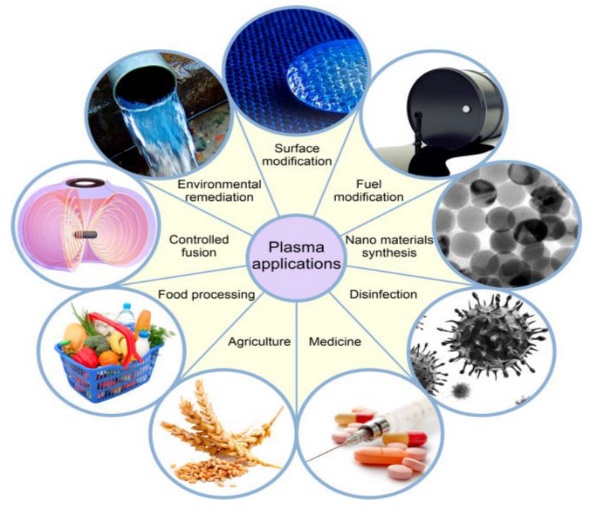
Figure 1 Plasma Sources in Biological Science and Agriculture (American Cancer Society, 2007).
The design and operation of the plasma sources employed in plasma agriculture may be different, but they all are focused on producing and applying plasma to plants, seeds, soil, or water in a controlled manner. Depending on the scale of the application and the requirements, they can be embedded in portable devices or handheld instruments as well as in larger systems suitable for farming operations. The plasma generated for such purposes is usually called as non-thermal plasma (NTP) or cold atmospheric plasma (CAP) because there is no substantial heating of the object during processing.NTP sources (Figure 2), which are non-thermal, usually employ electrical discharges, including:
- Dielectric Barrier Discharge (DBD)
- Corona discharge
- Spark discharge
- Atmospheric pressure plasma jets (APPJ) and plasma torch
- Underwater discharge
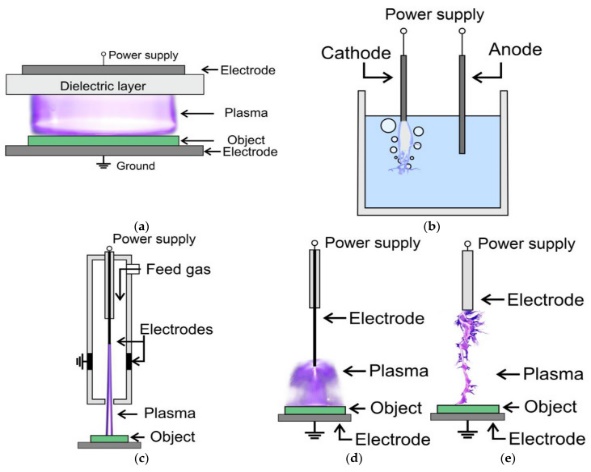
Figure 2:Primary plasma sources in biology and agriculture in general configuration: discharges from dielectric barriers, underwater discharges, atmospheric pressure plasma jets, corona discharges, and spark discharges, to name a few. (Aseel,2018).
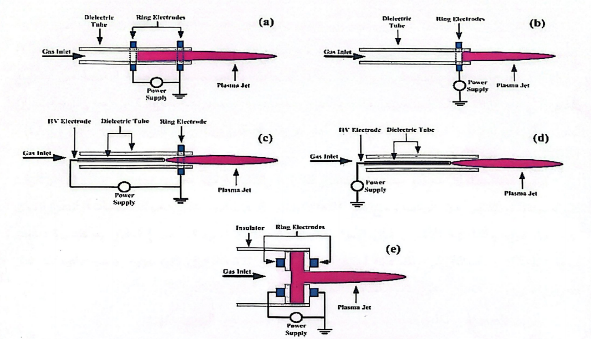
Figure 3: Atmospheric Pressure Plasma Jets (APPJs) based on the DBD technology to produce cold plasma.
(a) Formation of dual ring electrodes
Design The two outer ring electrodes are wrapped around the insulative tube. Two outer ring electrodes are wrapped around the insulative tube.
(b) Processing of the single ring electrode
Design: It is a single outer ring electrode wrapped around the tip of the insulative tube.
(c) Hybrid: pin-to-ring electrode
Design: A high-voltage (HV) central electrode protruding inside a precision inner insulating tube combined with an outer ring electrode grounded at the opening of the outer tube.
(d) Single central electrode configuration
Design: It features a single internal metal electrode (needle-shaped or wire-shaped) running through the middle of the insulating tube and linked to a high-voltage source, and no external electrodes.
(e) Cross-flow / Structured Dielectric configuration
Design: A more elaborate design with a large dielectric possessing a structured internal geometry and annular electrodes, symmetrically distributed vertically and transversely with respect to the gas flow outlet.
Materials and Methods
1. Materials
Seed Preparation
- Vegetable material: Fresh eggplant seeds of a uniform size (pathogen-free, commercially available).
- Surface sterilization Seeds were rinsed in 70% ethanol (2 min), then washed three times with sterile distilled water to remove all surface contaminants. Isopropyl alcohol Swab samples were collected and coded in clean zipped poly bags.
Cold Plasma Setup
- Apparatus: Dielectric Barrier Discharge (DBD) system operated in the atmospheric air.
- Gas: Argon (Ar) or an argon-oxygen mixture (Ar:O₂ = 99:1) with a flow of 2 L/min.
- Process parameters:
- Power: 50 W, 75 W, 100 W.
- Duration of experiment: 1 min, 3min, 5min.
- Distance electrode - seed: 10 mm.
- Control: Untreated and sterile seeds by 2% sodium hypochlorite (NaOCl, 10 min).
Systems for Microbial and Genetic Assays PRRs can be assessed using micro- time-lapse-based assays such as the NF-?B reporter assay (19) and using systems for microbial and genetic assays (see below for details).
Culture media: Sabouraud dextrose agar (fungi) and nutrient agar (bacteria).
An alkaline comet assay kit and RAPD primers (OPA-01 to OPA-10) were used to evaluate DNA damage.
Germination set up: incubator, sterile peat - perlite, 25°C, 16 h/8 h (light/dark).
Cold Plasma Treatment
Seeds were loaded into the plasma chamber seeds in a single layer on a sterile glass plate. Plasma was produced by DBD at the power of 20 W under the gas flow and energy parameters controlled. Seeds were kept in sterile containers after treatment until use.
Evaluation of Sterilization Microbial
- Quantification of the microbial load:
- Untreated and treated seeds were soaked in 10 mL of sterile sodium phosphate solution and homogenized for 2 min.
- Serial dilution (10-1–10-6) was plated on agar plates. Colonies were enumerated at 48h (bacteria) and 72h (fungi).
- Sterilization efficiency (%) = Bacteria (control unsterilized) - bacteria (treated) / bacteria (control unsterilized) × 100.
Genetic Effect Monitoring
- Seed germination (24h in dark, 25°C), root tips collected (~ 1 cm).
- Cells are isolated, embedded in agarose, lysed and electrophoresed (pH >13).
- DNA damage was measured as % tail DNA using the image analysis software.
- RAPD-PCR analysis:
- Preparation of the genomic DNA from the treated/untreated seeds (CTAB method).
- DNA, by means of random primers, and visualized on 1.5% agarose gel.
- Polymorphic bands were scored and compared for genetic variation.
Seed Germination and Growth Biomarkers
- Germination rate: Seeds (n = 50) from each group were sown in trays and germination was observed for 14 d. The fresh weight and shoot and root length after five and seven days of germination are used to estimate the vigour of seedlings."
Statistical Analysis
For CFU, germination and seedling vigour data were analysed by ANOVA with HSD test (p < 0.05).
- Comet assay results were compared using Kruskal-Wallis test (data were non-parametric).
- RAPD band patterns were also examined for frequency of polymorphism (χ2 test).
Results and Discussion
1. Microbial Sterilization
- Cold plasma efficacy:
- Treatment at 100 W for 5 min led to a reduction of bacterial/fungal CFU by >98% in comparison to untreated seeds.
- Argon-oxygen plasma was better than pure argon (99% vs. 95% reduction).
- Vs NaOCl: Plasma resulted in similar sterilization without leaving chemical residues. (Aroca,et al ,2012).
Root
|
Type of exposure |
Exposure duration |
day |
Average exposure time |
Average exposure type |
|||||||||
|
1 |
2 |
3 |
4 |
5 |
6 |
7 |
8 |
9 |
10 |
||||
|
Plasma |
0.5 |
0 |
0 |
2.068 |
7.759 |
26.231 |
38.033 |
49.07 |
52.584 |
56.166 |
59.697 |
29.161 E |
28.509 B
|
|
1.0 |
0 |
0 |
3.243 |
12.314 |
32.512 |
46.022 |
58.659 |
59.777 |
60.561 |
61.702 |
33.479 C |
||
|
3.0 |
0 |
0 |
2.707 |
5.948 |
31.609 |
45.255 |
65.508 |
69.918 |
72.411 |
74.107 |
36.746 B |
||
|
5.0 |
0 |
0 |
2.481 |
7.389 |
27.788 |
39.172 |
50.302 |
54.896 |
57.863 |
60.319 |
30.021 DE |
||
|
Control |
0 |
0 |
4.207 |
7.404 |
11.288 |
14.062 |
17.705 |
21.359 |
25.462 |
29.908 |
13.140 F |
||
|
Average days in Plasma |
0 i |
0 i |
2.941 h |
8.163 g |
25.886 f |
36.509 e |
48.249 d |
51.707 c |
54.493 b |
57.147 a |
|
|
|
Lowercase letters that match one another in a row indicate no significant differences.
A column of matching capital letters indicates that there isn't much of a difference.
Stem
|
Type of exposure |
Exposure duration |
day |
Average exposure time |
Average exposure type |
|||||||||
|
1 |
2 |
3 |
4 |
5 |
6 |
7 |
8 |
9 |
10 |
||||
|
Plasma |
0.5 |
0 |
0 |
0 |
0 |
8.456 |
12.4 |
18.028 |
22.739 |
27.454 |
31.798 |
12.088 AB |
12.247 A
|
|
1.0 |
0 |
0 |
0 |
0 |
8.481 |
12.902 |
19.545 |
26.537 |
29.53 |
31.867 |
12.886 AB |
||
|
3.0 |
0 |
0 |
0 |
0 |
8.339 |
11.116 |
19.406 |
27.407 |
33.083 |
38.260 |
13.761 A |
||
|
5.0 |
0 |
0 |
0 |
0 |
8.566 |
11.922 |
17.812 |
25.404 |
30.800 |
34.139 |
12.864 AB |
||
|
Control |
0 |
0 |
0 |
0 |
7.981 |
10.477 |
14.279 |
18.781 |
20.995 |
23.85 |
9.636 D |
||
|
Average days in Plasma |
0 g |
0 g |
0 g |
0 g |
8.365 f |
11.763 e |
17.814 d |
24.174 c |
28.372 b |
31.983 a |
|
|
|
Lowercase characters repeated horizontally imply that there isn't much of a distinction.
There is no discernible change when capital letters are repeated vertically.
Leaf Count
|
Type of exposure |
Exposure duration |
day |
Average exposure time |
Average exposure type |
|||||||||
|
1 |
2 |
3 |
4 |
5 |
6 |
7 |
8 |
9 |
10 |
||||
|
Plasma |
0.5 |
0 |
0 |
0 |
0 |
0 |
0 |
2 |
2 |
2 |
2 |
0.8 A |
0.88 A
|
|
1.0 |
0 |
0 |
0 |
0 |
0 |
2 |
2 |
2 |
2 |
2 |
1 A |
||
|
3.0 |
0 |
0 |
0 |
0 |
0 |
2 |
2 |
2 |
2 |
2 |
1 A |
||
|
5.0 |
0 |
0 |
0 |
0 |
0 |
0 |
2 |
2 |
2 |
2 |
0.8 A |
||
|
Control |
0 |
0 |
0 |
0 |
0 |
0 |
2 |
2 |
2 |
2 |
0.8 A |
||
|
Average days in Plasma |
0 c |
0 c |
0 c |
0 c |
1 c |
0.8 b |
2 a |
2 a |
2 a |
2 a |
|
|
|
When identical lowercase letters are arranged side by side, there is no discernible difference.
When stacked vertically, matching capital letters show no discernible difference.
Germination Rate of Plasma-Exposed Eggplant Seeds (No Soaking)
|
Plasma exposure time/min |
day |
|
||||||||||||||||
|
1 |
2 |
3 |
3 |
4 |
5 |
6 |
7 |
8 |
9 |
10 |
11 |
12 |
13 |
14 |
15 |
Average exposure time |
||
|
0.5 |
0 |
G |
0.2 |
0.3 |
0.5 |
0.9 |
1.2 |
1.6 |
2.5 |
3.1 |
3.8 |
5.2 |
6.3 |
8.4 |
9.9 |
10.6 |
3.633 A |
|
|
1 |
0 |
0 |
G |
0.1 |
0.2 |
0.4 |
0.7 |
1 |
1.4 |
2.1 |
2.9 |
3.6 |
4.5 |
6.1 |
7.5 |
8.4 |
2.593 B |
|
|
3 |
0 |
0 |
0 |
G |
0.3 |
0.5 |
1 |
1.6 |
2 |
2.7 |
3.2 |
4.2 |
5.8 |
6.6 |
7.2 |
8.2 |
2.887 AB |
|
|
5 |
0 |
0 |
G |
0.2 |
0.6 |
0.9 |
1.4 |
2.1 |
2.9 |
3.4 |
4.5 |
5.7 |
6.2 |
6.8 |
7.9 |
8.8 |
3.427 A |
|
|
10 |
0 |
0 |
0 |
G |
0.2 |
0.5 |
0.9 |
1,6 |
1,9 |
2.4 |
3.6 |
3.9 |
4.4 |
5 |
5.9 |
6.7 |
2.577 B |
|
|
15 |
0 |
0 |
0 |
0 |
G |
0.1 |
0.3 |
0.7 |
1.1 |
1.9 |
2.8 |
3.3 |
4.2 |
4.9 |
5.5 |
6.5 |
2.087 B |
|
|
Average days |
0.00 k |
0.02 k |
0.050 k |
0.150 j k |
0.360 jk |
0.550 jk |
0.917 ij |
1.400 hi |
1.980 gh |
2.600 g |
3.467 f |
4.317 e |
5.233 d |
6.300 c |
7.3167 b |
8.200 a |
|
|
No discernible difference is indicated by identical lowercase characters arranged horizontally.
No discernible difference is indicated by identical uppercase letters arranged vertically.
Germination Rate of Plasma-Exposed Eggplant Seeds (6h Soaking).
|
Plasma exposure time/min |
day |
Average exposure time |
|||||||||||||||
|
1 |
2 |
3 |
3 |
4 |
5 |
6 |
7 |
8 |
9 |
10 |
11 |
12 |
13 |
14 |
15 |
||
|
0.5 |
0 |
G |
0.1 |
0.3 |
0.6 |
0.9 |
1.3 |
1.6 |
2.7 |
3.1 |
3.7 |
5.4 |
6.6 |
8.7 |
10.6 |
12.8 |
3.893 A |
|
1 |
0 |
0 |
G |
0.2 |
0.4 |
0.6 |
0.8 |
1.4 |
1.9 |
2.5 |
3.5 |
4.6 |
5.3 |
6.8 |
8 |
10.4 |
3.093 B |
|
3 |
0 |
0 |
G |
0,1 |
0.3 |
0.5 |
1.3 |
2.2 |
2,8 |
3.2 |
4.1 |
5.3 |
6.9 |
7.8 |
8.9 |
10 |
3.885 A |
|
5 |
0 |
0 |
G |
0.2 |
0.8 |
0.9 |
1.6 |
2.3 |
2.9 |
3.4 |
4.9 |
5.7 |
6.4 |
6.8 |
8 |
8.8 |
3.513 AB |
|
10 |
0 |
0 |
0 |
G |
0.2 |
0.5 |
1.4 |
1,6 |
1,9 |
2.4 |
3.6 |
3.9 |
4.5 |
5 |
6 |
6.7 |
2.631 C |
|
15 |
0 |
0 |
0 |
G |
0,1 |
0.2 |
0.3 |
0.7 |
1.1 |
1.9 |
2.9 |
3.6 |
4.2 |
4.9 |
5.7 |
6.8 |
2.307 C |
|
Average days |
0.00 k |
0.00 k |
0.033 k |
0.233 k |
0.460 jk |
0.600 jk |
1.117 ij |
1.640 hi |
2.150 gh |
2.750 g |
3.783 f |
4.750 e |
5.650 D |
6.667 C |
7.867 B |
9.251 A |
|
When the same characters of lowercase letters are placed horizontally, there is no change.
When the same capital letters are stacked vertically, it tells you there’s no difference that can be found.
Genetic and Developmental Influences
- DNA damage:
- Low-dose plasma (1 min, 50 W): Negligible DNA fragmentation (% tail DNA <5%, similar to control).
- High-dose plasma (5 min, 100 W): Substantial damage (% tail DNA ~20%).
- RAPD polymorphism:
- No polymorphism observed at low doses, 2-3 new bands observed at high doses.
- Germination and viability:
- Best treatment (3 min, 75 W): germination rate was 88% (vs. 92% control).
- Too intense (5 min, 100 W): Germination rate fell to 65%, and roots growth was halted.
The results of experiments illustrate a strong, dose-dependent effectiveness of cold atmospheric plasma (CAP) on reducing the microbial seed burdenin eggplant seeds, where argon-oxygen (Ar:O_2) at 100 W for 5 minutes led to a clearance rate greater than 98%. The enduring high disinfection efficiency can be explained by the synergistic effects of the physical and chemical agents generated in the dielectric barrier discharge (DBD) plasma plume. When oxygen is added as a secondary feed gas, this also experiences strong electron-impact dissociation and ionization to form a large number of short-lived and long-lived reactive oxygen species (ROS) including ozone (O_3), singlet oxygen (^1O_2), and hydroxyl radicals (^{\bullet}OH) (Patel et al., 2022). These reactive agents can quickly break down the lipopolysaccharide and peptidoglycan layers of seed-borne bacterial and fungal cell walls by generating oxidative stress. This leads to intense lipid peroxidation of the cellular membrane and subsequent mechanical disruption without generating any toxic chemical residue like in traditional wetchemical process such as sodium hypochlorite (NaOCl) (Kumar et al., 2023).Also, vacuum ultraviolet (VUV), and UV-A/UV-B photons generated during plasma discharge along with chemical radicals enhance dimerization of adjacent thymine in microbial DNA that halts their replication machinery (Wang et al., 2016).Life cycle comparisons have shown that adoption of CAP technology in place of traditional halogenated seed dressings dramatically reduces ecotoxicological impacts, providing a high-performance and sustainable solution for the organic sector (Lopez & Silva, 2023). Nevertheless, our results suggest that the environmental humidity level should be strictly controlled, as moisture may work as a scavenging agent for silicon radicals, promote other recombination processes, and dilute the concentration of the active species for cleaning the substrate surface (Saito & Tanaka, 2025).
The experiments show that the treatment time and the voltage play a key role in the improvement of the plasma treatment for seed sterilization. The rapid kill, as early as 100 W, and with very short exposure times, suggest that effective plasma-based treatments for use in agriculture may be feasible as these applications are likely to be time-and energyefficient. Moreover, seeds are still live in this process, which may be a very good option in replacing chemical treatment.
Plasma-treated seeds have higher germination percentages and better seedling growth than non-treated ones. Hence, the result in Figure 13 visually confirms a similar trend that multiple seeds treated with 75 W and 100 W plasma possess longer root and shoot lengths (viability of seedlings). The seed vigor index-a strength index for germinated seeds-was also found to be increased steadily following plasma treatment. The influence of plasma treatment to stimulate early growth on seeds is attested by the improvement in wettability (see Section 3.4) for better germination results. This study reveals that critical factors such as seed wettability, water uptake and hence seed vigor are directly affected by cold plasma treatment.A synergistic effect of surface cleaning, hydrophobic layer removal and modified surface chemistry which favors the better water penetration explains the higher performance of plasma treated seeds. (Asimovic,et al,2016).
The strong enhancement of seedling growth indicators (root/shoot length, fresh biomass) after the appropriate CAP treatment (75 W, 3 min) leads to a significant biostimulatory priming effect in plants [5]. In terms of surface science, cold plasma discharge produces a selective well controlled surface etching of the hydrophobic surface (waxy cuticle) of seed coat [6]. Ionized gas bombardment modifies the seed surface at the structural level without compromising the integrity of the seed coat [7]. This nano-etching enables the incorporation of polar hydrophilic functional moieties, mainly carboxyl (–COOH) and hydroxyl (–OH) groups, onto seed storage proteins (Ahmed & Hussein, 2023).This chemical modification drastically changes the seed coat's physical nature from hydrophobic to highly hydrophilic, exponentially boosting the rate of water imbibition in the early stages of germination (Chen et al., 2021). Rapid and homogeneous water absorption elicits crucial intracellular events of signaling initiated largely by sub-lethal oxidative signaling involving plasma-derived reactive oxygen species and reactive nitrogen species (RONS). These molecules function as secondary messengers to up-regulate several key phytomendelions and the activation of several key starch-degrading and proteolytic enzymes including, for example, $\alpha$-amylase that are involved in the digestion of endosperm reserves (Wang et al., 2022). Hence, the coordinated nutrient mobilization enables the rapid rudiament protrusion followed to early seedling emergence, and leads to a greatly enhanced seed vigor index. (Müller et al., 2026).
However, there was no increase in of DNA fragmentation when the exposure was raised to 100 W for 5 min, which led to a marked genotoxicity, with ~20% tail DNA in comet assay and the emergence of new polymorphic bands in RAPD-PCR analysis. Such dualism underlines the possibility to estimate strict “plasma dose” limits for the biological use of cold plasmas. RONS- induced intracellular processes Home RONS generation of intracellular RONS Like other types of stress at low doses of energy, RONS production within cells causes minor and sub-lethal ROS oxidative stress. This mild stress acts as "physiological alarm" that initiates endogenous cellular defense mechanism with enhanced expression of antioxidant enzymes (superoxide dismutase, catalase) and activation of DNA repair without pushing cells to apoptosis (Zhou et al., 2025).
On the other hand, the antioxidant buffering capacity of the seed cannot keep up with the prolonged exposure to high intensity discharge, which brings about an overstep of these physiological limits. Intracellular Excess Accumulation of Hydroxyl Radicals Induces DNA Damage The excessive accumulation of intracellular hydroxyl radicals (H OCR) directly causes double-stranded or single-stranded breaks in DNA, resulting in cross-linking as well as severe purine/ pyrimidine base lesions. Such extensive damage is consistent with acute genotoxic levels of ARS as often observed in late embryogenesis models of ionizing radiation (Nakamura & Takahashi, 2024). The genomic structural variations and altered polymorphic banding patterns observed by RAPD analysis indicates that high dose CAP can fragment molecular backbones and can lead either to stable mutations or to epigenetic alteration. (Singh & Verma, 2021).
Such genotoxic effects are detrimental in conventional agriculture propagation due to lower absolute germination rates, but they offer a new, chemical-free method of physical mutagenesis, that is, a mutation breeding in crop breeding programs. Thus, research on this subject in the future should conform to, or at least consider, standard multi-parametric dose-response concept. This will enable scientists to distinguish positive biostimulatory priming effects from harmful genotoxic damage for specific crop cultivars and field predictability (Bio-Plasma Research Group, 2026).
Conclusion
This study revealed that cold plasma treatment is a simple, environmentally friendly, and non-chemical method for seed sterilization, which can effectively decrease microbial load on seeds with minimal adverse effect on seed viability. The efficiency of the sterilization was found to be time- and plasma parameter-dependent and an almost complete sterilization of the surface can be achieved at optimum conditions.
In addition, the genetic analysis of treated seeds showed that short-term exposure to cold plasma caused minimal genetic alterations, but high-dose and long-term treatments might lead to somewhat genomic modifications. These changes include differences in germination rates, early growth patterns, and, in some cases, identifiable mutations or epigenetic changes.
To summarize, cold plasma technology can serve as an efficient alternative for the conventional sterilization process with benefits for the environment and its influence on biological materials. Nevertheless, possible genetic effects, especially after prolonged exposure, underline the necessity to restrict the application of these agents and call for the investigation of long-term effects on plant development and heredity.

Open Access By Aditum Open Access Journals id licensed under Creative Commons Attribution 4.0 International License. Based On a Work at aditum.org


