
Environmental Pollution and Health
OPEN ACCESS | Volume 3 - Issue 1 - 2026
ISSN No: 3065-7652 | Journal DOI: 10.61148/3065-7652/EPH

Abiodun Olawumi Dada1*, Bosede Christianah Makanjuola2, Michael Onasanmi Adewumi3
1,2,3Department of Environmental Health Technology, Ekiti State College of Health Sciences and Technology, Ijero Ekiti, Ekiti State, Nigeria.
*Corresponding author: Abiodun Olawumi Dada, Department of Environmental Health Technology, Ekiti State College of Health Sciences and Technology, Ijero Ekiti, Ekiti State, Nigeria.
Received: March 02, 2026 | Accepted: March 12, 2026 | Published: March 15, 2026
Citation: Abiodun O Dada, Bosede C Makanjuola, 3Michael O Adewumi., (2026). “Level of Air Quality and Perceived Health Outcome among Workers in Samonda Auto-Mechanic Village, Ibadan North Area, Ibadan” Environmental Pollution and Health, 2(1); DOI: 10.61148/3065-7652/EPH/052.
Copyright: © 2026 Abiodun Olawumi Dada. This is an open access article distributed under the Creative Commons Attribution License, which permits unrestricted use, distribution, and reproduction in any medium, provided the original work is properly cited.
Auto-mechanic workshops are often characterized by poor air quality and inadequate occupational safety measures, posing serious health risks to workers through high levels of air pollution due to exhaust emissions, dust, and particulate matter. The presence of these pollutants poses significant health risks, including respiratory and cardiovascular issues on the auto-mechanic workers, yet inadequate infrastructure and poor ventilation increase their risks. This study aimed to evaluate the air quality in the Samonda auto-mechanic village with potential health risks. Methods: The study employed mixed-methods approach combining direct air quality monitoring and a structured questionnaire. Air quality monitor (VT9IN1) was adopted to determine the levels of particulate matters (PM2.5, PM10), carbon dioxide (CO2), total volatile organic compounds (TVOCs), formaldehyde (HOHC), and temperature. Measurements were taken at eight locations in the morning, afternoon, evening for seven days. Using the Cochran's sampling formula for a single independent proportion, 132 sample size were randomly selected. Descriptive statistics and Duncan range multiple test was used to summarize the results and they were compared to Occupational Safety and Health Administration (OSHA) regulatory standards. Result: Health impacts were evident, with 59.1% reporting occasional respiratory issues, headaches (62.9%), coughing (39.4%), and catarrh (36.4%).The average temperature across locations ranged from 33.51 ± 5.03°C to 34.84 ± 4.63°C, significantly higher than the OSHA recommended value of 21.00 ± 0.00°C. PM2.5 concentrations varied between 28.16 ± 4.40 µg/m³ and 30.59 ± 4.80 µg/m³, surpassing the OSHA threshold of 5.00 µg/m³, while CO₂ levels ranged from 416.52 ± 10.55 ppm to 418.54 ± 11.63 ppm, exceeding the 400.00 ppm of OSHA limit. Conclusion: Temperature, CO2, and PM2.5 exceeded OSHA's standard in all sample locations. Occupational safety training, awareness programs and enforcement of PPE usage should be prioritized to mitigate long-term health risks associated with air pollution exposure among the workers
Air quality, auto-mechanic village, workplace safety
1.0 Introduction
Air pollution is the largest environmental health risk, contributing to millions of premature deaths annually [12, 16]. Given its far-reaching effects, air quality has become a focal point in discussions on climate change, public health, and sustainable development. Studies have shown that exposure to air pollutants, particularly fine particulate matter, can negatively affect cognitive function [14], increase the risk of neurological disorders such as dementia and Alzheimer’s disease [19] and increase the risk of neurodegenerative diseases, and Parkinson's disease [14, 15, 20]. Air Pollutants may induce oxidative stress and inflammation in the brain, leading to long-term cognitive decline [18]. Auto-mechanic village is a portion of land where repair and services of vehicles is done [3-5]. Services such as serving of vehicle engines, repair of fuel tanks, repair or charging of batteries, repair of brake systems, repair of clutch system and overhauling of vehicle engines are been carried out [3]. Its environment has a characteristic black color, littered with pieces of metal scraps from cars and contaminated with spent engine oil [4]. It has been recognized that activities in auto-mechanical workshops increase air pollution which has short and long-term effects on lung health [6, 12]. In Nigeria, most of the artisans responsible for vehicle maintenance and tire repair are working in the informal sector of the economy [1]. Their workshops are scattered all over the major cities. In providing their services, these workers carry out tasks like draining fuel or handling dangerous substances that regularly expose them to dust, lead, used auto lubricants, exhaust fumes, or petroleum products [11]. Several studies among car repair workers demonstrated that the exposure to these hazardous substances was associated with an increased prevalence of health problems, such as cardiovascular, urinary, brain, respiratory, and skin diseases [1,10]. The repair and maintenance activities generate a range of pollutants, especially from processes like engine testing, welding, and spray painting. Vehicle emissions from testing and tuning engines release carbon monoxide (CO), oxides of nitrogen (NOx), and particulate matter (PM) into the atmosphere, which are known contributors to air pollution and are harmful to respiratory health [19, 22]. Spray painting releases volatile organic compounds (VOCs), which contribute to smog formation and pose respiratory hazards to workers and nearby residents [22]. In addition to these pollutants, auto-mechanic villages often use unregulated waste disposal methods, which can worsen pollution levels. For instance, oil spillage, improperly disposed batteries, and burning of used tires release harmful chemicals that can seep into the air, soil, and water [12, 22].
Auto-mechanic workshops are known for their exposure to various physical and chemical hazards. These hazards include exhaust fumes, dust, and chemical spills, which can lead to severe health issues such as respiratory problems and skin diseases [15]. These hazards in auto-mechanic villages also include high levels of particulate matter and gases such as carbon monoxide and volatile organic compounds (VOCs) [4]. These environmental conditions pose serious health risks, yet the existing research is sparse and lacks localized data. In Nigeria, where many auto-mechanic workshops operate in informal settings, traditional industrial safety standards may not be adequately applied or enforced, exacerbating the risks [2, 11]. Despite the known risks, there is a significant lack of research on the specific air quality conditions in these settings, particularly in Ibadan's auto-mechanic villages.
2.0 Methods
Cross-sectional survey design was adopted, integrating both quantitative (structured questionnaire) and air quality measurement. Air quality monitor (VT9IN1 MODEL) was used to measure air pollutant levels, including particulate matter (PM2.5 and PM10), carbon monoxide (CO), total volatile organic compounds (VOCs), formaldehyde, temperature, and relative humidity. Measurements were taken at different times of the day, morning, afternoon and evening.
2.1 Study population
The study was conducted at the Samonda Auto-Mechanic Village, located in Ibadan, Oyo State, Nigeria. Ibadan is a capital of Oyo state, the largest city in West Africa and second largest in Africa. The target population consisted of consented artisans operating within the auto-mechanic village. These include automobile mechanics, welders, spray painters, electricians and apprentices under their tutelage.
2.2 Study Area
Samonda Auto-mechanic Village is situated in Ibadan North Local Government Area, Oyo State, Nigeria. Geographical Coordinates is between Latitude 7.3962° N, Longitude 3.9167° E. The village is nestled within the Samonda neighborhood, approximately 5 kilometers north of Ibadan city center. The village spans around 10 hectares of land. Estimated population is between 100-200 workers of age range 18-60 years. This village is a hub for vehicle maintenance and repairs, hosting numerous artisans engaged in various trades, including automobile mechanics, welders, spray painters, electricians, and other auxiliary workers. The village comprises workshops and open spaces where artisans perform tasks ranging from engine repairs to bodywork, making it a suitable location for assessing air quality and the perception of personal protective equipment (PPE) use among workers. Its high concentration of artisans and industrial activities makes it a suitable site for studying occupational exposure and air quality concerns.
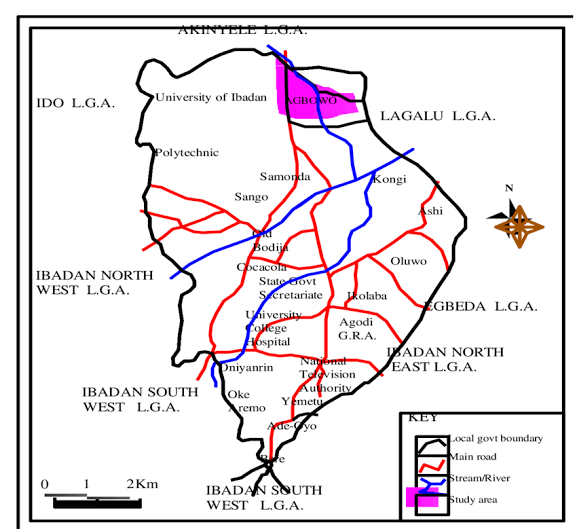
Map showing study area - Samonda
2.3 Sampling Technique
A portable air quality detector was used to measure levels of air pollutants, including PM2.5, PM10, CO2, CO, total volatile organic compounds, formaldehyde, temperature, and relative humidity. Measurements were taken at eight locations at designated times (morning, afternoon, evening) to capture spatial and temporal variations in air quality for seven days, air sample for each location at 40m distance apart was taken morning (9am), afternoon (1pm) and evening (4pm). Geographic positioning system (GPS) was used for location positioning and coordinates. The air quality meter was positioned at a height of 1.5 meters, approximating the breathing zone of workers.
2.4 Data Analysis
Analysis of Variance (ANOVA) and Duncan Range Multiple Test was used determine the statistical significance of the data and the significant difference across locations and times of the day. Results were compared to permissible exposure limits set by Occupational safety and health administration (OSHA).
2.5 Ethical Considerations
Ethical approval was obtained from the UI/UCH Health Research Ethics committee at UCH with IRB number 25/0062. Informed consent was secured from all participants prior to data collection. For air quality monitoring, no personal identifiers were collected, and the process adhered to all local regulations regarding environmental sampling
3.0 Results and Discussion
3.1 Air Quality Measurement
The atmospheric temperature recorded across different sampled locations within the auto-mechanic village showed mean values that were higher than OSHA standards (Fig 1). This suggests that the working environment in the area is warmer than recommended, which could contribute to worker discomfort, dehydration, and reduced productivity. The presence of heat-generating activities, vehicular emissions, and lack of shade may be responsible for these elevated temperatures. The concentration of formaldehyde (HCHO) and total volatile organic compounds (TVOCs) was measured at multiple locations but lower than the standard (fig 4). PM2.5 levels were higher than OSHA standards, whereas PM10 levels were lower as indicated in figure 2. Elevated PM2.5 concentrations are concerning because these fine particles can penetrate deep into the lungs, leading to respiratory diseases and cardiovascular complications. The high levels may be attributed to combustion engines, welding, tire burning, and unpaved road dust. Measurements of carbon dioxide (CO₂) revealed that concentrations was higher than OSHA standards (fig 3). High CO₂ levels could indicate poor ventilation and can contribute to fatigue, dizziness, and reduced cognitive function. CO2 emissions are likely due to vehicular emissions, fuel combustion, and inadequate air circulation in workspaces. The results indicate that temperature, PM2.5, and CO₂ levels in all sampled locations exceeded OSHA standards significantly. However, relative humidity, formaldehyde, TVOCs, and PM10, were generally lower than OSHA's permissible limits. The significant differences (P<0.05) suggest air pollution concerns in Samonda Auto-Mechanic Village, particularly in PM2.5 and CO₂ levels, which could pose health risks to workers and residents in the area. The various air quality parameters measured from the auto-mechanic village is presented in table 2.
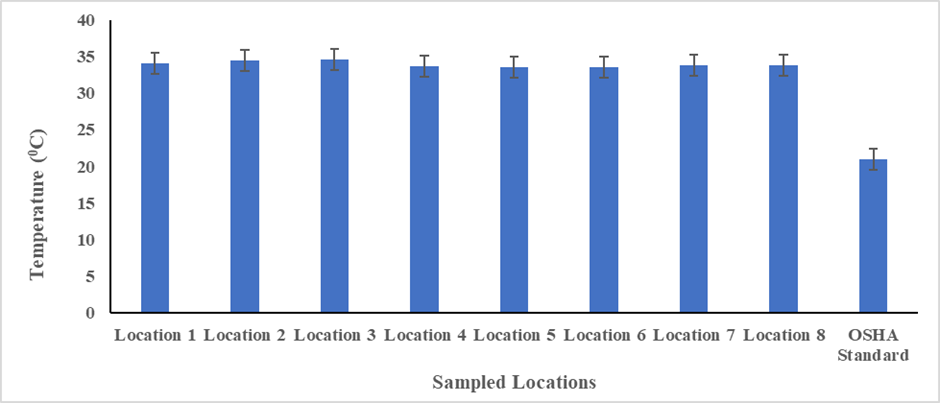
Fig 1: Temperature across the eight locations
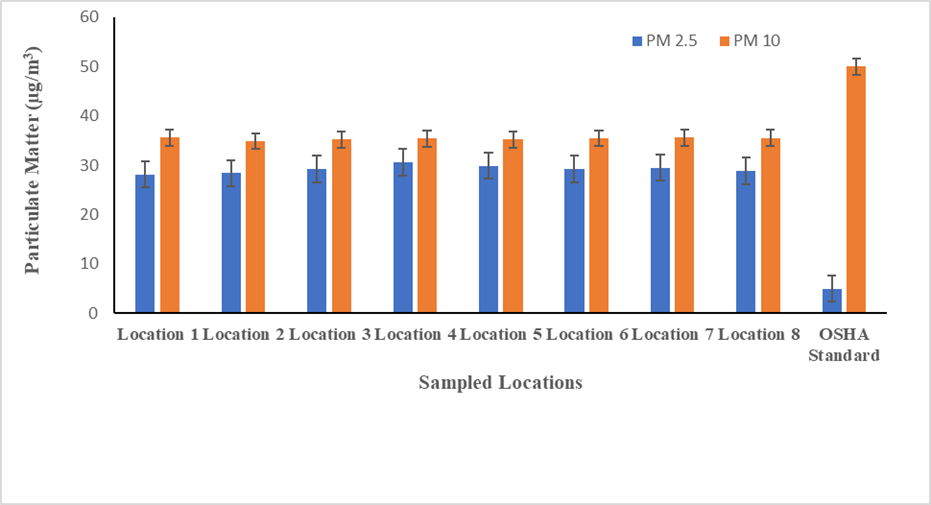
Figure 2: Particulate Matters across the eight locations
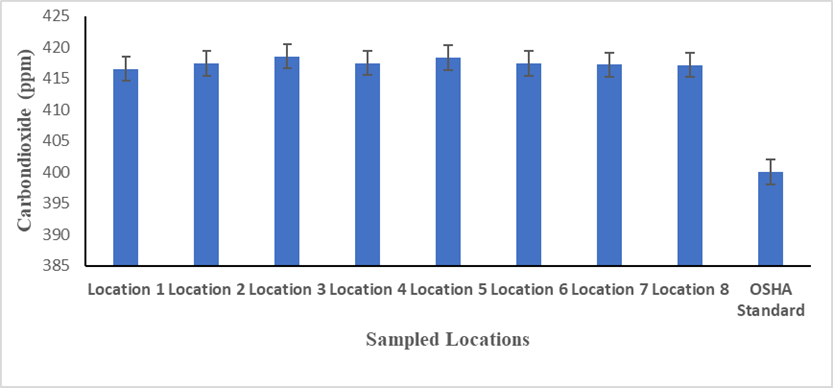
Fig 3: Level of Carbon-dioxide across the eight locations
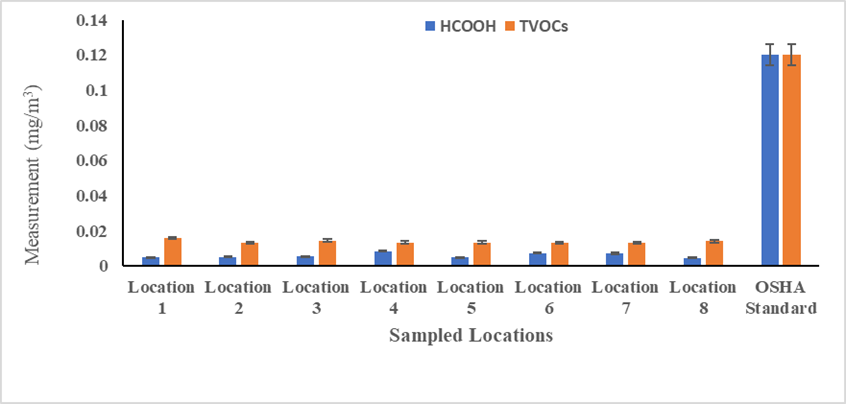
Fig 4: Formaldehyde and Total Volatile Organic Carbon across the eight locations
3.2 Perceived Health Impacts of Air Pollution on Respondents
Despite generally positive self-reported health, many respondents experience occasional respiratory issues and other symptoms linked to air pollution. Most recognize the impact of air pollutants on health and see PPE as a protective measure. Majority of respondents (74.2%) rated their overall health as "very good," while 24.2% considered it "good," and only 1.5% rated it as "fair." Despite this positive self-assessment, 97.7% believed that air pollution could affect their health, indicating a strong awareness of its potential risks. Although most respondents considered their health good, respiratory issues were still common. While only 2.3% experienced symptoms daily and 3.0% often, a significant 59.1% reported occasional respiratory problems, and 35.6% experienced them rarely. These findings suggest that air pollution may have periodic but noticeable health effects on workers. Headaches were the most frequently reported symptom, affecting 62.9% of respondents. Other common issues included coughing (39.4%), catarrh (36.4%), eye irritation (11.4%), skin rashes (10.6%), and fatigue (9.1%). Breathing difficulties were reported by 5.3% of respondents, indicating that while severe respiratory problems were less frequent, air pollution still contributed to discomfort and minor health issues. Most respondents (93.2%) experienced symptoms "once in a while," while only 1.5% reported them occurring daily or weekly. This suggests that although air pollution impacts health, its effects may not be constant but rather triggered by specific conditions or prolonged exposure. A strong majority of respondents believed that PPE use could reduce health risks associated with their work. Specifically, 56.8% strongly agreed, and 40.2% agreed, while only 3% disagreed. This indicates widespread recognition of PPE as an effective measure in minimizing workplace health hazards.
Table 1: Perceived Health Impacts of Air Pollutants on Respondents
|
Variables |
Options |
Responses (n = 132) |
|
|
Frequency (n) |
Percentage (%) |
||
|
How would you rate your overall health |
Very good |
98 |
74.2 |
|
Good |
32 |
24.2 |
|
|
Fair |
2 |
1.5 |
|
|
Do you think air pollution can affect your health |
Yes |
129 |
97.7 |
|
No |
3 |
2.3 |
|
|
How frequently do you experience respiratory issues |
Daily |
3 |
2.3 |
|
Often |
4 |
3.0 |
|
|
Occasionally |
78 |
59.1 |
|
|
Rarely |
47 |
35.6 |
|
|
Do you experience any of the following symptoms |
Coughing |
52 |
39.4 |
|
Breathing difficulties |
7 |
5.3 |
|
|
Eye irritation |
15 |
11.4 |
|
|
Skin rashes |
14 |
10.6 |
|
|
Catarrh |
48 |
36.4 |
|
|
Headaches |
83 |
62.9 |
|
|
Fatigues |
12 |
9.1 |
|
|
Others |
2 |
1.5 |
|
|
How frequently do you experience these symptoms |
Daily |
2 |
1.5 |
|
Weekly |
2 |
1.5 |
|
|
Once in a while |
123 |
93.2 |
|
|
Never |
5 |
3.8 |
|
|
Do you agree that using PPE reduces your risk of health issues related to your work |
Strongly |
75 |
56.8 |
|
Agree |
53 |
40.2 |
|
|
Disagree |
2 |
1.5 |
|
|
Strongly |
2 |
1.5 |
|
3.3 The Relationship between Perceived Air Quality and Workers’ Health Symptoms in Samonda Auto-Mechanic Village
Table 3 presents the correlation analysis to determine the association between perceived air quality and various health outcomes, including respiratory issues, coughing, breathing difficulties, eye irritation, skin rashes, catarrh, headaches, and fatigue. Respiratory issues showed a weak correlation with air quality (r = 0.139), indicating a minor relationship while coughing had a significant positive correlation with air quality (r = 0.195, p < 0.05), suggesting that workers who perceived poorer air quality were more likely to experience coughing. Breathing difficulties did not show a significant direct correlation with air quality (r = 0.085), but they were significantly associated with respiratory issues (r = 0.212, p < 0.05) and coughing (r = 0.224, p < 0.01). Eye irritation showed no significant correlation with air quality (r = 0.080), though it was associated with respiratory issues (r = 0.272, p < 0.01) and coughing (r = 0.200, p < 0.05). Skin rashes had a strong positive correlation with air quality (r = 0.242, p < 0.01), implying that workers perceiving poor air quality were more likely to experience skin problems. Skin rashes were also correlated with respiratory issues (r = 0.231, p < 0.05). Catarrh showed a weak negative correlation with air quality (r = -0.023), but it was significantly associated with respiratory issues (r = 0.211, p < 0.05) and coughing (r = 0.293, p < 0.01). Headaches had no significant correlation with air quality (r = -0.076), but a negative relationship was found between headaches and coughing (r = -0.215, p < 0.05) as well as breathing difficulties (r = -0.238, p < 0.01). Fatigue showed a weak positive correlation with air quality (r = 0.138), but it had significant associations with respiratory issues (r = 0.182, p < 0.05), coughing (r = 0.230, p < 0.05), and eye irritation (r = 0.219, p < 0.05).Significant relationships were observed between air quality and certain health symptoms. Specifically, coughing (r = 0.195, p < 0.05) and skin rashes (r = 0.242, p < 0.01) showed a positive correlation with air quality perception, indicating that workers who perceived poor air quality were more likely to experience these symptoms. Respiratory issues were linked to multiple health symptoms. Workers experiencing respiratory problems were also more likely to suffer from breathing difficulties, eye irritation, catarrh, and fatigue. Headaches and fatigue were indirectly associated with air quality through their relationships with other symptoms. While headaches did not correlate directly with air quality, they showed negative relationships with coughing and breathing difficulties.
|
Loc. |
Temperature |
Relative humidity |
Formaldehyde |
Total Volatile Organic Compound |
PM 2.5 |
PM10 |
CO |
CO2 |
|
1 |
34.03±4.19b |
58.21±21.53a |
0.005±0.001a |
0.016±0.001a |
28.16±4.40b |
35.62±5.24a |
1.73±0.92a |
416.52±10.55b |
|
2 |
34.40±4.51b |
56.83±21.72a |
0.005±0.002ab |
0.013±0.002a |
28.37±4.37bc |
34.86±4.77a |
1.90±0.86a |
417.38±11.12b |
|
3 |
34.54±4.43b |
56.30±21.08a |
0.005±0.001ab |
0.014±0.001a |
29.21±3.65bc |
35.21±4.85a |
1.79±0.86a |
418.54±11.63b |
|
4 |
33.70±4.71b |
56.11±21.08a |
0.008±0.001b |
0.013±0.003a |
30.59±4.80c |
35.38±5.16a |
1.75±0.80a |
417.47±11.03b |
|
5 |
33.56±4.85b |
56.56±20.00a |
0.005±0.001a |
0.013±0.003a |
29.90±4.39bc |
35.22±4.89a |
1.70±0.89a |
418.30±11.93b |
|
6 |
33.51±5.03b |
56.56±19.31a |
0.007±0.002ab |
0.013±0.004a |
29.29±3.64bc |
35.46±4.78a |
1.83±0.91a |
417.41±11.65b |
|
7 |
33.84±4.63b |
57.56±20.87a |
0.007±0.001ab |
0.013±0.002a |
29.52±3.47bc |
35.60±5.17a |
1.89±0.76a |
417.20±11.30b |
|
8 |
33.81±4.73b |
55.84±19.49a |
0.005±0.002a |
0.014±0.003a |
28.86±4.81bc |
35.54±5.17a |
1.76±0.69a |
417.17±11.49b |
|
Stand. |
24.44±0.00a |
60.00±0.00a |
0.61±0.000c |
0.61±0.000b |
15.00±0.00a |
45.00±0.00b |
50.00±0.00b |
5000.00±0.00a |
|
F |
26.511 |
0.167 |
10211.704 |
675.146 |
113.239 |
28.966 |
11099.934 |
8.208 |
|
P value |
0.000* |
0.995 |
0.000* |
0.000* |
0.000* |
0.000* |
0.000* |
0.000* |
Table 2: Air Pollutant from Sampled Locations at Auto-mechanics Village at Samonda
Key: Loc. – Sampled Location, OSHA – Occupational Safety and Health Administration, CO – Carbon-monoxide, CO2 – Carbon-dioxide.
*P value – Significant (P<0.05). abMean±SD = Significantly different (P<0.05) down the column.
Findings: Mean values recorded for Temperature and PM2.5 from sampled locations were significantly higher (P<0.05) than OSHA standard. While, that recorded for RH, HCOH, TVOCs, PM10 CO2 & CO were significantly lower (P<0.05) than OSHA Standard. Mean values recorded for all parameters were significantly different from the OSHA standard with exception of RH (F = 0.167, P>).
Table 3- Relationship between Air Quality and Workers Health Outcomes
|
|
Coefficients |
Model Summary |
Anova |
||||
|
Variables |
t |
Sig. |
R |
R Square |
Adjusted R Square |
F |
Sig. |
|
Constant |
2.198 |
0.030 |
0.314a |
0.099
|
0.048 |
1.943 |
0.068b |
|
Coughing |
1.587 |
0.115 |
|||||
|
Breathing difficulties |
0.138 |
0.890 |
|||||
|
Eye irritation |
-0.215 |
0.830 |
|||||
|
Skin rashes |
2.420 |
0.017 |
|||||
|
Cattarh |
-0.597 |
0.552 |
|||||
|
Headaches |
-0.613 |
0.541 |
|||||
|
Fatigues |
0.971 |
0.334 |
|||||
aDependent Variables: Air Quality
bPredictors (Constant): Fatigue, Headaches, Eye irritation, Cattarh, Coughing
Findings: There is no relationship between perceived air quality and the overall health outcomes of the workers (F = 1.943, P>0.05). Since insignificant relationship was recorded between perceived air quality and workers health outcomes, it implies that the Null Hypothesis (H0) will be accepted.
4.0 Conclusion
The study assessed the quality of air and use of Personal Protective Equipment at Samonda Auto-mechanic village. All locations had levels of PM2.5 and temperature, over regulatory limits, which could be harmful to the health of adjacent households and employees. Workers' compliance with PPE use was low, despite their moderate understanding of it, and it's possible that the available protective gear wasn't entirely successful in preventing exposure-related health problems. PPE knowledge was lower among those who were at risk for health problems from air pollution, underscoring the need for focused training. While many workers realize the protective benefits of PPE, compliance with PPE usage rules and training attendance are weak. Most respondents stressed the need for tougher enforcement and more frequent occupational safety training.
Although most respondents had a generally favorable self-perception of their health, many also reported occasional respiratory problems and symptoms associated with air pollution, including coughing, catarrh, and headaches. Poor air quality was strongly associated with skin irritation, respiratory problems, and coughing, which were common complaints among workers. The study emphasizes that in order to reduce the health hazards connected with air pollution in the auto-mechanic village, better PPE accessibility, stronger enforcement of safety standards, and increased worker education are required. The poor air quality, inadequate workshop ventilation, and low compliance with PPE guidelines highlight significant occupational health risks in Samonda Auto-Mechanic Village. There is an urgent need for improved air pollution control measures, better enforcement of PPE use, and enhanced ventilation systems to protect workers from long-term health hazards. Training and awareness programs should also be implemented to ensure strict adherence to PPE usage.
5.0 Recommendation
The recommendations proposed to improve the air quality and protect workers from occupational hazards related to air pollution at Samonda auto-mechanic village includes Installation of mechanical ventilation systems or exhaust fans to help reduce pollutant accumulation. While encouraging open workshop designs, natural ventilation solutions can improve air circulation. Additionally, periodic air quality monitoring programs should be introduced to track pollutant levels, ensuring timely interventions. The use of air purification technologies, such as dust extractors and carbon filters, can further reduce exposure to harmful pollutants in high-risk areas.
Furthermore, Proper waste management and emission control are also critical. Open burning should be strictly restricted, and appropriate waste disposal methods must be enforced to minimize the release of toxic emissions into the environment. Also, ensuring worker safety through the proper use of personal protective equipment (PPE) is essential. Regulations should mandate PPE usage, with regular compliance checks to reinforce adherence. Workers should also receive training on the correct usage and maintenance of PPE to maximize its effectiveness. Workshops should also conduct regular awareness programs on occupational health hazards related to air pollution exposure. From a regulatory perspective, local authorities should establish air quality regulations specific to mechanic villages. Future research is also recommended, especially on the understanding the long-term health effects of air pollution exposure among auto-mechanic workers. Longitudinal studies tracking workers’ health over time could provide deeper insights into these impacts.
Authors Contribution
The study designs and supervision of the research work was done by Abiodun Olawumi Dada, the introduction and methods was written by Bosede Christianah Makanjuola while Michael Onasanmi Adewumi developed the narratives, analyzed and discussed the results.
Abbreviations
RH: Relative Humidity
NOx: Oxides of Nitrogen
CO: Carbon monoxides
PM: Particulate Matter
TVOCs: Total Volatile Organic Compounds
HOHC: Formaldehyde
OSHA: Occupational Safety and Health Administration
PPE: Personal Protective Equipments
VOCs: Volatile Organic Compounds
GPS: Geographic Positioning System
ANOVA: Analysis of Variance
UI: University of Ibadan
UCH: University College Hospital
IRB: Institutional Review Board
Conflict of Interests
The authors declare no conflict of interest
Funding
The authors received no fund from any sources as such, the research work was self-funded
Declaration of Consent to Participate in the Study
All the participants declared their interest to participate in the study.


Open Access By Aditum Open Access Journals id licensed under Creative Commons Attribution 4.0 International License. Based On a Work at aditum.org


