
Aditum Journal of Clinical and Biomedical Research
OPEN ACCESS | Volume 8 - Issue 1 - 2026
ISSN No: 2993-9968 | Journal DOI: 10.61148/2993-9968/AJCBR


Mohammad Salim
Sanjay Gandhi Smriti Govt. Autonomous P.G. College Sidhi, A.P.S. Univ. Rewa (M.P), India.
*Corresponding author: Mohammad Salim, Government Autonomous Post Graduate College, Sidhi (M.P.), Pin 486661, India).
Received: September 02, 2026 | Accepted: September 16, 2026 | Published: September 18, 2026
Citation: Salim M., (2026) “Gut Microbiome Dynamics as Underlying Drivers of Neurotransmitters, Hormonal and Pathological Transformations in Human Females” Aditum Journal of Clinical and Biomedical Research, 8(1); DOI: 10.61148/2993-9968/AJCBR/121.
Copyright: ©2026. Mohammad Salim. This is an open access article distributed under the Creative Commons Attribution License, which permits unrestricted use, distribution, and reproduction in any medium, provided the original work is properly cited.
The present review discusses the role of gut microbiota (GM) in the development of various endocrine disorders and diseases in humans. It discusses the interaction between gut microbiota with the endocrine system, implicating the onset and progression ofvarious endocrine disorders. Similarly, as the microbiome undergoes alterations during the courseof time while maintaining a degree of dynamic stability, the extreme disruption of gut-microbiota and the gut barrier dysfunction have been implicated in the pathogenesis of many endocrine disorders. Various hormonal disturbances and diseases caused by the gut-microbiome dysbiosis are being discussed in the review. Some of them are obesity, diabetes, thyroiditis, sexual dimorphism, levels of estrogen and testosterone, hyperandrogenaemia, polycystic ovary syndrome (PCOS), endometriosis andendocrine related cancers. However, the necessity for more comprehensive studies is still required to validate the facts and deepen our knowledge in the field of medical microbialendocrinology.
: GM Dysbiosis, Endocrine Dysfunction, Obesity, Diabetes, Thyroiditis, Testosterone, Estrogen, PCOS, Endometriosis, Cancer
The human gut microbiota is quite a large and complex microbial community of more than 1000 bacterial species. According to an estimate the entire gene set of gut microbiome is 150X larger than the human genome, comprising about 3 million genes (Qin et al. 2010,Sender et al. 2016) [1,2]. As gut microbiota is largest ecosystem in the human body, its quality and quantity are closely related to human health. The gut produces hormones that regulate our hunger, sleep, mood and stress.Similarly, the gut-microbiota affect the host hormones directly or indirectly, as some of the hormones are produced by the gut microbiome. A neurohormone, dopamine, is produced by the gut bacteria such as Bacillus and Serratia (Sun et al. 2020) [3]. At the same time the estrobolome is a collection of bacteria that mobilises the circulating estrogen in the human body.The circulating hormones are also influenced by the gut microbiota. It maintains the level of estrogen which in turn impacts the libido and fertility. Certain gut bacteria have got ability to recycle the hormones, allowing them to re-enter in the blood stream again. This is a kind of symbiotic relationship where hormones support the growth of gut bacteria involved and in turn, bacteria facilitate the process of reabsorption of hormones in the blood (Santos-Marcos et al. 2023) [4] (Figure 1).
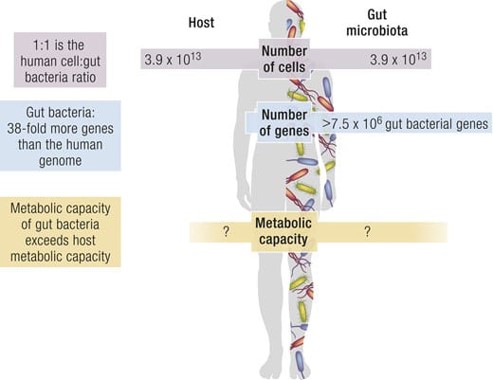
Figure 1: Comparison of host with gut microbiota in numbers (Rastelli et al. 2019) [15].
The gut microbiota played a key role in the intestinal milieu, influencing various distant organs of the human body. It might be treated as an endocrine organ. The gut microbiota plays a major role in the reproductive endocrine system.It also differs in influencing the production of male and female hormones, It interacting mainly with progesterone, androgens, estrogens and estradiol. The novel concept about the potential relationship between sex hormones and gut microbiota is called the microgenderome (Flak et al. 2013) [5]. The sex hormones participating in communication between microorganisms and their hosts played a number of physiological functions such as reproduction, inflammation, differentiation, cell proliferation and apoptosis (Edwards 2005) [6]. Most specifically, in human females, the microbiome affects the various gynaecological and reproductive functions such as fertility, follicle and oocyte maturation in ovary, conception and fertilisation, implantation of embryo, movement of embryos and in the act of parturition.The dysbiosis of gut microbiome can lead to several disorders and diseases such as pregnancy complications, polycystic ovary syndrome (PCOS), bacterial vaginosis,endometriosis and even cancer (Qi et al. 2021, Hou et al. 2022) [7,8].
Similarly, other hormones secreted by gut microbes have also been reported to perform various functions like homeostasis, metabolism, immunity , various nervous and cerebral functions and human behaviours as well (Franasiak and Scott 2015, Qi et al. 2021) [7,9].
Further, imbalances in gut microbiome causing dysregulation of estrogen and cortisol developed menstrual irregularities, mood disorders and several metabolic dysfunctions. The enteroendocrine cells present in the gut lining produce various hormones and peptides that regulate appetite, metabolism and digestion. The release of peptides like PYY and GLP1 from enteroendocrine cells in response to various nutrient uptake influenced the metabolism and secretion of insulin. Similarly, serotonin, often referred to as the “happy hormone”, produced by the gut microbiota not only plays its role in mood regulation but also has impact on gut dynamics (Chao et al. 2025) [10].
The gut microbiota and appetite system are closely linked with each other. The metabolites derived from gut microbiota as gamma- aminobutyric acid(GABA), short-chain fatty acids (SCFAs) amino butyric acid (GABA), and bile acids (BAs) influence the appetite potentially (Grasset et al. 2017) [11]. The alteration in gut microbiota affects the appetite hormones like ghrelin and leptin, mediating brain and brain behaviour. While leptin is secreted by the white adipose tissue, the ghrelin is produced inside the stomach. Leptin inhibits or suppresses energy stores, while ghrelin is a hunger hormone transmitting starvation signals to the brain and is influenced by the gut microbiota (Han et al. 2021) [12] (Figure 2).
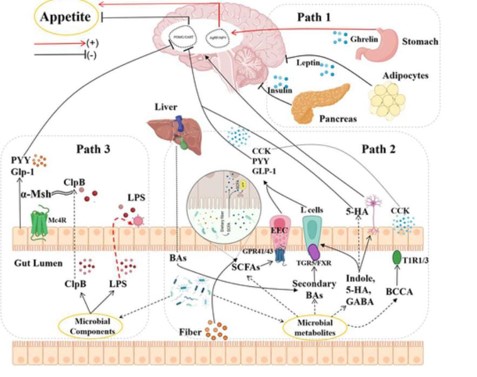
Figure 2: Mechanism of gut microbes influencing appetite (Photo adapted from Yu et al. 2024) [13].
Moreover, insulin is a glucose and energy homeostasis hormone transmitting satiety signals to the brain(Serena et al. 2018)[14]. Tryptophan also influences the activity of serotonin via the formation of tryptamine (TrP) and 5-hydroxytryptamine (5-HT) as serotonin. The gut microbiota modulates the availability of TrP influencing gut hormone secretions like cholecystokinin (CCK) , glucagon-like peptide-1 (GLP-1) and peptide tyrosine (PYY) or peptide YY, a member of pancreatic polypeptide family, released following a meal activating satiety circuits to the brain (Yu et al. 2024) [13] (Figure 3).
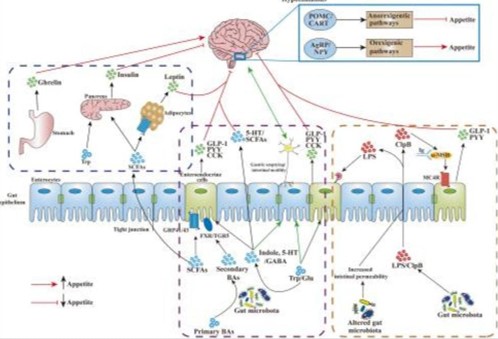
Figure 3: Mechanism of gut microbiota associated with host appetite control (Photo adapted from Han et al. 2021) [12].
The present paper is an attempt to discuss the gut microbiota interaction with the
endocrine system in humans. Some of these interactions are discussed in the light of recent research as under:
1. Gut microbiome interaction with neurotransmitters
2. Gut microbiome interaction in female reproduction
3. Polycystic ovary syndrome (PCOS)
4. Endometriosis
5. Endocrine cancers
1. Gut microbiome interacts with neurotransmitters
Gut bacteria profoundly affect the various host hormones endocrinologically. The gut-microbiota acts as a virtual organ, producing microbially derived neurotransmitters, exerting both local and systemic functions and responses on the gut-brain axis (Rastelli et al. 2019) [15] (Figure 4).
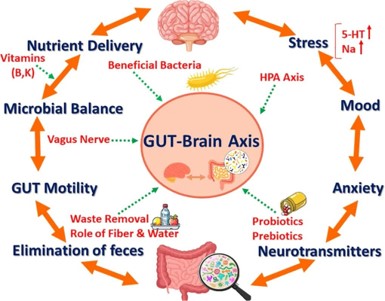
Figure 4: The gut-brain connection (Photo adapted from Ataei et al. 2026) [16].
Microbes interact with neurotransmitters signalling through the vagal nerve between ENS and CNS. Certain bacterial strains produce neurotransmitters like dopamine, noradrenaline, serotonin and GABA. Endogenous serotonin are produced, although by enterochromaffin cells, their levels are significantly influenced by the gut microbiota(Stasi et al. 2019). Serotonin produced by the gut microbes like Lactobacillus and Bifidobacterium has got crucial role in gut motility and brain behaviour. Clostridiales, Erysipelotrichaceae and Terrisporobacter have been correlated with the gut tryptophan producing 5-HT,serotonin in humans. Any disturbances or imbalances may cause gastrointestinal, metabolic and neurological disorders in humans (Lu et al. 2024, Asokan and Kumar 2025, Xu and Lu 2025, Ataei et al. 2026) [16,18–20] (Figure 5).
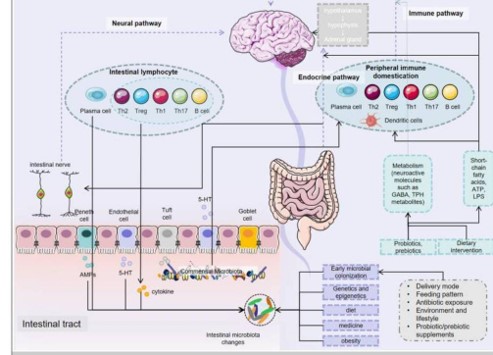
Figure 5: Gut microbiota promotes brain health (Photo adapted from Xu and Lu 2025) [20].
GABA results comprising of chlorogenic acid (CGA) alters the gut microbiota to produce serotonin. Lactococcus and Streptococcus have been reported with the enhanced level of serotonin. Several neurological disorders have been correlated with the level of gut serotonin (Pires et al. 2024) [21]. Similarly, Enterococcus faecium and E. faecalis are capable of converting L-dopa into dopamine in gut, posing therapeutic implications for Parkinson's neurodegeneration. Ruminococcus, a genus of Firmicutes, has been associated with positive and negative dopaminergic effects. It produces SCFAs for neuroprotection, while certain strains of Ruminococcus cause mucin degradation and inflammation as dopaminergic neurodegradation. Dopaminergic pathway have been corrected with the use of Lactobacillus, Bifidobacterium, Prevotella, Bacteroides, Clostridium, Enterococcus, Ruminococcus gut bacteria (Standwitz 2018, Pires et al. 2024, Xu and Lu 2025) [20–22].
Further, gamma-aminobutyric acid, a crucial inhibitory transmitter in the brain is synthesized by the Lactobacilli. L-glutamate (Glu), GABA and glutamine are the integral part of neurotransmitters recycling in the brain.
The GABA originating from either direct dietary supplements or from the gut microbiota alters the host behaviour resulting in the reduction of anxiety and depression (Stasi et al. 2019, Lu et al. 2024, Xu and Lu 2025) [17,18,20].
Gut microbes also produce gases affecting gut motility and metabolism. Some of these gaseous transmitters are nitric oxide (NO) and hydrogen sulphide (H₂S). Bacillus subtilis produces NO, while H₂S is produced by the cysteine (Mutuyemungn et al. 2023, Wawrzchczyk et al. 2025, Larik et al. 2026) [23–25].
2. Gut microbiome interaction in reproduction
The gut microbiota played a key role in the intestinal milieu, influencing various distant organs of the human body. It might be treated as one of the endocrine organs of the body. Further, the novel concept about the potential relationship between sex hormones and gut microbiota is called as the microgenderome, influencing the reproductive health including fertility and increased systemic inflammation in the PCOS, endometriosis, miscarriage, and polycystic ovary syndrome. This is also evidenced that the human microbiome profoundly affects all stages of female reproduction, from the maturation of ovary to pregnancy and the act of childbirth. Any abnormality occurring in microbiome can adversely affect the reproductive endocrine system comprising of pregnancy complications, PCOS, endometriosis and other pregnancy.
The gut microbiota has also been considered important to the male endocrine system. The microbiota residing in the intestine influences the level of testosterone in human males. It regulates the endocrine homeostasis. It has also been observed that hyperlipidemia has been associated with the level of testosterone in blood (Tao et al. 2024) [31]. Testosterone is a steroidal hormone produced by the Leydig cells in the testes and adrenal glands in males. Since certain bacteria are involved in the production of testosterone to be reabsorbed in the colon, it has been suggested that the gut microbiota is associated with the level of testosterone in males. There is a positive correlation between the Firmicutes and testosterone metabolism in the elderly Japanese males (Matsushita et al. 2022) [32].
Similarly, an increased microbial diversity with Ruminococcus and Acinetobacter has been positively correlated with the higher testosterone level found in healthy men. Further, sometimes a very different situation occurs in healthy women, as the elevated testosterone levels have always been associated with Escherichia coli and several pathogenic species of Shigella. On the contrary, the beneficial bacteria like Ruminococcus are negatively associated with the elevated testosterone levels in healthy women (d'Afflitto et al. 2022) [33]. Changes in gut microbiota and hyperandrogenaemia are a kind of medical condition where high levels of androgens are found in the body. Hyperandrogenism is more common in women than men. Hyperandrogenaemia developed various reproductive deformities via altered gut microbiota in human females. Some of them are hirsutism, acne, alopecia, PCOS, impaired folliculogenesis and ovulatory dysfunction with increased risk of other diseases like insulin resistance and diabetes, obesity, hypertension and cardiovascular diseases. However, PCOS is one of the main reasons for hyperandrogenemia in human females (Markle et al. 2013, Aziz et al. 2016, Insenser et al. 2018, Riasal et al. 2019, Hirschberg 2024) [34–38].
Gut microbiota is also influenced by the level of estrogen, and the collection of gut bacteria and other microorganisms that metabolise estrogen is called the estrobolome. The estrobolome plays a vital role in the circulation and estrogen metabolism in the human body. Disruption of the estrobolome can lead to an imbalance in estrogen levels, in the human body, to develop several health problems like early or late menopause, including fatigue, mood swings, and weight gain, endometriosis and irregular or abnormal ovulation, fertility problems and PCOS. It can also produce thyroiditis and Type 2 diabetes, osteoporosis and bone loss, blood clots and cardiovascular diseases. The estrobolome component, Lactobacillus, is altered in cases of menopause, endometriosis or PCOS with elevated levels of harmful and opportunistic pathogens, which can cause further problems like bacterial vaginosis, vulvovaginitis and chronic pelvic pain. The higher level of estrogen maintained in healthy women has often been associated with higher and lower abundance of Bacteroidetes and Firmicutes, with as usual increased microbial biodiversity (Guo et al. 2016, Baker et al. 2017, Hammes and Levin 2019, Jiang et al. 2021, Sallis et al. 2021, d'Afflitto et al. 2022, Peters et al. 2022, Nieto et al. 2025) [33,39-45].
Microbially secreted β-glucuronidase played a key role in metabolising estrogens throughout human life. While dysbiosis of gut microbiota diminished the β-glucuronidase activity; various diseases, their abundance may cause infertility, PCOS, endometriosis and cancers (Plottel and Blaser 2011, Baker et al. 2017, Kiliannan et al. 2018, Chadchan et al. 2022) [40,46–48].
3. Polycystic ovary syndrome (PCOS)
PCOS is one of the most common endocrine disorders found in human females. It occurs in women of childbearing age, leading to menstrual disorders and infertility. Gut microbiota is associated with the development of PCOS. It affects sex hormones, follicular development, metabolic hyperandrogenism, insulin resistance, chronic inflammation and gut-brain axis (Zhu et al. 2026) [49] (Figure 6).
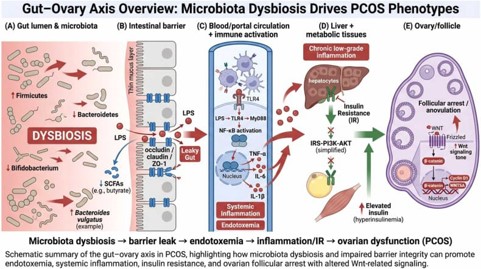
Figure 6: Gut microbiota dysbiosis drives PCOS in human females (Photo adapted from Zhu et al. 2026) [49].
Hyperandrogenemia (HA) is a distinguishing feature of PCOS manifesting as acne, hirsutism, alopecia of male pattern and anovulation, a condition where the ovaries fail to release an egg during menstrual cycle, acting as a major cause of infertility in human females (Lumezi et al. 2014) [50] (Figure 7).

Figure 7: Mixed form of hirsutism in an adolescent female (Photo adapted from Lumezi et al. 2014) [50].
A PCOS patient is further characterised by the increased level of luteinising hormones (LH) secreted by the anterior pituitary cells and ovarian theca cells and the decreased level of follicle-stimulating hormone (FSH), developing impaired folliculation and anovulation (Hong et al. 2023) [51]. PCOS provides a ray for the treatment on the basis of gut microbiome (Guo et al. 2016, Sun et al. 2023) [39, 52]. The PCOS patients showed the elevated levels of Bacteroides vulgaris, Firmicutes, Streptococcus and the ratio of Escherichia/Shigella, while decreased levels of Lactobacillus, Bifidobacterium, Akkermansia, Ruminococcus and Bacteroidetes S24-7 were found (Siddiqui et al. 2021) [53]. Similarly, the gut microbiota of premenstrual syndrome (PMS) patients is quite different from that of the control group. Decreased levels of Parabacteroides and Megasphaera were reported in PMS patients (Takeda et al. 2022) [54].
Further, the composition of gut microbiota and its metabolites is altered in obese people, causing endocrine disorders in humans (Insenser et al. 2018) [36]. The production of bile acids is also altered by gut microbiota dysbiosis in humans, causing various reproductive endocrine diseases in humans (Angelakis et al. 2012; Silvestris et al. 2018) [55,56]. It has been reported that Lactobacillus and Bifidobacteria have a consistent weight loss effect in humans. More specifically, in obese-induced polycystic ovary syndrome in human females, Faecalibacterium and Bifidobacterium were reduced, while Parabacteroides and Clostridium were increased. However, probiotic Bifidobacterium lactis v9 improves the level of sex hormones in PCOS patients via the gut-brain axis (Zhang et al. 2019) [57].
In a nutshell, excess of androgen can cause gut microbiota dysbiosis, developing abnormality in women's endocrine system, especially in cases of PCOS. Further research is needed to establish a link between theoretical foundation and therapeutic targets of hyperandrogenemia, diagnosis and treatment.
4. Endometriosis
According to an estimate, nearly 10% of menstruating females have endometriosis. This is a kind of tissue developed similar to the lining of the uterus that grows outside the uterus. This is usually developed around the pelvic region, but can be formed elsewhere in the body. Endometriosis is very painful, especially during menstrual periods. The exact cause of endometriosis is unknown. However, a link between extremely disturbed gut microbiota and the progression of endometriosis has been established. The altered gut microbiota directly influences the formation and growth of endometriosis lesions (Agarwal et al. 2019, Shan et al. 2021) [58,59]. Similarly, women with endometriosis are at higher risk of already suffering from irritable bowel syndrome (IBS). Therefore, physicians should be aware that patients with endometriosis might be suffering from IBS, a disease developed due to altered gut microbiota (Mitchelle et al. 2022, Liang et al. 2026) [60,61] (Figure 8).
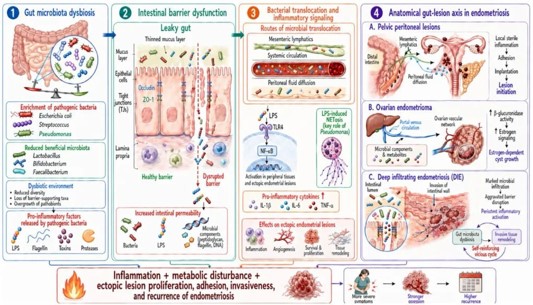
Figure 8:Gut barrier disruption in bacterial Translocation in endometriosis (Photo adapted from Liang et al. 2026)
Endometriosis is defined as a benign estrogen-dependent disease corresponding to the anomalous presence of endometrial tissue outside the uterine cavity. This is more prevalently found in fallopian tubes, ovaries and peritoneum, being called pelvic endometriosis. However, that is also present in the extra pelvic region, also called ectopic endometrium, such as in the kidneys, liver, bladder, pleura, abdominal wall, lungs and even in the cesarean scar. The main clinical symptoms are chronic pelvic pain, dysmenorrhea and dyspareunia. (Prodromidou et al. 2020) [62]. Candida might be linked with endometriosis. Recent research has suggested that the gut microbiota has played a key role in the development of endometriosis. Changes in gut microbiota and vaginal yeast infections vulvovaginitis could be the result of high levels of estrogen in the body (Alexandra et al. 2023) [63].
Further, the endogenous ovarian high estrogen production has often been consistently related to endometriosis in human females. Endometriosis is a frequent and chronic inflammatory disease impacting reproductive fertility health and the quality of life (Chantalat et al. 2020) [64]. There is a bidirectional relationship between the microbiome dysbiosis and endometriosis in the formation and progression of the disease due to intense inflammatory pathways caused by the Candida albicans (Uzuner et al. 2023) [65]. Candida albicans produces candidalysin, a cytolytic peptide toxin, triggering innate antifungal immunity during infection, developing chronic inflammatory induced pathology with several diseases and cancer (Jemima et al. 2020) [66]. The researchers also found other disease-causing microorganisms like Escherichia coli and Fusobacterium may also cause endometriosis (Nishimura et al. 2022, Muraoka et al. 2023) [67,68].
Last but not least, an autoimmune disease named as autoimmune polyendocrinopathy-candidiasis-ectodermal dystrophy (APECED) has been responsible for the excess growth of Candida affecting many of the human body's organs. This is an inherited autoimmune disorder that occurs when the immune system malfunctions and attacks the body's tissues and organs by mistake. In most cases, the condition commonly involves three distinguishing features as chronic mucocutaneous candidiasis (CMC), hypoparathyroidism and adrenal gland insufficiency. CMC is a tendency to develop Candida in skin, nails and mucocutaneous cavities, especially in oral cavities and vagina. The condition is also known as Autoimmune regulatory gene AIRE deficiency, autoimmune polyglandular or polyendocrine glandular syndrome Type 1 (APS-syndrome Type 1 or PGA 1). (Constantine and Lionakis 2019) [69].
5. Endocrine cancers
Recent literature has revealed the strong association between gut microbiota and the development of cancer in humans. This is caused by the gut microbiota dysbiosis, imbalances of gut hormones and the activation of the immune system, developing inflammation and cancer. Gut microbiota actively participates in producing some bioactive compounds, influencing the endocrine homeostasis. Some of these gut microorganisms involved in the disruption of endocrine homeostasis are Escherichia coli, Enterococcus faecalis, Bacteroides fragilis, Porphyromonas gingivalis, and Fusobacterium nucleatum. Most specifically, in the case of thyroid cancer , level of the Firmicutes and Bacteroidetes ratio and lower the level of Butyricimonas and Lactobacillus ratio were found (Yu et al. 2021, Hou et al. 2022, Clemente-Suarez et al. 2024) [8,70, 71]. Further, while in breast cancer Clostridiales were enhanced, the Prevotella, Porphyromonas, and Dialister have been abundantly found in cases of cervical cancer. Similarly, Bacteroides, Alistipes and the members of Lachnospiraceae were decreased in cervical cancer patients (Siddiqui et al. 2022) [59].
The role of gut microbiota in cancer development in pituitary neuroendocrine tumor is still unclear (Liu et al. 2025) [72]. However, relative abundance of Fusobacterium nucleatum is higher in the liver metastases from colorectal cancer. This bacteria may promote the growth of colorectal cancer (Mulders et al. 2024; Gao et al. 2025) [73, 74]. Similarly, the patients developing neuroendocrine tumors have a depleted gut microbiome showing carcinoid syndrome with a limited quality of life (Liu et al. 2025) [72].
Further, while a pancreatic cancer patient is often reported with the increase of several gut bacterial microbiota like Streptococcus anginosus, Streptococcus oralis, Synergistetes, Porphyromonas, Veillonella parvula, Veillonella atypica, Bifidobacterium, Gammaproteobacteria, Prevotella and Helicobacter pylori (Zhou et al. 2021, Nagata et al. 2022) [75, 76]; several microbial species have also been enhanced in fecal samples such as Firmicutes, Proteobacteria, Bacteroidetes, Klebsiella pneumoniae, Synergistetes, Clostridium symbiosum, Clostridium bolteae, Alistipes shahii, Euryarchaeota and Streptococcus mutans (Pushalkar et al. 2018, Half et al. 2019, Yang et al. 2022) [77–79].
Moreover, the reduction of both short-chain fatty acids (SCFAs)-producing bacteria, like Faecalibacterium, Roseburia, and Clostridium spp., and butyrate-producing bacteria have been documented (Nagata et al. 2022; Fusco et al. 2023) [76,80,]. In addition, bacterial metabolites like Trimethylamine N-oxide (TMAO), reactive oxygen species (ROS) and endocrine-disrupting chemicals have differential effects in the development of pancreatic cancer (Mojti et al. 2022) [81].
Lastly, oral periodontal bacterial microbiota like Eubacterium nodatum, Porphyromonas gingivalis, Fusobacterium nucleatum and Porphyromonas micra have also been associated with the increased risk of pancreatic cancer in human (Farrell et al. 2012; Meng et al. 2025) [82,83].
Conclusion
The gut microbiota dysbiosis has been reported to various hormonal imbalances and pathologies in humans. These intricate relationships have got ability to influence the hormonal production, metabolism, reproduction and even mental health. The microbiota played a key role in the production and release of various gut hormones, exerting various physiological and pathological processes in humans. Similarly, over the years of human life, the gut microbiome has continuously changed significantly, and a noticeable change occurs in the human sexual hormones. They have created a bidirectional relationship, playing a pivotal role in their interaction. These microbes metabolise to produce hormones in the body. Imbalances in the gut have been linked to dysregulate the production of hormones, development of various ailments and diseases in humans. Some of the ailments and diseases discussed in the same paper as influenced by gut microbiome dysbiosis are obesity, diabetes, thyroiditis, estrogen level, hyperandrogenaemia, polycystic ovary syndrome and endometriosis. Extensive researches have been carried on to establish the link between gut microbiome dysbiosis developing various metabolic, endocrine and reproductive diseases in humans. However, more researches are still required to prove the fact.
Abbreviations
GM - Gut microbiota
PCOS - Polycystic ovary syndrome
T2D - Type 2 diabetes
T3 - Triiodothyronine
T4 - Thyroxine
HT - Hashimoto’s thyroiditis
GT - Graves’ thyroiditis
GO - Graves’ orbitopathy
PMS - Premenstrual syndrome
IBS - Irritable bowel syndrome
APECED - Polyendocrinopathy - candidiasis - ectodermal dystrophy
CMC - Chronic mucocutaneous candidiasis
AIRE - Autoimmune regulator gene
APS type 1 - Autoimmune polyglandular syndrome type 1
PGA 1 - Polyendocrine glandular syndrome type 1
SCFA - Short chain fatty acids
TMAO - Trimethylamine-N-oxide
ROS - Reactive oxygen species
RNS - Reactive nitrogen species
Acknowledgement
This piece of research work is dedicated to the memory of my mother, Marhooma Hajjin
Smt. Sharifan Khatoon
Financial support
No financial support was granted during this research work
Ethical clearance
As this is purely a review article, therefore, it does not require any ethical clearance.



Open Access By Aditum Open Access Journals id licensed under Creative Commons Attribution 4.0 International License. Based On a Work at aditum.org


